
Can Knee Decompression Help Relieve Chronic Knee Pain?
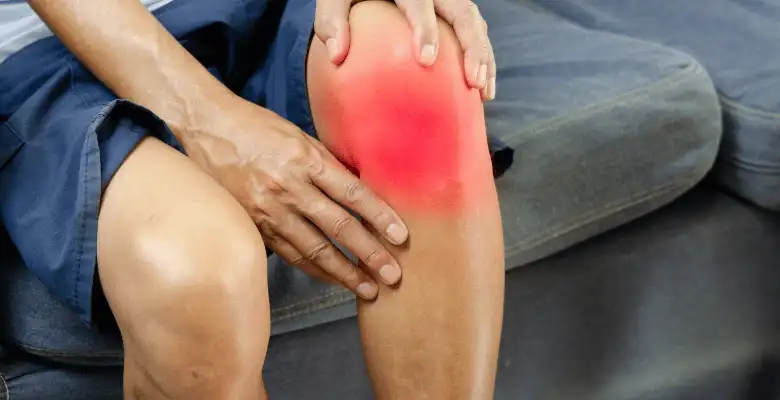
Chronic knee pain can feel like an unwelcome guest that overstays its welcome. It can limit your ability to enjoy simple activities like walking, climbing stairs, or playing with your kids. If you’re tired of relying on painkillers or contemplating invasive surgery, there is another option to consider: knee decompression therapy. This non-surgical treatment is gaining attention for its ability to provide lasting relief by addressing the root cause of discomfort.
This guide will explain what knee decompression is, how it works, and the conditions it can effectively treat. You will learn about the benefits of this therapy, what to expect during a session, and whether it could be the right solution for your chronic knee pain. By the end, you’ll have a clear understanding of how this innovative treatment can help you regain mobility and live a more active, pain-free life.
Understanding Chronic Knee Pain
Before exploring the solution, it’s important to understand the problem. Chronic knee pain is persistent discomfort, swelling, or sensitivity in one or both knees that lasts for months or even years. Unlike acute pain from a recent injury, chronic pain often stems from underlying conditions that develop over time.
The knee is the largest and one of the most complex joints in the body, making it susceptible to various issues. It’s a hinge joint that bears a significant amount of weight and stress every day. The joint is made up of bones, cartilage, ligaments, and tendons, all working together to provide stability and movement. When any of these components are damaged or worn down, it can lead to chronic pain.
Common Causes of Chronic Knee Pain
Several conditions can lead to persistent knee pain. Identifying the source of your discomfort is the first step toward finding an effective treatment.
Osteoarthritis
This is the most common form of arthritis and a primary cause of chronic knee pain, especially in older adults. It's a degenerative condition where the protective cartilage that cushions the ends of your bones wears down over time. Without this cartilage, bones can rub against each other, causing pain, stiffness, and reduced mobility.
Meniscus Tears
The meniscus is a C-shaped piece of tough cartilage that acts as a shock absorber between your shinbone and thighbone. Tears can happen suddenly during sports or gradually due to age-related wear and tear. A torn meniscus can cause pain, swelling, and a sensation of your knee "giving way."
Bursitis
Bursae are small, fluid-filled sacs that cushion the bones, tendons, and muscles near your joints. Repetitive pressure or overuse can cause these sacs to become inflamed, a condition known as bursitis. This often results in a dull, aching pain and tenderness around the knee.
Tendonitis
The tendons are thick cords that attach muscles to bones. Overuse or repetitive strain can lead to inflammation of the tendons around the knee, a condition called tendonitis. Patellar tendonitis, or "jumper's knee," is a common example that affects the tendon connecting the kneecap to the shinbone.
Ligament Injuries
Injuries to ligaments, such as the anterior cruciate ligament (ACL), can lead to long-term instability and pain if not treated properly. While often associated with acute sports injuries, the resulting instability can contribute to chronic issues down the line.
These conditions all share a common theme: they disrupt the normal function and structure of the knee joint. This disruption often leads to increased pressure, inflammation, and the breakdown of tissues, creating a cycle of chronic pain.
What Is Knee Decompression Therapy?
Knee decompression therapy is a non-invasive treatment designed to relieve pain by gently separating the two main bones of the knee joint: the femur (thighbone) and the tibia (shinbone). This separation creates a vacuum effect within the joint space, which helps to reduce pressure, improve circulation, and promote the body’s natural healing processes.
Think of it like this: when a joint is compressed due to arthritis or injury, the space within it shrinks. This puts pressure on the cartilage and surrounding tissues, restricting the flow of blood and nutrient-rich synovial fluid. Knee decompression works by reversing this compression. It gently pulls the joint apart, creating negative pressure that draws fluids, oxygen, and nutrients into the knee capsule.
This process is performed using a specialized medical device. You sit comfortably while your knee is secured in the equipment. The machine then applies a controlled, gentle traction force, cycling through periods of pulling and relaxation over a session lasting about 15 to 20 minutes. The treatment is painless; many patients find it quite relaxing.
How It Differs from Other Treatments
Knee decompression stands apart from traditional treatments for chronic knee pain, which often focus on managing symptoms rather than addressing the underlying mechanical problem.
Pain Medications
Over-the-counter and prescription pain relievers can reduce discomfort, but they don't fix the source of the pain. They mask the symptoms, and long-term use can have side effects.
Cortisone Injections
Steroid shots can provide temporary relief by reducing inflammation. However, their effects are often short-lived, and repeated injections can potentially damage cartilage over time.
Surgery
Knee replacement surgery is a major invasive procedure that is typically considered a last resort. It involves a long recovery period and carries risks like infection and blood clots.
Knee decompression offers a drug-free, non-surgical alternative. It aims to restore a healthier joint environment, allowing the body to heal itself. By decompressing the joint, it helps to alleviate the mechanical stress that contributes to cartilage degeneration and inflammation, offering the potential for long-term relief.
The Benefits of Knee Decompression
Patients who undergo knee decompression therapy often report a range of benefits that improve their overall quality of life. The treatment is designed to not only reduce pain but also to enhance the function and health of the knee joint.
Key Advantages of the Therapy
Pain Relief
The most immediate and significant benefit is a reduction in chronic knee pain. By creating space in the joint, the therapy alleviates pressure on irritated nerves and damaged cartilage, which is the primary source of discomfort for many people.
Improved Mobility and Range of Motion
As pain and stiffness decrease, patients often find they can move their knee more freely. Activities that were once difficult, like bending, squatting, or walking up stairs, can become easier and less painful.
Increased Blood Flow
The vacuum effect created during decompression helps to draw blood into the knee joint. Enhanced circulation is crucial for healing, as it delivers the oxygen and nutrients that damaged tissues need to repair themselves.
Enhanced Nutrient Delivery
The synovial fluid within the joint is essential for lubricating the cartilage and providing it with nutrients. Decompression helps to replenish this fluid, promoting a healthier environment for the cartilage to regenerate and stay resilient.
Non-Invasive and Drug-Free
One of the biggest advantages is that knee decompression is a completely non-surgical and drug-free procedure. This eliminates the risks associated with anesthesia, infection, and the side effects of long-term medication use. There is no downtime, so you can return to your daily activities immediately after a session.
Who Is a Good Candidate for Knee Decompression?
Knee decompression therapy can be an excellent option for a wide range of individuals suffering from chronic knee pain. However, it’s not suitable for everyone. A thorough evaluation by a qualified healthcare professional is necessary to determine if this treatment is right for you.
Ideal Candidates Often Experience:
- Chronic knee pain, especially from osteoarthritis.
- Pain diagnosed as "bone-on-bone."
- Discomfort from a previous meniscus tear or ligament injury.
- Limited mobility due to stiffness and pain.
- A desire to avoid surgery or long-term reliance on pain medication.
The therapy is most effective for individuals whose pain is related to joint compression and cartilage degradation. It helps create a better environment for the joint to function and heal.
When Knee Decompression Might Not Be an Option
There are certain conditions where knee decompression may not be recommended. These can include:
- Active infections in the knee.
- Fractures or tumors in or around the joint.
- Certain types of advanced inflammatory arthritis.
- Severe osteoporosis.
A healthcare provider will review your medical history and may perform a physical examination or imaging tests to ensure that knee decompression is a safe and appropriate choice for your specific condition.
What to Expect During Treatment
Embarking on a new treatment plan can be intimidating, but the process for knee decompression is straightforward and designed for patient comfort. Knowing what to expect can help you feel more prepared and confident.
A typical knee decompression treatment plan begins with an initial consultation. During this visit, a specialist will discuss your symptoms, review your medical history, and perform an examination of your knee. This assessment helps determine the cause of your pain and confirms if you are a good candidate for the therapy.
Once you are approved for treatment, you will be scheduled for a series of sessions. The exact number of sessions varies depending on the severity of your condition, but a typical plan might involve 10 to 20 treatments spread over several weeks.
A Typical Session
Here’s what a single knee decompression session looks like:
Preparation
You will be seated in a comfortable chair, and the therapist will position your leg and knee correctly within the decompression machine.
The Treatment
he machine will be programmed to apply a specific amount of gentle traction force. You will feel a light pulling sensation on your knee as the joint is decompressed. This force is applied in cycles, alternating between traction and relaxation.
Duration
Each session typically lasts between 15 and 20 minutes. During this time, you can relax, read, or listen to music. The process is painless.
After the Session
There is no recovery time needed after a session. You can immediately get up and go about your day. Some patients report feeling immediate relief after just one session, while for others, the benefits become more noticeable after several treatments.
For the best results, knee decompression is often combined with other therapies, such as laser therapy or personalized rehabilitation exercises. These complementary treatments can help reduce inflammation, strengthen the muscles around the knee, and improve overall joint stability.
Find Lasting Relief at Bell District Spine and Rehab
If you’re struggling with chronic knee pain and looking for a non-surgical solution, knee decompression therapy may be the answer. By addressing the root cause of the pain, this treatment can help you regain mobility and return to the activities you love.
At Bell District Spine and Rehab, we are committed to helping our patients find lasting relief from chronic pain. Led by Dr. John Tuggle, who has over 24 years of experience, our team provides personalized care using state-of-the-art treatments. We believe in a non-invasive philosophy, offering drug-free solutions that focus on natural healing.
We understand the impact chronic knee pain can have on your life. That’s why we offer specialized knee decompression services tailored to your unique needs. Our comprehensive approach combines advanced therapies with personalized rehab plans to ensure the best possible outcomes. We serve patients in Cedar Park, Leander, Austin, and the surrounding areas.
If you are ready to explore how knee decompression can help you, we invite you to schedule a consultation with our team. We will conduct a thorough assessment to determine if this therapy is right for you and create a customized treatment plan to help you achieve a healthier, pain-free life.
May I invite you to join us for a
Complimentary Consultation?

I’m Dr. John Tuggle, my team and I are dedicated to helping you get out of pain and get you back to feeling great again.
Call us and tell us about your health issues and set up a consultation to discuss the treatment that will best get you back to optimum health.”
Dr. John Tuggle, D.C.
Have Questions?
Ask The Doctor