
What to Expect During a Knee Decompression Session
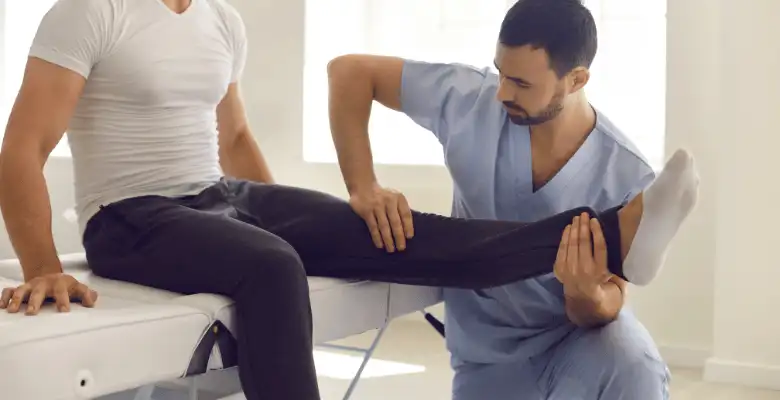
Knee pain shouldn’t control your life. Knee decompression therapy offers a non-surgical solution that helps restore joint function and reduce pain. But what actually happens during a session?
Knee decompression is a specialized treatment that gently stretches and realigns the knee joint. It creates negative pressure within the joint space, allowing compressed tissues to expand and heal naturally. This therapy targets the root causes of knee pain rather than just masking symptoms.
Many people feel anxious before their first session. Understanding the process helps you feel more confident and prepared. This guide walks you through every step of a knee decompression session, from preparation to recovery.
How Knee Decompression Works
Knee decompression uses controlled traction to separate joint surfaces. This creates space between bones, cartilage, and other tissues. The increased space allows:
- Better blood flow to damaged areas
- Reduced pressure on compressed nerves
- Improved nutrient delivery to cartilage
- Enhanced healing of soft tissues
The treatment targets several knee conditions:
- Arthritis pain
- Meniscus tears
- Joint stiffness
- Chronic knee pain
- Post-injury recovery
Preparing for Your Session
Your preparation starts before you arrive at the clinic. Wear comfortable, loose-fitting clothes that allow easy access to your knee. Avoid tight jeans or restrictive clothing.
Bring a list of your current medications and any imaging results (X-rays, MRIs) from previous doctors. This information helps your practitioner understand your specific condition.
Eat a light meal before your appointment. Avoid heavy foods that might make you uncomfortable while lying down for extended periods.
Initial Assessment and Consultation
Before treatment, your practitioner reviews your knee pain history, previous therapies, and activity level. A quick physical exam checks range of motion, stability, and tenderness to create a personalized plan.
- When your knee pain started
- What makes it better or worse
- Previous treatments you've tried
- Your activity level and goals
Physical examination follows the discussion. The practitioner checks your knee’s range of motion, stability, and pain points. They may perform specific tests to identify the exact source of your discomfort.
Based on this assessment, they create a personalized treatment plan. This plan outlines the number of sessions you’ll need and what results you can expect.
The Treatment Setup
The decompression table looks similar to a standard treatment table but includes specialized equipment. You’ll lie comfortably on the padded surface. The room is usually quiet and dimly lit to promote relaxation.
The practitioner positions a harness or cuff around your thigh and ankle. These devices connect to the decompression unit through cables and pulleys. The setup feels secure but not uncomfortable.
Before starting, the practitioner explains each step and ensures you’re comfortable. They adjust the table height and provide pillows or supports as needed.
During the Decompression Session
The actual treatment begins with gentle traction. The machine slowly applies pressure to separate your knee joint surfaces. You’ll feel a mild stretching sensation, similar to a gentle massage.
Treatment typically lasts 20-30 minutes. The machine cycles between periods of decompression and relaxation. This cycling prevents muscle guarding and allows tissues to respond naturally.
Most patients find the experience relaxing. Some even fall asleep during treatment. The gentle pulling sensation often provides immediate relief from pain and stiffness.
You remain fully clothed throughout the session. The practitioner stays nearby to monitor your comfort and adjust settings if needed.
What You'll Feel
During decompression, sensations vary from person to person. Common experiences include:
Immediate sensations:
- Gentle stretching in the knee
- Relief from pressure and pain
- Mild pulling sensation
- Muscle relaxation
Throughout the session:
- Gradual pain reduction
- Improved joint mobility
- Sense of space within the knee
- Overall relaxation
Most patients describe the feeling as pleasant and therapeutic. If you experience any discomfort, tell your practitioner immediately. They can adjust the pressure or positioning.
Monitoring and Adjustments
Your practitioner continuously monitors your response throughout the session. They watch for signs of discomfort or adverse reactions. Modern decompression units include safety features that stop treatment if problems occur.
Pressure levels start low and gradually increase as your tissues adapt. The practitioner adjusts settings based on your feedback and clinical observations. This personalized approach ensures optimal results while maintaining safety.
Communication remains open throughout treatment. You can speak normally and request adjustments at any time. The practitioner checks on you regularly and responds to your needs immediately.
Post-Treatment Care
When the session ends, the machine gradually reduces pressure before stopping completely. This prevents sudden changes that might cause discomfort. The practitioner removes the harnesses and helps you sit up slowly.
You might feel slightly dizzy when first standing. This is normal and passes quickly. Take your time getting up and moving around.
The practitioner discusses your response to treatment and any sensations you experienced. They provide instructions for post-treatment care, which typically includes:
- Gentle walking to promote circulation
- Avoiding strenuous activities for a few hours
- Applying ice if recommended
- Staying hydrated
Immediate Effects and Sensations
Many patients notice immediate improvements after their first session. Common immediate effects include:
Pain relief
Reduced knee pain and stiffness
Improved mobility
Better range of motion
Reduced swelling
Less inflammation around the joint
Better function
Easier walking and movement
Some patients experience temporary soreness similar to post-exercise muscle fatigue. This typically resolves within 24-48 hours and indicates that healing processes have begun.
Treatment Frequency and Duration
Knee decompression requires multiple sessions for optimal results. Most treatment plans include:
Initial phase
3-5 sessions per week for 2-3 weeks
Maintenance phase
1-2 sessions per week for several weeks
Total duration
6-12 weeks depending on condition severity
Your practitioner adjusts this schedule based on your response to treatment. Some patients need fewer sessions, while others with complex conditions may require extended care.
Potential Side Effects
Knee decompression is generally safe with minimal side effects. Possible temporary effects include:
- Mild soreness around the knee
- Temporary muscle fatigue
- Slight stiffness that improves with movement
- Temporary increase in pain (rare)
Serious side effects are extremely rare when treatment is performed by trained professionals. Always report any concerning symptoms to your practitioner.
Combining Therapies
Knee decompression works well with other treatments. Your practitioner might recommend combining it with:
Complementary therapies:
- Physical therapy exercises
- Laser therapy for inflammation
- Manual therapy techniques
- Strengthening programs
This integrated approach addresses multiple aspects of knee problems and often produces better results than single treatments alone.
What Makes Treatment Successful
Several factors influence your treatment success:
Patient factors:
- Following post-treatment instructions
- Maintaining regular appointments
- Staying active within recommended limits
- Communicating openly with your practitioner
Treatment factors:
- Proper patient selection
- Accurate diagnosis
- Appropriate pressure settings
- Consistent treatment schedule
Frequently Asked Questions
How long does each knee decompression session last?
Most sessions last 20-30 minutes. This includes setup time and the actual treatment period. Your first visit may take longer due to the initial assessment.
Is knee decompression painful?
No, the treatment should not be painful. Most patients describe it as a gentle stretching sensation that’s actually quite relaxing. If you experience pain, inform your practitioner immediately.
How many sessions will I need?
Treatment plans vary based on your condition and response to therapy. Most patients need 15-25 sessions over 6-12 weeks. Your practitioner will create a personalized plan after your initial assessment.
Can I drive after a session?
Yes, you can typically drive after treatment. Some patients feel slightly relaxed or have mild temporary soreness, but this doesn’t usually affect driving ability.
What should I wear to my appointment?
Wear comfortable, loose-fitting clothes that provide easy access to your knee. Avoid tight pants or restrictive clothing.
Will my insurance cover knee decompression?
Many insurance plans cover this treatment when medically necessary. We accept most insurance plans and can help verify your coverage before treatment begins.
Take the Next Step Toward Pain Relief
At Bell District Spine and Rehab, we understand how knee pain affects your daily life. We’ve helped countless patients in Cedar Park, Round Rock, Leander, and surrounding areas find relief through knee decompression therapy.
Dr. John Tuggle and our experienced team use state-of-the-art decompression equipment combined with personalized care plans. We’ve been recognized as one of the best chiropractic clinics for seven consecutive years because we deliver results.
Our comprehensive approach includes knee decompression alongside other proven therapies like laser treatment, manual therapy, and rehabilitation exercises. We accept most insurance plans, including Medicare, making quality care accessible to everyone.
Don't let knee pain limit your activities any longer. Call us at (512) 257-2225 to schedule your complimentary phone consultation. During this call, we'll discuss your specific situation and determine if knee decompression is right for you.
Located at 930 South Bell Blvd, Suite 103 in Cedar Park, we’re conveniently positioned to serve patients throughout Central Texas. Take the first step toward reclaiming your active lifestyle today.
May I invite you to join us for a
Complimentary Consultation?

I’m Dr. John Tuggle, my team and I are dedicated to helping you get out of pain and get you back to feeling great again.
Call us and tell us about your health issues and set up a consultation to discuss the treatment that will best get you back to optimum health.”
Dr. John Tuggle, D.C.
Have Questions?
Ask The Doctor