
How Long Does Sciatica Pain Last?
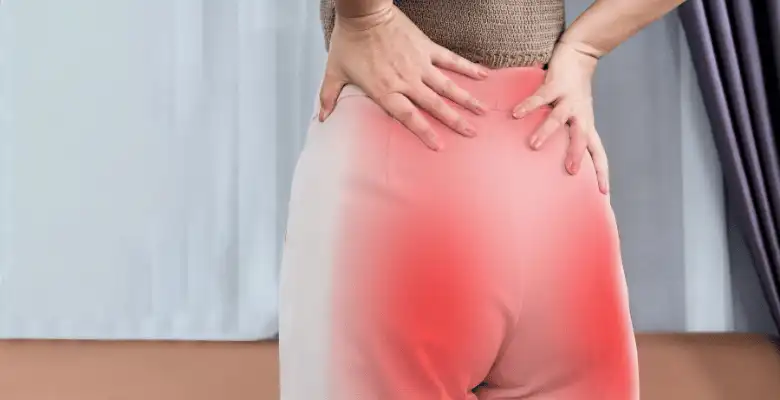
Sciatica pain typically lasts 4-6 weeks for most people. However, the duration depends on the underlying cause, severity of nerve compression, and treatment approach you choose.
About 80-90% of sciatica cases resolve on their own within 6 weeks. But here’s the thing—waiting it out isn’t always the best strategy. The sooner you address the root cause, the faster you can get back to your normal activities.
Let’s break down what determines how long your sciatica pain will stick around and when you should seek professional help.
What Is Sciatica Pain?
- Herniated discs - When the soft center of a spinal disc pushes through its outer layer
- Spinal stenosis - Narrowing of the spinal canal that puts pressure on nerves
- Piriformis syndrome - When the piriformis muscle in your buttock irritates the sciatic nerve
- Spondylolisthesis - When one vertebra slips over another
The pain can feel like a sharp, shooting sensation or a burning feeling. Some people describe it as an electric shock that runs down their leg.
Acute vs. Chronic Sciatica: Understanding the Timeline
Acute Sciatica (Less Than 6 Weeks)
Most sciatica episodes are acute. They start suddenly and improve within 4-6 weeks. During this phase, your body’s natural healing mechanisms work to reduce inflammation and relieve nerve pressure.
Acute sciatica often responds well to:
- Rest (but not complete bed rest)
- Ice and heat therapy
- Over-the-counter pain medications
- Gentle stretching
Chronic Sciatica (More Than 6 Weeks)
When sciatica lasts longer than 6 weeks, it’s considered chronic. This affects about 10-20% of people with sciatica. Chronic cases usually need professional treatment because the underlying cause hasn’t been addressed.
Signs your sciatica might become chronic:
- Pain doesn't improve after 2-3 weeks
- Symptoms worsen despite treatment
- You develop muscle weakness or numbness
- Pain interferes with daily activities
Factors That Affect Sciatica Recovery Time
Several factors influence how long your sciatica pain will last:
Age and Overall Health
Younger people typically recover faster than older adults. Your general fitness level also matters. People who exercise regularly often bounce back quicker than those who are sedentary.
Severity of Nerve Compression
Minor nerve irritation resolves faster than severe compression. If you have significant muscle weakness or loss of sensation, recovery may take longer.
Underlying Cause
The root cause plays a huge role in recovery time:
- Muscle spasms: 1-2 weeks
- Herniated disc: 6-12 weeks
- Spinal stenosis: May require ongoing management
- Piriformis syndrome: 2-6 weeks with proper treatment
Treatment Approach
People who seek early treatment typically recover faster than those who wait. Professional care can address the root cause rather than just managing symptoms.
Lifestyle Factors
Your daily habits affect recovery:
- Sitting for long periods can worsen sciatica
- Poor posture puts extra stress on your spine
- Lack of exercise weakens supporting muscles
- Stress can increase muscle tension and pain
Warning Signs: When to Seek Immediate Help
Don’t wait if you experience these red flag symptoms:
- Loss of bladder or bowel control (cauda equina syndrome - medical emergency)
- Severe leg weakness that affects walking
- Numbness in the groin or genital area
- Progressive muscle weakness
- Severe pain after trauma or injury
These symptoms require immediate medical attention. Delaying treatment could lead to permanent nerve damage.
Non-Emergency Signs You Should See a Professional
You should consider professional treatment if:
- Pain lasts longer than 2 weeks without improvement
- Symptoms interfere with sleep or daily activities
- You develop new numbness or tingling
- Pain spreads to both legs
- Previous episodes are becoming more frequent
Early intervention often leads to faster recovery and prevents the condition from becoming chronic.
Treatment Options That Speed Recovery
Conservative Treatments
Most sciatica cases improve with conservative care:
- Physical therapy helps strengthen muscles and improve flexibility. Specific exercises can relieve pressure on the sciatic nerve.
- Chiropractic adjustments can restore proper spinal alignment and reduce nerve irritation.
- Pain management through medication can provide short-term relief while your body heals.
Advanced Treatment Options
For stubborn cases, more intensive treatments may help:
- Spinal decompression therapy gently stretches the spine to relieve pressure on compressed nerves.
- Laser therapy uses light energy to reduce inflammation and promote tissue healing.
- Shockwave therapy delivers targeted sound waves to stimulate healing and reduce pain.
Lifestyle Modifications
Simple changes can speed recovery:
- Use proper lifting techniques
- Maintain good posture while sitting
- Take regular breaks from prolonged sitting
- Sleep with a pillow between your knees
- Stay active with gentle exercises
Preventing Future Episodes
Once your sciatica resolves, focus on prevention:
Strengthen your core
Strong abdominal and back muscles support your spine and reduce injury risk.
Maintain flexibility
Regular stretching keeps your muscles and joints mobile.
Practice good ergonomics
Set up your workspace to support proper posture.
Stay active
Regular exercise keeps your spine healthy and reduces stiffness.
Maintain a healthy weight
Extra pounds put additional stress on your spine.
The Role of Professional Treatment in Recovery
Professional treatment doesn’t just manage pain—it addresses the underlying cause of your sciatica. This approach often leads to:
- Faster recovery times
- Lower risk of recurrence
- Better long-term outcomes
- Improved quality of life
Many treatment options are non-invasive and drug-free. They work with your body’s natural healing processes to restore function and eliminate pain.
Getting Back to Your Life
At Bell District Spine and Rehab, we understand how sciatica pain can disrupt your life. Dr. John Tuggle and our experienced team have helped hundreds of patients overcome sciatica using proven, non-surgical treatments.
We don’t believe in a one-size-fits-all approach. Each patient receives a personalized treatment plan that may include:
- Comprehensive evaluation to identify the root cause of your pain
- Chiropractic adjustments to restore proper spinal alignment
- Spinal decompression therapy to relieve pressure on compressed nerves
- Laser therapy to reduce inflammation and accelerate healing
- Personalized rehabilitation programs to strengthen supporting muscles
Our Cedar Park clinic serves patients from Leander, Jonestown, Austin, Lago Vista, and Round Rock. We accept most insurance plans, including Medicare, making quality care accessible to everyone.
Many of our patients experience significant improvement within the first few weeks of treatment. We’ve been recognized as one of the best chiropractic clinics for seven consecutive years because we focus on results, not just symptom management.
Don't let sciatica pain control your life. Call us today at (512) 257-2225 to schedule your complimentary phone consultation. Let's work together to get you back to the activities you love—without pain holding you back.
May I invite you to join us for a
Complimentary Consultation?

I’m Dr. John Tuggle, my team and I are dedicated to helping you get out of pain and get you back to feeling great again.
Call us and tell us about your health issues and set up a consultation to discuss the treatment that will best get you back to optimum health.”
Dr. John Tuggle, D.C.
Have Questions?
Ask The Doctor