
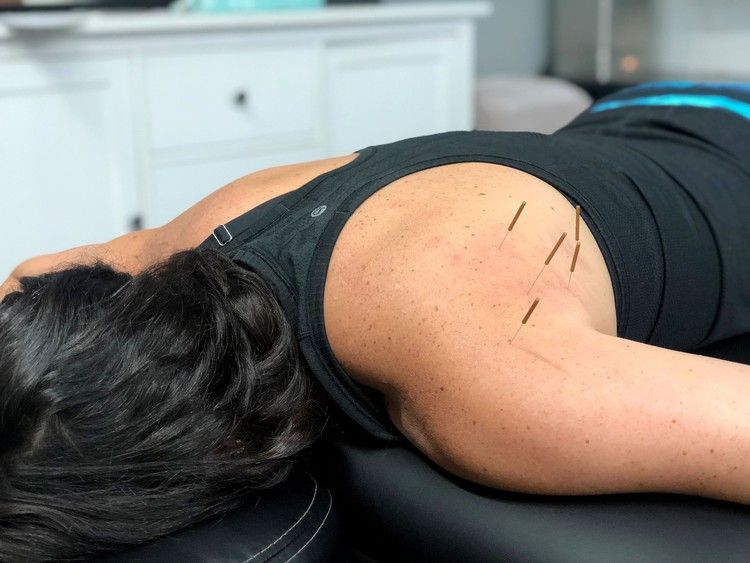
Muscle pain is a common issue that can interfere with daily activities, workouts, and overall quality of life. While stretching, massage, and physical therapy help, some muscle pain is caused by trigger points or tight knots that do not respond to traditional treatment. Functional Dry Needling (FDN) is a specialized technique used by trained clinicians to target these areas, relieve pain, and restore muscle function.
At Bell District Spine and Rehab, functional dry needling is integrated into comprehensive care plans, helping patients recover faster, improve mobility, and prevent recurrent muscle issues.
Understanding Functional Dry Needling
Functional Dry Needling (FDN) is a targeted technique in which thin, sterile needles are inserted directly into tight areas of muscle, often called trigger points. Unlike acupuncture, FDN specifically focuses on releasing muscle tension and restoring proper movement rather than influencing energy flow.
The treatment aims to reduce muscle tightness and spasms, improve blood flow to affected areas, relieve pain, and increase range of motion. Additionally, FDN supports faster rehabilitation after injury by helping muscles relax, recover, and function more efficiently, making it an effective tool for both pain relief and improved mobility.
How It Works:
Functional dry needling targets tight muscles and trigger points that cause pain and limit movement. It works by relaxing these muscles, improving blood flow, and restoring proper function, often in combination with other therapies.
- Assessment: Clinicians examine your muscles to identify tight spots, trigger points, and areas that cause pain or restricted movement.
- Targeted Needle Insertion: Thin, sterile needles are carefully inserted into affected points to release tension and increase circulation.
- Integration with Therapy: Dry needling is combined with exercises, stretching, and posture correction to restore function and prevent future issues.
- Follow-Up and Progress Tracking: Your response is monitored, and treatment is adjusted to ensure lasting relief and improved muscle performance.
Signs You May Benefit from Functional Dry Needling
Functional dry needling is most effective when muscle issues are identified early. By targeting trigger points and tight muscles, it can relieve pain, improve mobility, restore strength, and speed up recovery from injuries.
Persistent Muscle Pain or Knots
Chronic muscle tightness or painful knots that don’t improve with stretching, massage, or other therapies may respond well to dry needling. These trigger points can cause localized pain and stiffness.
Limited Range of Motion
Tight muscles can restrict everyday movements such as bending, lifting, or reaching. Dry needling helps relax these muscles, improving flexibility and ease of motion.
Muscle Weakness or Fatigue
Overworked or tense muscles may feel weak or tire easily, reducing your ability to perform daily activities or exercise. Functional dry needling targets these areas to restore proper muscle function and endurance.
Pain That Radiates or Causes Compensations
Trigger points can refer pain to other areas or force your body to compensate, causing secondary discomfort or postural issues. FDN addresses the source, improving overall movement efficiency.
Slow Recovery from Muscle Injury
Muscle strains or overuse injuries that take longer than expected to heal may benefit from dry needling, which enhances circulation and promotes muscle relaxation, speeding up recovery.
Frequent Muscle Spasms or Cramping
Involuntary muscle contractions indicate underlying tension or imbalance. Dry needling can relieve these spasms and restore normal muscle function.
Posture-Related Discomfort
Poor posture or prolonged sitting can tighten muscles in the neck, back, and shoulders, leading to discomfort. Dry needling helps release tension and supports better spinal alignment.
Reduced Athletic Performance
Restricted muscles can limit movement efficiency, strength, and coordination. FDN restores proper muscle function, enhancing athletic performance and reducing fatigue.
Chronic Headaches or Neck Pain
Tension in the neck and upper back muscles can contribute to frequent headaches. Dry needling can relax tight muscles and reduce headache frequency and severity.
Overuse Injuries from Repetitive Activities
Repetitive movements, such as typing, lifting, or sports-specific motions, can create muscle imbalances. FDN targets these overworked muscles to relieve pain and prevent further injury.
Benefits of Functional Dry Needling
- Reduces Muscle Pain and Spasms Quickly: Helps relax tight muscles, relieving discomfort and improving daily function.
- Improves Flexibility and Joint Range of Motion: Enhances movement efficiency and reduces stiffness, making everyday tasks easier.
- Speeds Up Recovery from Injury: Promotes circulation and muscle relaxation, accelerating healing from strains or overuse injuries.
- Enhances Performance in Athletes and Active Individuals: Restores proper muscle function, improving strength, endurance, and coordination.
- Supports Long-Term Muscle and Spinal Health: Helps maintain muscle health, prevent recurring tension, and reduce the risk of future injuries.
Is Functional Dry Needling Safe?
When performed by trained clinicians, functional dry needling is safe and well-tolerated. Some patients may feel mild soreness or bruising at the needle site, which usually resolves within a day or two. At Bell District Spine and Rehab, safety and hygiene are a top priority, and every session is tailored to the patient’s individual needs.
Does Dry Needling Hurt?
Functional dry needling is generally well-tolerated, but some patients may feel a brief pinch or twitch when the needle is inserted into a trigger point. Most report mild soreness in the treated area afterward, similar to the feeling after a deep tissue massage.
Any discomfort usually resolves within a day or two, and the benefits—reduced muscle tension, improved movement, and pain relief—typically outweigh the temporary sensation. At Bell District Spine and Rehab, our clinicians ensure each session is as comfortable and safe as possible, adjusting techniques to match your comfort level and needs.
How to Find the Best Dry Needling Provider
Finding the right clinician ensures safe, effective, and lasting results from functional dry needling. Here’s what to look for:
- Certified and Trained Clinicians: Ensure the provider is certified in functional dry needling and has experience treating your specific muscle or movement issues.
- Comprehensive Assessment Approach: Look for providers who evaluate posture, joint mobility, and muscle function before treatment.
- Personalized Care Plans: The provider should design a treatment plan tailored to your needs, including exercises, follow-up, and injury prevention strategies.
- Integration With Other Therapies: The best providers combine dry needling with rehabilitation exercises, stretching, and posture correction for optimal results.
- Proven Experience and Patient Feedback: Choose a clinic with positive reviews and documented success in helping patients recover from muscle pain or improve movement efficiency.
Our expert clinicians follow all these guidelines, ensuring every patient receives safe, effective, and long-term relief through a fully personalized dry needling program.
FAQs:
1. How quickly will I feel results from dry needling?
Some patients notice immediate relief, while others may require multiple sessions for lasting benefits, depending on the severity of muscle tension or injury.
2. Can dry needling be combined with other treatments?
FDN works best when paired with manual therapy, stretching, posture correction, or physical therapy for optimal recovery.
3. Are there any side effects or risks?
Mild soreness, minor bruising, or temporary fatigue may occur, but the procedure is safe when performed by trained clinicians.
4. Is functional dry needling suitable for all ages?
FDN can be safely performed on adults and older adults, with treatment tailored to the patient’s health condition and tolerance.
5. How long does a dry needling session last?
Sessions typically last 15–30 minutes and may be combined with other rehabilitation exercises for better results.
Take Control of Muscle Pain
If you’re dealing with persistent muscle pain, tightness, or limited movement, functional dry needling may be the solution you need. Our expert clinicians combine FDN with rehabilitation exercises and personalized care plans to help you move better, recover faster, and prevent future muscle problems.
Take the first step toward pain-free movement with expert care at Bell District Spine and Rehab today!