
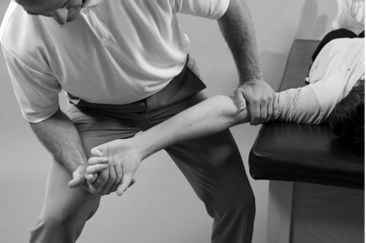
Understanding how your body moves is crucial for maintaining health and preventing injuries. Movement analysis is a specialized assessment used in modern clinics to evaluate posture, joint function, and muscle performance. By identifying dysfunctional movement patterns, professionals can pinpoint the root causes of pain and create personalized strategies to prevent future injuries.
At Bell District Spine and Rehab, movement analysis is a key part of care. Our clinicians assess joint mobility, muscle strength, posture, and balance to identify the root causes of pain. This helps create personalized plans that improve function, prevent injuries, and support long-term spinal health.
What is Movement Analysis?
Movement analysis involves observing and assessing how your body moves during everyday activities or specific exercises. This includes evaluating:
- Joint mobility and alignment
- Muscle strength and balance
- Posture and gait patterns
- Functional movement efficiency
By carefully studying these patterns, clinicians can detect areas of stress, weakness, or imbalance that may contribute to pain or increase injury risk.
How It Works
- Initial Assessment – Clinicians review your medical history and current complaints.
- Observation and Testing – Movements such as squats, bends, and walking are analyzed to identify limitations or imbalances.
- Technology-Assisted Analysis – Sometimes, video or motion sensors are used for precise tracking.
- Personalized Plan – Based on the findings, a customized rehabilitation or exercise plan is created to correct dysfunctions and support long-term recovery.
Why Movement Analysis is Important
Movement analysis is more than just observation—it helps clinicians understand how your body moves, pinpoint underlying issues, and develop strategies for better function and injury prevention.
1. Identify the Root Cause of Pain
Many injuries or chronic pain conditions are caused by subtle movement dysfunctions rather than obvious trauma. By analyzing how your joints and muscles move, clinicians can uncover these underlying issues so treatment targets the source of pain, not just the symptoms.
2. Prevent Future Injuries
Recognizing improper movement patterns early allows clinicians to recommend corrective exercises and strategies. This proactive approach reduces the risk of strains, sprains, and other injuries, keeping you active and pain-free over the long term.
3. Improve Performance and Function
For athletes or active individuals, movement analysis enhances coordination, balance, and efficiency. It helps improve overall performance, reduces fatigue, and ensures safer execution of daily activities or workouts.
4. Support Posture and Spinal Alignment
Movement analysis identifies postural imbalances that may lead to strain or discomfort over time. Corrective interventions help maintain proper spinal alignment and reduce stress on joints and muscles.
5. Tailored Rehabilitation Plans
Every patient’s body moves differently. Movement analysis allows clinicians to design personalized rehabilitation plans that target specific weaknesses, improve function, and accelerate recovery.
Benefits of Movement Analysis
- Reduced Pain by Targeting the Root Cause: Identifies the source of discomfort, so treatment reduces pain effectively rather than just masking it.
- Improved Posture and Spinal Alignment: Corrects misalignments and supports proper posture for better spinal health.
- Enhanced Mobility, Strength, and Balance: Strengthens muscles, improves joint movement, and enhances balance for safer daily activity.
- Prevention of Recurring Injuries: Detects and corrects faulty movement patterns to lower the risk of future injuries.
- Personalized Treatment for Lasting Results: Tailors rehabilitation and corrective strategies to your body’s unique needs for sustainable improvement.
Is It Safe?
Movement analysis is a non-invasive and safe assessment performed by trained clinicians. It involves observing your natural movements, posture, and joint function, without any surgery or medication.
Most people experience no discomfort during the process. In some cases, mild muscle soreness may occur if corrective exercises are introduced afterward, but this is temporary and part of the body adapting to improved movement patterns. Our safety is a top priority, and all assessments are personalized to match your health needs and physical condition.
Role of the Nervous System in Movement
The nervous system controls how your muscles and joints function, sending signals from the brain to coordinate movement and balance. When spinal alignment or joint mobility is compromised, these signals can become less efficient, causing poor movement patterns, compensations, and even pain.
Movement analysis helps clinicians detect these disruptions and design personalized interventions, including manual adjustments and targeted exercises. Optimizing nerve-muscle communication improves coordination, reduces injury risk, relieves muscle tension, and supports long-term spinal and overall musculoskeletal health.
FAQs:
Can movement analysis help with chronic back or neck pain?
Explains how subtle movement dysfunctions can cause long-term discomfort and how assessment identifies these patterns.
Do I need special equipment for movement analysis?
Clarifies that most assessments are non-invasive and rely on observation, posture tests, and simple functional exercises, sometimes enhanced with technology if needed.
How often should I have a movement analysis?
Helps readers understand frequency for injury prevention, rehabilitation, or performance improvement.
Is movement analysis only for athletes?
Emphasizes that it benefits everyone—from office workers with posture issues to seniors managing mobility challenges.
What should I wear for a movement analysis session?
Gives practical advice, like comfortable, flexible clothing to allow accurate assessment of movement patterns.
Take Control of Your Movement and Prevent Injuries
Movement analysis is a proactive approach to understanding your body, identifying pain causes, and preventing future injuries. When combined with the right therapies, exercises, and guidance, it can significantly improve your overall health, mobility, and quality of life.
Take the first step toward safer, pain-free movement today with Bell District Spine and Rehab, where expert clinicians design personalized care plans to help you move better and prevent injuries.