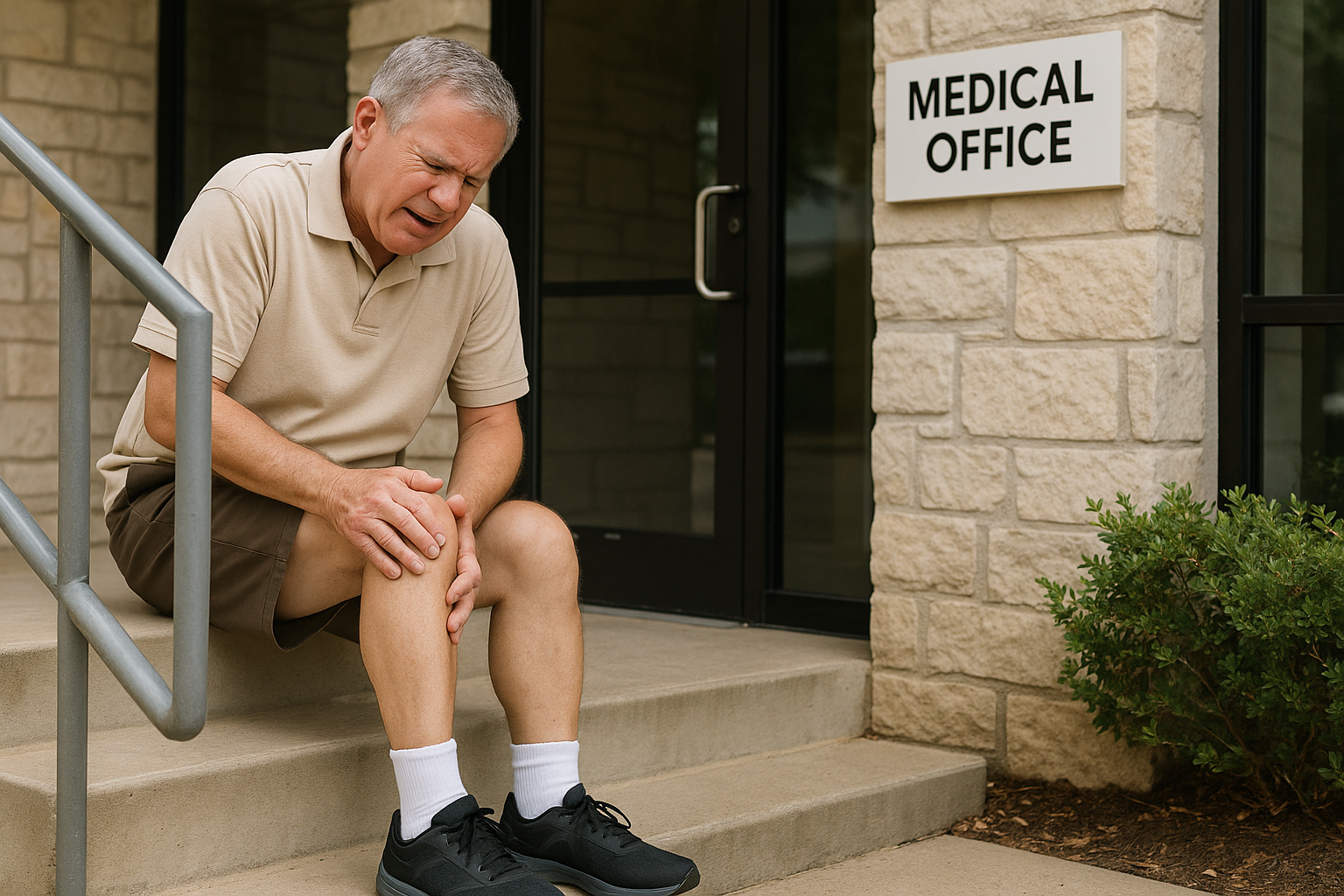

Knee Pain Relief With Your Cedar Park Chiropractor: Effective Non-Surgical Treatments and Personalized Care
Knee pain impacts nearly a quarter of adults and has seen a significant rise of over 65 percent in the last two decades, prompting many in Cedar Park to seek out non-surgical solutions. If you’re dealing with stiffness, swelling, or restricted movement, understanding the root causes of your knee discomfort and exploring chiropractic care can truly make a difference in your daily life. This guide will walk you through the common knee pain triggers that a Cedar Park chiropractor can address, the science behind manual adjustments and soft-tissue therapies, what to expect during your visit to Bell District Spine and Rehab, evidence supporting osteoarthritis relief, sports injury management, prevention strategies, and real patient success stories. By following this clear roadmap, you’ll gain a solid understanding of how chiropractic care offers natural, drug-free relief and how Bell District Spine and Rehab’s tailored approach can help you regain comfort and full function.
Common Knee Pain Causes Addressed by Your Cedar Park Chiropractor
Knee pain often stems from various underlying issues that affect joint alignment, cartilage health, or the balance of surrounding soft tissues. Osteoarthritis, for instance, leads to the breakdown of articular cartilage and narrowing of the joint space, causing pain from friction. Sports injuries like sprains, strains, and ligament tears can result in instability and inflammation. Overuse conditions, such as patellofemoral pain syndrome and iliotibial band irritation, develop from repetitive stress on the knee’s tracking mechanisms. Additionally, meniscus tears and bursitis can cause localized swelling and pain. Identifying these triggers allows a chiropractor to pinpoint specific biomechanical issues and implement targeted corrective therapies.
Chiropractic treatment for knee pain focuses on restoring proper alignment, reducing inflammation, and strengthening the supporting structures. Manual joint mobilizations help realign the kneecap and the knee joint itself, while soft-tissue techniques work to release tight fascia and improve circulation. Rehabilitative exercises are crucial for building muscle support around the knee, which helps prevent pain from returning. By addressing both the mechanical causes and the resulting inflammation, chiropractic care offers lasting relief without the need for surgery or long-term medication.
How Osteoarthritis Leads to Knee Pain and How Chiropractic Can Help

Knee osteoarthritis develops when the cartilage in the knee joint wears down, leading to bone rubbing against bone. This friction irritates pain receptors and causes inflammation in the joint. Chiropractic adjustments can help by improving joint spacing and distributing weight more evenly across the femur and tibia, thereby reducing abrasive forces. Mobilization techniques encourage the circulation of synovial fluid, which nourishes the remaining cartilage and helps alleviate stiffness. Soft-tissue therapy can release tight muscles that have adapted to the pain, while strengthening exercises for the quadriceps and hip muscles provide better support for the joint. This comprehensive approach aims to reduce pain, improve flexibility, and enhance your ability to perform daily activities.
Multimodal Non-Surgical Intervention for Knee Osteoarthritis with Manual Therapy
ABSTRACT: AbstractIntroductionThe purpose of this study is to review the pain and functional outcomes of a multimodal intervention in three patients with knee osteoarthritis (OA). This study explores how manual therapy can be delivered within an evidence-based framework for the management of knee OA.MethodsMedical records were reviewed for three patients with knee OA who underwent a standardized multimodal intervention including education, exercise, and manual therapy. Changes in pain intensity and function from baseline to post-intervention were calculated and compared to thresholds for minimal clinically important differences.ResultsOne participant met the threshold for clinically significant improvement in pain and two participants for function. No adverse events were reported.ConclusionCombined education, exercise, and manual therapy delivered over a 6-week period improved function in two of the three patients reviewed. Higher quality research is required to explore whether this multimodal i
Sports Injuries Affecting the Knee That Chiropractors Treat

Sports-related knee injuries frequently include sprains of the anterior cruciate ligament (ACL) and medial collateral ligament (MCL), as well as patellar subluxations and meniscus tears. Each of these injuries can disrupt normal knee movement and lead to chronic instability if not properly managed. A chiropractor will assess ligament laxity, joint alignment, and muscle imbalances to create a thorough rehabilitation plan. Through specific adjustments and soft-tissue release techniques, inflamed tissues can regain mobility, and guided exercises help rebuild proprioception and strength, thereby reducing the risk of re-injury.
How Conditions Like Patellofemoral Pain Syndrome and IT Band Syndrome Impact Knee Health
Patellofemoral pain syndrome is characterized by pain at the front of the knee, often caused by the kneecap not tracking correctly in the femoral groove, which is typically aggravated when squatting or climbing stairs. Iliotibial band syndrome occurs when friction along the outside of the knee inflames the IT band where it attaches to the tibia. Both conditions often result from muscle imbalances, poor alignment, or abnormal gait patterns. Chiropractic care can help by realigning the hip and knee joints, releasing tension in the tensor fasciae latae muscles, and prescribing specific stretching and stabilization exercises to correct biomechanical issues and relieve pain.
Manual Therapy and Physical Therapy for Patellofemoral Pain Syndrome
Effectiveness of manual therapy combined with physical therapy in treatment of patellofemoral pain syndrome: systematic review
Ligament sprains can compromise joint stability and trigger protective muscle guarding, while meniscus tears can cause mechanical catching and swelling within the joint. Bursitis involves inflammation of the fluid-filled sacs that cushion tendons, leading to sharp, localized pain. Chiropractic assessment helps identify the specific injured structure, followed by gentle mobilization to restore range of motion. Ice and heat therapies, along with targeted soft-tissue work, are used to reduce inflammation. Subsequent rehabilitation exercises focus on rebuilding strength and preventing compensatory movements that could worsen the injury.
How Chiropractic Care Offers Knee Pain Relief in Cedar Park
Chiropractic care for knee pain involves a combination of manual adjustments, soft-tissue manipulation, rehabilitative exercises, posture correction, and advanced therapies to address the underlying causes and alleviate symptoms. Joint adjustments help improve alignment by applying controlled force to restricted areas of the knee, promoting better biomechanics. Soft-tissue techniques, such as trigger-point release and myofascial mobilization, work to reduce muscle tension and inflammatory responses. Active rehabilitation focuses on building strength, flexibility, and proprioception to enhance joint stability. Correcting posture and gait patterns ensures that daily activities don’t put excessive stress on the knee. Specialized tools like the Graston technique, kinesio taping, and electrical muscle stimulation can further aid healing by improving circulation and neuromuscular control.
Understanding Knee Joint Adjustments and How They Improve Alignment
Knee joint adjustments involve applying precise, gentle pressure to reposition the kneecap and the tibiofemoral joint, restoring proper alignment and movement. By reducing abnormal joint motion, these adjustments help distribute weight more evenly and minimize stress on surrounding ligaments and cartilage. This realignment promotes smoother joint movement, reduces pain signals, and encourages the natural production of synovial fluid, which is essential for lubrication and nutrient delivery to the joint.
How Soft Tissue Manipulation Reduces Inflammation and Pain
Soft tissue manipulation utilizes techniques like deep-tissue massage, trigger-point release, and instrument-assisted mobilization to break down adhesions, boost blood flow, and decrease the release of pain-causing chemicals. This targeted therapy helps relax tight muscles, reduce swelling around the kneecap, and interrupt pain cycles. By improving tissue flexibility, it allows for greater joint mobility and enhances the effectiveness of subsequent adjustments and exercises.
Rehabilitative Exercises to Strengthen the Knee and Prevent Future Pain
Rehabilitative exercises designed to improve knee stability focus on activating the quadriceps, increasing hamstring flexibility, engaging the gluteal muscles, and controlling hip external rotation. Exercises such as wall squats, resisted knee extensions, step-downs, and single-leg balance drills help build muscular endurance and proprioception. Consistent performance of these exercises strengthens the muscles that support the knee, corrects abnormal tracking, and prevents re-injury by improving neuromuscular coordination.
How Posture Correction Supports Knee Pain Relief
Posture correction addresses the alignment of the entire body, from the spine through the hips to the knees, ensuring that forces are distributed correctly during standing and movement. A chiropractic assessment evaluates pelvic tilt, spinal alignment, and lower limb rotation. Through spinal adjustments, core strengthening exercises, and ergonomic advice, posture correction helps eliminate compensatory stresses that can lead to knee overload and chronic pain.
Advanced Chiropractic Techniques for Knee Pain Relief
Advanced techniques enhance traditional chiropractic care by targeting specific tissues and neuromuscular pathways.
| Technique | Mechanism | Benefit |
|---|---|---|
| Graston Technique | Instrument-assisted soft-tissue release | Breaks down scar tissue, improves mobility |
| Electrical Stimulation | Delivers micro-current to muscles | Reduces pain, promotes muscle activation |
| Kinesio Taping | Elastic tape applied along muscle lines | Provides joint support, reduces swelling |
| Cold Laser Therapy | Photobiomodulation of inflamed tissue | Accelerates cellular healing |
What to Expect During Your Knee Pain Treatment at Bell District Spine and Rehab
At Bell District Spine and Rehab in Cedar Park, your knee pain treatment begins with a thorough consultation and biomechanical examination to pinpoint the exact causes of your discomfort. You’ll receive a personalized plan that combines hands-on therapies, home exercises, and lifestyle recommendations. Your progress will be monitored through regular reassessments, using measurements of your range of motion and pain levels to guide any necessary adjustments to your treatment. Our collaborative approach and focus on patient education build trust and encourage your active involvement throughout your recovery journey.
How Your Initial Consultation and Knee Assessment Are Conducted
During your first visit, a chiropractor will assess your knee’s alignment, joint mobility, muscle tone, gait, and functional limitations. Diagnostic palpation will identify tender areas and restricted joints. Movement tests will evaluate your range of motion and stability under load. This detailed assessment forms the foundation for a personalized treatment strategy that addresses both your symptoms and the underlying mechanical factors contributing to your knee pain.
What Your Personalized Chiropractic Treatment Plan Includes
A customized plan at Bell District Spine and Rehab incorporates joint adjustments, soft-tissue therapy, prescribed rehabilitative exercises, and ergonomic guidance. You will receive clear instructions for at-home exercises, ice/heat protocols, and posture corrections. The plan is dynamic and will be adjusted based on your response to treatment, ensuring that each session builds on previous progress and targets any persistent restrictions or discomfort.
How Progress Is Monitored and Adjusted Over Time
Your progress will be tracked using periodic functional tests, pain rating scales, and your feedback on daily activities. Treatment frequency, technique intensity, and exercise difficulty will be adjusted in real time as needed. This adaptive approach ensures optimal recovery speed and helps prevent plateaus by aligning the treatment with your body’s healing process.
What Makes Bell District Spine and Rehab Unique for Knee Pain Relief in Cedar Park?
Bell District Spine and Rehab stands out with its holistic, patient-centered philosophy, combining advanced chiropractic techniques with personalized education. Our Cedar Park chiropractors are dedicated to achieving long-term results, empowering you with the knowledge and tools to manage your knee health independently. This integrated care model promotes lasting relief, improved function, and an enhanced quality of life.
Effectiveness of Chiropractic Care for Knee Osteoarthritis and Chronic Knee Pain
Chiropractic care for knee osteoarthritis and chronic knee pain utilizes non-invasive therapies to reduce pain, increase mobility, and potentially delay or avoid surgical interventions. By optimizing joint alignment and soft-tissue balance, chiropractors can decrease mechanical stress and inflammation, leading to measurable improvements in daily function and a reduced need for pain medication.
Can Chiropractic Care Reduce Pain and Improve Mobility in Knee Osteoarthritis?
Yes, chiropractic interventions can significantly alleviate osteoarthritic knee pain and improve range of motion. Research indicates that joint mobilizations can enhance synovial fluid distribution and reduce stress on worn-out cartilage. When combined with strengthening exercises, patients often experience less stiffness and greater functional capacity for activities like walking and climbing stairs.
Multimodal Non-Surgical Intervention for Knee Osteoarthritis with Manual Therapy
ABSTRACT: AbstractIntroductionThe purpose of this study is to review the pain and functional outcomes of a multimodal intervention in three patients with knee osteoarthritis (OA). This study explores how manual therapy can be delivered within an evidence-based framework for the management of knee OA.MethodsMedical records were reviewed for three patients with knee OA who underwent a standardized multimodal intervention including education, exercise, and manual therapy. Changes in pain intensity and function from baseline to post-intervention were calculated and compared to thresholds for minimal clinically important differences.ResultsOne participant met the threshold for clinically significant improvement in pain and two participants for function. No adverse events were reported.ConclusionCombined education, exercise, and manual therapy delivered over a 6-week period improved function in two of the three patients reviewed. Higher quality research is required to explore whether this multimodal i
Non-Surgical Alternatives to Knee Surgery Offered by Chiropractors
Chiropractors offer a range of non-surgical options, including manual adjustments, soft-tissue release, therapeutic ultrasound, electrical muscle stimulation, and guided exercise therapy. These methods aim to restore joint function, reduce inflammation, and strengthen the muscles surrounding the knee. These conservative approaches are often effective enough to postpone or eliminate the need for invasive procedures.
How Chiropractic Care Complements Nutritional and Lifestyle Support for Knee Health
Chiropractic care works well alongside recommendations for weight management, anti-inflammatory nutrition, and lifestyle adjustments. Maintaining a healthy weight can reduce the pressure on your knees by up to 50 percent. Nutrients like omega-3 fatty acids and turmeric can support joint comfort, while ergonomic improvements and activity modifications help prevent repetitive strain, creating a comprehensive approach to maintaining knee health.
Benefits for Sports Injury Patients From a Cedar Park Sports Injury Chiropractor for Knee Pain
Athletes experiencing runner’s knee, jumper’s knee, ACL/MCL sprains, or overuse injuries can benefit from chiropractic protocols designed to restore joint mechanics, reduce inflammation, and rebuild dynamic stability. By addressing both acute injuries and underlying biomechanical issues, sports-focused chiropractic care can help athletes return to play faster while minimizing the risk of re-injury.
Chiropractic Treatments Best for Runner’s Knee and Jumper’s Knee
Runner’s knee and jumper’s knee often involve overuse of the patellar tendon and improper tracking of the kneecap. Treatment typically starts with targeted adjustments to correct patellar alignment, followed by myofascial release of tight quadriceps and IT band muscles. A progressive exercise program focuses on eccentric strengthening of the quadriceps tendon and hip stabilizers to promote smooth patellar movement and reduce tendon strain.
IASTM and Blood Flow Restriction for Patellofemoral Pain Syndrome
Patellofemoral pain syndrome is a prevalent sports injury that affects athletes both in their daily lives and during training. This condition causes pain in the area where the kneecap and thigh bone meet, and it can be quite debilitating. Whether an athlete is simply going about their day or pushing themselves to the limit during a workout, patellofemoral pain can be a significant hindrance.
The purpose of this study is to investigate the impact of combining Instrument-Assisted Soft Tissue Mobilization (IASTM) treatment with blood flow restriction training on individuals with patellofemoral pain. Specifically, the study will assess improvements in pain levels, functional ability, strength, and joint mobility resulting from this treatment approach.
Managing ACL and MCL Sprains Through Chiropractic Rehabilitation
ACL and MCL sprains can compromise knee stability and proprioception. Chiropractic rehabilitation involves gentle joint mobilizations to maintain range of motion, soft-tissue techniques to reduce swelling, and balance exercises on unstable surfaces to retrain neuromuscular control. Gradual resistance exercises for the hamstrings and hip abductors help strengthen the dynamic stabilizers, supporting ligament healing and protecting against further injury.
The Role of Chiropractic Care in Preventing Sports-Related Knee Injuries
Chiropractic care emphasizes proactive measures such as regular alignment checks, soft-tissue maintenance, and optimization of movement patterns. Consistent adjustments help maintain balanced joint mechanics, while preventative soft-tissue therapy and corrective exercises address muscle imbalances before they lead to compensatory stress. This proactive approach supports athletic performance and reduces the likelihood of acute knee injuries.
Best Prevention and Maintenance Strategies to Avoid Knee Pain
Preventing knee pain involves managing your weight, maintaining joint flexibility, ensuring balanced muscle strength, and practicing proper ergonomics. A comprehensive strategy addresses each of these factors to minimize unnecessary stress on the knee and preserve long-term function.
How Weight Management Helps Reduce Knee Pain Risk
Losing excess body weight directly reduces the compressive forces on your knees. For instance, losing just 10 pounds can decrease the pressure on your knees by up to 40 pounds with each step. Combined with low-impact exercise and nutritional guidance, weight management is key to supporting both joint health and overall well-being.
Recommended Stretching and Strengthening Exercises for Healthy Knees
A balanced exercise routine should include quadriceps stretches, hamstring flexibility exercises, calf raises, hip abductor strengthening, and core stabilization drills. Each exercise contributes to joint flexibility, muscular support, and neuromuscular coordination. Regularly performing these exercises enhances knee resilience and helps prevent common overuse injuries.
How Ergonomics and Posture Correction Prevent Knee Pain
Proper ergonomics in how you stand, sit, and lift distributes forces evenly throughout your body’s kinetic chain, reducing concentrated stress on the knee. Posture correction aligns your spine, pelvis, and lower limbs, preventing compensatory movements that can misalign the kneecap. Simple adjustments to your workspace and daily routines can help maintain joint health and lower the risk of future pain.
What Cedar Park Patients Say About Their Experience With Knee Pain Chiropractic Care
Local patients in Cedar Park consistently report significant reductions in knee pain, improved mobility, and the ability to return to their favorite activities. Testimonials often highlight the clinic’s compassionate approach, personalized treatment plans, and the lasting benefits that go beyond temporary relief from medication.
Common Patient Testimonials About Knee Pain Relief at Bell District Spine and Rehab
Patients frequently mention experiencing rapid decreases in swelling and stiffness after their initial adjustments, praising the clinic’s clear communication and empathetic care. Many emphasize how the targeted exercises and home care guidance empowered them to take control of their knee health and avoid future flare-ups.
How Patients Have Improved Mobility and Reduced Pain Through Chiropractic Treatment
Success stories include individuals who can now walk without a limp, resume jogging after years of osteoarthritis pain, and return to recreational sports following rehabilitation for ACL sprains. These outcomes reflect the clinic’s commitment to addressing the root causes of pain and promoting long-term function, rather than just masking symptoms.
Knee pain doesn’t have to control your life or limit your activities. Through precise chiropractic adjustments, effective soft-tissue work, and personalized rehabilitation at Bell District Spine and Rehab in Cedar Park, you can achieve lasting relief, better alignment, and renewed mobility. Take the first step toward a pain-free life by exploring the non-surgical options tailored to your specific needs.
Frequently Asked Questions
What types of knee injuries can chiropractic care effectively treat?
Chiropractic care can effectively treat a variety of knee injuries, including ligament sprains (such as ACL and MCL injuries), meniscus tears, patellar subluxations, and overuse conditions like patellofemoral pain syndrome. Chiropractors utilize manual adjustments, soft-tissue therapies, and rehabilitative exercises to address these injuries, restore joint function, and reduce inflammation. By focusing on the underlying biomechanical issues, chiropractic treatment aims to promote healing and prevent future injuries.
How long does it typically take to see results from chiropractic treatment for knee pain?
The timeline for seeing results from chiropractic treatment for knee pain can vary based on the severity of the condition and individual response to therapy. Many patients report noticeable improvements within a few sessions, often within 2 to 4 weeks. However, chronic conditions or severe injuries may require a longer treatment plan, typically spanning several weeks to months. Regular assessments help tailor the approach and ensure optimal recovery.
Are there any risks associated with chiropractic adjustments for knee pain?
Chiropractic adjustments are generally safe when performed by a qualified professional. However, as with any treatment, there are potential risks, including temporary soreness, stiffness, or minor discomfort following an adjustment. Serious complications are rare. It’s essential to discuss any concerns with your chiropractor, who can provide personalized guidance and ensure that the treatment plan is appropriate for your specific condition.
Can chiropractic care help with knee pain caused by arthritis?
Yes, chiropractic care can be beneficial for knee pain caused by arthritis, particularly osteoarthritis. Chiropractors focus on improving joint alignment, reducing inflammation, and enhancing mobility through manual adjustments and soft-tissue therapies. These interventions can help alleviate pain, improve function, and potentially delay the need for surgical interventions. A comprehensive approach that includes exercise and lifestyle modifications further supports joint health.
What lifestyle changes can complement chiropractic treatment for knee pain?
Complementing chiropractic treatment with lifestyle changes can significantly enhance recovery and prevent future knee pain. Key changes include maintaining a healthy weight to reduce stress on the knees, engaging in low-impact exercises to improve strength and flexibility, and practicing good ergonomics in daily activities. Additionally, incorporating anti-inflammatory foods into your diet, such as omega-3 fatty acids and antioxidants, can support joint health and overall well-being.
How does chiropractic care differ from traditional medical treatments for knee pain?
Chiropractic care differs from traditional medical treatments primarily in its approach. While traditional medicine often focuses on pain relief through medications or surgery, chiropractic care emphasizes non-invasive techniques to address the root causes of knee pain. Chiropractors utilize manual adjustments, soft-tissue manipulation, and rehabilitative exercises to restore function and promote healing, aiming for long-term relief without reliance on drugs or invasive procedures.