
Shockwave Therapy vs. Traditional Treatments in Cedar Park: Your Guide to Effective, Non-Invasive Pain Relief
Are chronic pain and lingering injuries holding you back in Cedar Park? Shockwave Therapy (AWT) offers a scientifically proven, non-invasive alternative to injections, medications, and surgery. It uses acoustic energy to jump-start your body’s natural tissue regeneration. This guide will show you how Shockwave Therapy works, compare it to common pain-management options, highlight the local benefits at Bell District Spine and Rehab, discuss costs and insurance, explain what to expect during and after your sessions, detail how specific conditions respond to treatment, and guide you on scheduling your personalized consultation. Whether you’re looking for advanced chiropractic services in Cedar Park or a partner for sports injury recovery, this article provides the information you need to make an informed decision about lasting pain relief.
What Is Shockwave Therapy and How Does It Work?
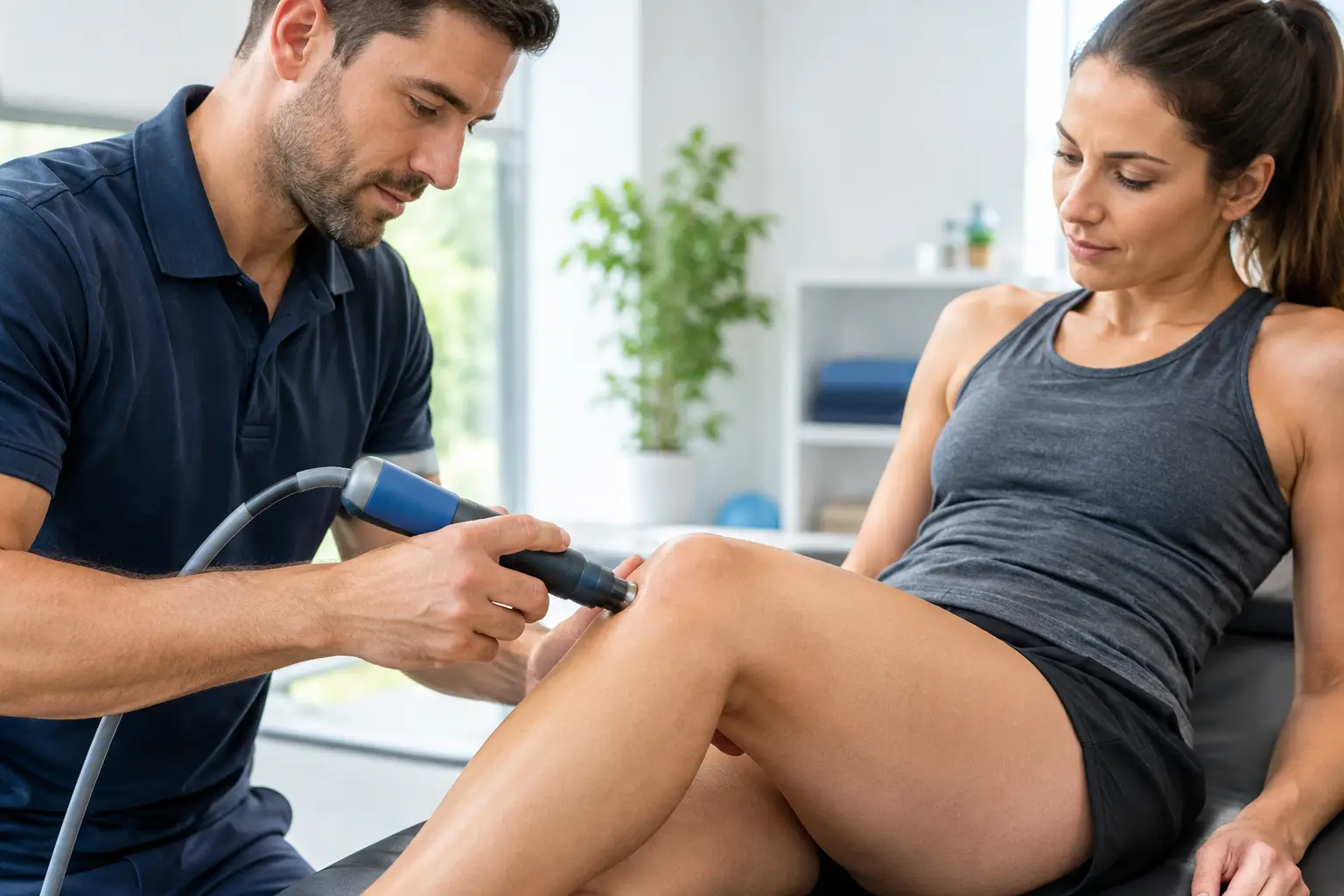
Shockwave Therapy, also known as Extracorporeal Shockwave Therapy, is a non-invasive procedure that delivers targeted acoustic waves into injured tissues. This stimulates cellular repair and provides pain relief. By boosting blood flow, reducing inflammation, and breaking down scar tissue, this approach tackles the root cause of musculoskeletal pain instead of just masking symptoms. The therapy involves a handheld device applied to the skin, transmitting pulses that trigger a cascade of healing responses at the cellular level. Key advantages include faster tissue regeneration, improved mobility, and less reliance on drugs or surgery, making Shockwave Therapy an excellent addition to chiropractic services in Cedar Park.
What Are the Key Benefits of Shockwave Therapy in Cedar Park?

- Experience rapid pain reduction and decreased inflammation within just a few sessions.
- Enjoy enhanced circulation that speeds up nutrient and oxygen delivery to injured areas.
- Stimulate collagen production, promoting strong, lasting tissue regeneration.
- Benefit from a non-invasive approach that eliminates surgical risks and associated downtime.
- Avoid long-term medication use, supporting drug-free pain management.
These benefits work together to provide lasting relief, paving the way for better function and an improved quality of life without invasive procedures.
Which Conditions Can Shockwave Therapy Effectively Treat?
The following table outlines common musculoskeletal conditions and how Shockwave Therapy aids recovery:
| Condition | Treatment Mechanism | Expected Outcome |
|---|---|---|
| Plantar Fasciitis | Acoustic pulses break down adhesions | Reduced heel pain and improved walking |
| Achilles Tendonitis | Wave-induced microtrauma encourages healing | Collagen remodeling and stronger tendon |
| Tennis Elbow | Increased vascularization promotes healing | Pain relief and restored grip strength |
| Knee Pain | Stimulated chondrocyte activity aids joint health | Enhanced joint function and mobility |
| Back Pain | Neuromodulation of pain receptors | Decreased discomfort and better posture |
| Shoulder Pain | Accelerated soft-tissue healing | Greater range of motion and less stiffness |
Each application utilizes Shockwave Therapy’s ability to promote targeted healing, making it a versatile option for both acute and chronic musculoskeletal issues.
How Does Acoustic Wave Therapy Stimulate Healing?
Acoustic Wave Therapy generates high-energy sound waves that penetrate deep into soft tissue. These pulses create controlled micro-damage, which activates the body’s natural repair processes:
- Fibroblasts are activated, leading to new collagen formation.
- Growth factors are released, accelerating blood vessel growth and tissue regeneration.
- Nerve fibers that transmit pain signals become desensitized, reducing chronic discomfort.
By combining these effects, Shockwave Therapy transforms stagnant, inflamed tissue into a healthy environment ready for healing and improved function.
Is Shockwave Therapy Right for You? Eligibility and Consultation Process
Not every patient is an ideal candidate for Shockwave Therapy. During your initial consultation at Bell District Spine and Rehab, we assess your eligibility based on:
- A diagnostic evaluation of your musculoskeletal concerns.
- A review of your medical history, including any blood-clotting disorders or pregnancy considerations.
- Imaging or motion-analysis findings to pinpoint the areas needing treatment.
- A discussion of your treatment goals and the expected course of care.
This personalized assessment ensures that Shockwave Therapy is the right fit for your condition and recovery objectives before we develop a tailored treatment plan.
What Are the Traditional Pain Management Options in Cedar Park?
Conventional approaches to pain relief range from manual adjustments to invasive procedures. Each option has its own benefits and drawbacks, often focusing on symptom management rather than long-term healing. Understanding how these treatments compare to Shockwave Therapy can help you determine the best path for lasting pain relief.
How Does Chiropractic Care Compare to Shockwave Therapy?
Chiropractic care at Bell District Spine and Rehab focuses on spinal adjustments, spinal decompression, and laser therapy to realign joints and reduce nerve irritation. While manual adjustments can quickly relieve pressure and improve mobility, they may require ongoing maintenance visits to sustain results. In contrast, Shockwave Therapy aims to regenerate tissue, offering more durable structural improvements with fewer sessions. By combining both methods, patients can benefit from immediate alignment relief and deeper healing over time.
What Role Does Physical Therapy Play in Pain Relief?
Physical therapy emphasizes rehabilitation exercises, manual soft-tissue techniques, and guided mobility training to restore function after injury. Its strengths lie in customized exercise programs that rebuild strength and flexibility. However, the pace of healing can be limited by persistent inflammation or scar tissue. When Shockwave Therapy is added to a rehabilitation plan, physical therapy sessions often become more effective, as reduced pain and improved circulation accelerate progress through targeted exercises.
What Are the Pros and Cons of Injections and Medications?
Cortisone injections and oral medications like nonsteroidal anti-inflammatories (NSAIDs) provide symptom relief by reducing inflammation or blocking pain signals. However, these interventions come with trade-offs:
| Treatment | Pros | Cons |
|---|---|---|
| Cortisone Injections | Rapid inflammation reduction | Potential tissue weakening; temporary relief |
| Oral NSAIDs | Broad-spectrum pain control | Gastrointestinal risks; systemic side effects |
| Opioid Analgesics | Strong pain suppression | Risk of dependency; sedation and tolerance |
While conventional drug therapies offer immediate comfort, they often don’t address the underlying tissue damage, leading to the need for repeated treatments and potential long-term health concerns.
When Is Surgery Considered for Chronic Pain?
Surgical intervention is considered when conservative methods fail to restore function or address severe structural issues. Procedures like joint replacements or discectomies correct mechanical problems but involve:
- Inherent surgical risks and anesthesia considerations.
- Extended recovery periods, including immobilization and rehabilitation.
- Potential for scarring and stress on surrounding tissues requiring follow-up care.
Surgery remains a last resort when non-invasive therapies cannot achieve sufficient pain relief or restore mobility.
How Do Traditional Treatments Compare to Shockwave Therapy?
Here’s a direct comparison of key attributes between Shockwave Therapy and common traditional treatments:
| Treatment | Invasiveness | Recovery Time | Long-Term Efficacy |
|---|---|---|---|
| Shockwave Therapy | Non-invasive | Minimal downtime | Promotes lasting tissue regeneration |
| Chiropractic Adjustments | Manual, non-surgical | Immediate relief; may require repeat visits | Manages symptoms without deep tissue repair |
| Cortisone Injection | Minimally invasive | 1–2 days rest | Temporary symptom suppression |
| Surgical Procedure | Invasive | Weeks to months | Structural correction but higher risk of complications |
This comparison highlights how Shockwave Therapy combines non-invasive application with regenerative outcomes, setting it apart from treatments focused solely on symptom management.
What Are the Benefits of Choosing Shockwave Therapy at Bell District Spine and Rehab?
Choosing Shockwave Therapy in Cedar Park at Bell District Spine and Rehab offers five distinct advantages that build trust, showcase expertise, and ensure personalized care:
- Non-invasive and drug-free solutions focused on addressing the root cause of pain.
- Customized treatment plans developed by experienced clinicians.
- Advanced acoustic wave equipment delivering consistent therapy parameters.
- Leadership under Dr. John Tuggle, a top chiropractor locally recognized for excellence.
- Proven community trust built through years of successful patient outcomes.
These benefits work together to support lasting pain relief and improved function, establishing Bell District Spine and Rehab as a premier provider in Cedar Park.
How Does Bell District Spine and Rehab Personalize Shockwave Therapy Plans?
Each Shockwave Therapy plan is tailored by analyzing individual factors such as the injury’s location, severity, healing response, and lifestyle demands. Our clinicians adjust:
- Wave intensity and frequency settings to match your tissue’s tolerance.
- The number of sessions and their intervals to balance optimal healing with your schedule.
- The integration of complementary therapies—like targeted stretches—to enhance regenerative effects.
This personalized approach maximizes effectiveness and ensures you receive the precise stimulus needed for accelerated recovery.
Who Is Dr. John Tuggle and What Is His Expertise?
Dr. John Tuggle leads Bell District Spine and Rehab with extensive credentials in chiropractic and musculoskeletal rehabilitation. His dedication to non-invasive, drug-free methods has earned him local recognition as a top chiropractor for seven consecutive years. Under his guidance, the clinic focuses on addressing the root causes of pain through evidence-based protocols that combine manual therapies, advanced modalities, and patient education.
What Advanced Technology Supports Effective Treatment?
Bell District Spine and Rehab utilizes state-of-the-art acoustic wave devices calibrated for consistency and precision. Key features include:
- Adjustable pulse duration and pressure controls suitable for various body areas.
- Real-time feedback sensors that monitor tissue response during treatment.
- Ergonomic applicators designed for consistent energy delivery.
This advanced technology ensures safe, reproducible treatments, reinforcing the clinic’s commitment to high-quality care.
What Do Local Patients Say? Success Stories and Testimonials
Local patients report significant improvements after Shockwave Therapy, highlighting restored mobility, reduced pain, and a swift return to activities like running, gardening, or daily chores. Anecdotal success stories emphasize how a combination of professional guidance and regenerative stimulation led to breakthroughs where traditional therapies had fallen short. Community trust grows as more individuals experience tangible, lasting results.
How Much Does Shockwave Therapy Cost in Cedar Park and Is It Covered by Insurance?
Understanding the financial aspects is important when considering Shockwave Therapy. Costs vary depending on the scope of treatment, the number of sessions needed, and your individual care plan. While this service may not be covered by all insurance plans, Bell District Spine and Rehab offers flexible payment options and transparent consultations to address your concerns.
What Factors Influence the Cost of Shockwave Therapy?
Several variables affect the overall treatment expense:
- The number of sessions required to achieve your desired outcomes.
- The areas being treated—whether it’s a single joint or multiple body parts.
- Personalized intensity levels that may require more time per session.
- The inclusion of complementary therapies or advanced diagnostic services.
By discussing these factors during your consultation, the clinic can provide a clear estimate tailored to your unique needs.
How Does Shockwave Therapy Cost Compare to Traditional Treatments?
When evaluating value, consider long-term effectiveness and indirect costs such as downtime, medication expenses, and potential surgical fees. Although the per-session cost for Shockwave Therapy might seem higher than a single injection, the regenerative benefits often reduce overall care needs and minimize the need for repeat interventions. Investing in a therapy that restores tissue integrity can be more cost-effective over time than accumulating conventional treatments.
The growing recognition of non-pharmacological approaches for chronic pain management highlights the importance of therapies like Shockwave Therapy.
Multimodal Non-Invasive Therapies for Chronic Pain: Mechanisms and Progress
1. Chronic pain conditions impose significant burdens worldwide. Pharmacological treatments like opioids have limitations. Non-invasive non-pharmacological therapies (NINPT) encompass diverse interventions including physical, psychological, complementary and alternative approaches, and other innovative techniques that provide analgesic options for chronic pain without medications.
2. This review elucidates the mechanisms of major NINPT modalities and synthesizes evidence for their clinical potential across chronic pain populations. NINPT leverages peripheral, spinal, and supraspinal mechanisms to restore normal pain processing and limit central sensitization. However, heterogeneity in treatment protocols and individual responses warrants optimization through precision medicine approaches.
3. Future adoption of NINPT requires addressing limitations in standardization and accessibility as well as synergistic combination with emerging therapies. Overall, this review highlights the promise of NINPT as a valuable complementary option ready for integration into contemporary pain medicine paradigms to improve patient care and outcomes.
4. Chronic pain conditions, such as osteoarthritis, diabetic neuropathy, and fibromyalgia, refer to a range of complex and multifaceted disorders that affect millions of individuals worldwide and impose significant burdens on society, healthcare systems, and personal well-being [1,2]. The management of chronic pain presents a major challenge for healthcare professionals and researchers, as there is no single or universally effective treatment and patients often suffer from chronic pain for a long period of time [3,4]. Furthermore, conventional treatments such as opioids and nonsteroidal anti-inflammatory drugs (NSAIDs) carry significant risks and limitations, including addiction, tolerance, dependence, gastrointestinal bleeding, renal impairment, and cardiovascular events, especially when used long term [5,6]. As a result, additional appr
Multimodal non-invasive non-pharmacological therapies for chronic pain: mechanisms and progress, 2023
What Insurance Options and Payment Plans Are Available?
Bell District Spine and Rehab works with major providers that support chiropractic and therapeutic procedures. For plans that don’t offer direct coverage for Shockwave Therapy, the clinic provides:
- Interest-free payment plans to spread costs over several months.
- Package discounts for purchasing multiple sessions at once.
- Flexible self-pay rates designed to fit various budgets.
Our financial coordinators will review all available options with you during your consultation to ensure clarity and affordability.
What Should You Expect During and After Shockwave Therapy Sessions?
Your experience and comfort during sessions are important for treatment adherence. When performed by skilled clinicians in a supportive environment, Shockwave Therapy is generally well-tolerated and easily integrated into your recovery journey.
Is Shockwave Therapy Painful or Comfortable?
Most patients describe feeling mild pressure or a tingling sensation during Shockwave Therapy, with discomfort levels easily managed by adjusting the device’s intensity. Any temporary soreness typically resolves within 24–48 hours and can be eased with ice or gentle stretching. The controlled application ensures a balance between therapeutic stimulus and comfort, allowing you to resume daily activities immediately after treatment.
How Long Do the Benefits of Shockwave Therapy Last?
Benefits often become noticeable after three to five sessions, with continued improvement over several weeks as tissue regeneration progresses. Many patients report sustained pain relief lasting six months to a year or longer, depending on the severity of their condition and lifestyle factors. Maintenance sessions can extend these positive outcomes, supporting long-term mobility and reducing symptom recurrence.
Can Shockwave Therapy Be Combined with Other Treatments?
Yes, integrating Shockwave Therapy with complementary approaches can enhance healing:
- Manual chiropractic adjustments help maintain spinal alignment and joint function.
- Targeted exercises strengthen newly regenerated tissue and improve flexibility.
- Soft-tissue techniques can alleviate residual muscle tension.
- Nutritional guidance supports overall recovery and cellular health.
This holistic approach leverages synergistic effects, creating a comprehensive rehabilitation protocol.
What Are the Potential Side Effects and Contraindications?
Side effects are minimal and temporary, including slight redness, swelling, or bruising at the treatment sites. Contraindications may include:
- Pregnancy
- Active infections or open wounds
- Severe blood-clotting disorders
- Implantable electronic devices in the treatment area
A thorough screening during your consultation ensures patient safety and optimal results.
How Does Shockwave Therapy Specifically Treat Common Conditions in Cedar Park?
Understanding the specific application for each ailment clarifies why practitioners choose Shockwave Therapy for targeted healing:
How Does Shockwave Therapy Help with Plantar Fasciitis?
Shockwave Therapy breaks down calcified adhesions in the plantar fascia, restoring tissue flexibility and relieving heel pain. By stimulating blood vessel growth and collagen synthesis, it repairs microtears and reduces inflammation, allowing patients to walk and stand comfortably again.
What Are the Effects on Tendonitis and Joint Pain?
For conditions like Achilles or rotator cuff tendonitis, the therapy’s micro-damage triggers fibroblast activation and collagen remodeling. For joint pain, acoustic waves encourage chondrocyte proliferation and synovial circulation, improving lubrication and reducing friction between joint surfaces.
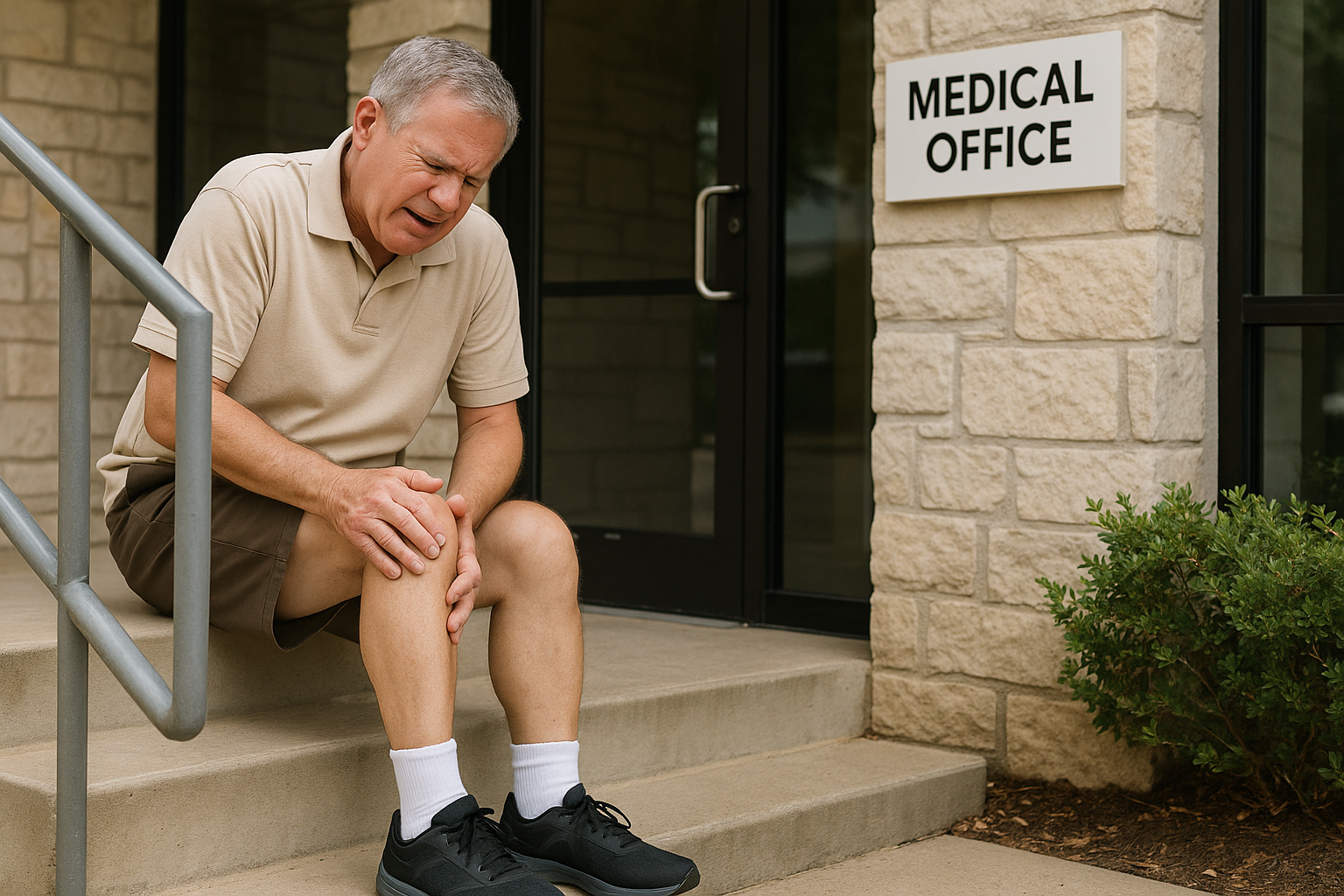
Can Shockwave Therapy Relieve Knee and Back Pain?
When applied to knee joints and the paraspinal muscles in the back, Shockwave Therapy enhances local blood flow and neuromodulation, reducing the sensitivity of pain receptors. This approach supports disc and cartilage health while alleviating nerve-related back pain, improving posture and functional strength.
How Is Shockwave Therapy Used for Sports Injuries?
Athletes benefit from accelerated healing of muscle strains, tendon microtears, and ligament sprains. Shockwave Therapy’s ability to jump-start tissue repair shortens recovery times, allowing for a safe return to training with a reduced risk of re-injury.
How Can You Schedule a Consultation for Shockwave Therapy in Cedar Park?
Bell District Spine and Rehab makes scheduling straightforward with a structured, patient-focused process designed to start your journey toward pain relief.
What Is the Consultation Process at Bell District Spine and Rehab?

- An initial intake to assess your medical history and pain patterns.
- A physical and biomechanical evaluation to identify any dysfunctions.
- A review of diagnostic information, including any imaging or prior treatment summaries.
- A collaborative discussion of your treatment goals and a customized plan.
- A financial review outlining costs, insurance options, and payment plans.
This step-by-step framework ensures clarity and confidence before you begin therapy.
How to Prepare for Your First Shockwave Therapy Appointment?
- Wear comfortable, loose-fitting clothing to allow easy access for the applicator.
- Bring any relevant medical records or imaging results with you.
- Plan for minimal downtime—most patients resume normal activities immediately.
- Communicate any questions or concerns about the procedure to your clinician.
Proper preparation enhances session efficiency and encourages patient engagement.
What Are the Next Steps After Your Consultation?
Following your initial visit, you will:
- Receive a detailed treatment schedule with the recommended session frequency.
- Schedule follow-up assessments to monitor your progress and adjust treatment parameters.
- Receive guidance for home care, including stretching routines and nutritional advice.
- Schedule subsequent appointments by calling us directly at (512) 257-2225.
These next steps ensure a continuous path toward restored mobility, reduced pain, and lasting well-being.
Restoring your function and reclaiming an active lifestyle starts with the right expertise and technology. Call Bell District Spine and Rehab at (512) 257-2225 to schedule your consultation and discover how Shockwave Therapy can transform your pain-relief journey in Cedar Park.
Frequently Asked Questions
What is the typical duration of a Shockwave Therapy session?
A typical Shockwave Therapy session lasts between 15 to 30 minutes, depending on the area being treated and the specific condition. During this time, the clinician will apply the handheld device to the targeted area, delivering acoustic waves to stimulate healing. Patients often find the sessions manageable and can return to their daily activities immediately afterward. The number of sessions required varies based on individual needs, but many patients notice improvements within a few sessions.
Are there any specific aftercare instructions following Shockwave Therapy?
After undergoing Shockwave Therapy, patients are generally advised to avoid strenuous activities for 24 to 48 hours to allow the treated area to recover. Gentle stretching and light movement can be beneficial to promote circulation. Applying ice to the treatment area can help alleviate any temporary soreness. It’s also important to stay hydrated and follow any additional recommendations provided by your clinician to maximize the benefits of the therapy.
How does Shockwave Therapy affect recovery time compared to traditional treatments?
Shockwave Therapy often leads to faster recovery times compared to traditional treatments like injections or surgery. While conventional methods may require longer periods of rest and rehabilitation, Shockwave Therapy promotes tissue regeneration and healing without significant downtime. Many patients report noticeable improvements in pain and mobility within a few sessions, allowing them to return to their normal activities more quickly than with other treatment options.
Can Shockwave Therapy be used for chronic conditions?
Yes, Shockwave Therapy is effective for various chronic conditions, including tendonitis, plantar fasciitis, and chronic back pain. Its ability to stimulate tissue regeneration and reduce inflammation makes it a suitable option for long-term pain management. Many patients with chronic conditions have found relief and improved function through this non-invasive therapy, often experiencing fewer flare-ups and a better quality of life as a result.
What should I expect during my first Shockwave Therapy consultation?
During your first consultation for Shockwave Therapy, a clinician will conduct a thorough assessment of your medical history and current condition. This includes a physical examination to identify the specific areas of pain and dysfunction. The clinician will discuss your treatment goals and explain how Shockwave Therapy can help. You will also receive information about the expected treatment plan, including the number of sessions and any associated costs.
Is Shockwave Therapy suitable for all age groups?
Shockwave Therapy is generally safe for adults of all ages, but its suitability may vary based on individual health conditions. Older adults and those with chronic pain conditions often benefit from this therapy due to its non-invasive nature. However, a thorough evaluation during the consultation will determine if it is appropriate for you, especially if there are underlying health concerns or contraindications such as pregnancy or blood-clotting disorders.
How can I track my progress during Shockwave Therapy treatment?
Tracking progress during Shockwave Therapy involves regular follow-up appointments with your clinician, who will assess improvements in pain levels, mobility, and overall function. Patients are encouraged to maintain a journal documenting their symptoms and any changes they experience throughout the treatment process. This feedback helps clinicians adjust the treatment plan as needed and ensures that the therapy is effectively addressing your specific needs.