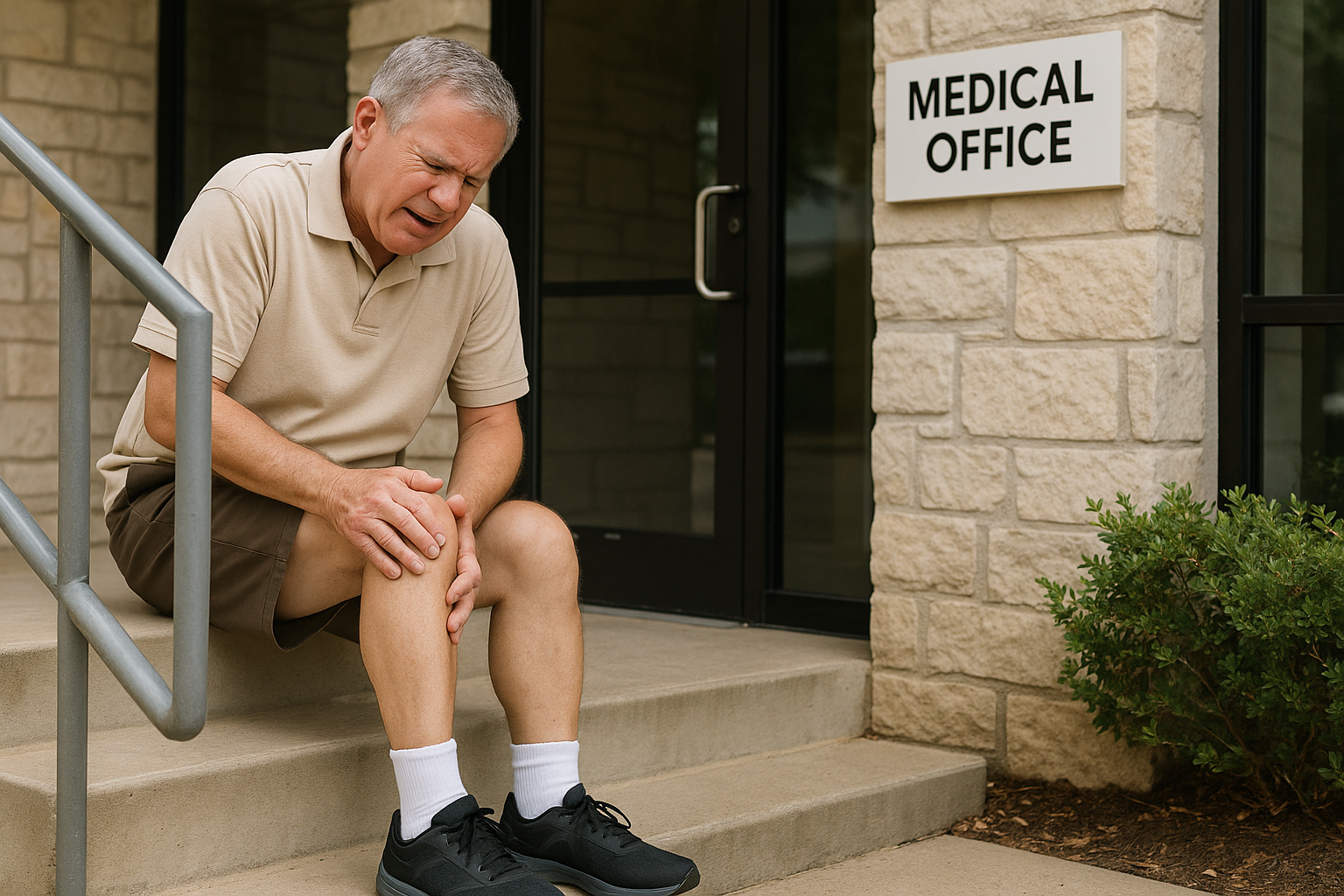

Joint pain has a way of shrinking your world. A sore knee changes how you climb stairs. A stiff shoulder makes sleep harder than it should be. Aching hips or hands can turn work, exercise, and even simple errands into a daily calculation. That is why so many people start looking for drug free treatment for joint pain – not just to feel better for a few hours, but to move with less limitation and rely less on medication.
For many patients, the real question is not whether pain relief matters. It is how to get relief without covering up the problem. If a joint hurts because of poor mechanics, tissue irritation, instability, overuse, or age-related wear, pain medication may dull symptoms, but it does not improve the way that joint functions. Effective conservative care should do more than chase inflammation. It should help the joint move better, load better, and recover better.
What causes joint pain in the first place?
Joint pain is a symptom, not a single diagnosis. In one person, it may come from osteoarthritis and cartilage wear. In another, it may be tied to an old sports injury, repetitive stress, tendinitis, bursitis, poor posture, or compensation from a spine or gait problem. Sometimes the joint itself is the main issue. Sometimes the joint is overloaded because another part of the body is not doing its job.
That distinction matters. A painful knee may be influenced by hip weakness, foot mechanics, or reduced ankle mobility. A shoulder problem may be connected to neck tension, scapular instability, or repetitive overhead activity. If treatment focuses only on where it hurts, progress can stall.
This is one reason personalized care tends to outperform one-size-fits-all advice. The right plan depends on the joint involved, how long symptoms have been present, what movements trigger pain, and whether the problem is inflammatory, mechanical, or a mix of both.
Drug free treatment for joint pain starts with the right diagnosis
The best non-invasive care begins with a careful assessment. That means looking at range of motion, strength, joint loading, movement quality, posture, tissue tenderness, and daily activity demands. It also means asking practical questions. Does the pain flare with walking, lifting, kneeling, reaching, or prolonged sitting? Is the stiffness worse in the morning, after exercise, or at the end of the day? Has the joint become weaker, less stable, or harder to trust?
Without that kind of evaluation, treatment can become guesswork. With it, a provider can build a plan around the actual drivers of pain.
At a clinic like Bell District Spine and Rehab, this often means combining hands-on care with rehabilitation and advanced therapies rather than relying on a single method. That matters because joint pain rarely responds best to just one thing, especially when symptoms have been present for months or years.
What drug free treatment for joint pain may include
A strong conservative treatment plan usually blends pain relief with functional correction. The immediate goal is to calm the irritated tissues and improve comfort. The long-term goal is to restore better movement so the joint is not repeatedly stressed in the same way.
Chiropractic and joint-focused manual care
When joint mechanics are restricted, surrounding tissues often compensate. Manual treatment and chiropractic adjustments can help restore motion in areas that are stiff and reduce strain in nearby structures. For example, improving mobility in the spine, pelvis, or extremities may reduce excess load on a painful hip, knee, or shoulder.
This is not about forcing movement into a damaged area. It is about identifying where mobility is limited and helping the body move in a more balanced way. For some patients, that produces quick relief. For others, it creates the foundation that makes rehab exercises more effective.
Soft tissue treatment and muscle work
Joint pain often involves more than the joint surface itself. Tight muscles, irritated tendons, fascial restrictions, and trigger points can all contribute to pain and altered movement. Soft tissue techniques may help decrease guarding, improve circulation, and restore more normal movement patterns.
This can be especially useful when the area feels stiff, overworked, or chronically tight. A shoulder may hurt partly because the muscles around the shoulder blade are not supporting motion well. A knee may stay irritated because the quads, calves, or IT band are overloaded. Treating those structures can reduce stress on the joint.
Corrective exercise and rehab
This is where many lasting results are built. If a joint is painful because it is weak, unstable, poorly coordinated, or moving under bad mechanics, exercise-based rehab is often essential. The right program can improve strength, control, flexibility, balance, and endurance in ways passive care alone cannot.
The key is choosing the right level of challenge. Too little loading may not create change. Too much too soon can aggravate symptoms. Good rehab meets the patient where they are, then progresses as tolerance improves.
For an active adult with knee pain, rehab may center on glute strength, quad control, and movement retraining. For an older adult with arthritic hips, it may focus on mobility, stability, and walking tolerance. For someone with shoulder pain, it may include scapular control, rotator cuff support, and gradual return to overhead activity.
Decompression and technology-assisted therapies
Some patients benefit from therapies designed to reduce pressure, improve tissue healing, or stimulate recovery. Depending on the condition, care may include knee decompression, spinal decompression, shockwave therapy, or laser therapy.
These approaches are not interchangeable, and they are not right for every case. But in the right setting, they may help reduce irritation, improve local healing response, and make movement more tolerable. That can be especially helpful when pain has been stubborn or when inflammation and tissue sensitivity are limiting progress.
Why medication is not always the best long-term answer
There is a place for medication in healthcare, and some patients do need it at certain points. But medication-first care has limitations, especially for chronic musculoskeletal pain. If the goal is simply to get through the day, temporary symptom relief may help. If the goal is long-term improvement, the plan usually needs to go further.
Pain relievers do not strengthen weak stabilizers. They do not improve balance, restore joint mechanics, or retrain movement patterns. In some cases, they can also create a false sense of readiness that leads people to overload an irritated area before it is actually prepared.
That is why many adults looking to avoid repeated medication use start seeking conservative, drug-free options. They want relief, but they also want a path toward better function.
Who benefits most from non-invasive joint pain care?
Drug-free care can be a strong option for several groups. Working professionals often want to stay productive without depending on medication throughout the day. Active adults and athletes want to return to exercise without ignoring the warning signs their body is giving them. Older adults may be dealing with degenerative changes but still want to preserve mobility and independence. Parents may simply want a more natural approach before considering more invasive measures.
That said, not every case is straightforward. Some joint pain is linked to advanced degeneration, inflammatory disease, fracture, infection, or serious structural damage. If symptoms include major swelling, significant instability, loss of function, unexplained fever, or pain after trauma, a more urgent medical workup may be necessary. Good conservative care includes knowing when to treat, when to co-manage, and when to refer.
What to expect from a personalized plan
A thoughtful plan should feel targeted, not generic. It should match your symptoms, your goals, and your tolerance. Early care may focus on reducing pain and improving basic mobility. As symptoms settle, treatment should shift toward strength, control, and resilience so the problem is less likely to keep coming back.
Progress is not always linear. Some people improve quickly. Others need a gradual approach, especially if the issue has been present for a long time or involves multiple joints and movement compensations. The important thing is that care should move in a clear direction. You should understand what is being treated, why it matters, and how each phase supports better function.
When joint pain has been affecting the way you work, sleep, exercise, or move through the day, a drug-free approach can offer more than temporary relief. It can give you a practical way to address the cause, rebuild confidence in your movement, and start doing more of what your body has been avoiding.