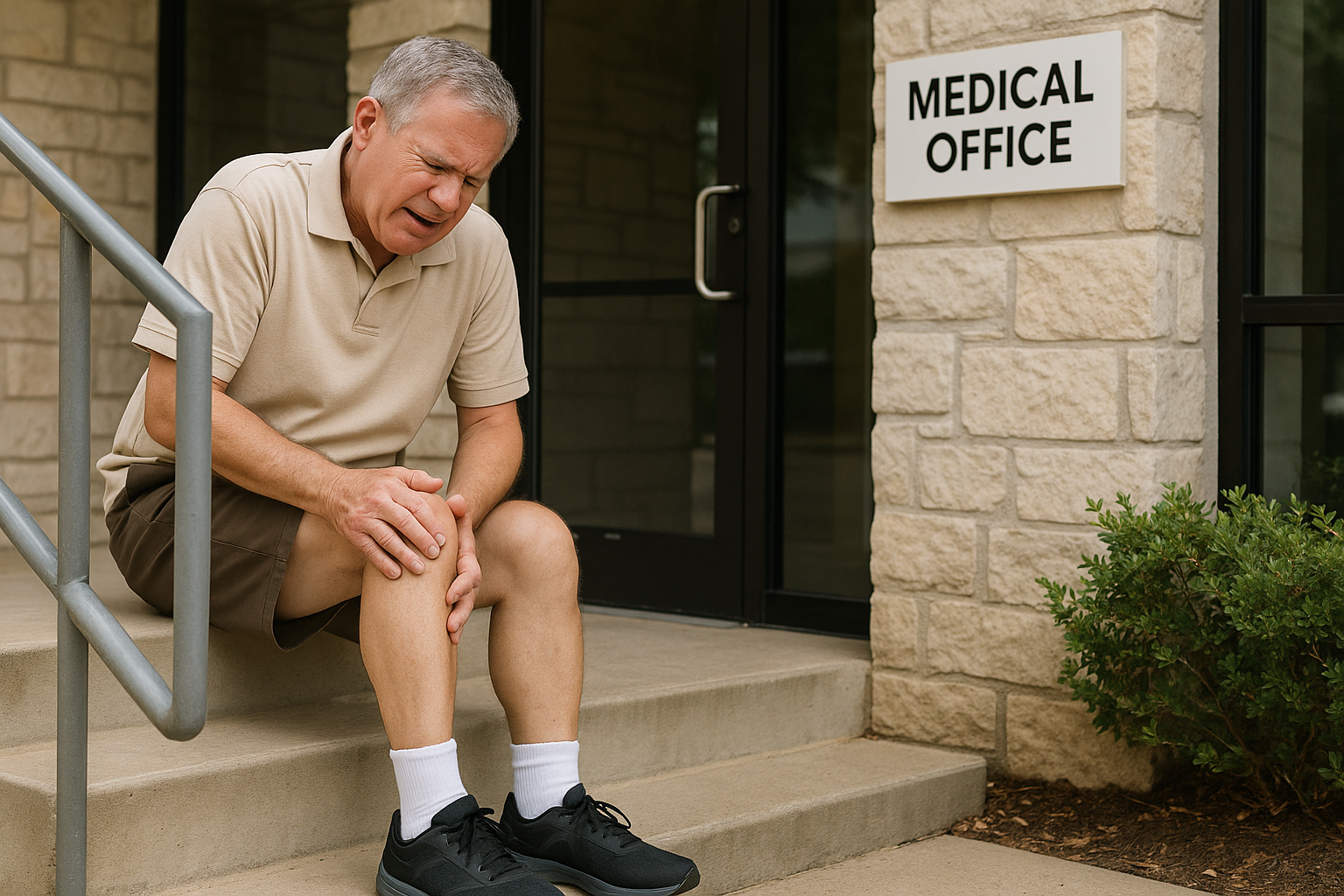
The hard part for many injured athletes is not the first few days after the setback. It is the moment the pain starts to ease and they assume they are ready to jump back in. That is where reinjury happens. The right rehab exercises after sports injury do more than help you feel better – they rebuild the control, strength, and movement quality that protect you when activity picks up again.
A good rehab plan is not just about exercising the injured area until it stops hurting. It is about restoring how the whole body moves. An ankle sprain can change balance and gait. A shoulder strain can alter how you lift, reach, and sleep. A knee injury can affect hip control and even low back mechanics. If those patterns are not addressed, pain often lingers or returns once training, work, or daily demands increase.
Why rehab exercises after sports injury matter
Rest has a place early on, especially when swelling, sharp pain, or tissue irritation are high. But too much rest for too long can create a different problem. Joints stiffen, muscles weaken, coordination drops, and confidence takes a hit. That is why active recovery is such a key part of non-invasive sports injury care.
Rehab exercises after sports injury help guide healing tissue through progressive loading. In plain terms, that means giving the body the right amount of stress at the right time. Too little load can slow recovery. Too much too soon can flare symptoms or worsen the injury. The goal is controlled progress.
This is also where personalized care matters. A runner with Achilles pain, a weekend basketball player with a sprained ankle, and a parent recovering from a shoulder injury during rec league softball do not need the same progression. Age, fitness level, injury severity, work demands, and movement habits all affect the plan.
Start with pain control and mobility
Early-stage rehab usually focuses on reducing irritation and restoring basic movement. This phase is often less dramatic than people expect. It may include gentle range-of-motion work, isometric holds, light stretching when appropriate, and low-load activation exercises that wake up muscles without overloading the joint.
For an ankle injury, that may mean ankle circles, controlled dorsiflexion work, and seated calf activation. For a knee issue, it may involve quad sets, heel slides, and carefully guided weight shifting. For shoulder injuries, pendulum movements and scapular control drills are often useful before heavier strengthening begins.
The key is that pain should guide the dosage, not control the whole plan. Mild discomfort during rehab is sometimes acceptable. Sharp pain, increasing swelling, limping, or next-day flare-ups usually mean the progression is too aggressive. That line can be hard to judge on your own, which is why many patients benefit from clinical oversight.
Build strength, not just tolerance
Once pain is more manageable and mobility improves, strength work becomes more important. This is where many people rush. They test the injured area with harder workouts before building the foundation underneath it.
True rehab strength is not always the same as gym strength. It starts with the muscles that stabilize and control movement. After a knee injury, for example, strengthening the glutes and hips is often just as important as training the quads. After a shoulder injury, the rotator cuff and scapular stabilizers matter as much as the larger pressing muscles.
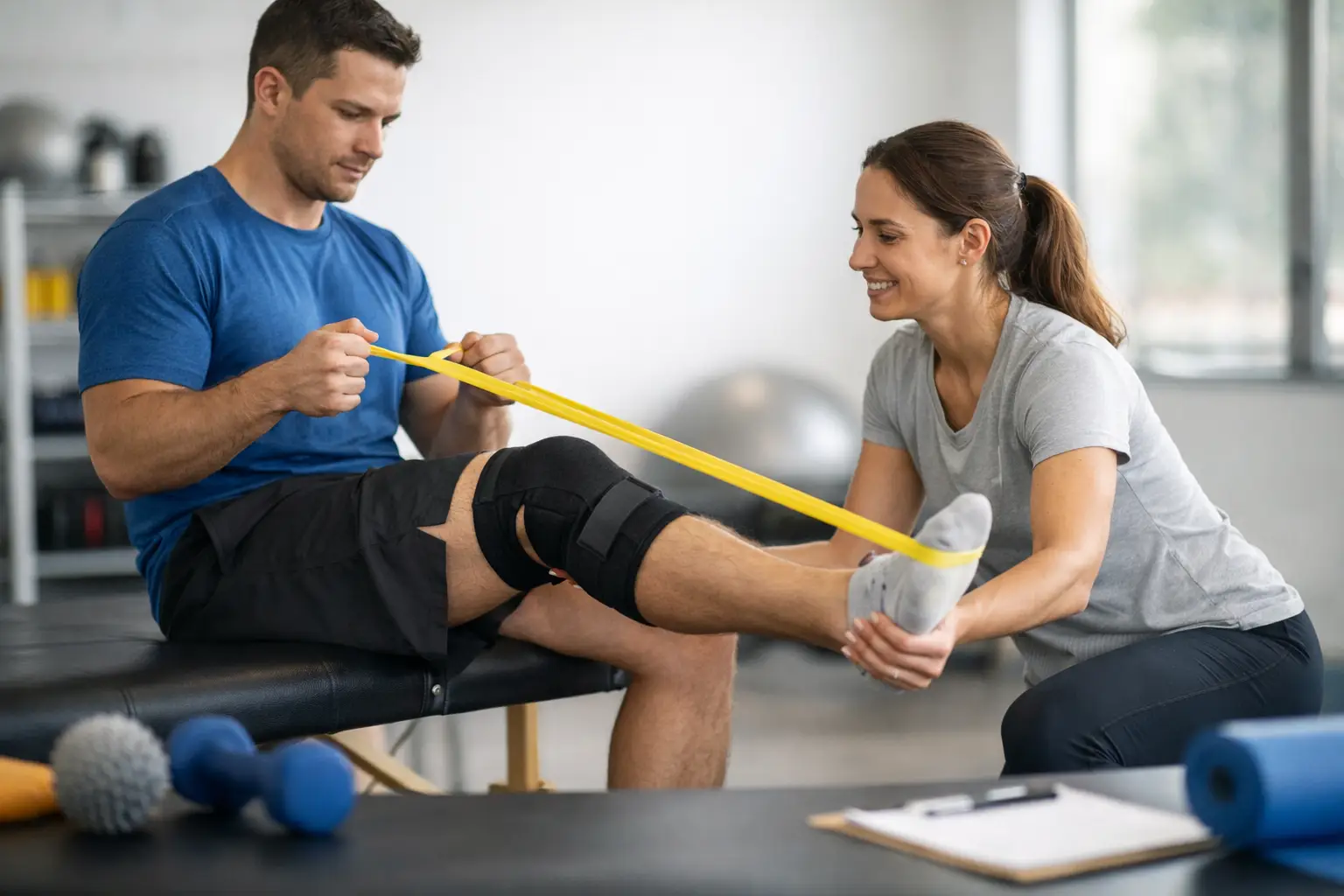
A smart progression usually moves from supported, slower, and more controlled exercises toward more demanding patterns. Bodyweight sit-to-stands can progress to split squats. Basic calf raises can progress to single-leg work. Band-resisted shoulder rotation can progress to loaded pressing and pulling if movement quality stays solid.
This stage is where patience pays off. If strength returns unevenly, the body will find shortcuts. Those shortcuts may get you through the workout, but they often put stress somewhere else.
Do not skip balance and coordination work
One of the most overlooked parts of rehab is proprioception, or the body’s awareness of position and movement. After many sports injuries, especially ankle, knee, and shoulder injuries, this awareness gets disrupted. You may feel mostly pain-free and still have poor control when you cut, land, pivot, or react quickly.
That is why balance and coordination drills matter. Single-leg standing, controlled step-downs, unstable surface progressions, and direction-change drills all help retrain the nervous system. For upper-body injuries, closed-chain stability work and reaction-based movement can be just as important.
This kind of training often looks simple, but it has a direct impact on return-to-sport readiness. If you cannot control your body at low speed and low complexity, it is risky to expect control under fatigue or competition pressure.
Rehab exercises after sports injury should match the sport
General exercise is helpful, but sports rehab should eventually become specific. A tennis player needs different demands than a golfer. A soccer player needs different movement prep than a swimmer. Even two people with the same diagnosis may need very different return-to-activity plans depending on what they are trying to get back to.
That means rehab should gradually include the movement patterns, speeds, and loads your sport requires. Lower-body injuries may need progression into jumping, landing, acceleration, and deceleration. Upper-body injuries may need throwing mechanics, overhead control, or rotational force production. If your rehab stops at table exercises and resistance bands, it may not be enough to prepare you for real activity.
This is where movement analysis becomes valuable. Watching how a person squats, walks, runs, rotates, or changes direction can reveal why the injury happened and what still needs work. Sometimes the issue is not just the injured tissue. It is a mobility restriction, strength imbalance, or compensation pattern elsewhere in the chain.
What people often get wrong
The biggest mistake is using pain as the only benchmark. Feeling better does not always mean the body is ready. A second common mistake is copying online rehab routines without considering the actual diagnosis or stage of healing. Exercises that help one person can aggravate another.
Another issue is doing too much on good days and too little on bad ones. Recovery is rarely a straight line. Symptoms can fluctuate, especially as activity increases. Progress should be measured by trends over time, not by one great workout or one frustrating flare-up.
It is also common to focus only on the injury site. A hamstring strain, for example, may involve glute weakness, pelvic control issues, or poor sprint mechanics. Treating only the sore spot may leave the real driver untouched.
When hands-on care and rehab work better together
Exercise is essential, but sometimes pain, stiffness, or guarding make it hard to move well enough to exercise effectively. That is where a combined approach can make a difference. Chiropractic care, soft tissue treatment, shockwave therapy, laser therapy, dry needling, and other non-invasive options may help reduce pain and improve tissue function so rehab can progress more comfortably.
At Bell District Spine and Rehab, this integrated model is often what helps patients move from short-term relief to lasting recovery. Instead of separating pain treatment from movement restoration, the goal is to address both at the same time. For many active adults, that means better tolerance for exercise, better mechanics, and a safer path back to normal activity.
Signs you may need a guided rehab plan
Some injuries recover well with simple home care, but there are times when professional guidance is the smarter move. If swelling persists, range of motion is limited, you feel unstable, strength has not returned, or you keep reinjuring the same area, it is worth getting evaluated. The same is true if pain changes how you walk, sleep, work, or train.
You do not need to be a competitive athlete to benefit from sports injury rehab. Many adults in Cedar Park, Leander, Round Rock, and nearby areas get hurt in recreational leagues, gym workouts, weekend runs, or active jobs. The body still needs a structured recovery plan, even if the goal is simply to exercise without fear or get through the workday comfortably.
Returning to activity the right way
The final phase of rehab is often where people get impatient. They want a clear green light, but recovery is usually better handled as a progression than a single moment. A safe return often means gradually increasing duration, intensity, and complexity while watching how the body responds over the next 24 hours.
That may mean shorter runs before full mileage, lighter practice before full-speed drills, or modified lifting before max effort. The goal is not to avoid all discomfort forever. It is to build resilience without triggering setbacks.
A strong rehab program should leave you with more than symptom relief. It should improve the way you move, load, and recover so the same injury is less likely to interrupt your life again. That is the real value of rehab exercises after sports injury – not just getting back, but getting back with a body that is better prepared for what comes next.