
Improve Mobility and Reduce Pain with Dry Needling Near Me
You know that specific, nagging pain deep in your muscle that just won’t go away? You’ve tried foam rolling, deep tissue massage, and stretching, but that tight knot remains stubborn. It restricts how you move, nags you while you sit at your desk, and perhaps even keeps you up at night.
If this sounds familiar, you might be dealing with a trigger point—a tight band of skeletal muscle located within a larger muscle group. While traditional therapies can help, sometimes you need a more direct approach to release that tension.
This is where dry needling comes in. It is a highly effective treatment option gaining popularity for its ability to target the source of pain precisely. If you have been searching for “dry needling near me” to address chronic stiffness or acute injury, understanding how this therapy works is the first step toward relief. At Bell District Spine and Rehab, we utilize this technique alongside chiropractic care to help patients get back to doing what they love.
What is Dry Needling?
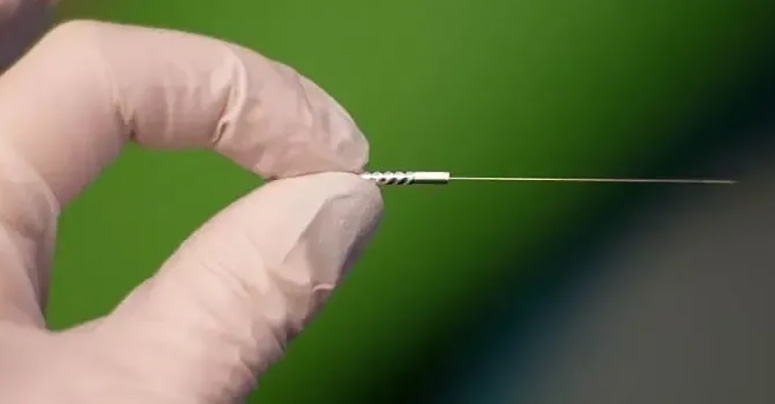
Dry needling is a therapeutic technique used by physical therapists, chiropractors, and medical doctors to treat pain and movement impairments. The technique uses a “dry” needle, meaning one without medication or injection, which is inserted through the skin into areas of the muscle.
The primary goal is to target myofascial trigger points. These are hyper-irritable spots in skeletal muscle that are associated with a hypersensitive palpable nodule in a taut band. When a needle is inserted into these points, it helps to release the knot and relieve muscle pain or spasms.
Dry Needling vs. Acupuncture: What’s the Difference?
It is a common misconception that dry needling and acupuncture are the same things. While both use thin, stainless steel filiform needles, the similarities largely end there.
- Acupuncture is based on Traditional Chinese Medicine (TCM). Its goal is to alter the flow of energy (Qi) along traditional meridians in the body for the treatment of diseases.
- Dry Needling is strictly based on Western medicine principles and research. It focuses on anatomy, neurophysiology, and biomechanics to treat specific musculoskeletal conditions.
How Dry Needling Works
To understand why this treatment is effective, we have to look at what happens inside the muscle during the procedure. When a muscle is overused or injured, it can enter an energy crisis. The muscle fibers contract and get stuck, cutting off their own blood supply. This lack of oxygen causes the buildup of acidic chemicals, which sensitizes the nerves and causes pain.
The Mechanical Response
When a practitioner inserts a needle into this taut band of muscle, it often elicits a “local twitch response.” This is a spinal cord reflex that causes the muscle fibers to contract involuntarily and then relax. This twitch is a good sign. It signals that the needle has effectively disrupted the dysfunctional motor endplate activity.
The Physiological Reset
The insertion of the needle creates a tiny, controlled lesion in the tissue. This prompts the body to initiate a healing response. Blood flow increases to the area, flushing out the acidic chemical buildup and delivering fresh oxygen and nutrients. This process helps to:
- Decrease muscle contraction.
- Reduce chemical irritation.
- Improve flexibility.
- Decrease pain.
Essentially, dry needling hits the reset button on your muscle, breaking the cycle of pain and tightness that manual massage often cannot reach.
The Benefits of Dry Needling
Patients often report immediate improvements after a session, though the full benefits are usually realized over a course of treatment.
Significant Pain Reduction
The most immediate benefit is pain relief. By deactivating trigger points, the source of local and referred pain is eliminated. This allows the nervous system to calm down, reducing the overall sensation of pain.
Improved Mobility and Range of Motion
Tight muscles act like a brake on your body’s movement. If your calf muscles are knotted, your ankle mobility suffers. If your traps are tight, you can’t turn your head. By releasing these distinct points of tension, dry needling restores the muscle’s normal length and function, allowing you to move through your full range of motion.
Accelerated Recovery
For athletes or active individuals, recovery is key. Dry needling speeds up the healing process by increasing circulation to injured tissues. It helps resolve tissue adhesions and scar tissue, making it a valuable tool for post-injury rehabilitation.
Conditions Treated with Dry Needling
Because muscles are the primary target, this therapy is versatile. It can treat a wide array of musculoskeletal issues across the entire body.
Head and Neck Pain
- Tension Headaches & Migraines: Trigger points in the neck and shoulders often refer pain up into the head. Treating these muscles can significantly reduce headache frequency and intensity.
- Whiplash: Following an auto accident, deep neck muscles often tighten protectively. Dry needling can help relax these deep layers.
- Temporomandibular Joint (TMJ) Dysfunction: Jaw pain often stems from tight masseter or pterygoid muscles, which are accessible via needling.
Upper Body and Back
- Rotator Cuff Issues: Shoulder impingement and tendonitis often involve tight shoulder muscles affecting joint mechanics.
- Tennis/Golfer’s Elbow: These overuse injuries respond well to increased blood flow and tension release in the forearm muscles.
- Low Back Pain: This is one of the most common reasons patients seek treatment. Needling the lumbar paraspinals and glutes can provide profound relief.
Lower Body
- Sciatica: Often, what feels like nerve pain is actually “piriformis syndrome,” where a tight muscle in the glute compresses the sciatic nerve. Releasing the piriformis can alleviate the symptoms.
- Knee Pain: Iliotibial (IT) Band Syndrome and patellofemoral pain are frequently caused by muscle imbalances in the thigh and hip.

What to Expect During a Dry Needling Session
If you have never had dry needling before, it is natural to feel a bit apprehensive. Knowing what to expect can help ease those nerves.
The Consultation
Your visit will always begin with a thorough assessment. At Bell District Spine and Rehab, we don’t just chase the pain; we look for the cause. We will evaluate your movement patterns, range of motion, and strength to identify which muscles are contributing to your issue.
The Procedure
You will lie down in a comfortable position that allows access to the target muscles. The practitioner will sanitize the skin and locate the trigger point by touch.
- Insertion: You may not feel the needle penetrate the skin at all, as the needles are incredibly thin.
- The Twitch: When the needle hits the trigger point, you may feel a deep ache or a sudden twitch. This sensation is brief.
- Duration: The needle may be left in place for a few minutes or moved gently to elicit further responses.
Post-Treatment Sensation
Soreness after the session is common. It typically feels like you’ve had an intense workout at the gym. This muscle soreness usually fades within 24 to 48 hours. We recommend staying hydrated, keeping the body moving with gentle stretching, and applying heat if necessary to manage any post-treatment discomfort.
Why Choose Bell District Spine and Rehab?
When it comes to your health, the “who” matters just as much as the “what.” At Bell District Spine and Rehab, we view dry needling not as a standalone miracle cure, but as a powerful component of a comprehensive recovery plan.
A Personalized Approach
We understand that no two bodies are the same. Your back pain might stem from how you sit at work, while another patient’s pain might come from how they lift weights. Our treatment plans are tailored specifically to your lifestyle and goals.
Integrated Care
We believe in integrating therapies for the best results. Dry needling resets the muscle, but chiropractic adjustments restore joint alignment, and rehabilitative exercises strengthen the body to prevent the pain from returning. By combining these modalities, we ensure that you don’t just get better—you stay better.
Experienced Practitioners
Safety and efficacy depend on the skill of the provider. Our team is highly trained in advanced dry needling techniques and anatomy, ensuring that every treatment is performed with the utmost precision and care.
Finding Dry Needling Near Me
If you are looking to improve your mobility and reduce pain, searching for a provider is your next step. However, not all clinics are created equal. When typing “dry needling service near me” into your search bar, keep the following criteria in mind to ensure you find a qualified professional:
- Check Credentials: Ensure the provider is licensed and has specific certification in dry needling. This is a specialized skill that requires postgraduate training.
- Look for Experience: Ask how long the practitioner has been using the modality and if they have experience treating your specific condition.
- Read Reviews: Patient testimonials can give you insight into the clinic’s atmosphere and the effectiveness of their treatments. Look for mentions of the specific problems you are facing.
- Ask About the Approach: Does the clinic offer a holistic approach? A provider who only sticks a needle in and sends you on your way is likely missing the bigger picture. Look for a clinic that incorporates movement assessment and rehab exercises.
For residents in our local area, Bell District Spine and Rehab checks all these boxes. We are dedicated to providing the highest standard of care to help our community live pain-free.

Take the Next Step Toward Pain-Free Living
Living with chronic tightness and pain limits your life. It stops you from playing with your kids, hitting a new PR in the gym, or simply getting a good night’s sleep. But you don’t have to accept muscle pain as your new normal.
Dry needling offers a targeted, effective way to release tension and restore function. If you are ready to address the root cause of your pain, we are here to help. Contact Bell District Spine and Rehab today to schedule your consultation and find out if dry needling is the right solution for you.
Bell District Spine and Rehab
https://maps.app.goo.gl/2wpTDPRtQbQuzcEZ8
930 S Bell Blvd STE 103, Cedar Park, TX 78613
(512) 960-1650
https://belldistrictspineandrehab.com/