
How Long Does It Take to See Results from Knee Decompression?
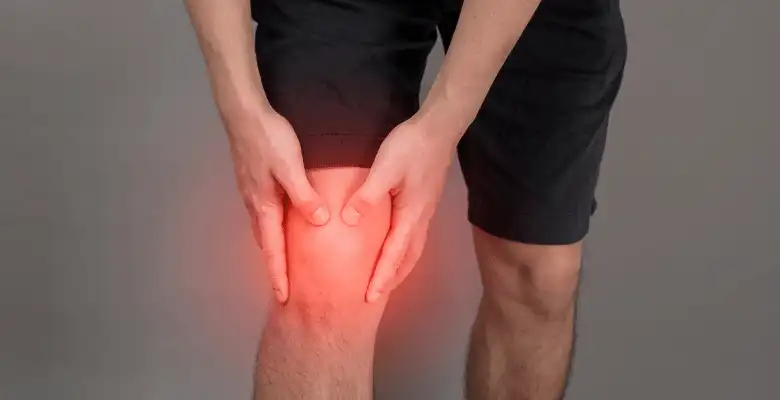
Knee decompression therapy typically shows initial results within 2-4 weeks, with significant improvements occurring after 6-12 treatment sessions. Most patients experience meaningful pain reduction and increased mobility within the first month of consistent treatment.
The timeline for knee decompression results depends on several factors including your specific condition, severity of symptoms, and how your body responds to treatment. Understanding what to expect can help you stay motivated throughout your recovery journey.
What Is Knee Decompression Therapy?
Knee decompression therapy is a non-surgical treatment that uses gentle traction to reduce pressure within the knee joint. This process creates negative pressure, which helps:
- Increase joint space between bones
- Improve blood flow to damaged tissues
- Reduce inflammation around the joint
- Promote natural healing of cartilage and soft tissues
The treatment works by slowly stretching the knee joint, allowing compressed structures to decompress and heal naturally. This approach targets the root cause of pain rather than just masking symptoms.
Timeline for Knee Decompression Results
Week 1-2: Initial Response
During your first few sessions, you might notice:
- Slight reduction in stiffness
- Improved range of motion during treatment
- Temporary relief that may last a few hours
Some patients feel immediate relief, while others need more time. Don’t worry if you don’t see dramatic changes right away—this is completely normal.
Week 3-4: Early Improvements
Most patients start experiencing:
- Reduced morning stiffness
- Better mobility throughout the day
- Decreased pain levels during daily activities
- Improved sleep quality due to less nighttime discomfort
This is when many people start believing the treatment is working.
Week 6-8: Significant Progress
By this point, you should notice:
- Substantial pain reduction (often 40-60% improvement)
- Increased walking distance without discomfort
- Better ability to climb stairs
- Return to some previously avoided activities
Week 12+: Long-term Benefits
Full treatment courses often result in:
- 70-80% pain reduction for many patients
- Sustained improvements in joint function
- Enhanced quality of life
- Reduced need for pain medications
Factors That Affect Your Recovery Timeline
Condition Severity
Mild osteoarthritis
Results often appear within 2-3 weeks
Moderate joint degeneration
May take 4-6 weeks for noticeable improvement
Advanced arthritis
Could require 8-12 weeks for significant benefits
Age and Overall Health
Younger patients with good overall health typically respond faster than older adults with multiple health conditions. However, age alone doesn’t determine success—we’ve seen excellent results in patients across all age groups.
Treatment Consistency
Regular sessions produce better results than sporadic treatments. Missing appointments can delay your progress and reduce the therapy’s effectiveness.
Lifestyle Factors
- Regular exercise speeds recovery
- Healthy diet supports tissue healing
- Adequate sleep improves treatment response
- Stress management helps reduce inflammation
What to Expect During Treatment
Session Frequency
Most treatment plans include:
- 3-5 sessions per week initially
- 2-3 sessions per week as you improve
- Maintenance sessions as needed
Treatment Duration
Each session typically lasts 20-30 minutes. The gentle nature of the therapy allows you to relax during treatment.
Immediate After-Effects
Following each session, you might experience:
- Temporary soreness (this is normal)
- Increased flexibility
- Mild fatigue as your body heals
Signs Your Treatment Is Working
Watch for these positive indicators:
Pain Improvements
- Reduced intensity of knee pain
- Shorter duration of pain episodes
- Less pain medication needed
Functional Gains
- Easier movement when getting up from chairs
- Improved walking distance and speed
- Better balance and stability
Quality of Life Changes
- Better sleep due to less pain
- Increased activity levels
- Improved mood and energy
Maximizing Your Results
Follow Your Treatment Plan
Consistency is key to success. Attend all scheduled appointments and follow your provider’s recommendations.
Stay Active
Gentle exercises between sessions help maintain the benefits of decompression therapy. Your provider will recommend specific activities.
Maintain Proper Nutrition
A balanced diet rich in anti-inflammatory foods supports the healing process. Focus on:
- Omega-3 fatty acids
- Leafy green vegetables
- Lean proteins
- Whole grains
Manage Your Weight
Excess weight puts additional stress on knee joints. Even a modest weight reduction can significantly improve treatment outcomes.
When to Expect Full Recovery
Complete recovery timelines vary, but most patients achieve their maximum improvement within:
- 8-12 weeks for mild to moderate conditions
- 12-16 weeks for more severe cases
- 16-20 weeks for complex or chronic conditions
Remember, “full recovery” doesn’t always mean complete elimination of symptoms. The goal is significant improvement that allows you to return to activities you enjoy.
What If Results Are Slower Than Expected?
Don’t get discouraged if your progress seems slower than average. Several factors can influence your timeline:
Treatment Adjustments
Your provider might modify:
- Session frequency
- Treatment intensity
- Combined therapies
Additional Interventions
Sometimes combining knee decompression with other treatments accelerates results:
- Physical therapy exercises
- Laser therapy
- Shockwave therapy
- Manual adjustments
Ready to Start Your Knee Decompression Journey?
Knee decompression therapy offers hope for those suffering from chronic knee pain and mobility issues. While results vary, most patients experience significant improvement within 4-8 weeks of consistent treatment.
At Bell District Spine and Rehab, we specialize in knee decompression therapy using state-of-the-art equipment and personalized treatment plans. Dr. John Tuggle and our experienced team have helped hundreds of patients in Cedar Park and surrounding areas find relief from knee pain without surgery or medications.
We understand that every patient’s journey is unique. That’s why we create customized treatment plans based on your specific condition, goals, and lifestyle. Our comprehensive approach combines knee decompression with complementary therapies to maximize your results.
Located conveniently at 930 South Bell Blvd, Suite 103 in Cedar Park, we serve patients from Leander, Jonestown, Austin, Lago Vista, and Round Rock. We accept most insurance plans and Medicare, making quality care accessible to everyone.
Ready to take the first step toward pain-free knees? Call us today
at (512) 257-2225 to schedule your complimentary consultation. During this initial visit, we'll evaluate your condition, discuss your treatment options, and create a personalized plan to help you achieve your recovery goals.
Don’t let knee pain control your life any longer. Contact Bell District Spine and Rehab today and discover how knee decompression therapy can help you get back to the activities you love.
May I invite you to join us for a
Complimentary Consultation?

I’m Dr. John Tuggle, my team and I are dedicated to helping you get out of pain and get you back to feeling great again.
Call us and tell us about your health issues and set up a consultation to discuss the treatment that will best get you back to optimum health.”
Dr. John Tuggle, D.C.
Have Questions?
Ask The Doctor