What Is Dry Needling? A Beginner’s Guide to Pain Relief
Chronic pain can be an exhausting companion. Whether it’s a stiff neck from long hours at a desk, a nagging back injury that won’t heal, or recurring headaches, the search for relief often feels like a full-time job. Many people cycle through medications, stretching routines, and heat packs, only to find the relief is temporary at best.
When traditional methods fall short, it might be time to explore alternative therapies. One treatment gaining significant traction in the physical therapy and chiropractic world is dry needling. While the name might sound intense, this technique offers a pathway to relief for many who haven’t found success elsewhere.
At Bell District Spine and Rehab, we see firsthand how chronic pain impacts daily life. We also see the profound difference that targeted therapies like dry needling can make. If you are curious about how thin needles can lead to big relief, this guide is for you.
Understanding Dry Needling
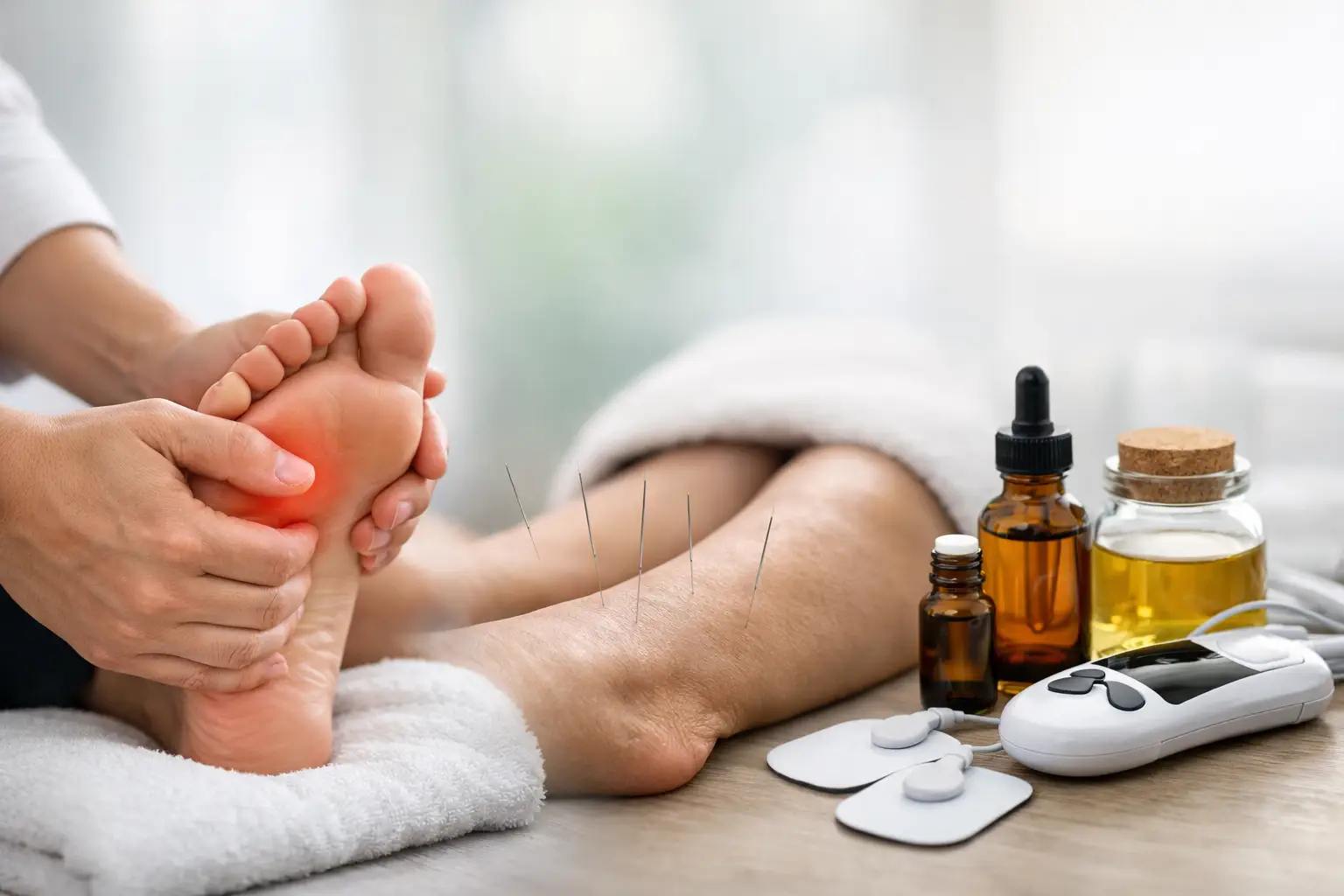
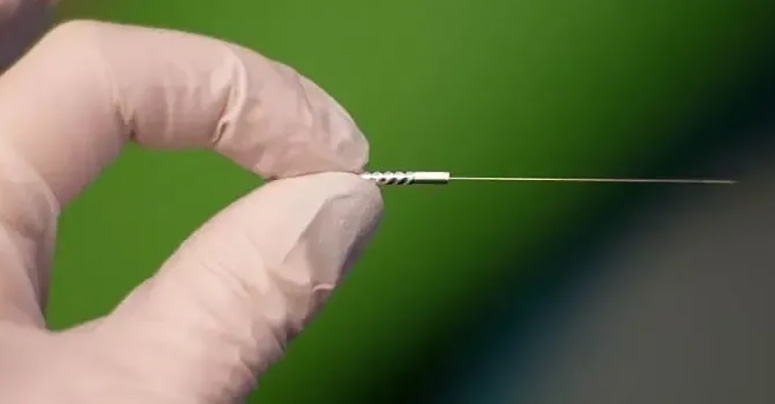
Dry needling is a therapeutic technique used to treat muscular pain and movement impairments. It involves inserting thin, sterile filiform needles into the skin and muscle directly at a myofascial trigger point.
A “trigger point” consists of multiple contraction knots, which are related to the production and maintenance of the pain cycle. These are the spots you might describe as “knots” in your back or shoulders—tight bands of muscle that are tender to the touch and can cause pain to radiate to other parts of the body.
The term “dry” distinguishes this technique from “wet” needling, which involves the injection of a fluid, such as lidocaine or corticosteroids, into the body. In dry needling, no medication is used. The needle itself is the tool that facilitates the change in the muscle tissue.
Dry Needling vs. Acupuncture: What’s the Difference?
To the untrained eye, dry needling looks identical to acupuncture. Both use thin, stainless steel needles. However, the philosophy and intended outcome are quite different.
Acupuncture is based on Traditional Chinese Medicine (TCM). It focuses on altering the flow of energy (Qi) along traditional meridians in the body to treat systemic issues and restore balance.
Dry needling, on the other hand, is rooted in Western medicine and modern anatomy. It relies on the evaluation of pain patterns, posture, movement impairments, and orthopedic tests. The goal isn’t to balance energy, but to release muscle tension, decrease pain, and improve function.
The Science: How It Works
So, how does poking a muscle with a needle help it relax? It seems counterintuitive, but the physiological response is fascinating.
When a muscle is overused or injured, it can enter a state of constant contraction. This reduces blood flow to the area, causing a buildup of acidic chemicals and waste products, which sensitizes the nerves and causes pain. This is the formation of a trigger point.
When a practitioner inserts a needle into this trigger point, it elicits a “local twitch response.” This is a quick reflex contraction of the muscle fibers. This twitch is actually a good sign—it indicates that the needle has hit the right spot.
The insertion of the needle causes a micro-lesion that triggers the body’s healing mechanisms. It helps to:
- Normalize chemical environments: The twitch response helps flush out the acidic chemicals that were irritating the nerves.
- Reset the muscle: The needle disrupts the dysfunctional motor endplates (where the nerve communicates with the muscle), essentially telling the muscle to stop contracting and relax.
- Gate Control Theory: The sensation of the needle stimulates nerve fibers that can override the pain signals being sent to the brain, providing immediate pain reduction.
Conditions Treated with Dry Needling
Because dry needling targets the muscular and nervous systems, it is effective for a wide range of musculoskeletal issues. It is rarely a standalone cure-all, but when combined with chiropractic adjustments and rehab exercises, it is highly effective for the following conditions:
Neck and Back Pain
This is the most common reason patients seek help. Whether it is “tech neck” from staring at screens or chronic lower back stiffness, dry needling can release the deep paraspinal muscles that massage therapists often cannot reach.
Headaches and Migraines
Many headaches are actually cervicogenic or tension-type headaches, meaning they originate from tight muscles in the neck and shoulders. Releasing trigger points in the upper trapezius and suboccipital muscles can significantly reduce the frequency and intensity of headaches.
Sciatica
Sciatic nerve pain is often caused by compression from the piriformis muscle in the glutes. Needling the piriformis can relax the muscle, taking pressure off the nerve and relieving the shooting pain down the leg.
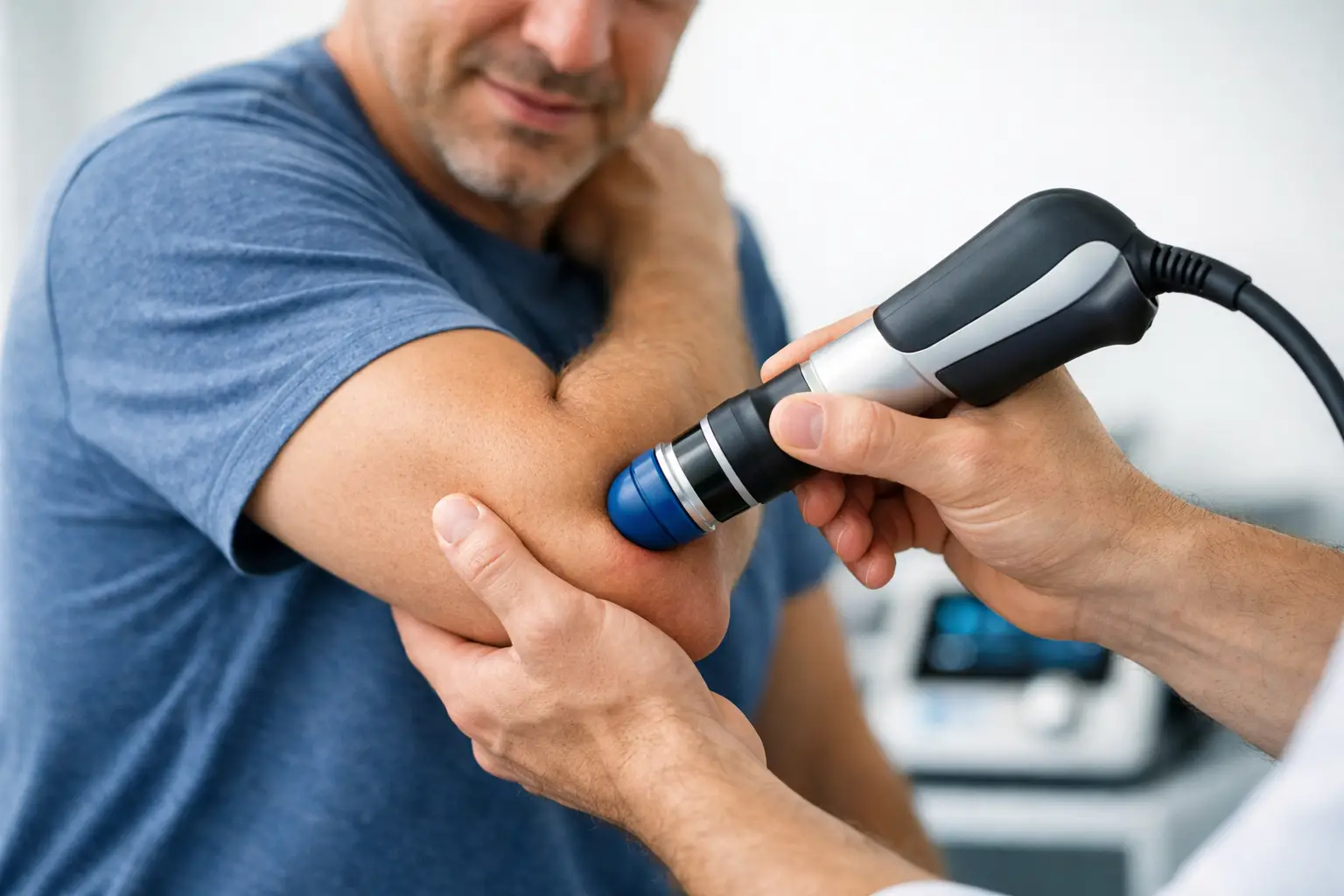
Tendonitis (Tennis/Golfer’s Elbow)
Overuse injuries in the elbows and knees respond well to needling. By treating the muscles attached to the inflamed tendons, tension on the joint is reduced, allowing the tendon to heal.
Plantar Fasciitis
Foot pain is notoriously difficult to treat. Dry needling can be applied to the calf muscles and the muscles of the foot to relieve tension on the plantar fascia.
TMJ Dysfunction
Jaw pain and clicking are often the result of tight jaw muscles (the masseter and temporalis). Careful needling in this area can provide relief for jaw clenchers and teeth grinders.

What to Expect During a Session
If you have never had dry needling before, it is normal to feel a mix of curiosity and apprehension. Knowing what happens during an appointment at Bell District Spine and Rehab can help put your mind at ease.
The Assessment
Your provider will never just start needling. The session begins with a physical exam to identify the specific muscles contributing to your pain. The practitioner will palpate (feel) the area to locate the taut bands or trigger points.
The Insertion
The needles used are incredibly thin—much thinner than a hypodermic needle used for a flu shot or blood draw. Most patients feel a small tap or a pinprick as the needle penetrates the skin, but many feel nothing at all during insertion.
The Treatment
Once the needle reaches the trigger point, you might feel a deep ache, a cramping sensation, or the “twitch” mentioned earlier. This sensation is a good sign; it means the needle has hit the source of the dysfunction. The practitioner may manipulate the needle gently to elicit this response. The needle may remain in place for a few seconds to several minutes, depending on the technique used.
The Aftermath
After the session, the area might feel sore, similar to how you feel after an intense workout at the gym. This muscle soreness typically fades within 24 to 48 hours. Bruising is possible but relatively uncommon. Your provider will likely recommend staying hydrated and keeping the body moving gently to aid the recovery process.
The Major Benefits of Dry Needling
Why choose dry needling service over a massage or stretching? While those are beneficial, dry needling offers specific advantages:
Precision
Dry needling excels in targeting deep muscles that are otherwise hard to reach with hands during massage or stretching. The fine needles penetrate directly into these tight or knotted areas, breaking up muscle tension at its source. This precision allows for a more focused and effective treatment of chronic pain and dysfunction.
Speed
One of the most notable benefits of dry needling is the speed at which patients experience relief. Many report an immediate improvement in their range of motion once the needle is removed. This rapid response makes it a valuable option for individuals seeking quick results and faster recovery.
Restoration of Function
Dry needling doesn’t just alleviate pain—it restores the muscle’s ability to function properly. By “resetting” the muscle fibers, this treatment helps muscles regain their full capacity to contract and lengthen naturally. This improvement lays the foundation for stronger, more efficient movement patterns and long-term relief.
Reduced Reliance on Medication
For individuals battling chronic pain, dry needling often provides substantial relief, reducing or even eliminating the need for medications such as painkillers and anti-inflammatories. This drug-free approach not only minimizes side effects but also supports a more sustainable, long-term solution to managing musculoskeletal issues.
Dry Needling at Bell District Spine and Rehab
At Bell District Spine and Rehab, we view the body as an interconnected system. Pain in your knee might be coming from your hip; headaches might be coming from your shoulder. This is why we don’t just treat symptoms—we treat the source.
We incorporate dry needling as part of a comprehensive chiropractic care plan. While the needle releases the soft tissue tension, chiropractic adjustments align the joints and spine. When you combine these therapies, you address both the hardware (bones/joints) and the software (muscles/nerves) of your body.
Our team is highly trained in advanced needling techniques and safety protocols. We understand that every patient has a different tolerance level, and we tailor the intensity of the treatment to ensure you remain comfortable while getting the best possible results. Whether you are recovering from a car accident, training for a marathon, or just trying to get through the work week without back pain, our goal is to get you moving freely again.

Reclaim Your Life from Pain
Living with pain doesn’t have to be your new normal. If you have been dealing with stubborn muscle tightness or injuries that just won’t heal, dry needling therapy might be the missing piece of your recovery puzzle. It offers a scientifically backed, efficient way to reset your muscles and get back to doing what you love.
At Bell District Spine and Rehab, we are ready to help you navigate your options. Our holistic approach ensures that you aren’t just getting a treatment; you’re getting a long-term strategy for health and mobility.
Don’t let pain dictate your life any longer. Contact Bell District Spine and Rehab today to schedule a consultation and see if dry needling is right for you.
Bell District Spine and Rehab
https://maps.app.goo.gl/2wpTDPRtQbQuzcEZ8
930 S Bell Blvd STE 103, Cedar Park, TX 78613
(512) 960-1650
https://belldistrictspineandrehab.com/