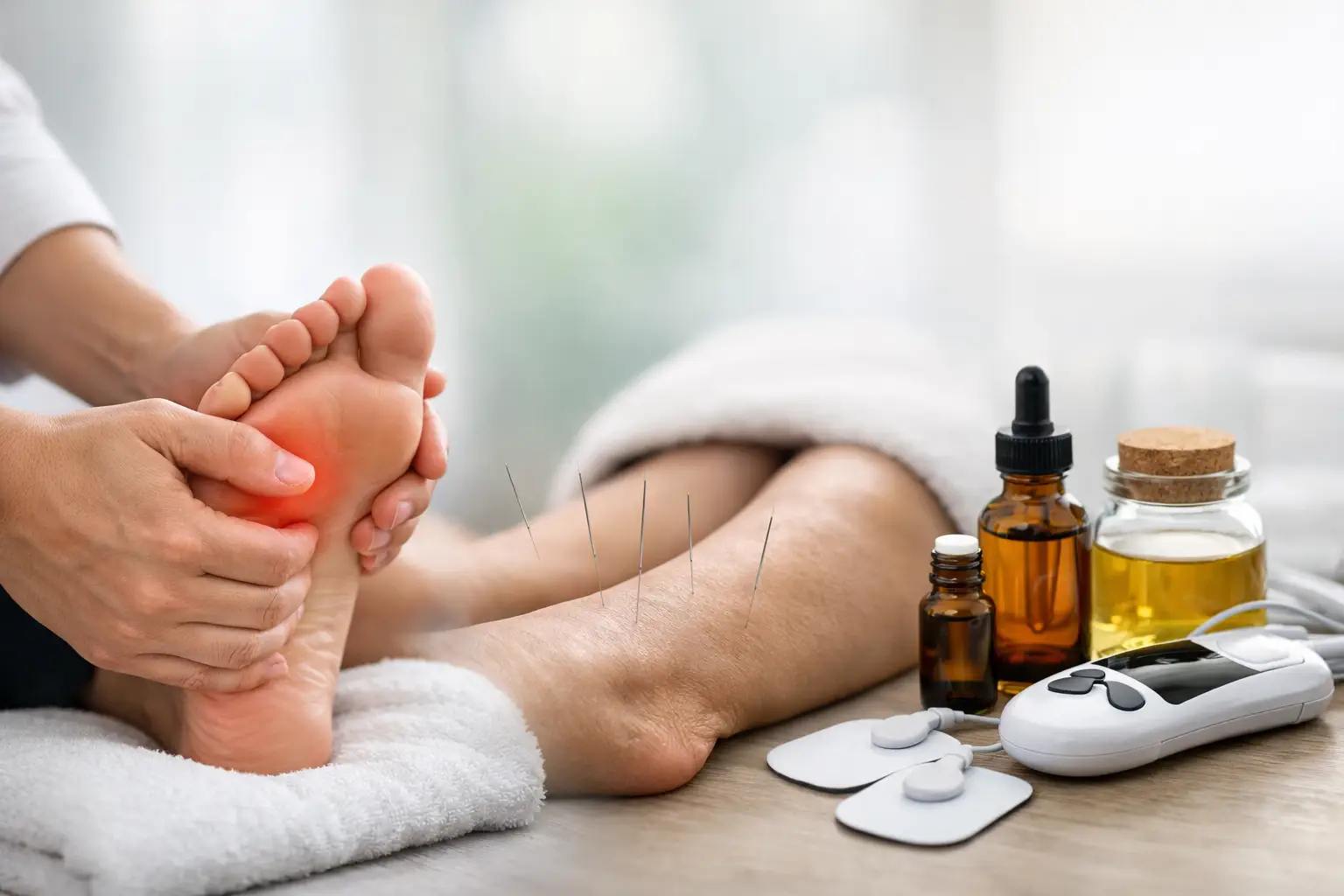

Lower back mobility issues usually develop due to factors like poor posture, muscle weakness, lack of movement, or underlying spinal conditions. These problems reduce flexibility and make everyday activities like bending, sitting, or walking uncomfortable. In many cases, the stiffness builds up gradually, which is why identifying the cause early is important to prevent long-term discomfort and limited movement.
At Bell District Spine & Rehab, we focus on identifying the root causes of lower back mobility issues and providing effective, non-surgical solutions to improve movement and reduce pain. With the right combination of therapy, posture correction, and personalized care, it becomes easier to restore flexibility and maintain long-term spinal health.
What Are Lower Back Mobility Issues?
Lower back mobility issues refer to a condition where the lower part of your spine and surrounding muscles cannot move freely and smoothly. This limitation makes everyday movements like bending, twisting, sitting, or standing feel stiff, tight, or uncomfortable. In simple terms, it means your lower back has lost its normal flexibility and range of motion.
These issues usually develop over time due to factors like poor posture, lack of movement, muscle weakness, or spinal conditions. As mobility decreases, it can lead to pain, reduced flexibility, and difficulty in daily activities. Therefore, understanding and addressing mobility issues early is important to maintain a healthy and active lifestyle.
Reasons Behind Lower Back Mobility Issues
Lower back mobility refers to how easily your spine and surrounding muscles move during daily activities. When this movement becomes limited, the body feels stiff, tight, or painful. As a result, even basic tasks like standing up or turning your body can become difficult.
1. Poor Posture
Poor posture is one of the most common causes of lower back mobility issues. Sitting for long hours with a curved spine or improper alignment puts constant stress on the lower back. Over time, this reduces flexibility and causes stiffness. Therefore, maintaining proper posture is important for healthy movement.
2. Muscle Imbalances and Weak Core
Weak core muscles and uneven muscle strength can limit lower back mobility. When supporting muscles are not strong enough, the lower back takes extra pressure. As a result, movement becomes restricted and painful. Strengthening core muscles helps improve stability and flexibility.
3. Lack of Physical Activity
A sedentary lifestyle reduces muscle flexibility and joint movement. When the body does not move regularly, muscles become tight and stiff. Therefore, lack of activity is a major reason behind reduced lower back mobility.
4. Herniated or Bulging Discs
Spinal disc issues can directly affect movement. A herniated or bulging disc puts pressure on nearby nerves, causing pain and limited mobility. As a result, bending or twisting becomes difficult and uncomfortable.
5. Muscle Strain or Injury
Sudden movements, heavy lifting, or improper exercise can strain lower back muscles. Injuries cause inflammation and tightness, which restrict movement. Therefore, proper body mechanics are important to avoid long-term issues.
6. Arthritis and Joint Degeneration
Conditions like osteoarthritis reduce joint flexibility over time. As joints wear down, movement becomes painful and stiff. Therefore, age-related degeneration is a common cause of mobility problems.
7. Sciatica and Nerve Compression
Sciatica occurs when the sciatic nerve gets compressed or irritated. This leads to pain, numbness, and limited movement in the lower back and legs. As a result, mobility becomes restricted.
8. Poor Lifestyle Habits
Unhealthy habits like lack of sleep, poor diet, and stress affect muscle recovery and increase inflammation. Therefore, lifestyle plays a major role in overall mobility.
9. Excess Body Weight
Extra body weight puts additional pressure on the lower back and spine. Over time, this stress reduces flexibility and increases stiffness. Maintaining a healthy weight helps improve mobility.
10. Aging and Reduced Flexibility
As the body ages, muscles lose elasticity and joints become less flexible. This natural process can limit movement and cause stiffness in the lower back.
11. Tight Hamstrings and Hip Flexors
Tight muscles in the legs and hips can pull on the lower back, reducing its range of motion. As a result, mobility becomes restricted and discomfort increases.
12. Improper Sleeping Position
Sleeping in a poor position or using an unsupportive mattress can strain the lower back. This can lead to stiffness and reduced mobility, especially in the morning.
How to Improve Lower Back Mobility
Improving mobility requires consistent effort and the right approach. Simple changes can make a big difference over time.
- Maintain proper posture during sitting and standing
- Do regular stretching and strengthening exercises
- Stay active with light daily movement
- Avoid heavy lifting with poor form
- Follow a healthy lifestyle and a balanced diet
When Should You Seek Professional Help?
If your lower back mobility does not improve or pain continues to increase, it is important to seek professional care. Early treatment helps prevent serious conditions and improves recovery speed. In addition, expert guidance ensures safe and effective treatment.
FAQs
1. Is lower back stiffness a serious problem?
Mild stiffness is common, but persistent or worsening stiffness may indicate an underlying condition and should be checked by a specialist.
2. Can exercise help with lower back mobility issues?
Yes, regular low-impact exercises like walking, stretching, and core strengthening can significantly improve mobility and reduce pain.
3. How does weight affect lower back mobility?
Excess body weight puts extra pressure on the spine, which can reduce flexibility and increase stiffness in the lower back.
4. When should I see a doctor for lower back mobility issues?
You should see a specialist if pain or stiffness lasts more than a few weeks, worsens, or affects your daily activities.
5. Can stress cause lower back mobility problems?
Yes, stress can cause muscle tension and tightness, which may lead to stiffness and reduced mobility in the lower back.
Take Control of Your Lower Back Mobility
Lower back mobility issues can affect your daily life, but they are often manageable with the right care. When you understand the causes and take action early, you can improve flexibility, reduce pain, and move more freely. Consistent habits like proper posture, regular exercise, and timely treatment can make a significant difference in long-term mobility and overall spinal health.
Better Mobility Starts Here
Get expert care and personalized treatment solutions at Bell District Spine & Rehab for better mobility and lasting relief.