Muscle stiffness and limited mobility can make even simple daily activities feel uncomfortable. Reaching overhead, turning your neck, bending down, exercising, or sitting for long periods may become difficult when muscles stay tight and restricted. For many people, stiffness develops gradually from repetitive movement, poor posture, sports injuries, stress, or long hours spent sitting at a desk. Over time, restricted muscles can affect flexibility, movement quality, and overall physical comfort.
At Bell District Spine and Rehab, Dr. Michael Madorno uses functional dry needling as part of personalized rehabilitation and chiropractic care to help reduce muscle tension, improve mobility, and support natural recovery through non-invasive treatment approaches.
Understanding Muscle Stiffness and Mobility Limitations
Healthy muscles are designed to move smoothly and support comfortable movement throughout the body. However, when muscles become overworked, irritated, or tight, they may develop sensitive areas commonly called trigger points. These tight muscle bands can create discomfort, restrict movement, and affect nearby joints and soft tissues.
Limited mobility may develop from several common factors, including:
- Repetitive strain from work or exercise
- Poor posture and prolonged sitting
- Sports-related injuries
- Muscle overuse and tension
- Stress-related muscle tightness
- Joint dysfunction and compensation patterns
- Previous injuries or scar tissue formation
As muscle tension increases, people may notice reduced flexibility, stiffness after inactivity, discomfort during movement, or difficulty performing normal activities comfortably.
What Is Functional Dry Needling?
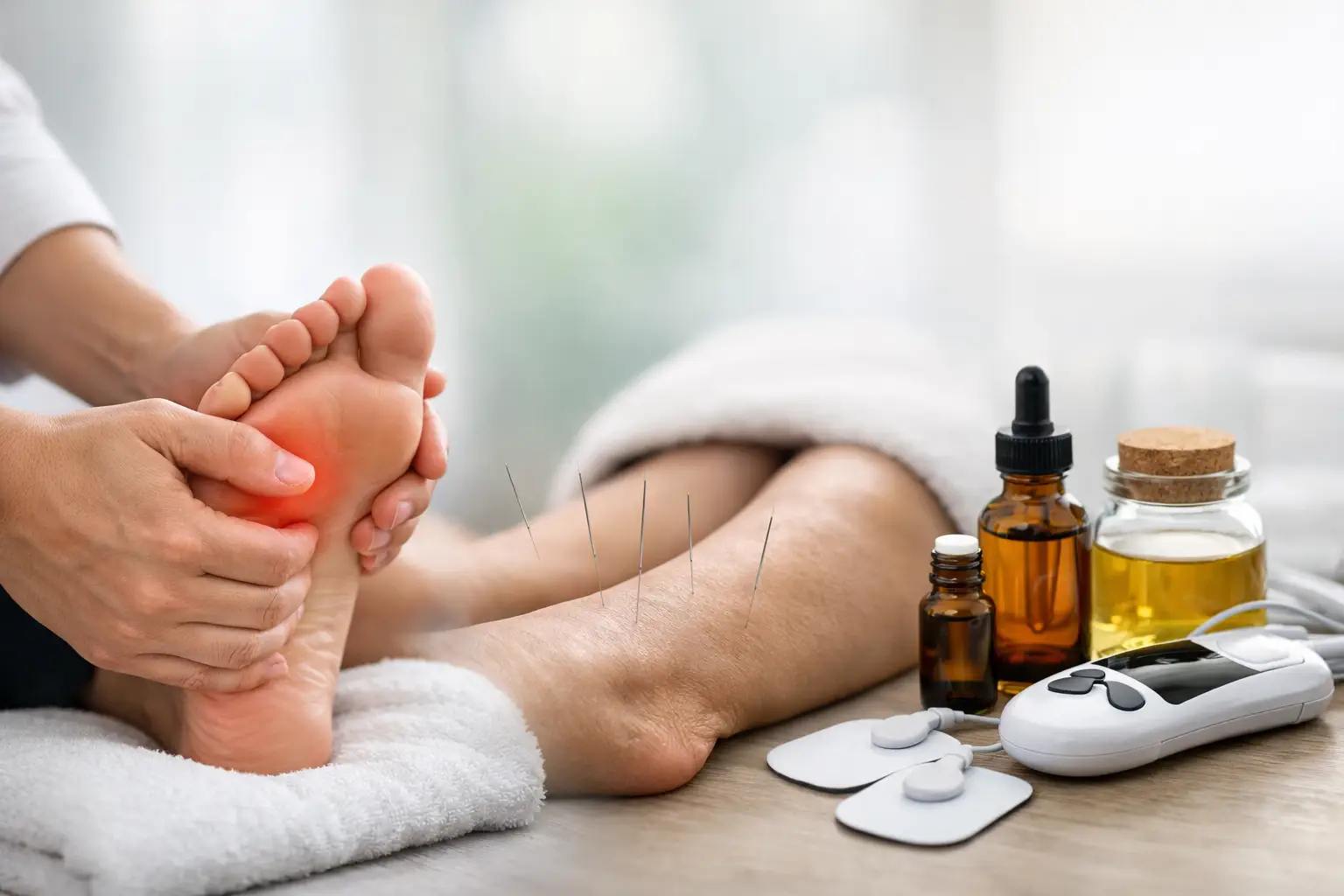
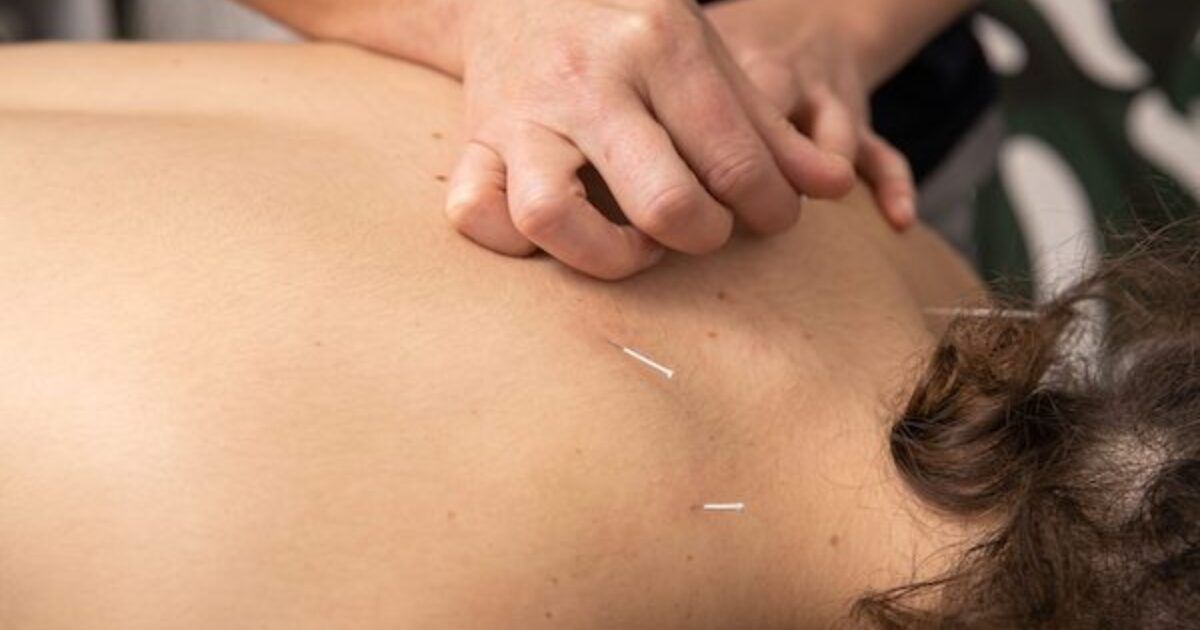
Functional dry needling is a therapeutic technique designed to target tight muscles and trigger points using thin sterile needles. The goal is to help reduce muscle tension, improve circulation, encourage muscle relaxation, and restore more natural movement patterns.
Unlike injections, dry needling does not involve medication. Instead, the treatment focuses on stimulating affected muscle tissue to encourage a healing response and improve muscle function.
Dry needling is commonly used as part of a comprehensive rehabilitation program alongside chiropractic care, soft tissue therapy, stretching, and corrective exercises.
How Dry Needling May Help Improve Mobility
When muscles stay tight for extended periods, they can restrict joint movement, reduce flexibility, and change the way the body moves during everyday activities. Functional dry needling focuses on releasing muscle tension and trigger points that may be contributing to discomfort and limited mobility. By improving muscle relaxation and movement patterns, many patients experience better flexibility and more comfortable motion.
Muscle Tightness and Stiffness
Tight muscles can make simple movements feel restricted and uncomfortable. Muscle stiffness often develops from repetitive activity, prolonged sitting, stress, overuse, or poor posture. Functional dry needling may help relax overactive muscle tissue, reduce tension, and improve overall muscle flexibility so the body can move more naturally.
Limited Range of Motion
Restricted movement in the neck, shoulders, hips, or lower back can affect daily activities, exercise, and physical performance. Tight muscles and trigger points may limit how far a joint can comfortably move. Dry needling may help release these muscular restrictions and support improved range of motion and mobility.
Neck and Shoulder Tension
Neck and shoulder tightness are common among individuals who spend long hours working at desks, using computers, or looking down at mobile devices. Ongoing tension in these areas can lead to stiffness, headaches, and reduced movement. Functional dry needling may help relieve muscle tightness and improve flexibility in the upper body.
Lower Back Discomfort
Muscle tension in the lower back can affect bending, twisting, walking, and standing comfortably. Tight lower back muscles may also create compensation patterns that place additional stress on surrounding joints and tissues. Dry needling may help reduce muscular tension and support more comfortable lower back movement.
Hip Tightness
Tight hip muscles can contribute to posture problems, reduced flexibility, and discomfort during exercise or daily movement. Hip stiffness is especially common among people who sit for long periods or participate in repetitive physical activity. Functional dry needling may help improve hip mobility and reduce muscular restrictions affecting movement.
Sports-Related Muscle Strain
Athletes and active individuals often experience muscle tightness and strain from repetitive motion, training demands, or overuse injuries. Restricted muscles may reduce performance and increase the risk of further injury. Dry needling is commonly used in rehabilitation programs to help improve muscle recovery, flexibility, and movement quality.
Posture-Related Muscle Imbalance
Poor posture can place uneven stress on muscles throughout the body. Over time, some muscles may become overly tight while others weaken, creating imbalance and movement dysfunction. Functional dry needling may help reduce tension in overactive muscles while supporting better movement patterns and posture correction.
Chronic Muscular Tension
Chronic muscle tension may develop gradually from stress, repetitive movement, previous injuries, or long-term physical strain. Persistent tension can limit mobility and contribute to ongoing discomfort. Dry needling may help calm irritated muscle tissue and encourage relaxation in chronically tight areas.
Supporting More Comfortable Movement
By targeting trigger points and muscular restrictions, functional dry needling may help improve flexibility, reduce stiffness, and restore smoother movement patterns. When combined with rehabilitation exercises, stretching, and chiropractic care, dry needling can become part of a comprehensive approach to improving mobility and overall physical function.
Common Areas Treated With Dry Needling
Functional dry needling may be used in multiple areas of the body depending on the source of restriction or discomfort. Common treatment areas include:
Neck and Shoulders
Tension from desk work, posture problems, or stress can create stiffness that limits head and shoulder movement.
Lower Back
Tight lower back muscles may affect bending, twisting, standing, and walking comfortably.
Hips and Glutes
Hip tightness can contribute to reduced mobility, posture problems, and discomfort during exercise or daily activity.
Legs and Calves
Athletes and active individuals often experience muscle tightness in the legs from repetitive movement and overuse.
Dry Needling and Sports Recovery
Athletes and physically active individuals commonly use dry needling as part of their recovery and performance programs. Muscle tightness and restricted mobility can affect movement quality, flexibility, strength, and recovery time.
Functional dry needling may help athletes by:
- Improving muscle flexibility
- Reducing muscular tension
- Supporting recovery after activity
- Improving range of motion
- Helping restore normal movement patterns
When combined with rehabilitation exercises and mobility training, dry needling may support overall physical performance and recovery.
What to Expect During Treatment
During a dry needling session, a provider carefully inserts thin needles into targeted muscle areas. Some patients experience a brief twitch response or mild soreness during treatment, which is often considered a normal part of the muscle response.
Treatment sessions are generally short, and many patients combine dry needling with stretching, rehabilitation exercises, chiropractic adjustments, or soft tissue therapy for more comprehensive care.
The number of sessions recommended depends on the severity of muscle tightness, mobility limitations, activity level, and overall treatment goals.
When to Consider Professional Evaluation
Persistent muscle stiffness and restricted mobility should not always be ignored, especially when symptoms begin interfering with daily movement, exercise, work, or sleep. Professional evaluation may help identify underlying muscle dysfunction, posture problems, movement imbalances, or soft tissue restrictions contributing to ongoing discomfort.
Early treatment may help prevent long-term compensation patterns and further mobility limitations.
FAQs
Is functional dry needling the same as acupuncture?
Functional dry needling and acupuncture both use thin needles, but they are based on different treatment approaches. Dry needling focuses on muscle function, trigger points, and movement-related issues, while acupuncture is rooted in traditional Chinese medicine practices.
Can dry needling support long-term mobility goals?
When included as part of a personalized rehabilitation and movement program, dry needling may help support flexibility, mobility, muscle recovery, and overall physical function long term.
Does dry needling only target painful areas?
Not always. Providers may also treat surrounding muscles and movement patterns contributing to restriction, imbalance, or compensation throughout the body.
How long does a dry needling session usually take?
Most dry needling sessions are relatively short and may last between 15 to 30 minutes depending on the treatment area and overall rehabilitation plan.
Can dry needling be combined with other therapies?
Yes, dry needling is often combined with chiropractic care, rehabilitation exercises, soft tissue therapy, stretching, and mobility training to support more comprehensive recovery and movement improvement.
Improve Movement and Restore Flexibility Naturally
Limited mobility and stiff muscles can gradually affect comfort, movement quality, and physical performance. Functional dry needling may help reduce muscle tension, improve flexibility, and support more comfortable movement without relying on invasive procedures. With the right combination of rehabilitation, mobility training, and soft tissue care, many individuals can improve movement patterns and return to daily activities with greater comfort and confidence.
Restore comfortable movement with expert care at Bell District Spine and Rehab.