That first step out of bed can tell you a lot. If your heel feels sharp, tight, or bruised the moment your foot hits the floor, plantar fasciitis is often the reason. For many people, shockwave therapy for plantar fasciitis becomes an option after weeks or months of stretching, rest, shoe changes, and still not getting the relief they need.
Plantar fasciitis is one of the most common causes of heel pain, but that does not make it simple. The plantar fascia is a thick band of tissue that supports the arch of your foot and helps absorb force when you walk, run, stand, or change direction. When that tissue becomes overloaded, irritated, or degenerative over time, pain can build into a daily limitation that affects work, exercise, and even basic movement around the house.
How shockwave therapy for plantar fasciitis works
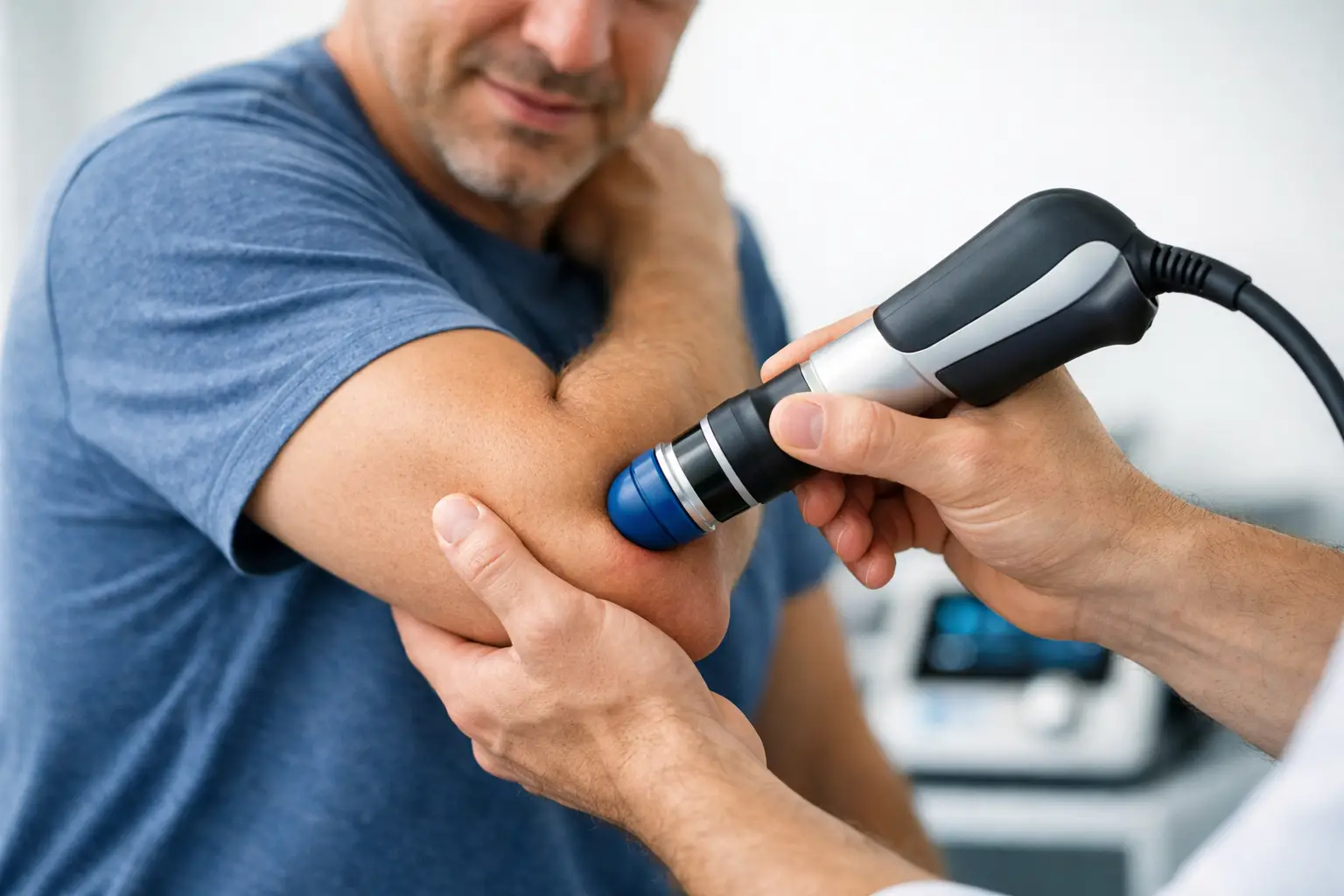
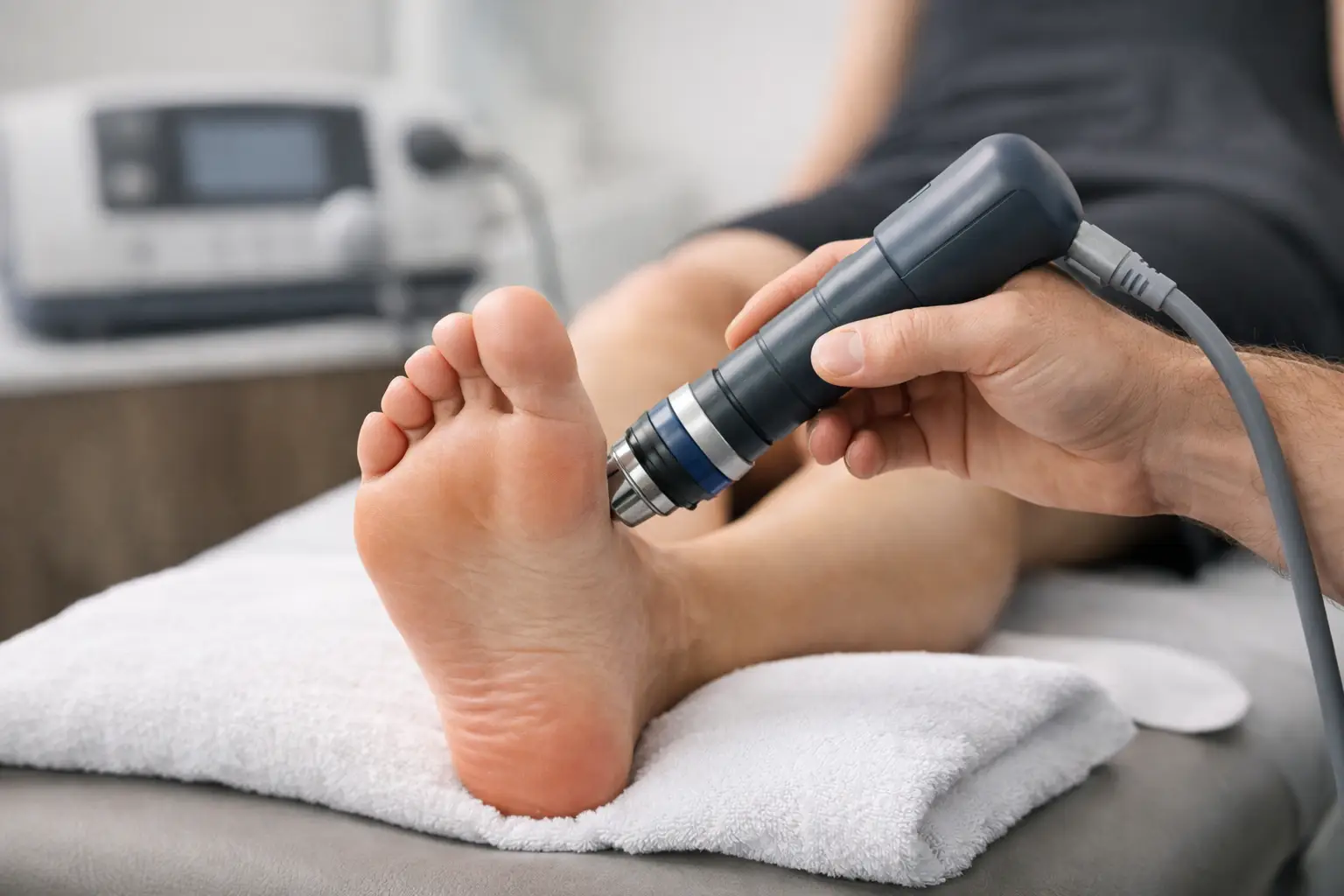
Shockwave therapy uses targeted acoustic waves to stimulate a healing response in damaged or chronically irritated tissue. In plantar fasciitis cases, the treatment is directed at the painful area near the heel and along the plantar fascia. The goal is not to numb the problem. The goal is to improve the tissue environment so the body can repair more effectively.
This matters because plantar fasciitis is not always just an inflamed foot. In many stubborn cases, the tissue has been under strain for so long that the issue becomes more about poor healing and degeneration than short-term irritation. That is one reason rest alone does not always fix it. Shockwave therapy is often used to encourage circulation, support tissue remodeling, and reduce pain sensitivity in the affected area.
Patients usually describe the treatment as quick and tolerable, though sensitivity varies. If the tissue is very irritated, the session can feel intense in spots. That said, it is non-invasive, does not require anesthesia in most settings, and allows people to return to normal activity with guidance rather than a long recovery period.
Why plantar fasciitis keeps coming back
Heel pain often gets blamed on one thing, but most recurring cases have more than one driver. Tight calves can increase tension through the foot. Poor ankle mobility can shift load into the plantar fascia. Flat feet, high arches, worn-out footwear, standing for long hours, sudden increases in exercise, weight changes, and running mechanics can all contribute.
This is where treatment decisions matter. If pain is reduced but the reason the fascia is overloaded never changes, symptoms may calm down only to return a few weeks later. A patient who stands on concrete all day needs a different plan than a distance runner training for a race. An active parent chasing kids, lifting, and walking all day may need a different strategy than an older adult with balance changes and stiffness through the lower leg.
That is also why shockwave therapy tends to work best as part of a broader rehab plan instead of a one-size-fits-all fix.
When shockwave therapy makes sense
Shockwave therapy is often considered when conservative care has helped only partially or when heel pain has become persistent enough to interfere with normal life. If your pain has lasted for several weeks or months, keeps returning after activity, or limits your ability to walk, exercise, or work comfortably, it may be worth discussing.
It can be especially useful for chronic plantar fasciitis that has not responded well to rest, home stretching, icing, over-the-counter pain relievers, or generic shoe inserts. It may also appeal to patients looking for a drug-free and surgery-free option that addresses tissue healing rather than simply masking symptoms.
That said, not every heel pain case is plantar fasciitis. Stress injuries, nerve irritation, Achilles-related problems, and other foot conditions can mimic similar symptoms. A proper evaluation matters before choosing any advanced therapy.
What treatment usually looks like
A typical course of shockwave therapy for plantar fasciitis involves a series of treatments rather than a single visit. The exact number depends on symptom duration, tissue sensitivity, activity level, and how your body responds. Some patients notice changes early. Others improve more gradually as the tissue adapts over several weeks.
During the visit, the provider identifies the painful tissue and applies the treatment to the targeted area. Sessions are relatively short, which makes them manageable for busy adults trying to fit care into a workweek. You may feel soreness afterward, similar to how tissue can feel after deep manual work or a challenging workout, but that is usually temporary.
Most patients are advised to avoid overloading the foot right after treatment, even if they start feeling better. That point is easy to miss. Pain relief can create the temptation to jump back into long walks, hard workouts, or high-impact activity too soon. The tissue still needs time and the right progression.
What to expect from results
Shockwave therapy can be very effective, but realistic expectations are important. It is not magic, and it is not the same for everyone. Some people get meaningful pain relief and better function after a short series of sessions. Others improve, but only when treatment is combined with calf mobility work, foot strengthening, gait changes, and better load management.
The biggest advantage is that it gives chronic tissue a chance to respond differently when standard measures have stalled. For patients trying to avoid injections or surgery, that can be a major benefit. The trade-off is that results are often progressive rather than instant. If you are expecting complete relief after one session, you may be disappointed.
Another important point is that less pain is only one marker of success. Better morning comfort, improved walking tolerance, reduced tenderness, and the ability to return to activity without flare-ups are often better signs that the foot is actually improving.
The role of rehab alongside shockwave therapy
This is where good care becomes more than symptom management. If the plantar fascia is being overloaded because the calves are tight, the ankle is restricted, the hips are weak, or walking mechanics are off, those issues need attention too.
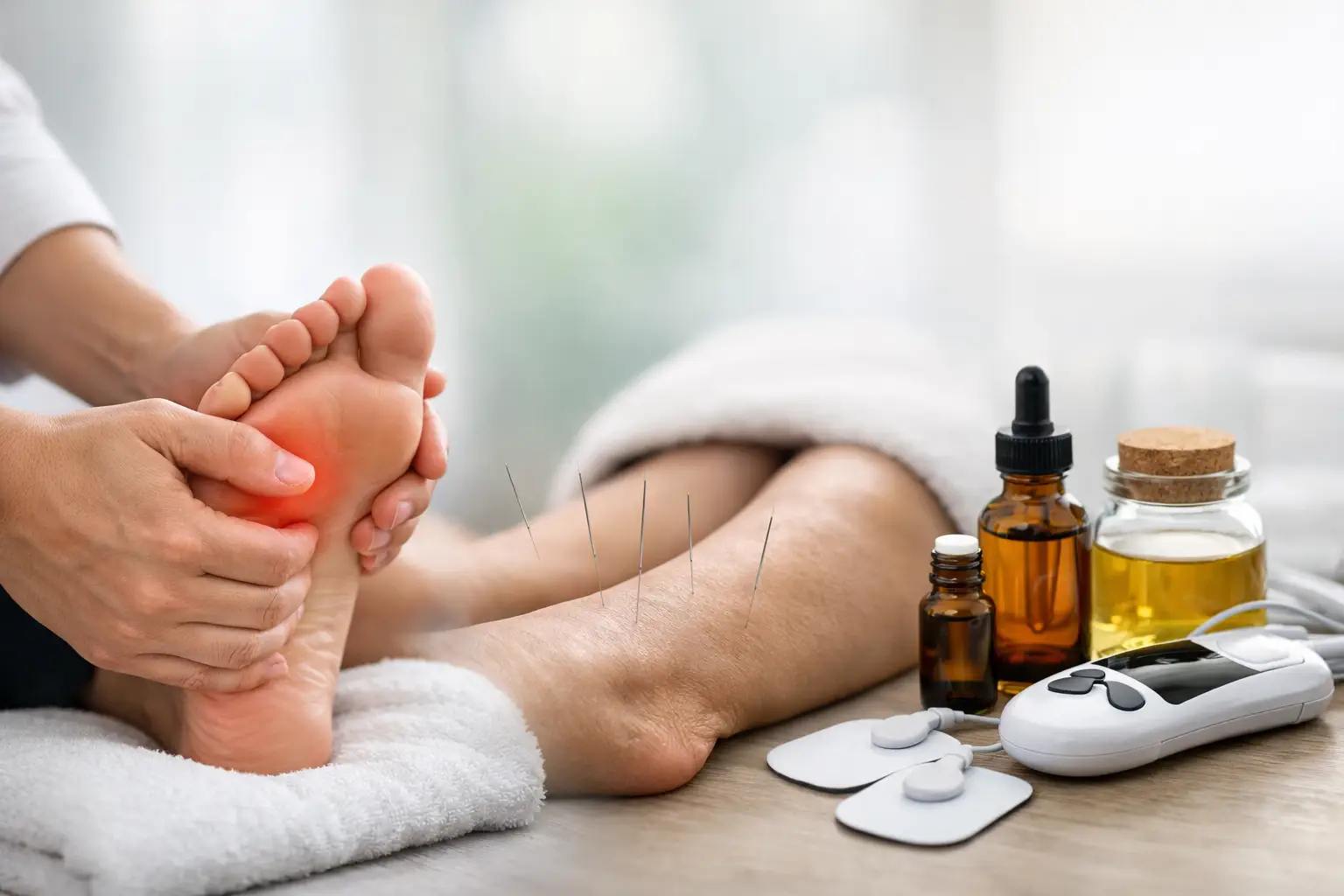
A well-rounded treatment plan may include hands-on care, mobility work, progressive strengthening, movement analysis, and practical recommendations for shoes or activity modification. In some cases, the foot needs more support. In others, it actually needs to get stronger and tolerate load better. It depends on the person, the cause, and the stage of the condition.
At Bell District Spine and Rehab, that kind of combined approach fits how many musculoskeletal problems are best treated. Advanced therapy can help calm pain and stimulate healing, but long-term improvement usually comes from pairing the right treatment with the right corrective plan.
Who may need a different approach
Shockwave therapy is not always the first step, and it is not always the right one. If the pain is new and clearly linked to a recent activity spike, simpler care may work well early on. If there is significant swelling, bruising, numbness, or pain in unusual areas of the foot, further evaluation may be needed before starting treatment.
Medical history also matters. Certain conditions, medications, or tissue healing issues can affect whether shockwave therapy is appropriate. That is one more reason an in-person assessment is worth it. Good care is not about pushing one service. It is about matching the treatment to the problem.
How to know when it is time to get help
If heel pain is changing how you walk, making you skip workouts, limiting your workday, or keeping you from being active with your family, it is time to stop hoping it will just fade on its own. The longer plantar fasciitis lingers, the more it can affect the rest of the body. People start limping, shifting weight, and moving differently to protect the foot. That can lead to issues in the ankle, knee, hip, or low back.
The good news is that persistent heel pain does not automatically mean you are headed toward surgery. Many patients do well with conservative, targeted care when the diagnosis is clear and the treatment plan is built around the way they actually move and live.
If your mornings start with heel pain and your days are organized around avoiding it, that is your signal to take the next step. The right treatment should help you move with less pain, more confidence, and a better chance of keeping the problem from returning.