That hard, tender spot in your shoulder or upper back is not just “tight.” In many cases, it is a trigger point – a small area of muscle that stays contracted, becomes irritated, and starts limiting how you move. Dry needling for muscle knots is one treatment used to release those areas, reduce pain, and help the muscle return to more normal function.
For many patients, the question is not whether muscle knots are real. They can feel them every day when they turn their neck, sit at a desk, work out, or try to sleep. The real question is whether dry needling is the right tool for the problem. The answer depends on what is causing the knot, how long it has been there, and whether the surrounding joints and movement patterns are also being addressed.
What muscle knots actually are
“Muscle knot” is the term most people use, but clinically these are often called trigger points. A trigger point is a tight, irritable band within a muscle that can be painful when pressed and can sometimes refer pain to another area. That is why a knot in the upper trapezius may contribute to neck pain or tension headaches, and a knot in the glute can create pain that feels like it is traveling down the leg.
These knots can form for several reasons. Repetitive movement, poor posture, stress, overtraining, compensation after an injury, and joint restriction can all play a role. Sometimes the muscle is overworked. Sometimes it is guarding because another structure is not moving well. That distinction matters because treating the knot alone may help, but if the underlying cause is left alone, the problem often returns.
How dry needling for muscle knots works
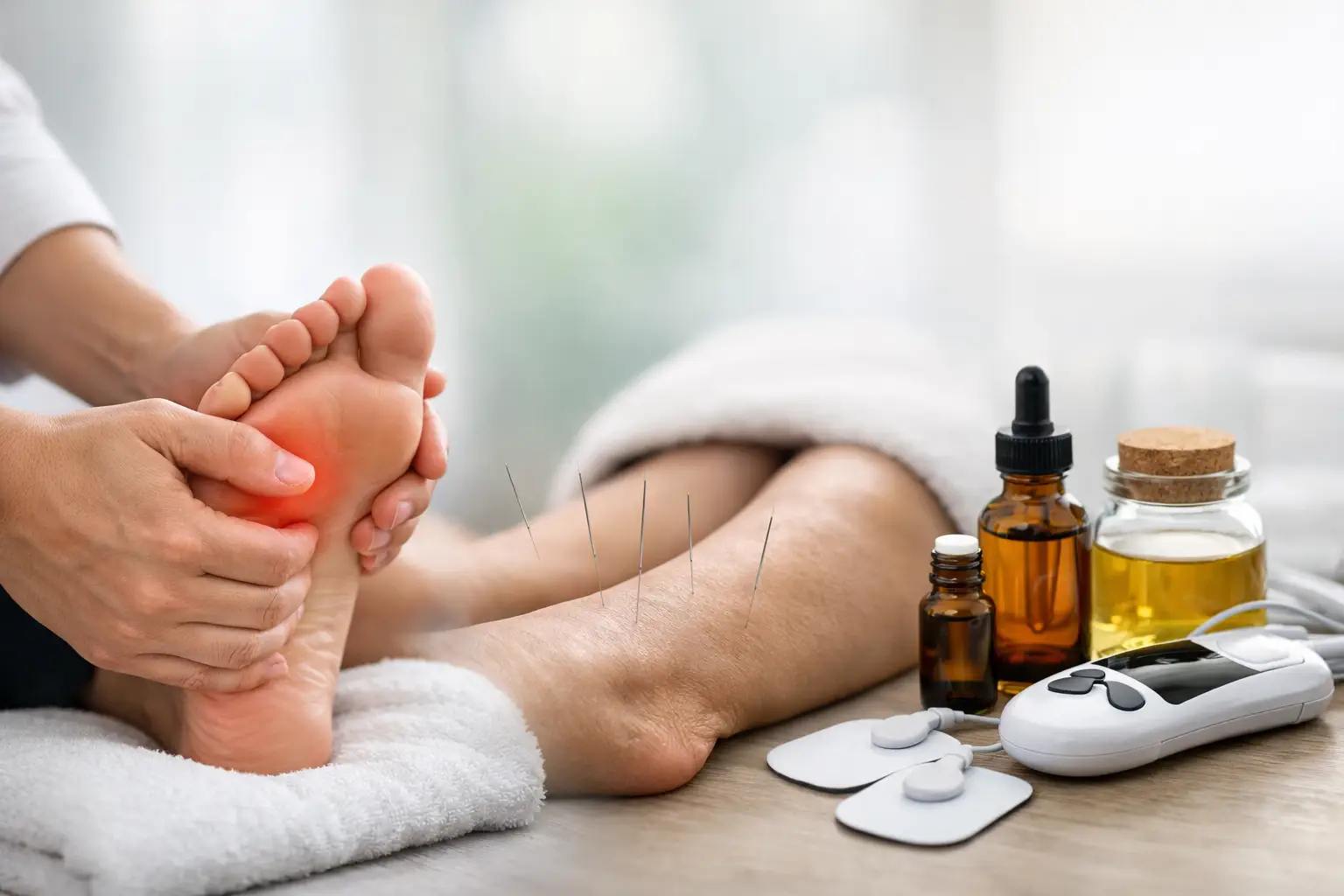
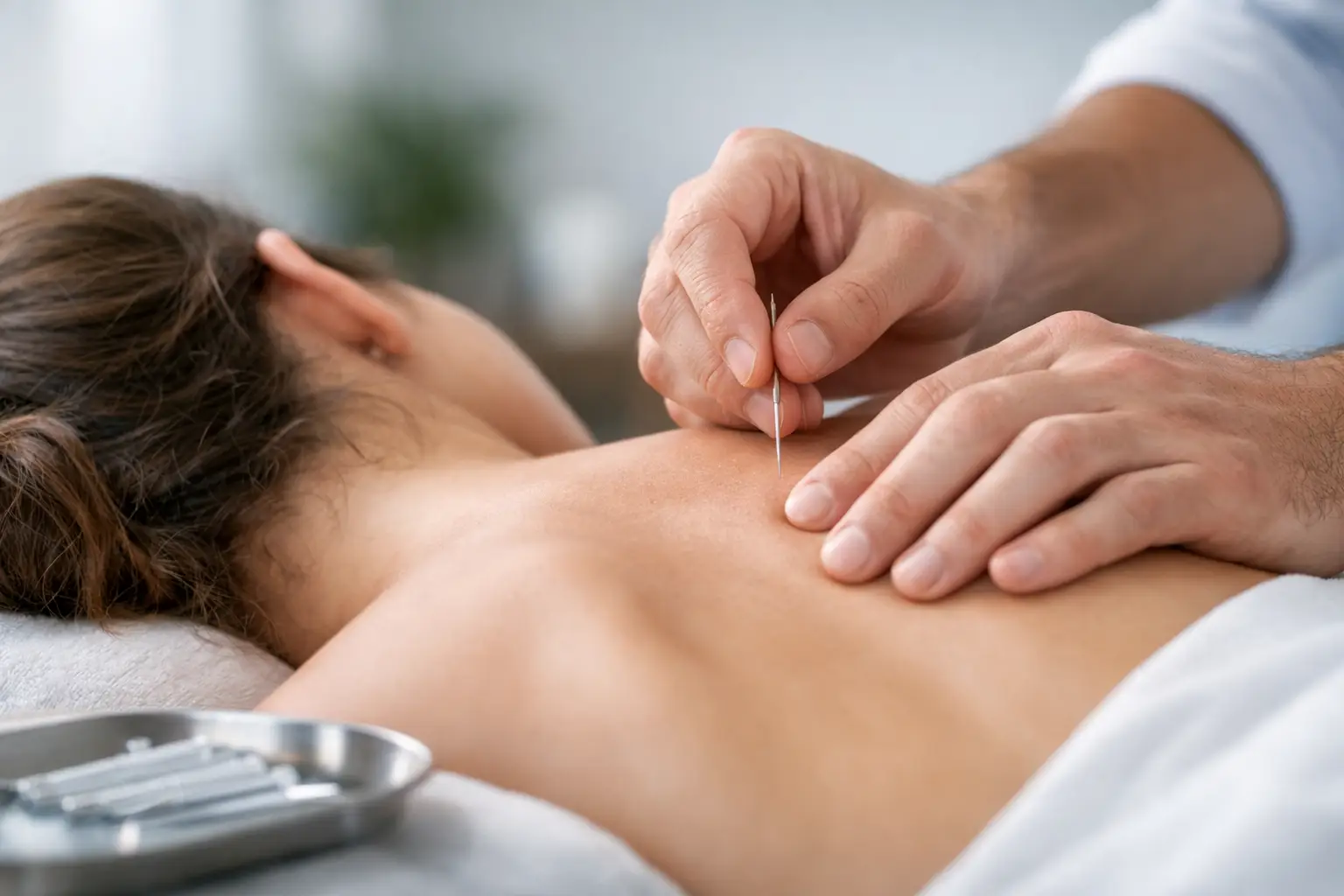
Dry needling uses a very thin, sterile needle inserted into a trigger point or dysfunctional muscle tissue. There is no medication in the needle. The goal is mechanical and neurological – to disrupt the tight band, decrease local irritation, improve blood flow, and help reset the muscle’s resting tone.
When the needle reaches the trigger point, the muscle may briefly twitch. That response is common and often a sign that the irritated tissue has been engaged. After treatment, many patients notice the area feels less dense, less painful, and easier to move.
This is one reason dry needling for muscle knots can be effective when stretching, massage, and foam rolling have only provided short-term relief. Those methods can be helpful, but some trigger points are deep, stubborn, or tied to a larger movement problem. Needling can reach tissue that is hard to affect with pressure from the outside.
What it feels like during treatment
Most people expect the treatment to feel worse than it does. The needle itself is very thin, so insertion is often felt as little more than a quick prick or mild pressure. The more noticeable sensation usually happens when the trigger point responds. That can feel like a twitch, a brief cramp, or a dull ache.
Afterward, it is normal to feel some soreness for a day or two, similar to what you might feel after a workout. That does not mean anything is wrong. In fact, mild post-treatment soreness is common as the muscle adjusts. Many patients also notice that the area moves more freely within the same day.
Experience varies based on the body area being treated and how irritated the muscle is. A fresh knot from a hard workout may respond differently than a chronic knot that has been there for months.
When dry needling makes sense
Dry needling is often a strong option when muscle knots are causing pain, stiffness, or restricted motion that is interfering with daily activity. It can be helpful for neck tension, shoulder tightness, back pain, hip pain, calf tightness, and sports-related muscle dysfunction.
It may also make sense when a patient has tried rest, stretching, massage, heat, or chiropractic care alone and still feels like one area keeps “locking up.” In those cases, the muscle itself may need more direct treatment.
That said, dry needling is not a stand-alone fix for every case. If a knot keeps returning because of workstation posture, lifting mechanics, spinal joint restriction, or weakness in nearby muscles, the best results usually come from combining needling with a broader rehab plan. At Bell District Spine and Rehab, that kind of integrated approach matters because pain relief is only part of recovery. Keeping the issue from coming back is just as important.
When dry needling may not be the whole answer
Muscle knots are common, but not every painful area is just a trigger point. Nerve irritation, disc problems, tendon injuries, joint dysfunction, and referred pain from the spine can mimic muscle tightness. That is why a proper exam matters before treatment begins.
For example, someone with shoulder blade pain may have trigger points in the rhomboids, but they may also have neck-related dysfunction driving the problem. Someone with calf tightness may actually be compensating for poor ankle mobility or low back nerve irritation. In those cases, dry needling may relieve part of the symptom picture, but it should be paired with treatment that addresses the actual source.
There are also situations where dry needling is not appropriate, such as certain bleeding disorders, needle phobia, active infection, or specific medical considerations. A qualified provider will screen for those issues first.
Dry needling vs massage for muscle knots
Patients often ask whether dry needling is better than massage. The more accurate answer is that they do different things.
Massage and other hands-on soft tissue techniques work from the outside in. They can improve circulation, reduce guarding, and calm down a large region of tension. Dry needling works more directly on a specific trigger point, especially when that point is difficult to release manually.
For some patients, massage is enough. For others, especially those with deep or recurring knots, dry needling reaches the problem more efficiently. In many treatment plans, both methods can complement each other rather than compete.
What results to expect
Some patients feel a change after one session. Others need several treatments, especially if the knot has been there for a long time or is connected to a chronic movement pattern. The response also depends on hydration, sleep, activity level, stress, and whether the patient follows through with corrective exercise.
A realistic goal is not just “looser muscles.” It is less pain with daily tasks, improved range of motion, better tolerance for work or exercise, and fewer flare-ups. If the treatment is working well, patients usually notice that the muscle stops tightening up as quickly and that movement feels more natural.
Long-term success usually comes from combining pain relief with retraining. Once the muscle is no longer stuck in a guarded pattern, rehab exercises can help it stay that way.
Why pairing dry needling with rehab matters
Releasing a muscle knot is useful, but it is only one step. If the shoulder still moves poorly, if the spine is still restricted, or if the hips and core are not supporting movement well, the body often falls back into the same compensation.
That is why the best care plans often pair dry needling with chiropractic treatment, mobility work, strengthening, and movement correction. This approach does more than calm the painful spot. It helps restore how the whole area functions.
For active adults, that can mean getting back to the gym without constant tightness. For office workers, it can mean turning the head without that familiar pull between the neck and shoulder. For older adults, it can mean easier walking, standing, and daily movement with less stiffness.
Is dry needling for muscle knots worth trying?
If you have a stubborn knot that keeps coming back, limits movement, or causes pain that is affecting your routine, dry needling may be worth considering. It is a conservative, drug-free treatment that can be especially useful when the muscle is not responding to simpler approaches.
The key is making sure the treatment fits the problem. A good evaluation should determine whether the painful spot is truly a trigger point, what is causing it, and what else needs to be treated alongside it. That is where care becomes more personalized and more effective.
You do not have to keep stretching the same tight spot forever and hoping it finally gives in. When the right treatment is matched to the right cause, relief tends to feel less temporary and a lot more useful in real life.
If a muscle knot has been slowing you down, the next best step is not guessing. It is finding out why that tissue keeps tightening up in the first place, then treating it with a plan that helps you move comfortably again.