A stiff neck can make ordinary tasks feel surprisingly difficult. Checking a blind spot while driving, looking down at a phone, lifting a child, or getting comfortable at a desk can trigger sharp pain or a dull, exhausting ache. Effective neck pain relief is not just about getting through the day with less discomfort. It is about identifying why your neck is irritated, restoring comfortable movement, and reducing the chance that the problem keeps returning.
For some people, neck pain begins after an obvious event, such as a car accident, sports injury, awkward sleeping position, or heavy lift. For others, it builds gradually through long workdays, poor movement habits, stress-related muscle tension, or age-related changes in the spine. The right approach depends on the cause, the severity of symptoms, and how the pain is affecting daily life.
Why Neck Pain Can Be So Persistent
The neck is designed for mobility. It supports the weight of the head while allowing you to rotate, bend, look up, and look down throughout the day. That mobility also means the muscles, joints, discs, and nerves in the cervical spine can become irritated when they are overloaded or not moving well.
Muscle strain is common, especially in the upper trapezius, levator scapulae, and muscles around the shoulder blades. However, persistent symptoms are not always simply “tight muscles.” Restricted spinal joints, disc irritation, poor shoulder mechanics, nerve sensitivity, headaches, and old injuries can all contribute to neck pain.
Forward-head posture often gets blamed for every case of neck discomfort, but posture is only part of the picture. Holding any position for too long can be a problem, even a position that looks ideal. A personalized plan should consider your work demands, exercise routine, sleep position, injury history, strength, and movement patterns instead of relying on one generic explanation.
Neck Pain Relief at Home: What Helps Early On
When neck pain first appears, the goal is to calm irritation without becoming completely inactive. Extended bed rest may make stiffness worse, while forcing through severe pain can prolong the problem. Gentle, frequent movement is usually a better starting point.
Try slowly turning your head from side to side and nodding within a comfortable range. The movement should feel mild and controlled, not sharp or forced. Short walks can also help reduce guarding through the neck and upper back. If a particular motion produces tingling, radiating pain, dizziness, or a sudden increase in symptoms, stop and seek professional guidance.
Heat can be useful for muscular tightness and stiffness, particularly when symptoms have been present for more than a day or two. A cold pack may feel better after a recent strain or flare-up that feels hot, swollen, or acutely painful. Neither option fixes the underlying cause, but each can provide temporary comfort that makes movement easier.
Your daily setup matters as well. Raise screens closer to eye level, bring frequently used items within reach, and avoid cradling a phone between your shoulder and ear. Rather than trying to hold a rigid posture all day, change positions regularly. A brief movement break every 30 to 60 minutes can be more effective than one perfect desk adjustment followed by hours of stillness.
Sleep can either support recovery or aggravate symptoms. A pillow that leaves the neck sharply bent upward, downward, or sideways may contribute to morning stiffness. Back and side sleepers generally do best when the pillow fills the space between the head and mattress without pushing the head too far forward. Stomach sleeping often requires the neck to stay rotated for long periods, which can be difficult during an active flare-up.
When Neck Pain Needs a Professional Evaluation
Home care can be appropriate for minor soreness that improves steadily over several days. An evaluation becomes more valuable when pain is recurring, limiting work or exercise, disrupting sleep, or not improving as expected. A clinician can determine whether the problem appears related to muscular strain, joint restriction, disc involvement, nerve irritation, or a combination of factors.
Seek prompt medical attention if neck pain follows a significant accident or is accompanied by any of the following:
- New weakness in an arm or hand
- Numbness or tingling that is worsening or spreading
- Loss of balance, difficulty walking, or problems with coordination
- Severe headache, fever, unexplained weight loss, or changes in bowel or bladder control
These symptoms do not automatically mean a serious condition is present, but they require careful assessment rather than self-treatment alone.
Conservative Care for Lasting Neck Pain Relief
A thorough neck pain evaluation should look beyond the location of pain. It may include a review of your symptoms and health history, range-of-motion testing, posture and movement analysis, neurological screening when appropriate, and an assessment of the shoulders and upper back. The purpose is to build a treatment plan around the drivers of your symptoms.
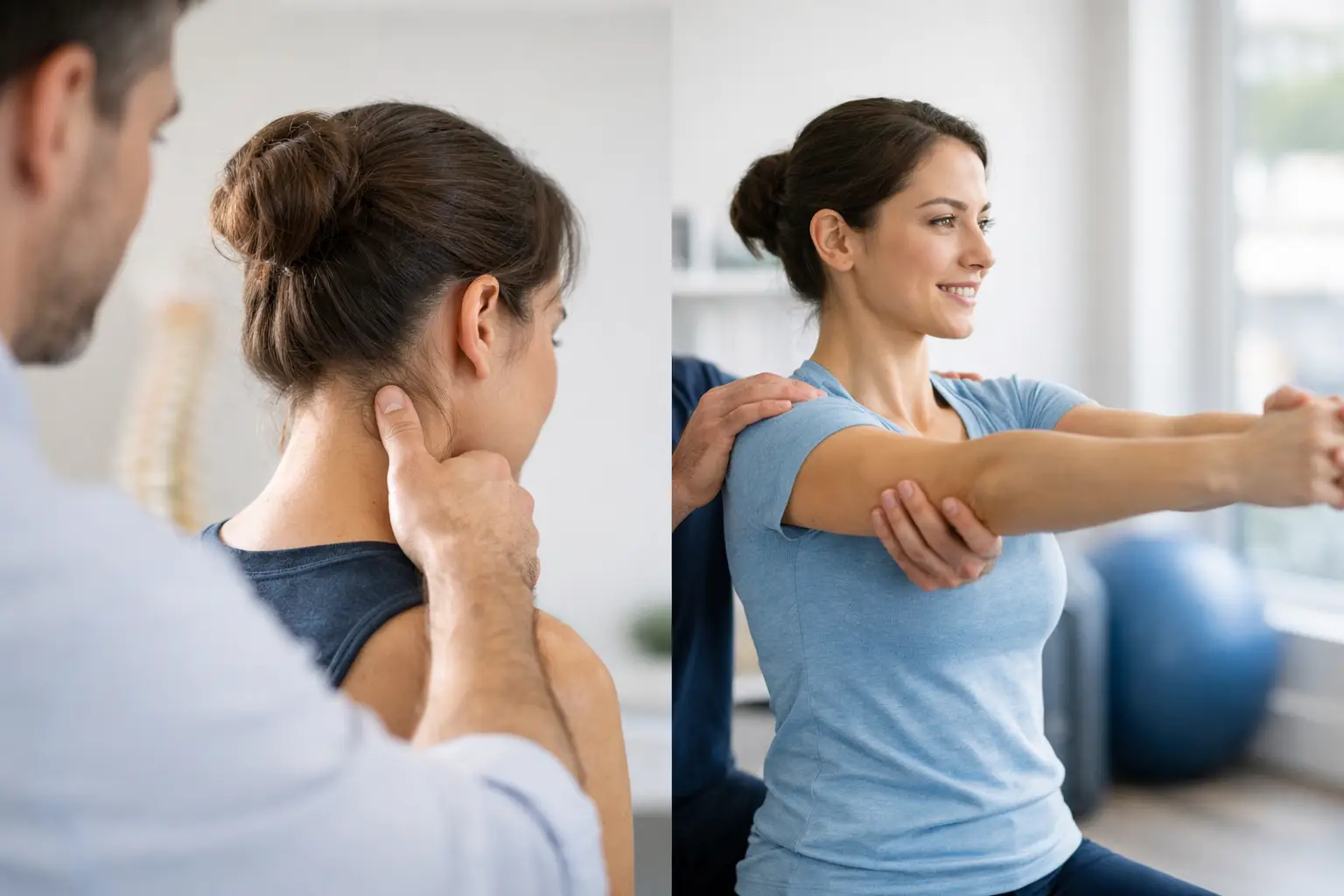
For patients who are appropriate candidates, chiropractic adjustments and manual therapy can help improve joint mobility and reduce mechanical restrictions in the neck and upper back. Treatment should be precise and adapted to the patient. Some people respond well to gentle mobilization rather than a high-velocity adjustment, particularly during an acute flare-up or when they are apprehensive about hands-on care.
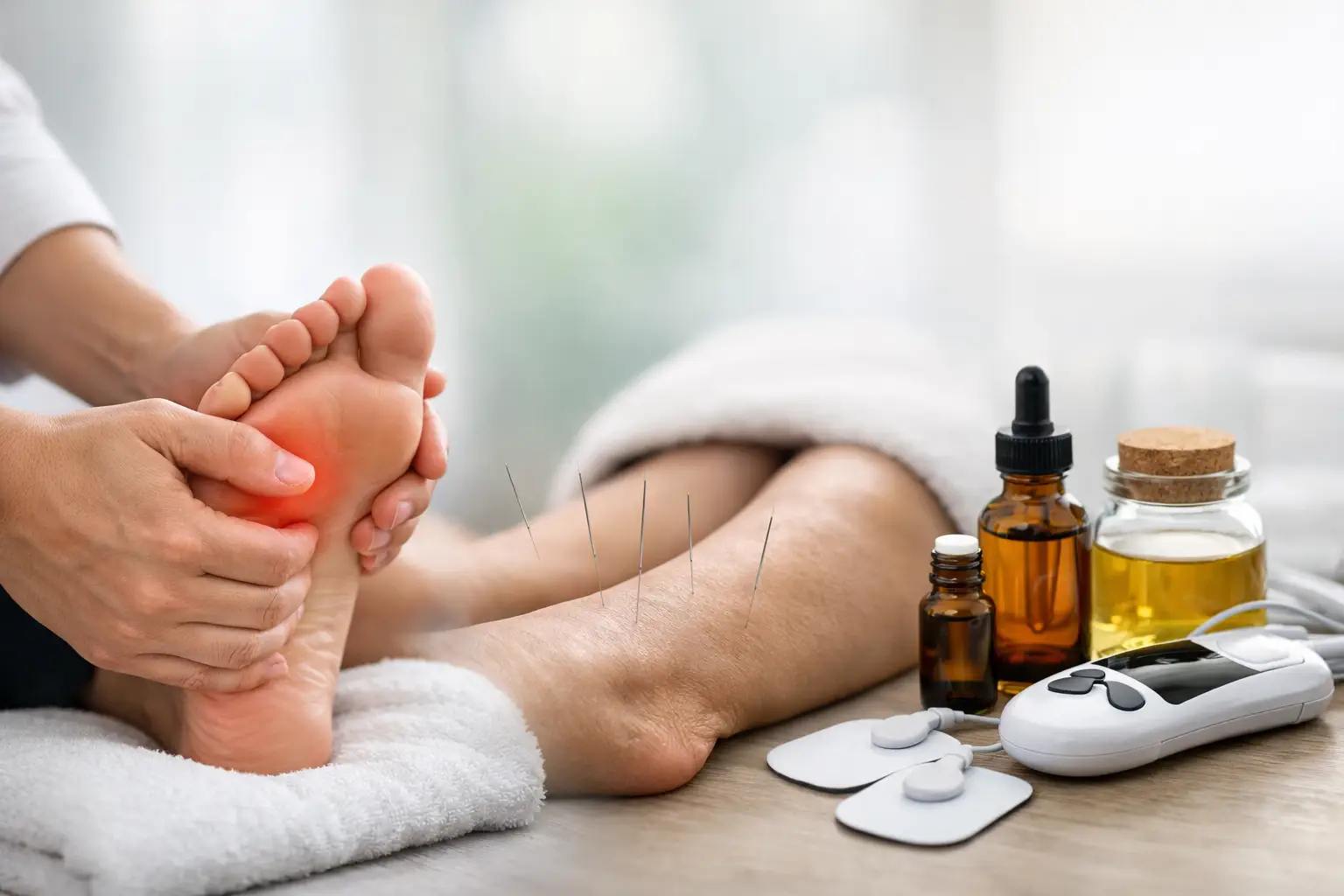
Soft tissue techniques may address protective muscle guarding and tender areas that limit motion. Functional dry needling can be considered when muscular trigger points are contributing to persistent pain or reduced movement. These treatments are most useful when paired with active rehabilitation, rather than used as a stand-alone solution.
Advanced therapies may also have a place in a personalized plan. Laser therapy may support pain management and tissue recovery for certain musculoskeletal conditions. Shockwave therapy may be considered for select soft tissue concerns, although it is not the right treatment for every type of neck pain. The key is matching the treatment to the diagnosis and response to care, not using the same service for every patient.
When disc irritation or nerve-related symptoms are involved, treatment requires additional care. Spinal decompression may be appropriate for some patients after a proper examination, while others may need a different strategy focused on symptom reduction, mobility, and gradual strengthening. A conservative plan should be adjusted as symptoms change, especially if radiating arm pain, numbness, or weakness is present.
Rehabilitation Is What Helps the Improvement Last
Passive treatments can provide welcome relief, but lasting progress usually requires rebuilding how the neck, shoulders, and upper back work together. Rehab exercises are not meant to be punishing. They are selected to help you regain control, tolerance, and confidence in normal movement.
A program may include deep neck flexor activation, shoulder blade control, thoracic spine mobility, rotator cuff strengthening, and gradual return-to-activity exercises. The right dosage matters. An athlete returning to training may need a different progression than an office professional who develops pain after long video calls, or an older adult managing degenerative stiffness.
This is also where movement analysis can be especially helpful. Repeatedly reaching, lifting, looking down, or working overhead may expose a weakness or compensation that is not obvious during a brief exam. Addressing that pattern can reduce the cycle of temporary relief followed by another flare-up.
Small Habits That Protect Your Neck
Long-term neck health is less about finding one perfect stretch and more about building variety into your routine. Move your neck and upper back throughout the day, gradually strengthen the muscles that support good shoulder mechanics, and increase activity levels at a pace your body can tolerate.
Stress management deserves attention too. Many people carry tension through the neck and shoulders without realizing it until pain appears. Regular walks, breathing exercises, strength training, and adequate sleep can all help reduce the physical effects of prolonged stress. If a workout or stretch consistently worsens symptoms, that is useful information, not a reason to push harder.
At Bell District Spine and Rehab, neck care is centered on finding the factors behind your symptoms and creating a practical, drug-free plan to help you move with greater comfort. The most useful next step is often a focused evaluation that replaces guesswork with a clear path toward recovery.