
A back injury rarely stays contained to the back. It can change how you get out of bed, sit through a workday, pick up a child, train at the gym, or enjoy a walk around Cedar Park. Effective back pain treatment should not simply chase a lower pain number for a few hours. It should identify why movement hurts, reduce stress on irritated tissues, and help your body return to the activities that matter to you.
Back pain is common, but the right care is never one-size-fits-all. A recent lifting injury, a disc-related flare-up, years of poor movement habits, arthritis, and nerve irritation can all create similar symptoms while requiring different approaches. A thoughtful evaluation is the starting point for a plan that supports meaningful, lasting improvement.
Why Back Pain Treatment Needs a Personalized Plan
The lower back is a busy intersection of joints, discs, muscles, nerves, and connective tissue. Pain may begin after a clear event, such as lifting a heavy box or twisting during a sport. It may also build gradually as repetitive sitting, limited mobility, weakness, or prior injuries change how the body moves.
Because of that complexity, the location of pain does not always reveal its source. A sharp ache near the beltline may involve a strained muscle or restricted spinal joint. Pain that travels through the buttock and into the leg may point to nerve irritation, often associated with sciatica. Stiffness that is strongest in the morning may require a different strategy than pain that worsens after prolonged sitting.
A quality examination looks beyond the painful area. It considers your posture, walking pattern, spinal motion, hip mobility, muscle control, work demands, exercise routine, and health history. The goal is to understand what is aggravating the problem, what movements you have begun to avoid, and what needs to improve for you to feel capable again.
What Non-Invasive Care Can Address
Many people want relief without relying heavily on medication or moving immediately toward invasive procedures. Conservative care can be an appropriate first step for many common musculoskeletal causes of back pain, particularly when treatment combines hands-on care with an active rehabilitation plan.
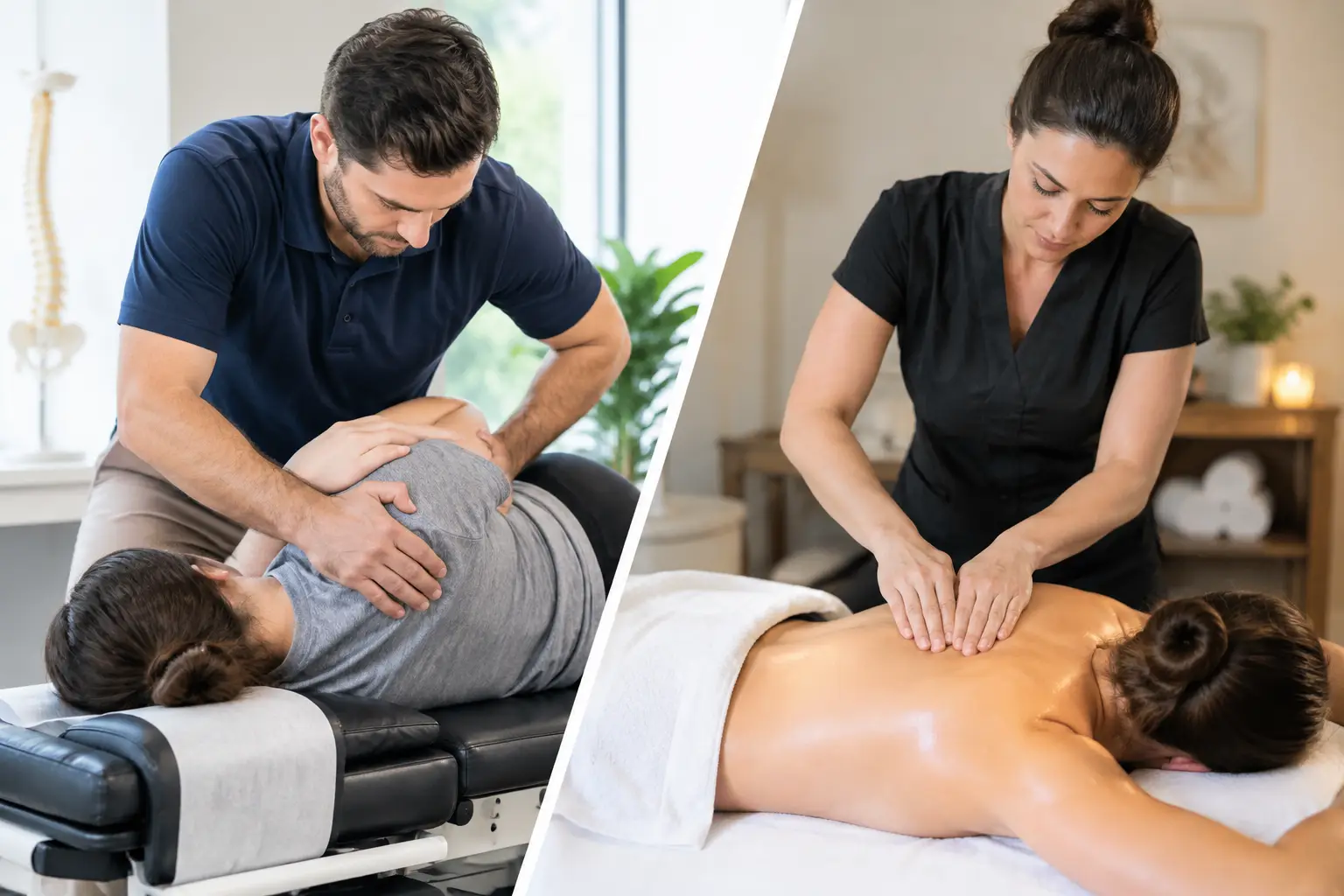
At Bell District Spine and Rehab, care plans may combine several therapies based on the patient’s condition, goals, and response to treatment. That can include chiropractic adjustments, soft tissue techniques, spinal decompression, laser therapy, functional dry needling, movement analysis, and structured rehabilitation. Not every patient needs every service. The value comes from selecting the right tools at the right stage of recovery.
Chiropractic care and manual adjustments
Restricted movement in the spinal joints can contribute to stiffness, guarding, and altered motion patterns. Gentle, targeted chiropractic adjustments or manual techniques may help restore joint mobility and reduce mechanical stress. For some patients, this can make everyday movements such as standing upright, turning, or bending more comfortable.
Adjustments are not a substitute for strengthening and movement retraining. They are often most useful when they create a window for a patient to move better and participate more comfortably in rehabilitation.
Spinal decompression for disc-related symptoms
Spinal decompression uses controlled traction to gently change pressure within the spine. It may be considered for certain disc-related conditions, including some cases of herniated or bulging discs, degenerative disc changes, or radiating leg pain. By reducing compressive stress and improving tolerance for movement, decompression can be a helpful part of a broader plan.
It is not the right fit for every type of back pain. A clinical assessment helps determine whether decompression is appropriate and whether other therapies should take priority.
Soft tissue care, dry needling, and therapeutic technology
When muscles remain tight or protective after an injury, they can keep the back painful even after the original trigger has improved. Soft tissue techniques can address areas of tension and sensitivity that limit normal movement. Functional dry needling may also be used in appropriate cases to target muscular trigger points and improve mobility.
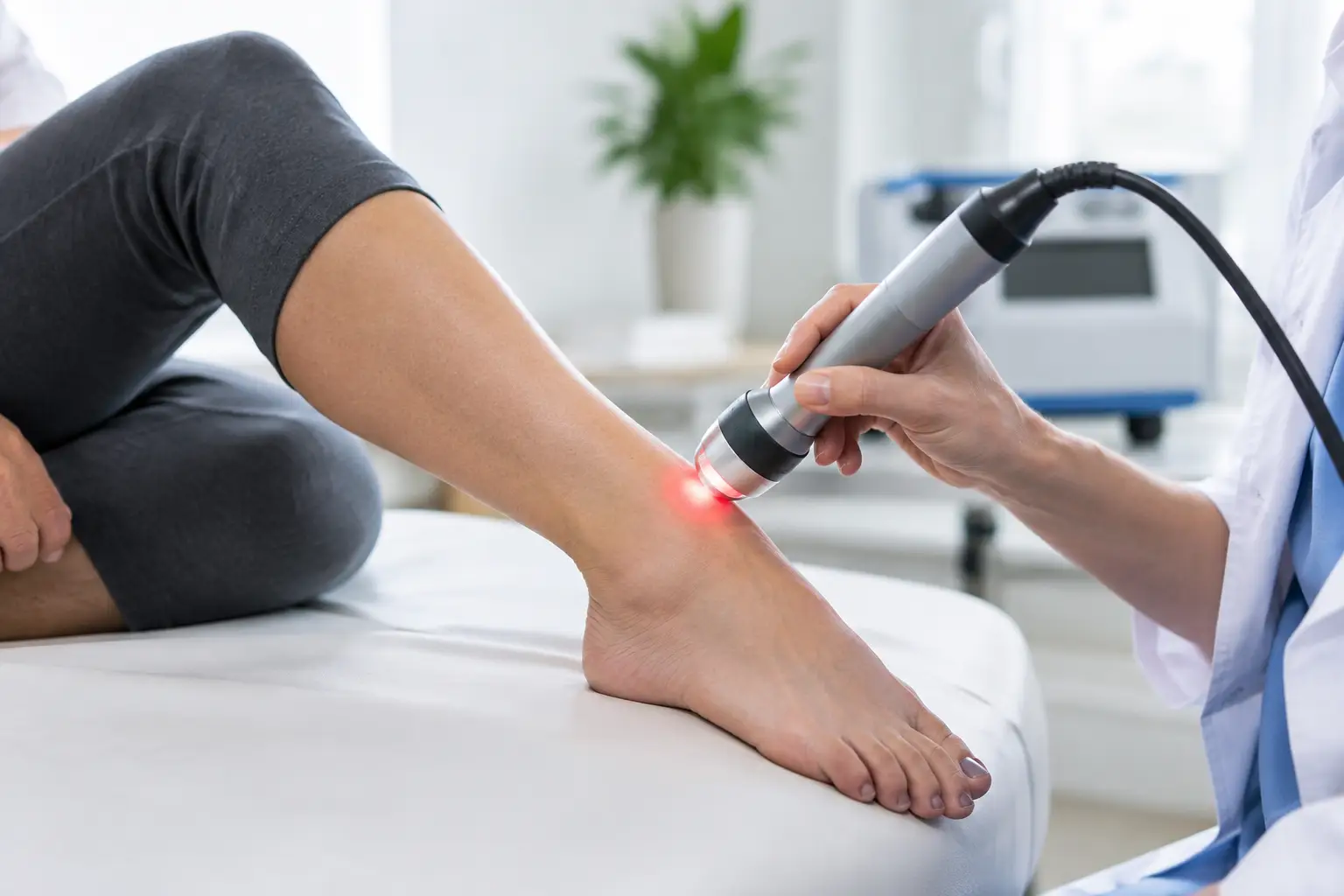
Shockwave therapy and laser therapy may be considered when tissue irritation, chronic pain, or slow-healing musculoskeletal conditions are part of the picture. These services are not magic fixes. They are supportive tools that can help reduce pain and improve tolerance for the movement-based work that creates longer-term change.
Rehab Is Where Back Pain Treatment Becomes Durable
Pain relief matters, especially when your back has been limiting sleep, work, or family life. But relief alone does not always correct the movement patterns that allowed the problem to persist or return. Rehabilitation helps bridge the gap between feeling better in the clinic and moving confidently in real life.
A rehab plan may focus on improving core control, hip strength, spinal mobility, balance, lifting mechanics, and endurance. For an office professional, that may mean learning how to break up long periods of sitting and rebuild tolerance for standing or commuting. For an athlete, it may involve restoring rotation, landing control, and strength for a safe return to training. For an older adult, the priorities may be walking comfortably, improving stability, and making daily tasks less taxing.
The exercises should be specific enough to address your limitations but realistic enough to complete consistently. A program that looks impressive on paper but does not fit your schedule or ability is unlikely to produce the result you want. Progression matters too. Early exercises may be designed to calm symptoms and restore basic motion, while later phases build strength and resilience for higher-demand activities.
When Back Pain Needs Prompt Medical Evaluation
Most mechanical back pain improves with appropriate conservative care, but certain symptoms require urgent medical attention. Seek prompt evaluation if back pain occurs with new bowel or bladder changes, numbness in the groin area, significant or progressive leg weakness, fever, unexplained weight loss, severe pain after a major fall or accident, or a history of cancer combined with new back pain.
Persistent pain also deserves attention, even without emergency warning signs. If symptoms keep returning, limit your ability to work or exercise, spread into the leg, or do not improve as expected, an examination can help clarify the next step. Imaging is sometimes useful, but it is not always necessary at the beginning. The decision should be based on your symptoms, exam findings, and medical history rather than pain alone.
Small Daily Changes That Support Recovery
Treatment in the clinic is only one part of improving back health. Your daily habits can either reinforce recovery or repeatedly aggravate the area. Avoiding every uncomfortable movement is rarely the answer, since prolonged rest can increase stiffness and reduce confidence. Controlled, gradual movement is usually more productive.
Consider how your back feels after your most common activities. If sitting is a trigger, brief movement breaks throughout the day may help more than waiting for one long stretch at night. If lifting causes pain, examine the load, your setup, and whether you are using your hips and legs rather than asking your low back to do all the work. If exercise has been inconsistent, start with an achievable plan instead of trying to make up for lost time in one session.
Sleep, stress, and recovery also influence pain. A difficult workweek can increase muscle tension and reduce your ability to tolerate activities that normally feel manageable. That does not mean the pain is “all in your head.” It means the nervous system and the musculoskeletal system affect each other, and a complete plan should account for both.
A Better Standard for Care
The best back pain treatment is not defined by a single device, exercise, or adjustment. It is defined by whether the plan matches your condition, reduces unnecessary fear around movement, and helps you return to the life you want to live. Some patients improve quickly after an acute strain. Others with chronic pain, sciatica, or degenerative changes need a more gradual process with consistent care and progressive rehabilitation.
You do not have to accept recurring back pain as the cost of getting older, working hard, or staying active. With a clear assessment and a personalized, non-invasive plan, it is possible to move with less pain, greater confidence, and a stronger foundation for the activities ahead.