
A painful back that tightens every time you stand from your desk. A knee that no longer trusts the stairs. Neck pain after a car accident that keeps returning despite rest. When symptoms interfere with work, exercise, sleep, or family time, the question of chiropractic care vs physical therapy is more than a comparison of services. It is about finding a plan that helps you move with less pain and more confidence.
Both approaches can play a valuable role in conservative musculoskeletal care. The right choice depends on your diagnosis, symptoms, movement limitations, health history, and goals. In many cases, the best plan is not an either-or decision at all.
Chiropractic Care vs Physical Therapy: The Main Difference
Chiropractic care focuses on how the spine, joints, muscles, and nervous system work together. Chiropractors evaluate movement restrictions, joint irritation, posture, muscle tension, and other mechanical factors that may be contributing to pain. Treatment often includes hands-on adjustments or mobilization, soft tissue techniques, and recommendations to improve how the body moves and functions.
Physical therapy is centered on restoring movement, strength, balance, endurance, and function through a structured rehabilitation process. A physical therapist may use hands-on treatment as well, but therapeutic exercise, progressive loading, movement retraining, and home exercises are often the foundation of care.
There is meaningful overlap. Both providers may assess posture, range of motion, strength, walking mechanics, and daily activity limitations. Both may treat back pain, neck pain, shoulder injuries, knee pain, sports injuries, and pain after an accident. The difference is often one of emphasis: chiropractic care commonly prioritizes joint and spinal mechanics, while physical therapy commonly prioritizes exercise-based rehabilitation and functional progression.
When Chiropractic Care May Be a Good Fit
Chiropractic care can be especially helpful when pain is linked to joint stiffness, restricted spinal movement, muscle guarding, or irritation that makes everyday movement difficult. Patients often seek chiropractic treatment for acute low back pain, neck pain, headaches related to neck tension, sciatica symptoms, disc-related pain, and discomfort after lifting, travel, or repetitive work.
An adjustment is not simply a quick fix for a painful spot. When appropriate, it can help improve joint motion and reduce the protective tension that develops around irritated areas. That may make it easier to walk, turn your head, bend, sleep, or begin rehabilitative exercise.
However, chiropractic treatment should not be limited to adjustments alone. Lasting improvement usually requires identifying why the problem developed or keeps returning. That may include poor lifting mechanics, reduced hip mobility, weak trunk control, an old injury, repetitive workplace strain, or a training routine that exceeds what the body can currently tolerate.
For patients in Cedar Park and nearby communities, Bell District Spine and Rehab combines chiropractic care with movement analysis and rehabilitation strategies so treatment can address pain relief and the functional changes needed to keep moving forward.
When Physical Therapy May Be the Better Starting Point
Physical therapy may be the best first step when the primary concern is rebuilding strength, stability, coordination, or confidence after an injury or procedure. For example, someone recovering from a fracture, joint replacement, ligament injury, significant surgery, or prolonged immobilization may need a carefully progressed program to restore function safely.
It can also be particularly useful when pain occurs during a specific activity, such as running, climbing stairs, reaching overhead, squatting, or getting up from the floor. A physical therapist can break down that movement, identify limitations, and build a progression that matches the patient’s current ability.
The exercise portion matters because tissues need gradual, appropriate load to adapt. Strengthening a weak shoulder, retraining balance after a fall, or improving knee control after an injury takes more than short-term pain relief. It requires repetition, progression, and a plan that fits real life.
That said, exercise is harder to perform well when pain is severe or movement is highly restricted. This is one reason hands-on care and rehabilitation often work well together.
Why a Combined Approach Often Makes Sense
Many musculoskeletal conditions involve both an immediate pain problem and an underlying movement problem. A runner with hip pain may have irritated tissue that needs symptom relief, but also poor pelvic control that needs retraining. A person with sciatica may need help calming pain and improving spinal mobility, while also rebuilding tolerance for sitting, bending, and lifting.
A coordinated plan can use chiropractic techniques, soft tissue work, spinal decompression, or other appropriate therapies to reduce discomfort and improve mobility. Rehabilitation can then build strength, improve movement patterns, and help the body tolerate daily demands. The purpose is not to keep patients dependent on passive treatment. It is to help them return to activities with a stronger foundation.
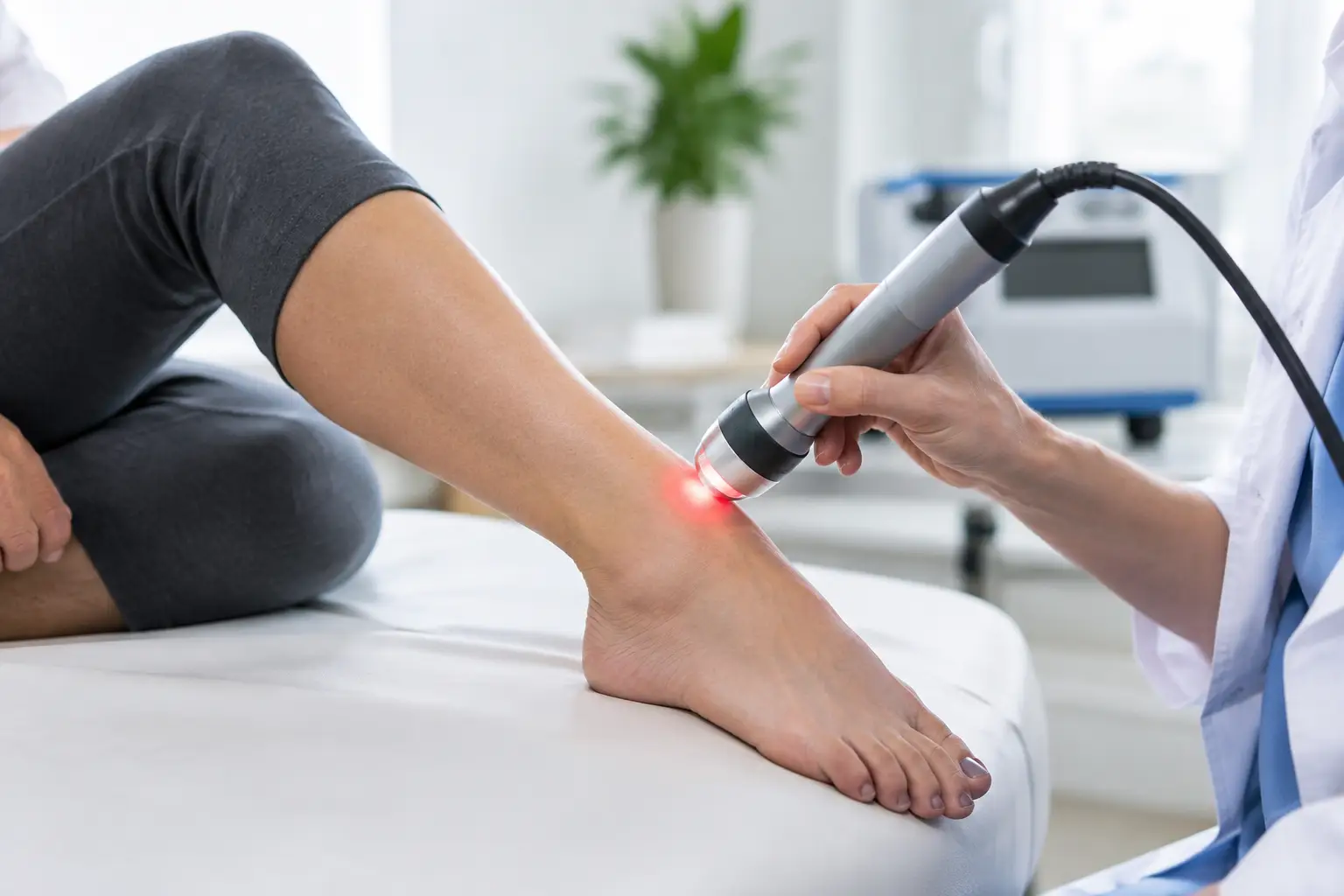
Advanced options may also have a place depending on the condition. Shockwave therapy can be considered for certain chronic tendon problems. Laser therapy may be used to support pain management and tissue recovery. Functional dry needling can help address muscular trigger points and movement restriction in appropriate patients. These treatments are tools, not automatic answers. They should be selected after a thorough evaluation and integrated into an individualized plan.
How to Choose Based on Your Symptoms and Goals
Start with the outcome you need most right now. If your back seized up after lifting a box and you cannot comfortably straighten up, chiropractic evaluation may offer a practical path to restoring motion and reducing pain. If you are several weeks out from an ankle sprain and still feel unstable on uneven ground, focused rehabilitation may be the priority.
For chronic pain, consider what has been missing from past care. If you have only received medication or passive treatment, you may benefit from a plan that includes movement assessment and progressive exercise. If you have been trying exercises but pain prevents you from doing them correctly, hands-on treatment may help create a more comfortable starting point.
A few questions can clarify the decision:
- Is pain the main barrier, or is weakness, instability, or poor endurance limiting you most?
- Did symptoms begin suddenly after an injury, or build gradually over months or years?
- Are you trying to return to a specific activity, such as golf, running, lifting, or caring for grandchildren?
- Have you had imaging, surgery, a diagnosed condition, or health concerns that should shape your treatment plan?
Your provider should listen carefully to your answers rather than applying the same protocol to every patient.
Safety, Evaluation, and Knowing When to Seek Medical Care
Conservative care is not appropriate for every situation. New bowel or bladder changes, numbness in the groin area, rapidly worsening weakness, unexplained weight loss, fever with severe back pain, chest pain, significant trauma, or symptoms of a stroke require urgent medical evaluation. Severe pain that does not improve or pain accompanied by concerning neurological symptoms should also be assessed promptly.
A responsible chiropractor or physical therapist will screen for red flags, review your health history, and refer you for medical imaging or specialist care when needed. Treatment should be adapted for factors such as osteoporosis, inflammatory conditions, recent surgery, pregnancy, blood-thinning medication, neurological disorders, and prior injuries.
It is also reasonable to ask what your treatment plan includes, how progress will be measured, and what you can do at home. Clear answers build trust. Good care has a purpose, a timeline for reassessment, and adjustments when your body is not responding as expected.
Will I Need to Choose Only One?
Not necessarily. Some patients begin with chiropractic care to improve painful restrictions, then shift toward a more exercise-focused rehabilitation phase. Others receive both forms of care as part of one integrated plan. The appropriate sequence depends on your condition and how you respond.
How Long Does Recovery Take?
A mild strain may improve within days or weeks, while chronic pain, disc injuries, tendon conditions, and degenerative joint problems often require a longer process. Consistency with appointments, home exercises, sleep, activity modifications, and gradual return to exercise can all affect recovery.
Should Treatment Hurt?
Some soreness can occur after an adjustment, manual therapy, dry needling, or new exercise program, especially early in care. Treatment should not feel intolerable, and symptoms should be monitored. Tell your provider if pain increases sharply, new symptoms appear, or post-treatment soreness lasts longer than expected.
The most useful choice is the one that meets you where you are now and gives you a realistic path back to the activities that matter. Whether that begins with chiropractic care, physical therapy, or both, look for personalized evaluation, measurable goals, and support that helps you build lasting mobility rather than simply chase the next pain-free day.