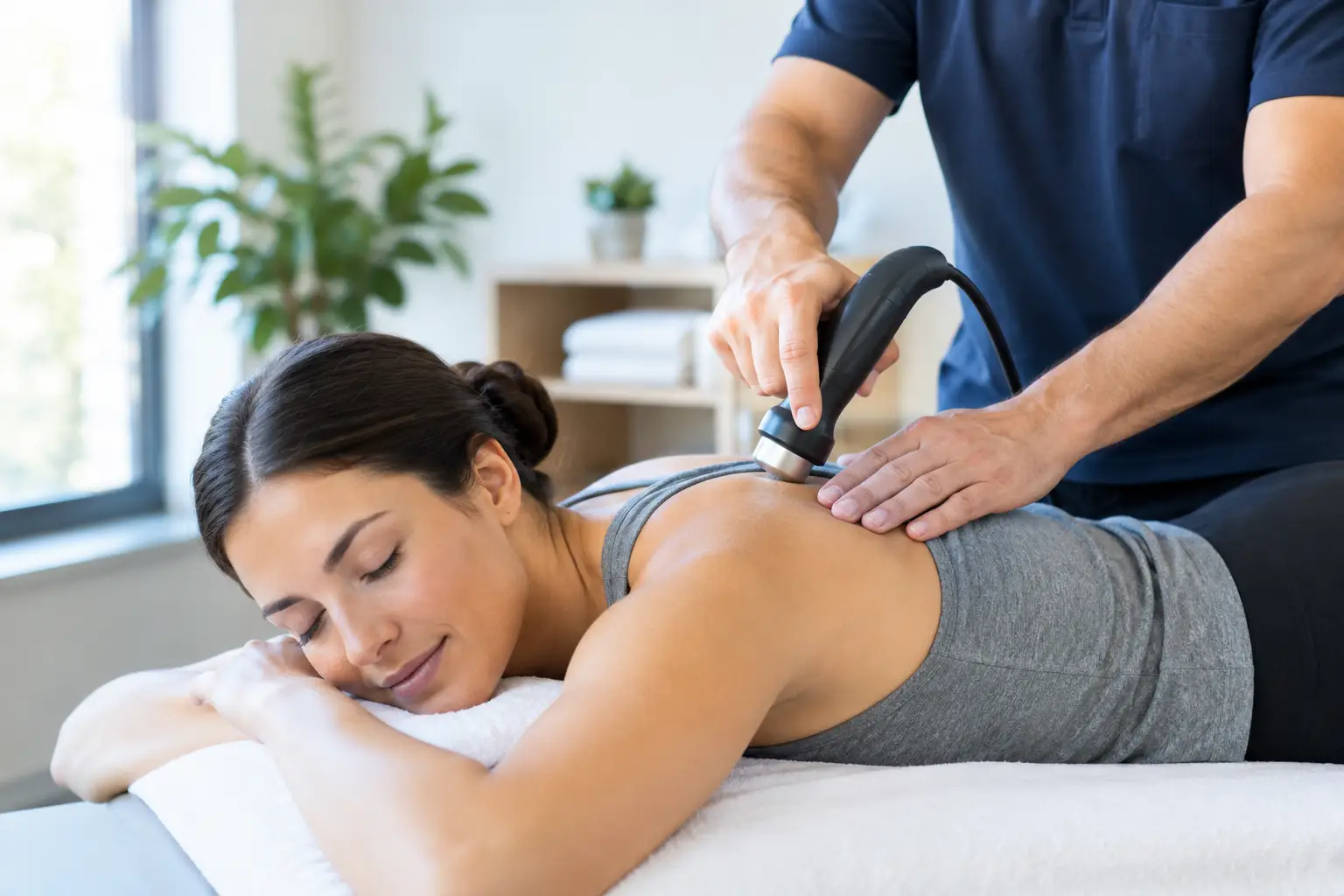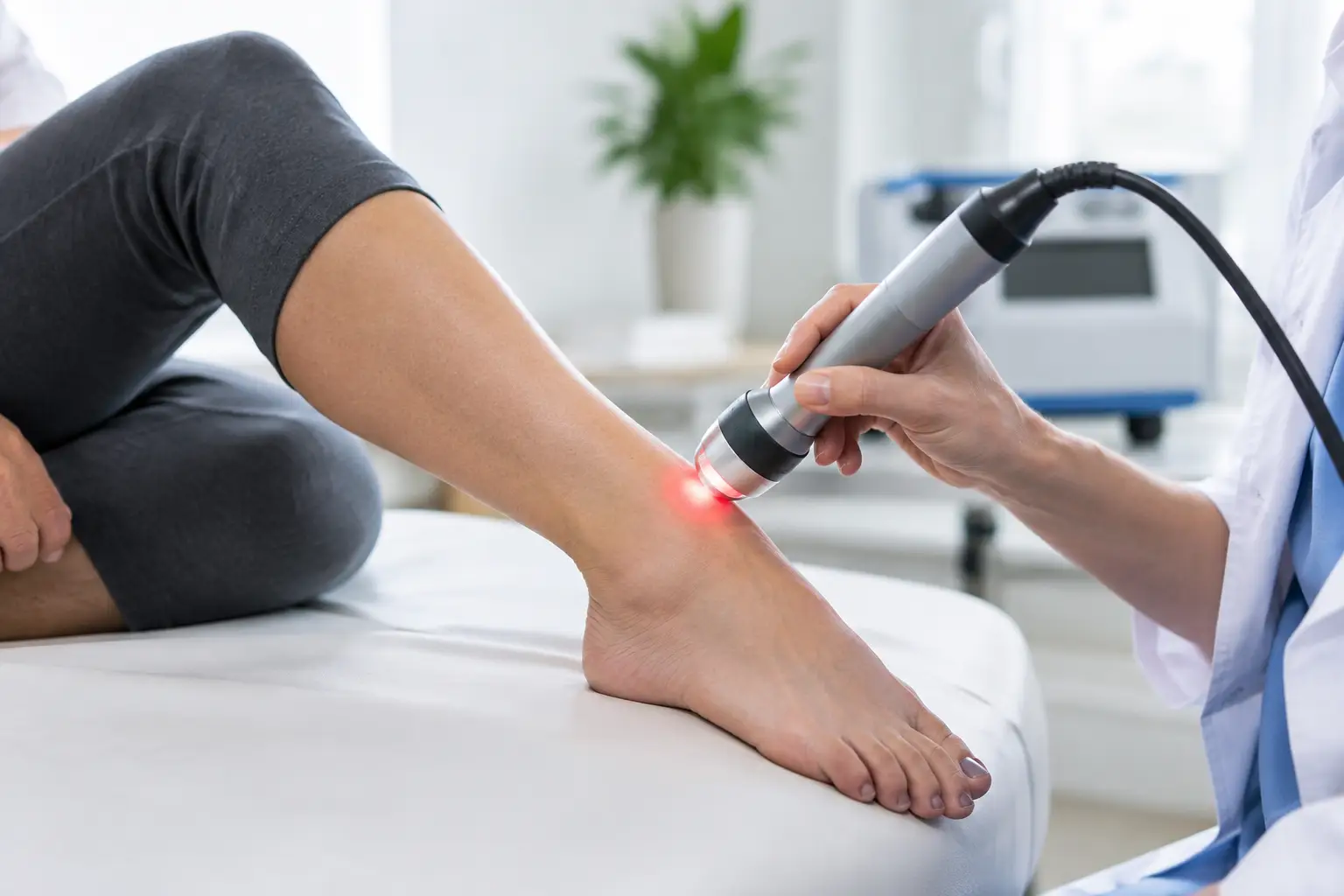
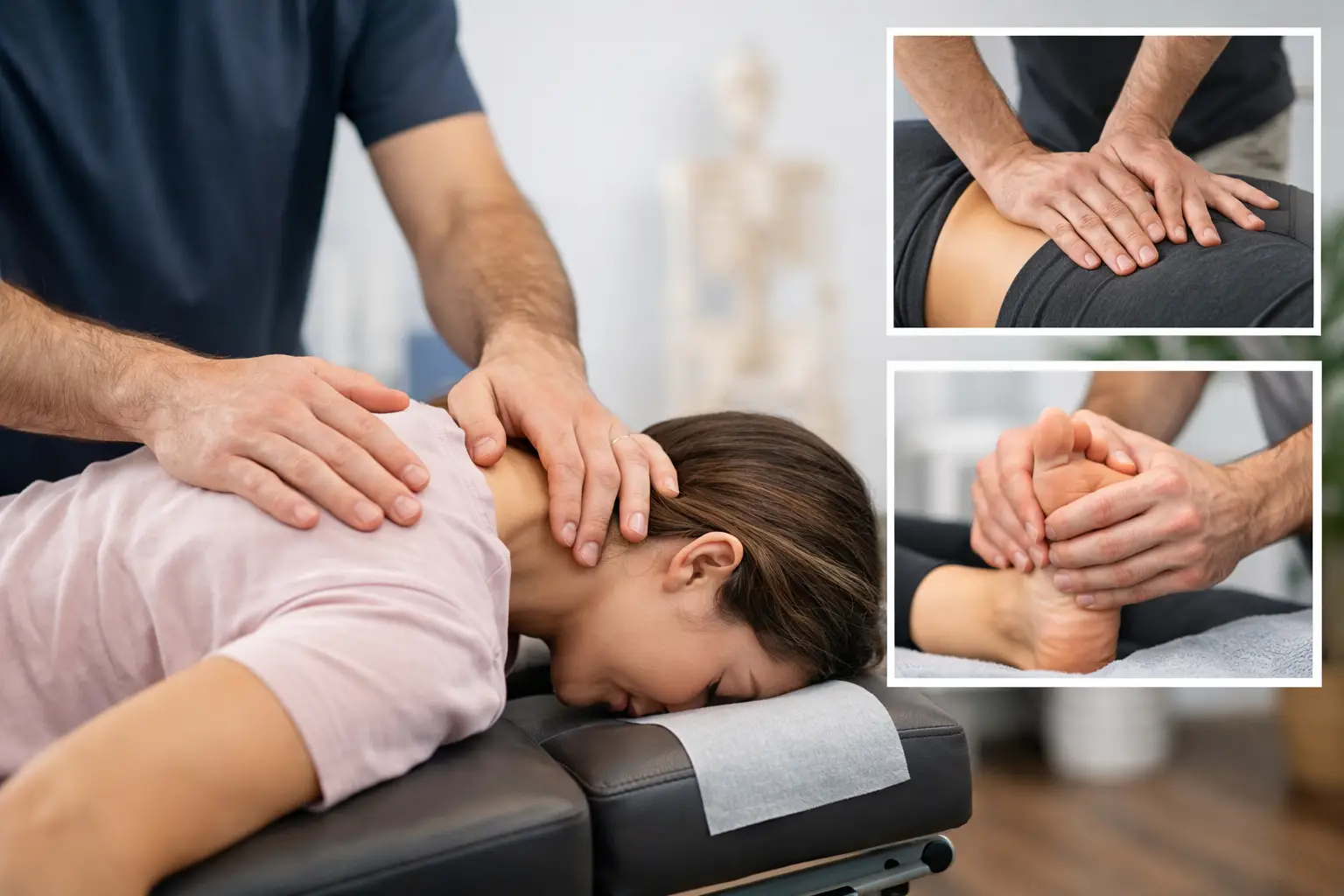
A stiff neck that makes backing out of a driveway difficult, low back pain that flares after a long workday, or a nagging sports injury that changes the way you walk can all limit far more than comfort. Manual chiropractic techniques are hands-on approaches used to improve joint motion, reduce mechanical irritation, and help the body move with less restriction. They are not a one-size-fits-all treatment, and the right approach depends on your condition, health history, symptoms, and recovery goals.
For many people in Cedar Park, Austin, Leander, and Round Rock, hands-on care is appealing because it offers a conservative path forward. The goal is not simply to chase a painful spot. It is to identify contributing movement issues, restore function where possible, and build a plan that helps you return to work, exercise, family life, and the activities that matter to you.
What Are Manual Chiropractic Techniques?
Manual chiropractic care refers to treatment performed directly by a chiropractor’s hands. It may involve a precise adjustment to a spinal or extremity joint, gentle joint mobilization, guided stretching, or soft tissue work for muscles and connective tissue that are tense or irritated.
A joint can become restricted after an injury, prolonged sitting, repetitive lifting, poor movement patterns, or age-related changes. When it does, surrounding muscles may tighten to protect the area. That protective response can be useful at first, but it may also contribute to stiffness, reduced range of motion, and compensations elsewhere in the body.
Manual treatment is designed to address those mechanical limitations. Some techniques use a quick, controlled movement to a specific joint. Others are slower and lighter, using repeated motion within a comfortable range. Neither approach is automatically better. A chiropractor should select the technique based on the body region involved, the level of irritability, your preferences, and clinical findings from your examination.
Manual Chiropractic Techniques and Common Care Goals
People often associate chiropractic adjustments only with back pain. In practice, hands-on treatment may be part of care for a wider range of musculoskeletal concerns. It can be used to support recovery from neck pain, headaches related to neck dysfunction, sciatica symptoms, disc-related pain, shoulder or hip restrictions, knee problems, and sports injuries.
Spinal adjustments
A spinal adjustment is a specific, controlled force applied to a joint that is not moving well. It may create a popping sound, but that sound is simply a pressure change within the joint and is not the measure of a successful treatment. Many patients notice easier movement or reduced tension afterward, although responses vary.
Adjustments may be helpful when a patient has joint restriction and pain that appears related to spinal mechanics. They are generally not intended as a stand-alone answer for every type of back or neck problem. Persistent pain, nerve symptoms, or a recent injury may require a broader plan that includes rehabilitation, imaging referral when appropriate, or coordination with another healthcare provider.
Joint mobilization
Mobilization uses slower, repetitive movements to guide a joint through a controlled range. This approach is often useful for patients who prefer a gentler option, are recovering from an acute flare-up, or need care around areas such as the shoulder, hip, ankle, or knee.
Because mobilization can be adjusted in speed and pressure, it gives the clinician room to work within your tolerance. The purpose is still functional: improve available motion, reduce guarding, and make it easier to begin the exercises that help hold those gains over time.
Soft tissue techniques
Pain is not always only a joint problem. Tight or overworked muscles, irritated tendon tissue, and restricted connective tissue can alter how the body moves. Hands-on soft tissue techniques may include targeted pressure, assisted stretching, or work around trigger points and muscle groups that are contributing to a movement problem.
For example, someone with recurring low back discomfort may also have limited hip mobility and tight muscles around the pelvis. A runner with knee pain may have poor control at the hip or ankle. Treating the symptomatic area can be appropriate, but a more complete plan looks at the forces and movement patterns feeding the issue.
Extremity adjustments
Chiropractic care can also address joints outside the spine. The shoulder, elbow, wrist, hip, knee, ankle, and foot all need coordinated motion for daily activities and sports. An extremity adjustment or mobilization may be considered when an exam identifies a local restriction that is affecting function.
This can be especially relevant after an athletic injury, repetitive work activity, or a period of altered walking caused by pain. The treatment should be paired with guidance on strengthening and movement control, not treated as a quick fix that replaces active recovery.
Why an Examination Comes First
The most effective manual care begins before the first adjustment. A thorough examination helps distinguish between a mechanical issue that may respond well to conservative treatment and a situation that needs additional medical evaluation.
Your chiropractor should discuss the location and behavior of your symptoms, how the problem began, what makes it better or worse, previous injuries, medications, and relevant health conditions. Movement testing, orthopedic testing, neurologic screening, and strength assessment can help shape the treatment plan.
This process matters because similar symptoms can have different causes. Tingling down a leg may be related to nerve irritation, but its severity and pattern influence how care is approached. Neck pain after a minor strain is different from neck pain with severe headache, dizziness, weakness, or other concerning symptoms. Safe care means knowing when hands-on treatment is appropriate and when it is not.
The Role of Rehab After Hands-On Care
Manual treatment can create an opportunity for better movement, but lasting improvement usually requires active participation. If pain has caused you to avoid bending, turning, loading a leg, or reaching overhead, the body may need guided practice to regain confidence and capacity.
That is where rehabilitation becomes essential. A personalized program may include mobility drills, core or joint-specific strengthening, balance work, posture coaching, and movement retraining. The exercises should match your current ability and build gradually. An office worker with low back pain, a parent lifting children, and a competitive athlete may share a diagnosis but need very different return-to-activity plans.
At Bell District Spine and Rehab, manual care can be integrated with structured rehabilitation and other non-invasive therapies when clinically appropriate. This combination allows treatment to address immediate mobility restrictions while also working toward better strength, movement quality, and resilience.
What a Typical Visit May Feel Like
A first visit commonly includes a conversation about your symptoms and goals, an examination, and a clear explanation of recommended care. If manual treatment is appropriate, your chiropractor should explain what technique will be used and what you may feel. You should be comfortable asking questions or expressing a preference for a lower-force option.
After treatment, some people feel looser or notice improved range of motion right away. Others have mild soreness similar to what they might feel after exercise, particularly if the area has been sensitive or inactive. That soreness is usually temporary, but you should report any unusual or worsening symptoms to your provider.
Progress is rarely perfectly linear. An acute injury may improve quickly, while a longstanding condition often requires more time, consistency, and changes in daily habits. The plan should be reassessed as your symptoms and function change rather than continuing the same approach indefinitely.
When Manual Care May Need a Different Approach
Manual chiropractic techniques are not appropriate for every person or every condition. Certain fractures, severe osteoporosis, active infection, some inflammatory conditions, significant instability, and specific neurologic or vascular concerns can change or rule out particular techniques. A qualified provider will screen for these factors and modify care when needed.
Seek prompt medical evaluation for symptoms such as new bowel or bladder changes, progressive weakness, numbness in the groin area, severe unrelenting pain, fever with back pain, unexplained weight loss, or pain following a significant trauma. These signs do not automatically mean a serious condition is present, but they deserve timely assessment.
The right conservative care plan is one that respects both your goals and your safety. It should give you a clear understanding of what is being treated, why a technique is recommended, and what you can do between visits to support recovery.
Better movement is often built one practical step at a time. When hands-on treatment is matched with a careful evaluation and a personalized rehab plan, it can help turn painful limitations into a more confident path back to daily life.