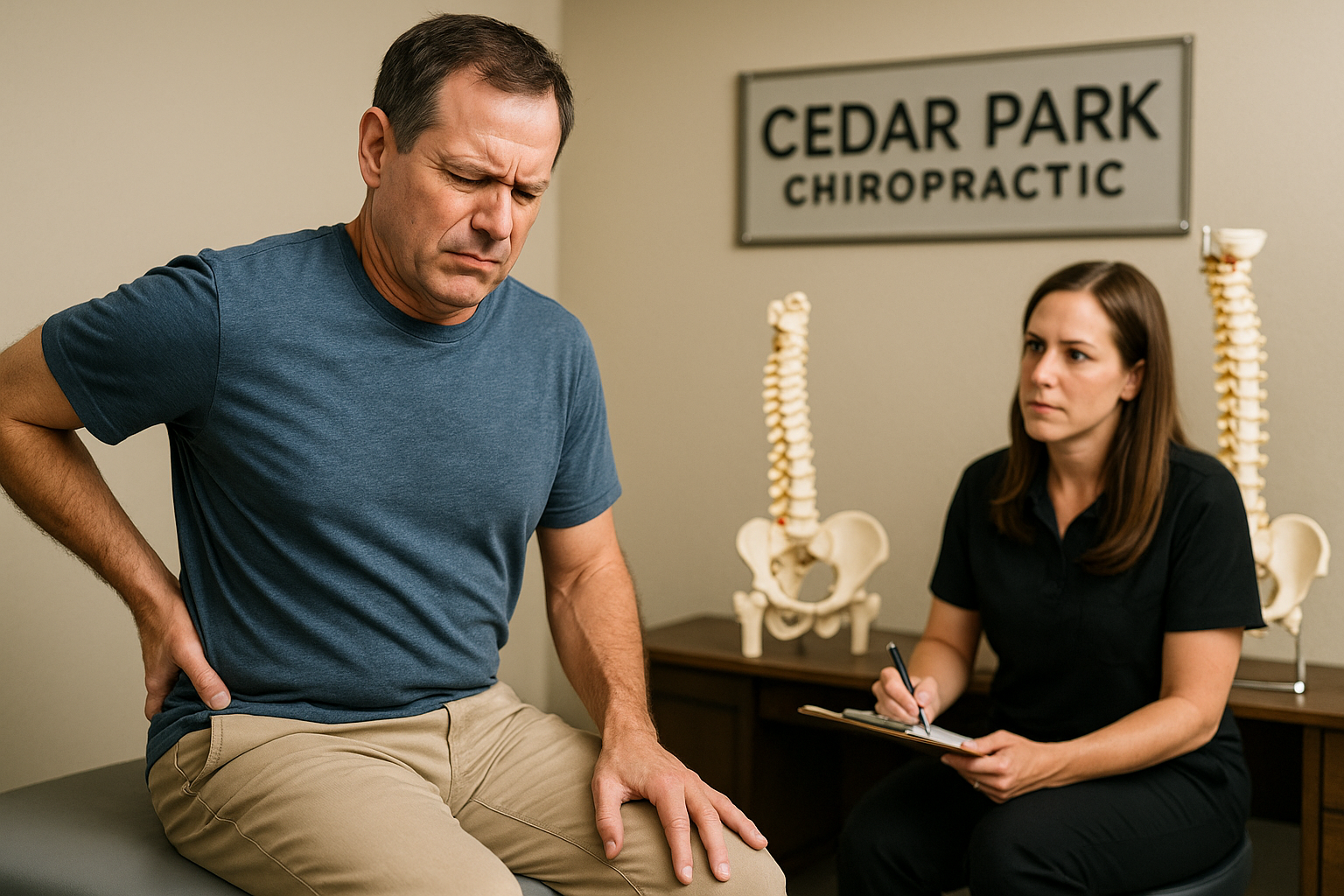
Leg pain can be frustrating, disruptive, and surprisingly hard to identify. Many people in Cedar Park assume that pain running from the low back or buttock down the leg must be sciatica, but that is not always the case. In some cases, the real problem is piriformis syndrome, a condition involving a small muscle deep in the buttock that can irritate the sciatic nerve and create symptoms that feel very similar.
Understanding the difference between sciatica vs piriformis syndrome in Cedar Park matters because the best treatment approach depends on what is actually causing the pain. While both conditions can lead to radiating leg discomfort, numbness, tingling, or weakness, they do not always start for the same reason and they are not always managed in exactly the same way.
If you are trying to figure out why your leg hurts, this guide explains how sciatica and piriformis syndrome compare, what symptoms often point to one versus the other, and how a leg pain chiropractor in Cedar Park may evaluate non-surgical options to help improve movement, reduce irritation, and support recovery.
Why sciatica and piriformis syndrome are often confused
Sciatica is not a diagnosis by itself as much as it is a description of symptoms caused by irritation or compression of the sciatic nerve. The sciatic nerve is the largest nerve in the body. It begins in the lower spine, passes through the buttock, and travels down the back of each leg. When the nerve is irritated anywhere along that path, symptoms can appear in the low back, hip, buttock, thigh, calf, or foot.
Piriformis syndrome involves the piriformis muscle, a small muscle located deep in the buttock near the sciatic nerve. If that muscle becomes tight, inflamed, irritated, or spasms, it may put pressure on the sciatic nerve and create symptoms that mimic sciatica.
That overlap is why the two conditions are so easy to mix up. Both may cause:
- Buttock pain
- Pain that travels down one leg
- Tingling or burning sensations
- Numbness in part of the leg
- Discomfort when sitting for long periods
- Increased pain with certain movements
The key difference is often where the irritation starts. With sciatica, the problem frequently begins in the lower back. With piriformis syndrome, the problem more often begins in the buttock and hip region.
What sciatica usually feels like
Sciatica commonly happens when a nerve root in the lower spine is compressed or inflamed. This can occur for several reasons, including a disc issue, spinal narrowing, joint irritation, or other mechanical stress affecting the low back.
Typical sciatica symptoms may include:
- Low back pain combined with leg pain
- Sharp, shooting, or electric-like pain down one leg
- Pain that extends below the knee
- Numbness or tingling in the calf or foot
- Weakness in the leg or foot
- Increased symptoms with coughing, sneezing, or straining
- Pain that worsens after prolonged sitting or standing
In many cases, the leg pain is more noticeable than the back pain. Some people describe it as a line of pain that starts in the lower back or buttock and shoots down the back of the thigh. Others notice burning pain, pins and needles, or heaviness in the leg.
When people seek sciatica treatment in Cedar Park, one of the most important first steps is determining whether the nerve irritation is truly coming from the spine or from a nearby structure such as the piriformis muscle.
What piriformis syndrome usually feels like
Piriformis syndrome tends to create pain that begins in the buttock area and may radiate down the leg because the sciatic nerve passes very close to the piriformis muscle. In some individuals, the nerve even travels through part of the muscle, which may increase the chance of irritation.

Common symptoms of piriformis syndrome may include:
- Deep aching pain in the buttock
- Tenderness in the hip or glute area
- Pain that gets worse after sitting for a long time
- Discomfort when climbing stairs, squatting, or running
- Radiating pain down the back of the thigh
- Tingling or numbness in the leg, though often less extensive than classic sciatica
- Minimal or no low back pain
People looking for piriformis syndrome relief in Cedar Park often notice that the pain is strongly connected to hip movement, prolonged sitting, overuse, or gluteal tightness. For example, someone who spends long hours driving, works at a desk, or recently increased activity like cycling or running may begin to feel persistent buttock pain that starts spreading down the leg.
Sciatica vs piriformis syndrome: practical clues that may help
Although only a proper evaluation can identify the true source of nerve-related leg pain, some patterns can offer useful clues.
Clue 1: Where the pain starts
If symptoms begin in the lower back and then travel into the buttock and leg, sciatica related to the spine may be more likely. If the pain clearly starts deep in the buttock and there is little to no back pain, piriformis syndrome may be more likely.
Clue 2: What makes it worse
Sciatica may flare with spinal movements such as bending forward, twisting, lifting, or prolonged standing. Piriformis syndrome often becomes more painful with sitting, crossing the legs, climbing stairs, or activities that stress the hip rotators.
Clue 3: How far the pain travels
Both conditions can radiate down the leg, but spinal sciatica more commonly travels below the knee and into the foot. Piriformis syndrome may stay more concentrated in the buttock and upper leg, although it can still extend farther in some cases.
Clue 4: Whether numbness or weakness is significant
More pronounced numbness, muscle weakness, or reflex changes may suggest nerve root involvement in the spine rather than irritation from the piriformis muscle alone. These signs deserve careful evaluation.
Clue 5: Whether the buttock is tender to touch
With piriformis syndrome, pressing on the deep buttock region may reproduce pain. There may also be tension or restriction with certain hip movements. Sciatica caused by the low back may not create the same localized tenderness in the glute area.
Common causes and risk factors
Both conditions can affect active adults, office workers, drivers, and people whose daily habits place repeated stress on the spine or hips.
Common contributors to sciatica
- Disc irritation or disc bulging in the lumbar spine
- Spinal joint dysfunction
- Narrowing around the nerve roots
- Poor lifting mechanics
- Long periods of sitting
- Deconditioning or reduced core support
- Repetitive bending and twisting
Common contributors to piriformis syndrome
- Prolonged sitting
- Overuse from running or cycling
- Tight hip muscles
- Weak gluteal support
- Recent increases in activity
- Muscle imbalance
- Direct strain to the buttock area
In real life, the picture is not always simple. Some people have both lumbar dysfunction and piriformis irritation at the same time. That is one reason self-diagnosis can be misleading and why a structured assessment is important.
How an evaluation can help identify the real source
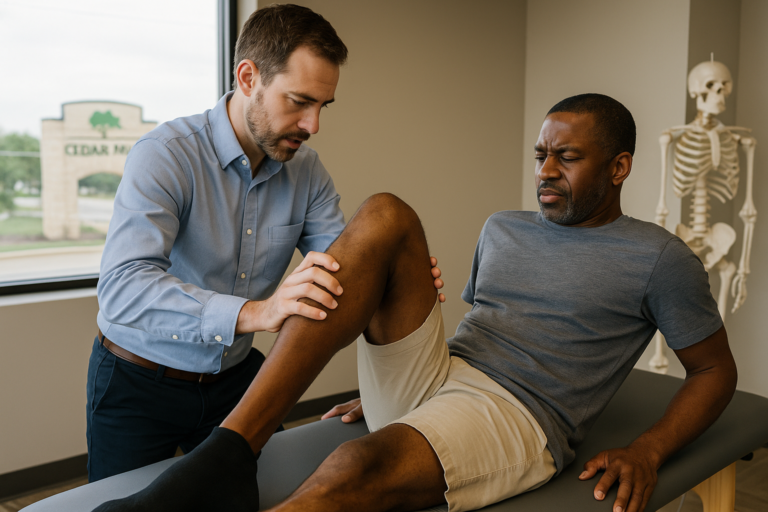
A provider evaluating leg pain will usually look at several factors rather than relying on symptoms alone. This may include a health history, movement assessment, posture review, orthopedic testing, neurological screening, and examination of the spine, pelvis, and hip.
For example, evaluation may focus on:
- Whether lumbar movement increases or decreases symptoms
- Whether certain hip positions reproduce buttock pain
- How the person walks, stands, and sits
- Whether there is muscle weakness, altered sensation, or reflex change
- Whether soft tissue tension in the piriformis or surrounding muscles is present
- Whether joint restriction in the lower back or pelvis is contributing
This type of examination helps guide the treatment plan. For someone seeking non-surgical leg pain treatment in Cedar Park, the goal is not just naming the condition, but identifying the mechanical factors that may be keeping it active.
When symptoms should not be ignored
Even though many cases of sciatica or piriformis-related pain improve with conservative care, certain symptoms deserve prompt medical attention. Seek urgent evaluation if leg pain is accompanied by:
- Severe or rapidly worsening weakness
- Loss of bowel or bladder control
- Numbness in the groin or saddle region
- Fever, unexplained weight loss, or signs of infection
- Pain after a significant fall, crash, or other trauma
- Persistent pain that is intense and unrelenting
These red flags can indicate a more serious issue and should not be treated as routine muscle tightness or standard sciatica.
Non-surgical treatment approaches that may help
Many people prefer to start with conservative care before considering more invasive options. The right approach depends on the cause, severity, and duration of symptoms, as well as the person’s activity level and overall health.
For sciatica related to spinal irritation
Conservative care often focuses on reducing nerve irritation, restoring motion, and improving support around the lower back and pelvis. Depending on the individual case, this may include:
- Movement-based care to improve spinal mechanics
- Manual therapy for restricted joints and surrounding tissues
- Exercises to improve core stability and hip control
- Postural correction and ergonomic changes
- Activity modification during flare-ups
- Gradual return to walking, exercise, and normal routines
A thoughtful sciatica treatment in Cedar Park plan usually also addresses habits that may be contributing to recurrence, such as prolonged sitting, poor workstation setup, or repeated lifting stress.
For piriformis syndrome and buttock-driven nerve irritation
When the piriformis muscle is the likely source, treatment often aims to reduce tension in the deep gluteal region and improve hip function. Conservative options may include:
- Targeted stretching when appropriate
- Soft tissue work for the piriformis and surrounding muscles
- Glute strengthening and hip stabilization exercises
- Mobility work for the hips and pelvis
- Sitting modifications and break schedules
- Gradual reintroduction of running, cycling, or gym activity
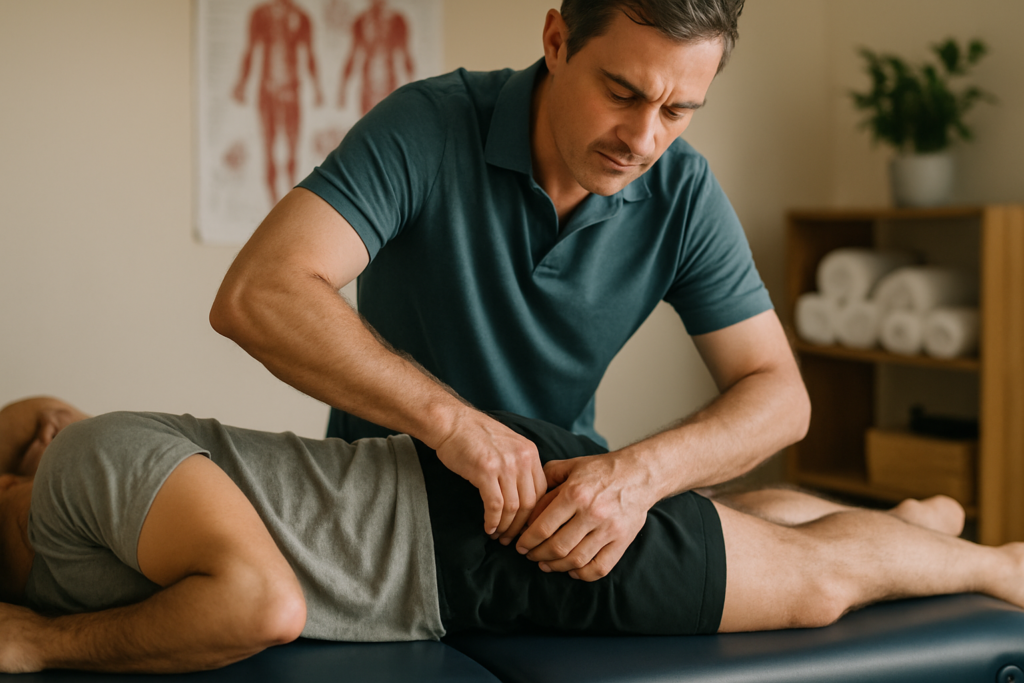
For people seeking piriformis syndrome relief in Cedar Park, improving movement quality is often just as important as calming down the painful muscle itself. If the hips, pelvis, or lower back are not moving well, the piriformis may continue to compensate.
Everyday examples of how the two conditions can look different
Example 1: The desk worker with low back pain
A person sits for long hours and develops aching in the low back followed by sharp pain running into the calf and foot. Bending forward to tie shoes worsens symptoms, and there is occasional tingling in the toes. This pattern may fit spinal-related sciatica more than piriformis syndrome.
Example 2: The runner with deep buttock pain
A recreational runner notices tightness in one buttock that gradually turns into aching pain after training. Sitting in the car makes it worse, and climbing stairs triggers discomfort. There is some radiation into the upper hamstring area, but not much back pain. This pattern may be more consistent with piriformis syndrome.
Example 3: The driver with mixed symptoms
A commuter develops pain in the buttock and leg after long drives, but also notices stiffness in the low back. In a case like this, both lumbar mechanics and piriformis tension could be involved. That is why a full assessment matters rather than assuming there is only one source.
Why an accurate diagnosis matters for recovery
Leg pain that seems straightforward is sometimes treated too generally. A person may stretch the hamstrings for weeks, assume the problem is sciatica, or rest completely when targeted movement would be more helpful. Others may focus only on the buttock when the nerve irritation is really coming from the lower spine.
The better the diagnosis, the more specific the care plan can be. An accurate assessment can help determine:
- Which movements to encourage and which to limit temporarily
- Whether the spine, hip, or both need attention
- How to build an exercise plan safely
- What daily activities may be delaying improvement
- Whether additional medical evaluation may be necessary
This is especially important for people trying to stay active, keep working, or avoid long-term flare-ups. Many cases respond best when treatment is tailored instead of generic.
What to keep in mind if you have ongoing leg pain in Cedar Park
If your pain has lasted more than a few days, keeps returning, or is affecting walking, sleep, exercise, or work, it is worth getting checked rather than guessing. The terms sciatica and piriformis syndrome are often used interchangeably, but they describe different problems with different drivers.
Someone searching for a leg pain chiropractor in Cedar Park is often looking for practical, non-surgical guidance that goes beyond temporary symptom relief. A conservative care approach may help identify whether the root issue involves the lumbar spine, pelvic mechanics, muscular imbalance, deep gluteal irritation, or a combination of factors.
It is also important to remember that improvement usually depends on consistency. Reducing nerve irritation, restoring mobility, and rebuilding stability take time. People often do best when treatment is paired with changes in sitting habits, exercise form, walking tolerance, and home movement strategies.
Conclusion
When comparing sciatica vs piriformis syndrome in Cedar Park, the biggest challenge is that both can create similar leg pain, tingling, and buttock discomfort. In general, sciatica more often starts with irritation in the lower back or nerve roots, while piriformis syndrome usually begins in the deep buttock where the piriformis muscle can affect the sciatic nerve.
Paying attention to where the pain starts, what movements trigger it, how far it travels, and whether low back symptoms are present can provide helpful clues. Still, symptoms alone do not always tell the whole story. A careful evaluation is often the best way to determine the source and choose the most appropriate non-surgical leg pain treatment in Cedar Park.
Whether the issue is spinal nerve irritation, deep gluteal tension, or a combination of both, identifying the real cause is the first step toward safer movement, better function, and more effective recovery.