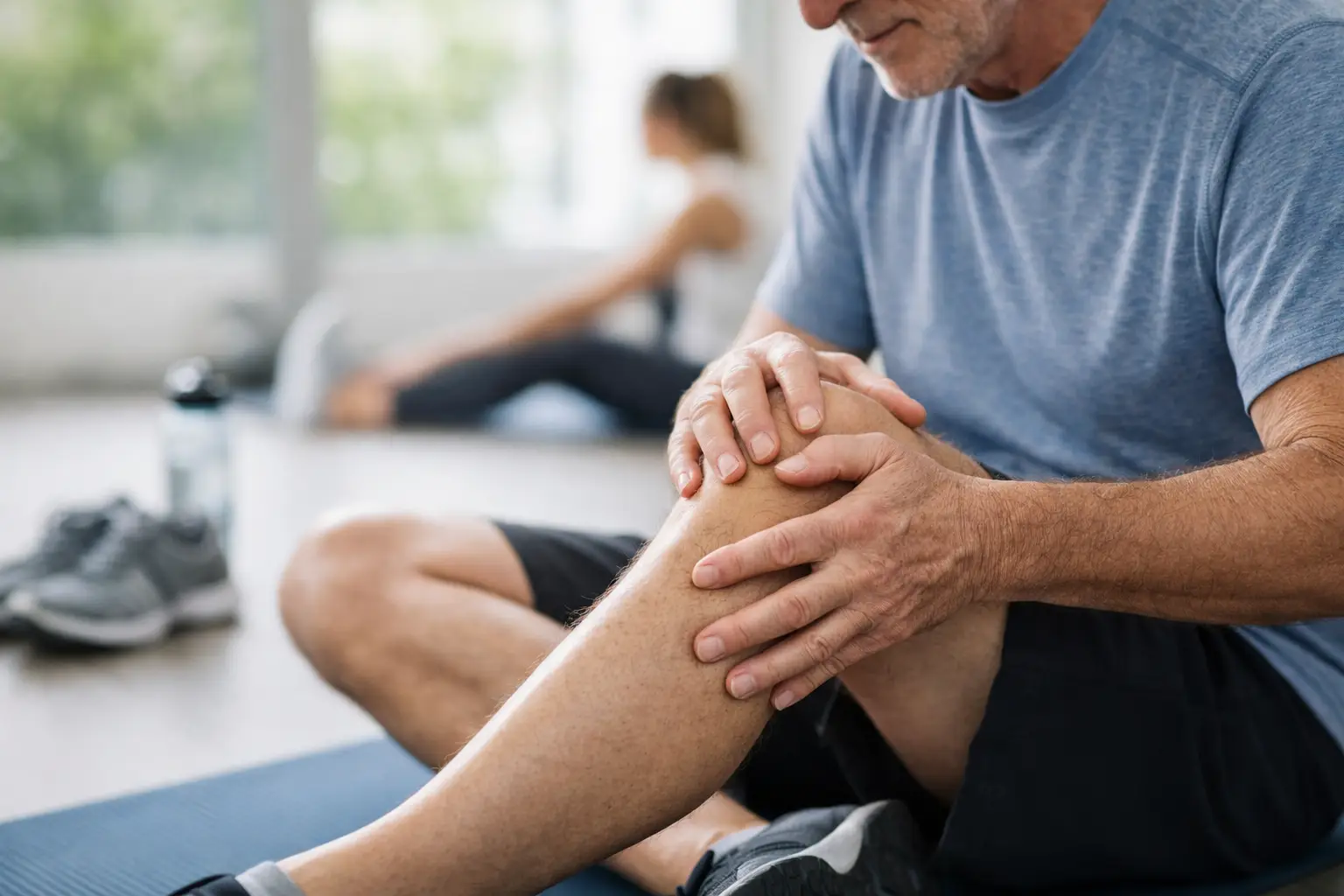
A knee that feels stiff when you stand up from your desk, get out of the car, or take the first few steps in the morning can change the way you move through the entire day. Learning how to reduce knee stiffness starts with understanding what your body is responding to. For some people, it is a temporary result of an intense workout or long drive. For others, it is a recurring issue tied to arthritis, an old injury, poor movement mechanics, or reduced joint mobility.
Stiffness is not always the same as pain. You may feel tightness, pressure, limited bend, clicking, or a sense that the knee needs time to “warm up.” While gentle self-care can help many cases, stiffness that persists, worsens, or changes how you walk deserves a closer evaluation.
Why Your Knee Feels Stiff
The knee is a working joint. It relies on healthy cartilage, joint fluid, ligaments, tendons, muscles, and coordinated movement from the hips, ankles, and feet. When one part of that system is irritated or not moving well, the knee may become stiff.
Sitting for long periods is a common trigger. The knee stays bent, surrounding muscles become less active, and circulation slows. The first few steps after sitting can feel difficult, especially if you also have early arthritis or weakness in the quadriceps and glute muscles.
Overuse can create a different pattern. Running, squatting, climbing stairs, yardwork, or a sudden increase in training volume may irritate tissues around the kneecap, tendons, or joint line. On the other hand, doing too little after an injury can lead to guarded movement, muscle weakness, and loss of range of motion. The answer is rarely to push through every symptom or to stop moving altogether. It is usually finding the right amount and type of movement for your knee.
How to Reduce Knee Stiffness at Home
For mild stiffness without a new injury, start with consistent, low-impact movement. A short walk, easy stationary cycling, or gentle pool exercise can help circulate joint fluid and reduce the feeling of being locked up. Begin slowly, particularly in the morning or after a long period of rest. The goal is to make the knee feel more available, not to force a deep bend through sharp pain.
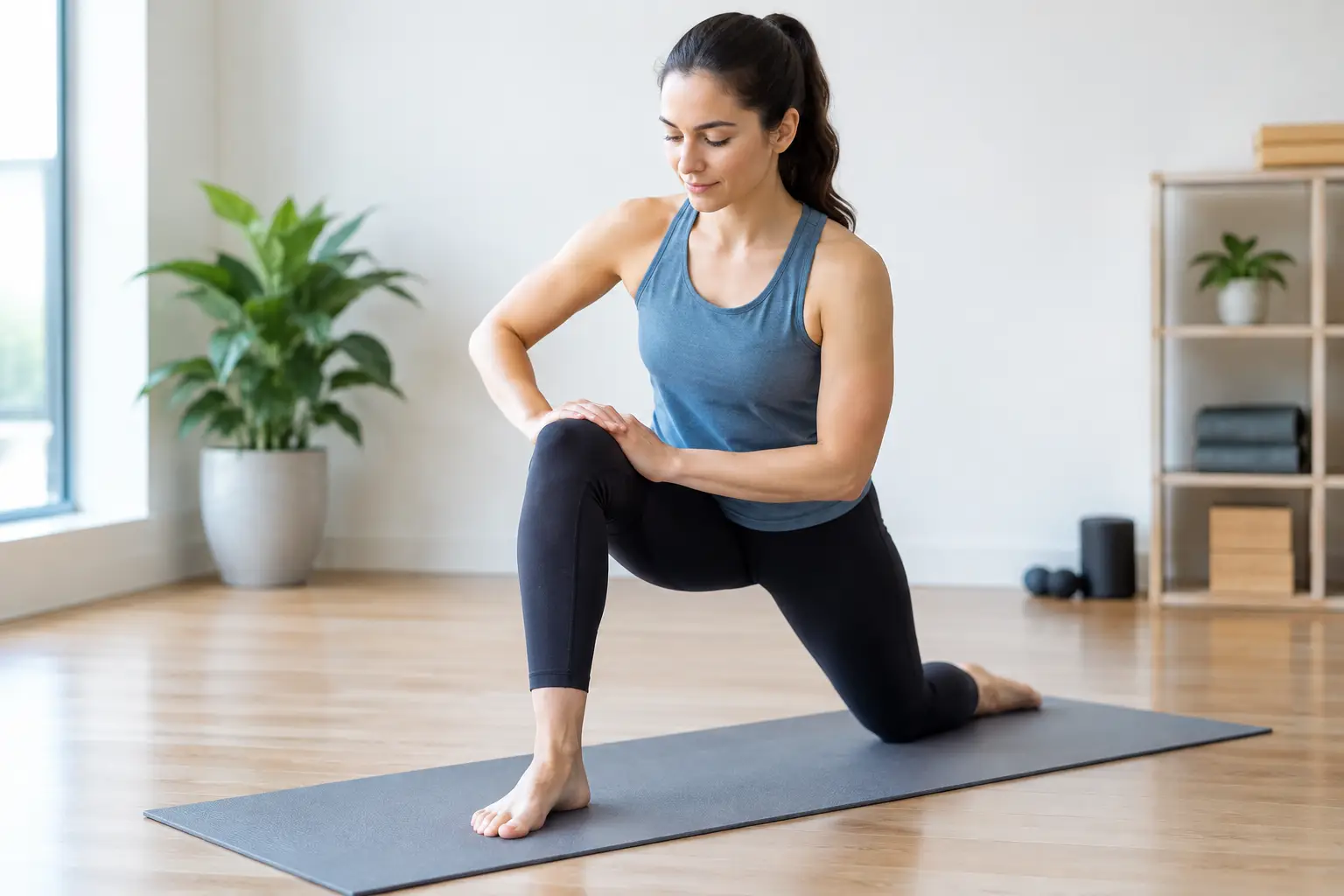
A simple mobility routine can be useful before activity. While seated or lying down, slowly straighten and bend the knee within a comfortable range. Add gentle heel slides by lying on your back and sliding one heel toward your hips, then returning it to straight. Ten controlled repetitions are often more useful than aggressive stretching. If the knee swells or becomes more painful afterward, reduce the range, repetitions, or intensity next time.
Heat may help when stiffness is the main complaint, especially before movement. A warm shower or heating pad for a brief period can relax tight muscles around the joint. If the knee is warm, swollen, or irritated after activity, a cold pack wrapped in a towel may be a better choice. Use either approach for short intervals and protect your skin from direct contact.
Daily habits matter as well. Break up long stretches of sitting by standing and walking for a few minutes every hour. Wear supportive shoes for walking and errands, particularly if worn-out footwear contributes to poor alignment. When climbing stairs, use the handrail and move at a controlled pace rather than rushing through discomfort.
Build Strength Around the Knee
Strong muscles do not eliminate every source of knee stiffness, but they help the joint absorb load more effectively. The quadriceps, hamstrings, glutes, and calves all influence how the knee tracks and responds to walking, stairs, and exercise.
Start with exercises that do not aggravate symptoms. Quad sets are a good example: sit or lie down with the leg straight, tighten the front thigh muscle, and gently press the back of the knee toward the surface beneath it. Hold for several seconds, then relax. Straight-leg raises, sit-to-stands from a higher chair, and supported mini-squats may also be appropriate when performed with good form.
Technique matters more than intensity. If your knee collapses inward during a squat, if you shift heavily to one side, or if pain increases with each repetition, the exercise may need to be modified. A movement assessment can identify whether limited ankle mobility, hip weakness, foot mechanics, or poor load management is placing extra stress on the knee.
When Rest Helps and When It Can Make Stiffness Worse
Rest is appropriate after a flare-up, a new injury, or activity that clearly causes swelling and sharp pain. But complete rest for days or weeks often leaves the knee stiffer and weaker. Relative rest is usually more productive. That means temporarily reducing the activity that triggers symptoms while staying active in ways your knee tolerates, such as walking on level ground, cycling with low resistance, or guided rehabilitation exercises.
It also helps to adjust the activity itself. A runner with new stiffness may benefit from shorter runs, flatter terrain, additional recovery days, and hip-strengthening work rather than stopping all exercise indefinitely. Someone with arthritis may do better with several short walks than one long outing. The right plan depends on the cause of the stiffness, your current fitness level, and what your knee does in the 24 hours after activity.
Look Beyond the Knee Joint
Knee stiffness can be a local issue, but it is not always caused by the knee alone. Limited hip rotation, tight calves, restricted ankle motion, or poor spinal and pelvic mechanics can change the forces traveling through the leg. An old ankle sprain, for example, may leave you subtly shifting weight away from that side. Over time, the knee may have to compensate.
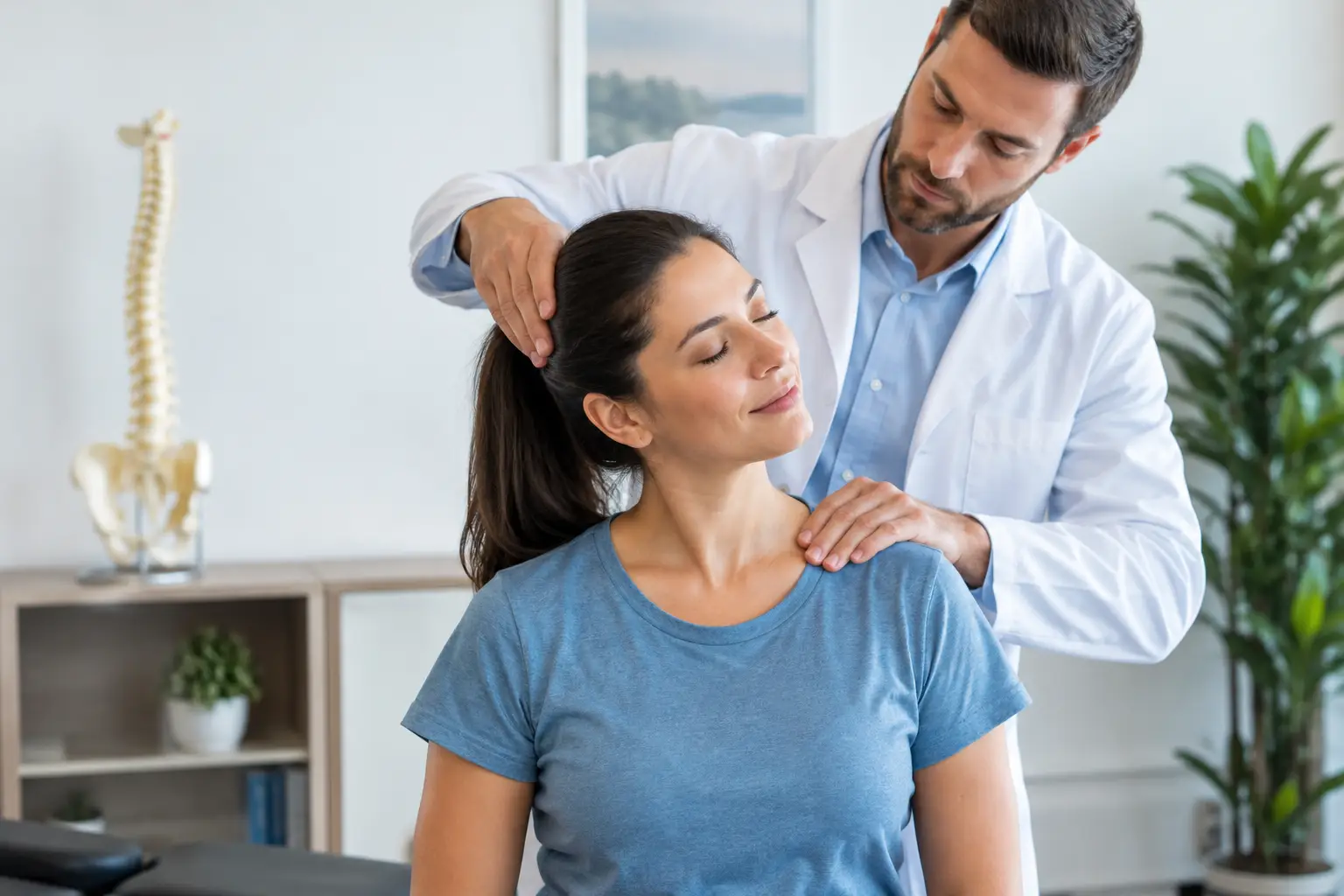
This is why effective conservative care should not focus only on where you feel symptoms. A thorough evaluation looks at your walking pattern, joint range of motion, strength, balance, work demands, sports activity, and injury history. Treatment may include hands-on care, soft tissue techniques, targeted mobility work, chiropractic adjustments when appropriate, and a progressive rehabilitation plan designed for your specific movement needs.
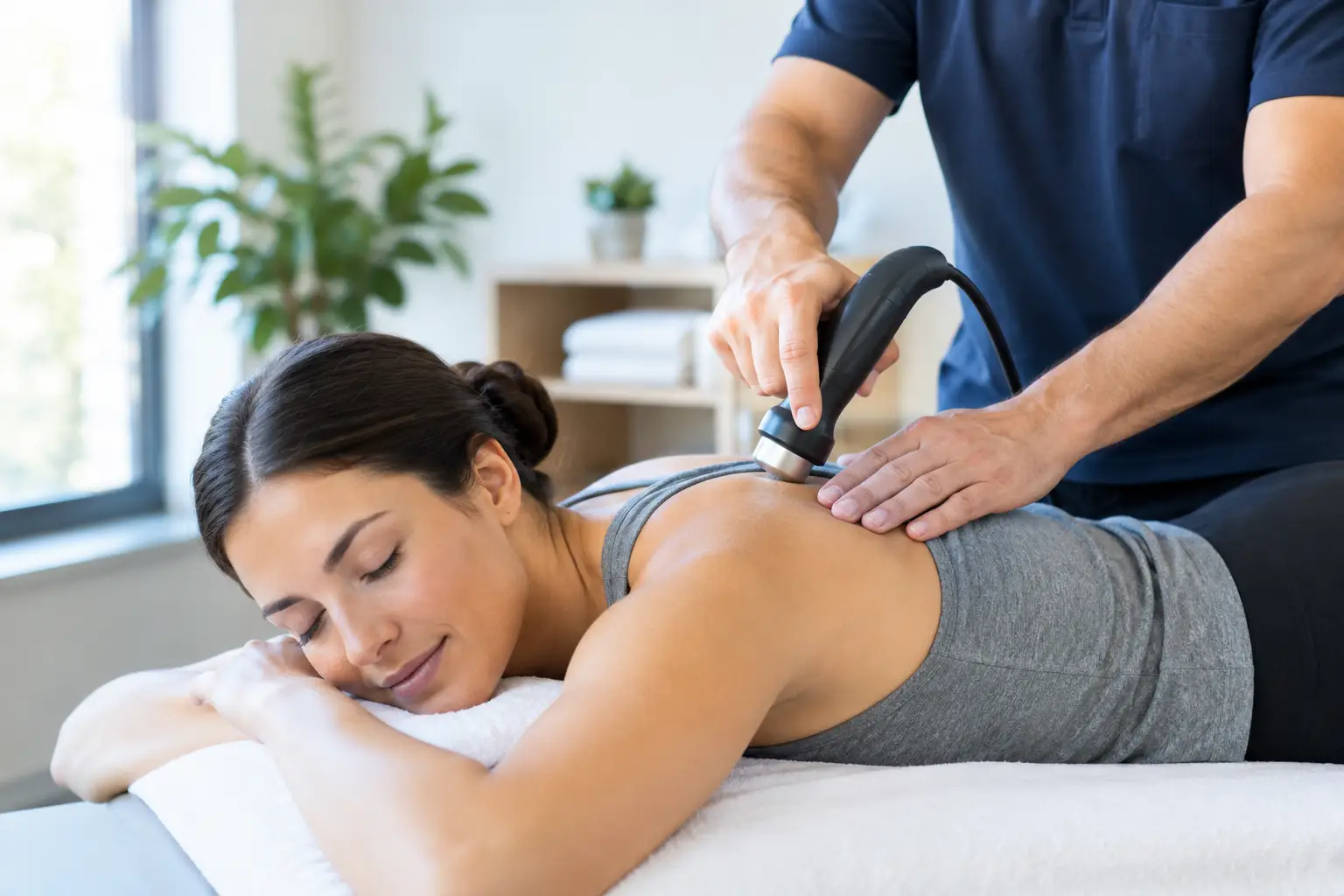
For some patients, knee decompression may be considered to reduce joint pressure and support mobility. Advanced therapies such as laser therapy, shockwave therapy, or functional dry needling may also be used when clinically appropriate alongside active rehabilitation. These options are not replacements for movement and strength, but they can help some patients tolerate rehab more comfortably and make progress with a non-invasive plan.
Know When to Seek Professional Care
Do not assume persistent stiffness is something you simply need to live with. Schedule an evaluation if it lasts more than a couple of weeks, repeatedly returns, limits work or exercise, or makes stairs and daily walking difficult. Earlier care can help address movement restrictions and weakness before they become a larger functional problem.
Seek prompt medical attention if you cannot bear weight, the knee looks deformed, it locks and cannot straighten, or you have significant swelling after a fall or twist. Redness, marked warmth, fever, or unexplained calf swelling also need urgent medical assessment.
A personalized plan can make the difference between repeatedly managing a stiff knee and improving the way it moves. At Bell District Spine and Rehab, care is built around identifying the factors affecting your joint, restoring comfortable mobility, and helping you return to the activities that matter to you. Start with small, consistent movement today, and let persistent symptoms be a reason to get answers rather than another reason to hold back.