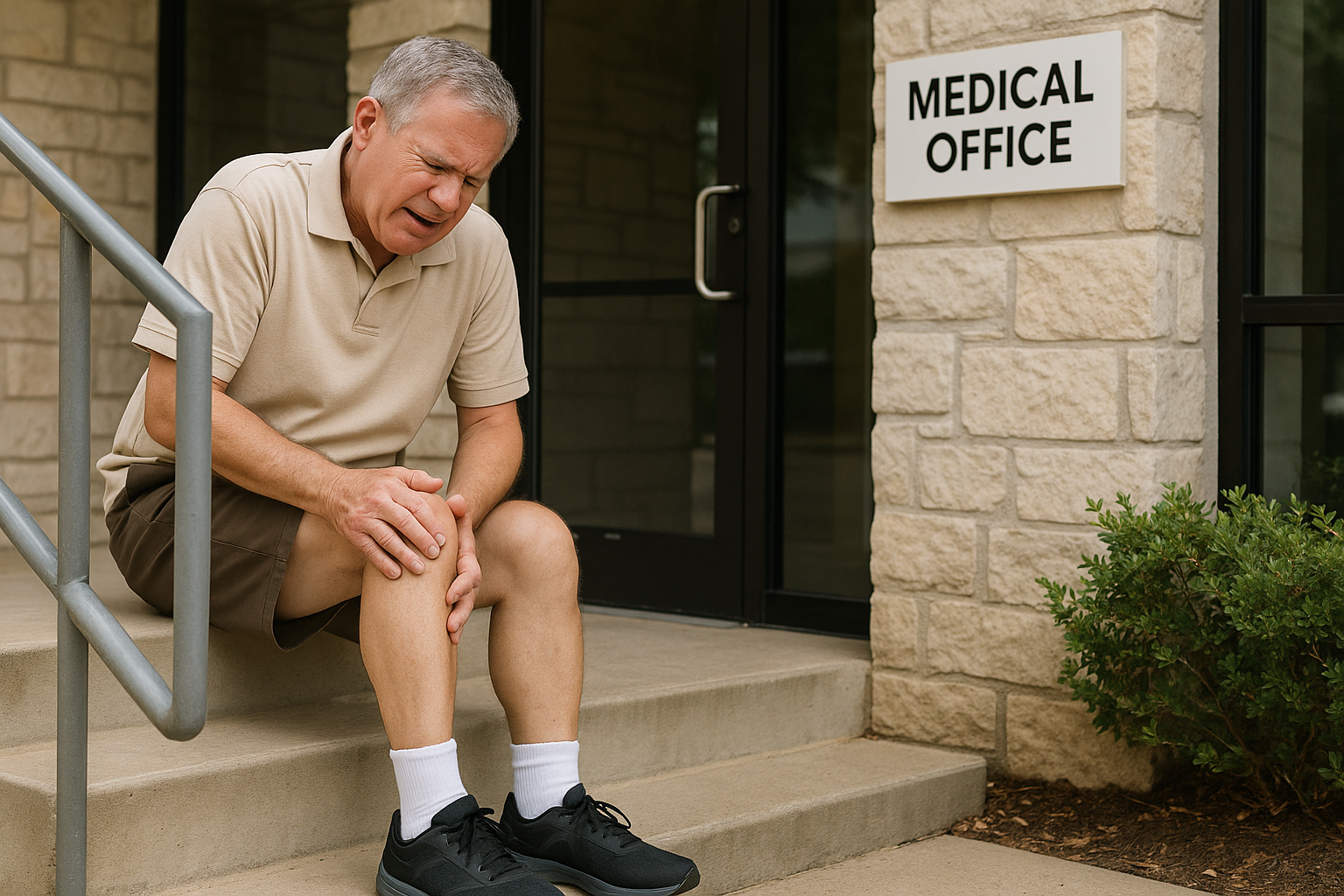
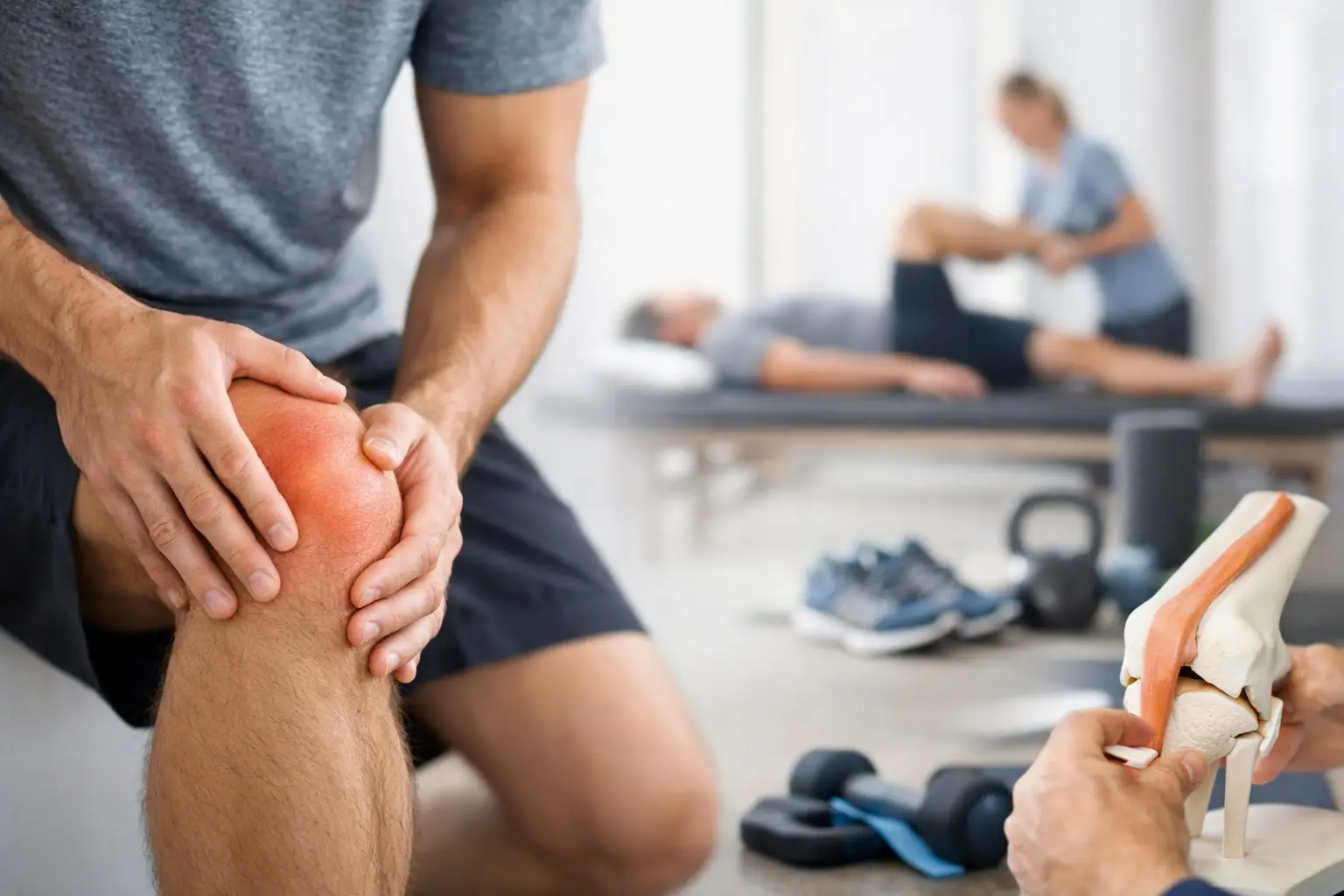
A knee that hurts when you climb stairs, stand from a chair, or take the first few steps in the morning can quickly change how you move through the day. Knee pain is not always a sign of a serious injury, but it should not be dismissed when it limits work, exercise, sleep, or the activities you enjoy. The knee absorbs substantial force with every step, and pain often develops when the joint, surrounding tissues, and movement patterns are no longer working well together.
For many people, effective care begins with identifying what is driving the pain rather than simply trying to push through it. A personalized, conservative treatment plan can often reduce irritation, improve mobility, and help the knee tolerate daily demands more comfortably.
Common Causes of Knee Pain
The knee is a complex joint supported by cartilage, ligaments, tendons, muscles, and the kneecap. Pain can come from one structure or from several contributing factors at once. The location, timing, and behavior of symptoms provide useful clues, but an evaluation is needed to determine the most likely cause.
Osteoarthritis is a frequent source of knee discomfort in adults, especially as cartilage changes over time. It may cause stiffness after rest, aching with prolonged activity, reduced range of motion, or a grinding sensation. Symptoms can fluctuate. A person may have a relatively good week followed by a painful flare after extra walking, yardwork, travel, or a change in exercise routine.
Patellofemoral pain, often felt around or behind the kneecap, is common in runners, active adults, and people whose work involves frequent stairs, squatting, or kneeling. It can be related to how the kneecap tracks during movement, hip and thigh muscle control, training volume, footwear, and underlying joint irritation.
Tendon irritation can also cause focused pain. Patellar tendon pain is commonly felt just below the kneecap, while quadriceps tendon pain tends to occur above it. These conditions can develop after repeated jumping, running, deep squatting, or a sudden increase in activity. Rest may settle symptoms temporarily, but a gradual return to loading is often needed to build lasting tolerance.
Injuries to the meniscus, ligaments, or other soft tissues may occur after a twist, pivot, fall, collision, or awkward landing. A meniscus injury may produce pain along the joint line, catching, swelling, or trouble fully bending or straightening the knee. Ligament injuries can create a feeling of instability or giving way. Not every sports injury requires surgery, but prompt assessment helps guide appropriate next steps.
Pain may also be influenced by areas beyond the knee. Limited hip mobility, weak hip stabilizers, ankle stiffness, altered foot mechanics, and low back conditions can change how force travels through the leg. This is one reason a knee evaluation should look at walking, balance, strength, and movement control rather than focusing only on the painful spot.
When Knee Pain Needs Prompt Medical Attention
Some symptoms warrant urgent medical evaluation. Seek prompt care after a significant injury if you cannot bear weight, the knee appears deformed, or swelling develops rapidly. A knee that is hot, red, markedly swollen, or accompanied by fever should also be assessed quickly, as these symptoms can signal infection or another condition requiring immediate care.
It is also wise to seek evaluation for true locking, repeated buckling, numbness, calf swelling, unexplained severe pain, or symptoms that steadily worsen despite reducing activity. Conservative care can be valuable for many musculoskeletal conditions, but it should be matched to the right diagnosis and coordinated with medical care when necessary.
Why Rest Alone Often Does Not Solve Knee Pain
Reducing painful activity can be helpful during an acute flare, particularly after a new injury. However, complete rest for long periods can lead to stiffness, reduced muscle support, and less confidence using the joint. The goal is usually not to avoid all movement. It is to find the right amount and type of movement while the knee recovers.
This balance depends on the condition. A runner with mild kneecap pain may benefit from temporarily reducing mileage and improving hip and quadriceps strength. Someone with arthritis may respond well to regular low-impact movement, mobility work, and gradual strengthening. A person with a fresh injury may need a more protective plan before returning to exercise. There is no one exercise or one timeline that works for every knee.
Pain is useful information, but it is not always a perfect measure of damage. Mild discomfort during rehabilitation may be acceptable when it remains manageable and settles afterward. Sharp pain, increasing swelling, instability, or symptoms that linger and intensify are signs that the activity may need to be modified.
Conservative Knee Pain Treatment Options
A thorough evaluation should begin with your history: when symptoms started, what activities aggravate them, whether there was an injury, and how pain affects daily life. A physical examination can assess joint motion, swelling, tenderness, strength, gait, balance, and the way your hips, ankles, and feet contribute to knee loading.
At Bell District Spine and Rehab, conservative care may combine hands-on treatment with rehabilitation strategies designed around the individual. Manual therapy and chiropractic techniques may help address joint restrictions and movement limitations in the knee, hip, pelvis, ankle, or low back that can affect how you walk and squat. Soft tissue techniques may be used to reduce tension and improve the mobility of surrounding muscles and connective tissues.
Rehabilitation is a central part of lasting improvement. A targeted program may include quadriceps strengthening, hip and glute activation, hamstring and calf mobility, balance training, and gradual practice of real-life movements such as stairs, squatting, lifting, or returning to sport. The purpose is not simply to make the knee feel better in the office. It is to improve the joint’s ability to handle the demands that caused symptoms in the first place.
Some patients may also be candidates for supportive therapies such as knee decompression, shockwave therapy, laser therapy, or functional dry needling. The appropriate option depends on the diagnosis, tissue involved, symptom duration, and overall goals. These therapies are not substitutes for proper movement and strength training, but they can be useful components of a broader care plan for selected patients.
Small Daily Changes That Can Protect the Knee
The right daily adjustments can reduce unnecessary strain while you recover. Choose movement that keeps symptoms manageable, such as walking on level ground, cycling, swimming, or controlled strength exercises. If stairs are particularly painful, use a handrail and take one step at a time during a flare rather than repeatedly forcing painful motion.
Pay attention to sudden changes in workload. Weekend projects, a new fitness class, a return to running, or long days on your feet can exceed what the knee is prepared to handle. Increasing activity gradually gives muscles and tendons time to adapt. Supportive footwear can help some people, particularly if worn-out shoes or poor foot support contribute to altered walking mechanics.
Weight management can also reduce stress on the knee for individuals for whom it is appropriate, but it should never be presented as the only answer. Knee pain affects people of every body type, and pain relief often requires attention to strength, mobility, injury history, and the way the entire lower body moves.
Getting Back to the Activities You Value
Recovery should be measured by more than a pain score. Being able to walk the dog without limping, sit through a workday comfortably, play with your children, get through a grocery trip, or return to a favorite sport are meaningful functional goals. Clear goals help shape a treatment plan and make progress easier to recognize.
A painful knee does not automatically mean you must give up an active life. With a careful assessment, appropriate treatment, and a progressive plan for rebuilding strength and movement confidence, many people can return to the routines that matter most. The best next step is to listen to persistent symptoms early and give your knee the focused care it needs before a small limitation becomes a larger one.