
Golfer’s elbow can make simple daily tasks surprisingly difficult. Turning a doorknob, carrying groceries, shaking hands, typing, lifting a child, or gripping a tennis racket can all trigger discomfort along the inside of the elbow and down the forearm. If you are searching for golfer’s elbow treatment in Cedar Park, TX, it helps to understand what causes this condition, why gripping becomes painful, and which natural strategies may support recovery without surgery.
Also called medial epicondylitis, golfer’s elbow is an overuse injury that affects the tendons attaching the forearm muscles to the bony bump on the inside of the elbow. Despite the name, it is not limited to golfers. It can affect anyone who repeats wrist flexion, gripping, lifting, throwing, or twisting motions at work, during exercise, or in everyday life. The good news is that many people improve with conservative care, activity changes, and a structured recovery plan.
This guide explains practical, non-surgical elbow pain relief options, what symptoms to watch for, and how to support healing while gradually improving grip strength.
What Is Golfer’s Elbow?
Golfer’s elbow is a tendon-related condition involving the common flexor tendon on the inner side of the elbow. Repetitive stress can create tiny areas of irritation and tissue overload where the forearm muscles connect to the bone. Over time, this may lead to pain, tenderness, weakness, and elbow pain when gripping.
The condition often develops gradually rather than from one dramatic injury. A person may first notice a mild ache after yard work, sports, weight training, or long hours of repetitive hand use. If the strain continues, symptoms can become more frequent and more intense.
Common activities linked to medial epicondylitis include:
- Golf swings, especially with poor mechanics or overtraining
- Racket sports
- Weightlifting
- Manual labor involving tools
- Repetitive keyboard or mouse use
- Carpentry, plumbing, painting, and landscaping tasks
- Frequent lifting, carrying, or gripping at work
Because the forearm muscles help control the wrist and fingers, irritation at the tendon can affect grip, dexterity, and endurance.
Common Symptoms of Medial Epicondylitis
Symptoms can vary from mild to persistent. In many cases, pain is felt directly on the inner elbow, but it may also travel into the forearm. Some people notice weakness more than sharp pain, especially when carrying objects or performing repetitive tasks.
Typical symptoms include:
- Tenderness on the inside of the elbow
- Aching or burning pain that may extend down the forearm
- Elbow pain when gripping, lifting, or twisting
- Discomfort when shaking hands or opening jars
- Weak grip strength
- Stiffness, especially after activity or in the morning
- Occasional tingling into the ring and little fingers if nearby nerves are irritated
If symptoms are ignored, the problem can become more stubborn. That is why early attention and appropriate medial epicondylitis treatment in Cedar Park can be helpful.
Why Gripping Becomes Painful
Many people are surprised that gripping an object can aggravate the inside of the elbow. The reason is simple: the muscles that close the hand and bend the wrist begin in the forearm and connect near the medial epicondyle, the inner elbow area involved in golfer’s elbow.
When you squeeze a steering wheel, hold a grocery bag, use a screwdriver, or swing a club, these muscles contract. If the tendon is already irritated, that force can reproduce pain. This is why tasks that seem hand-related may actually point back to tendon overload at the elbow.
In some cases, technique, posture, and shoulder weakness also contribute. For example, if the wrist and forearm are doing too much work because the shoulder and upper back are not providing enough support, the elbow may absorb more stress than it should.
Who Is at Higher Risk?
Golfer’s elbow can affect a wide range of adults, especially those who place repetitive stress on the forearm. Risk tends to increase with a combination of repeated motion, insufficient recovery, and poor mechanics.
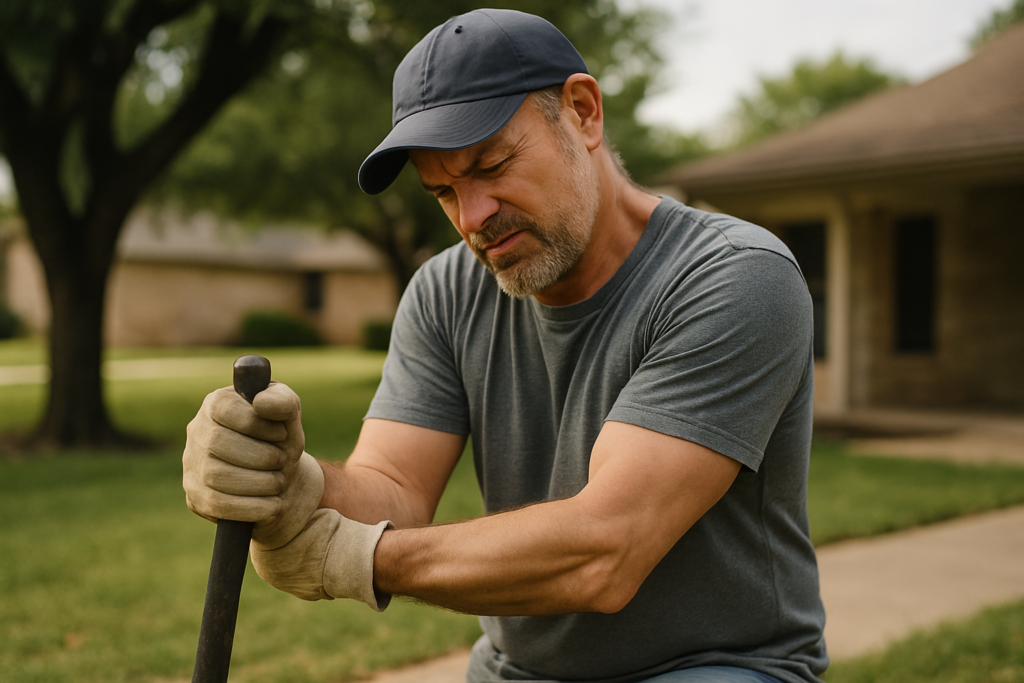
You may be at higher risk if you:
- Perform repetitive gripping or lifting at work
- Play golf, tennis, baseball, or similar sports
- Recently increased exercise intensity or frequency
- Use hand tools for long periods
- Have poor wrist, elbow, or shoulder mechanics
- Return too quickly after a prior arm injury
- Have muscle tightness or weakness affecting arm function
Age can play a role as well, since tendons may become less tolerant to repetitive loading over time. However, the condition is not limited to older adults.
Natural and Non-Surgical Ways to Reduce Pain
For many people, non-surgical elbow pain relief begins with reducing aggravation while maintaining healthy movement. The goal is not only to calm pain, but also to address the mechanical and lifestyle factors that may have contributed to the problem.
1. Modify Aggravating Activities
Rest does not always mean complete inactivity. In many cases, it means temporarily reducing or adjusting the motions that repeatedly strain the tendon. This may include taking a break from heavy gripping, reducing practice volume, switching tools, or changing lifting technique.
Examples of useful activity modifications include:
- Using a lighter grip on sports equipment when possible
- Avoiding repeated wrist curling or heavy reverse curls during a flare-up
- Breaking long tasks into shorter sessions
- Using padded handles or ergonomic tools
- Alternating hands when appropriate
- Improving workstation setup if keyboard or mouse use aggravates symptoms
The goal is to reduce overload without becoming completely deconditioned.
2. Use Ice or Heat Strategically
Cold therapy may help calm irritation after aggravating activity, especially during painful flare-ups. A cold pack wrapped in a cloth can be applied for short periods. Heat may be more comfortable before gentle mobility work, particularly when stiffness is a larger issue than sharp pain.
People respond differently, so it can be helpful to monitor which option reduces symptoms best. Neither approach fixes the root cause by itself, but both can support comfort during recovery.
3. Begin Gentle Mobility Exercises
When pain is very intense, forceful stretching is usually not the answer. However, gentle range-of-motion work can help maintain mobility in the wrist, elbow, and forearm. Moving within a tolerable range may reduce stiffness and help the tissues stay adaptable.
Examples often include:
- Gentle wrist flexion and extension movements
- Forearm rotation, such as palm up and palm down motions
- Elbow bending and straightening
- Light stretching of the forearm muscles if it does not increase pain significantly
Movements should feel controlled and manageable, not aggressive.
4. Progress to Strengthening
Tendons often respond well to appropriate loading over time. Once acute pain begins to settle, carefully graded strengthening may help improve resilience and function. This is an important part of natural golfer’s elbow treatment in Cedar Park, TX because simply waiting for pain to disappear without rebuilding tissue tolerance can leave the area vulnerable.
Strengthening may target:
- Forearm flexor and pronator muscles
- Wrist stabilizers
- Grip strength
- Shoulder and upper back muscles
- Core stability to improve overall mechanics
Starting with light resistance and progressing gradually is usually safer than jumping straight into heavy loading.
5. Improve Grip Mechanics
If elbow pain when gripping is a major complaint, the way you grip may need attention. Squeezing harder than necessary, using oversized or undersized handles, or relying too heavily on the forearm muscles can increase tendon stress.
Helpful adjustments may include:
- Using equipment with proper handle size
- Relaxing unnecessary tension during sports or work tasks
- Learning better swing or lifting mechanics
- Distributing force through the shoulder and trunk instead of isolating the forearm
Even small mechanical improvements can reduce repeated strain over time.
6. Consider Bracing or Support
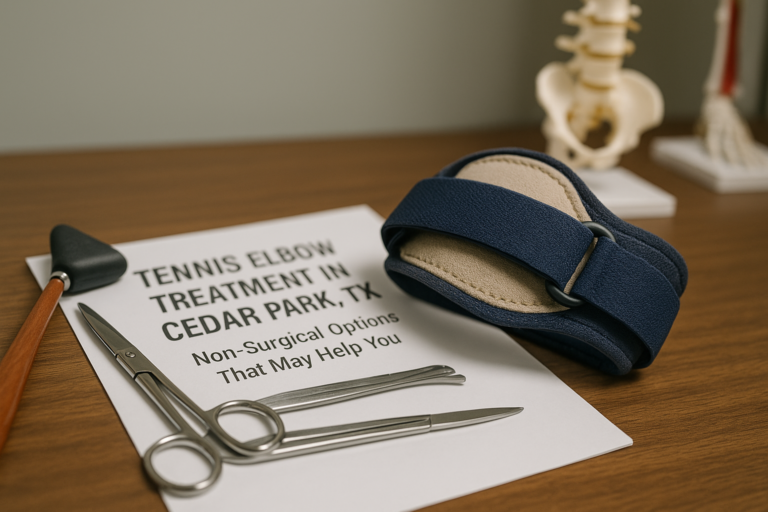
Some people find short-term symptom relief with an elbow strap or forearm support. These devices are not a cure, but they may reduce stress on the irritated tendon during certain activities. Proper fit matters, and overreliance is not ideal. Bracing tends to work best as one part of a broader plan that also includes exercise and activity modification.
7. Support Recovery Habits
Tendons recover best when the body has what it needs to repair and adapt. Good sleep, regular movement, stress management, hydration, and balanced nutrition all matter. Recovery may be slower if a person continues pushing through pain, sleeping poorly, or repeatedly returning to high-load activity too soon.
Consistency is often more valuable than intensity. A simple plan followed regularly usually works better than occasional bursts of effort.
The Role of Hands-On and Conservative Care
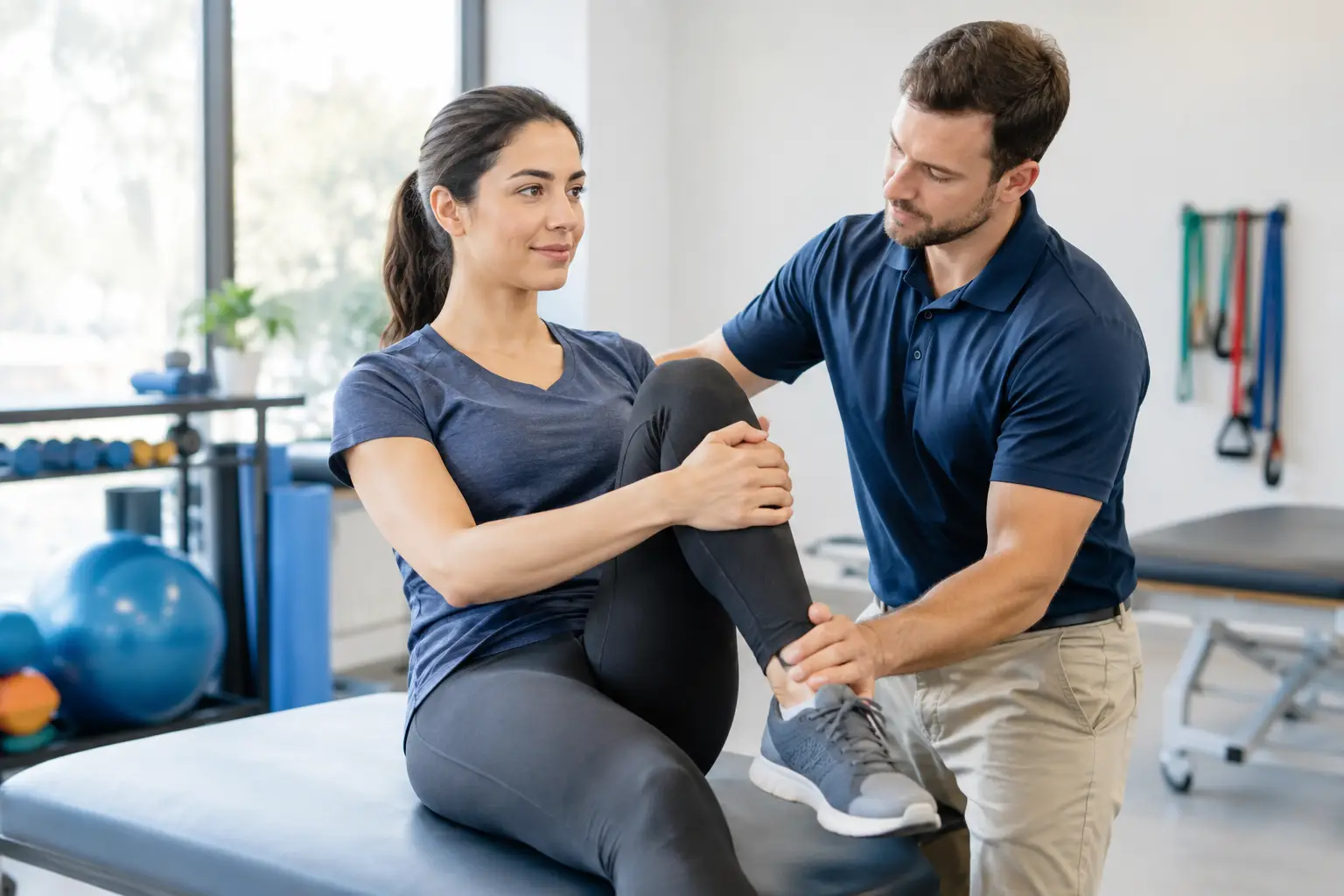
Medial epicondylitis treatment in Cedar Park may include conservative approaches designed to improve movement quality, reduce tissue strain, and support the body’s healing process. Depending on the individual, a provider may evaluate not only the elbow, but also the wrist, shoulder, posture, and task mechanics.
Conservative care plans often focus on:
- Identifying aggravating movement patterns
- Improving flexibility and joint mobility
- Progressive strengthening and load management
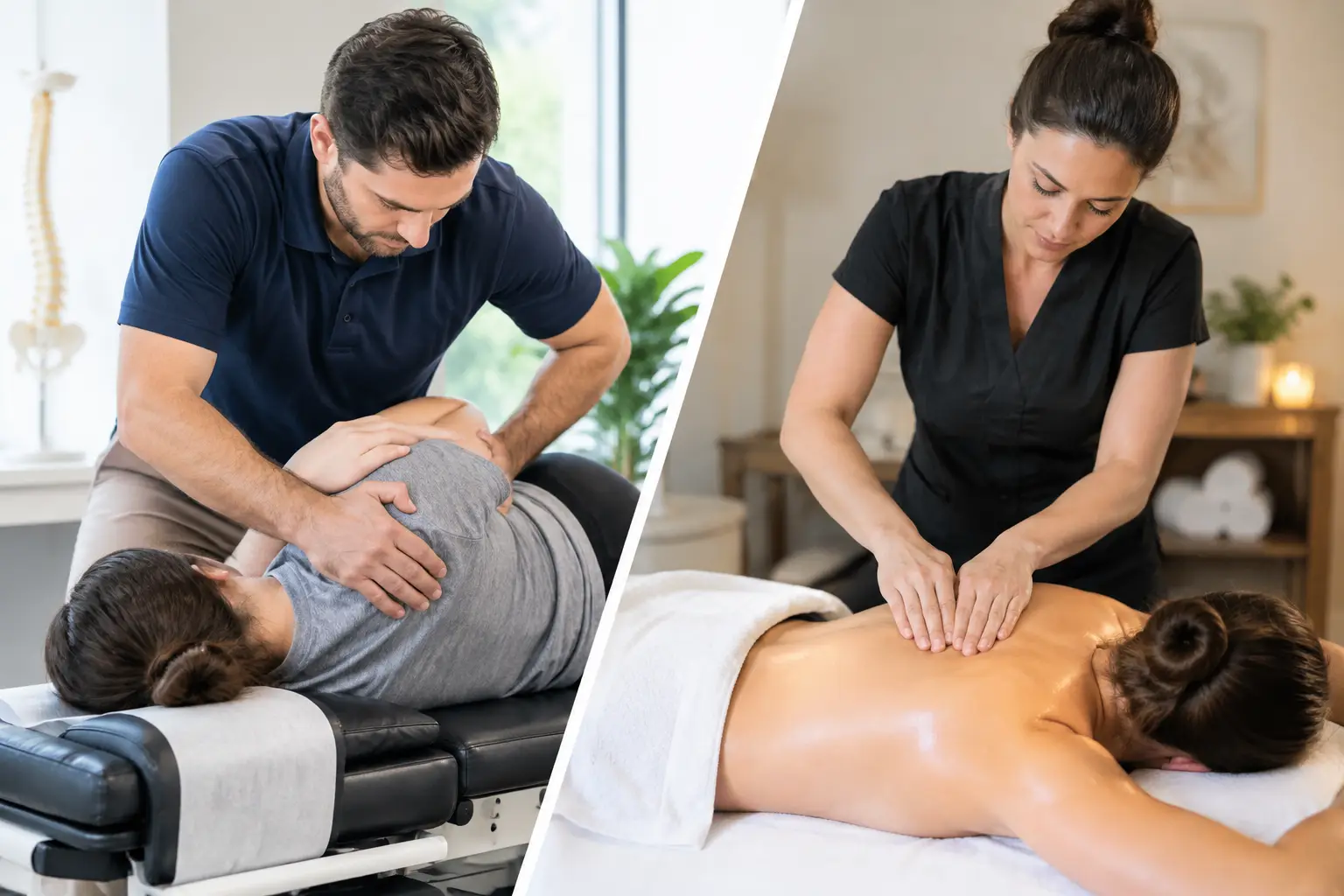
- Manual therapy techniques aimed at soft tissue comfort and movement
- Guidance on returning to work, exercise, or sports safely
This broader approach matters because elbow symptoms do not always begin and end at the elbow itself. Shoulder control, neck posture, wrist mobility, and repetitive work demands can all influence recovery.
Practical Examples of Everyday Triggers
Many cases of golfer’s elbow are tied to ordinary routines rather than a single athletic event. Recognizing patterns can help prevent repeated flare-ups.
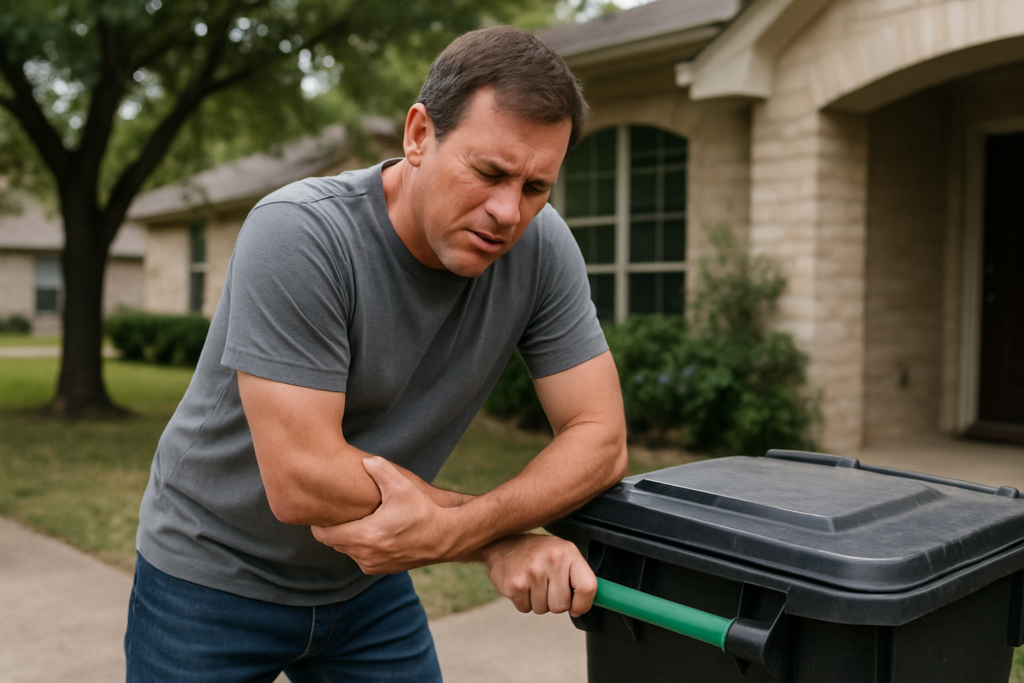
For example, a person may notice pain when:
- Carrying shopping bags with bent wrists
- Lifting a cast-iron pan with one hand
- Using a drill or screwdriver for home projects
- Pulling weeds or trimming hedges for long periods
- Holding a phone tightly during a commute
- Typing for hours without arm support
- Performing heavy rows, curls, or pull-ups in the gym
In these situations, reducing load, changing hand position, taking breaks, or using better mechanics can make a real difference.
How Long Does Recovery Take?
Recovery time varies. Mild cases may improve within weeks, while more persistent tendon irritation can take several months to calm and rebuild. Improvement often depends on how long symptoms have been present, how much repetitive strain continues, and whether the person follows a realistic recovery plan.
One of the most important ideas to understand is that pain reduction and full tissue recovery are not always the same thing. It is possible to feel somewhat better before the tendon is ready for heavy gripping, sports, or repetitive work. Advancing activity too quickly can lead to setbacks.
A gradual progression is usually best:
- Reduce aggravation and calm symptoms
- Restore comfortable movement
- Build strength and endurance
- Return to more demanding tasks in stages
Patience can be difficult, but it often leads to a more durable result.
When to Seek Professional Evaluation
Not all inner elbow pain is golfer’s elbow. Other issues, such as nerve irritation, ligament injury, arthritis, referred pain, or different tendon problems, can produce overlapping symptoms. A professional evaluation may be especially important if:
- Pain is severe or worsening
- Symptoms have lasted more than a few weeks
- Grip weakness is significant
- Numbness or tingling is frequent
- There was a sudden injury or popping sensation
- Daily activities or work are becoming difficult
Getting the right diagnosis helps guide the right treatment. This is particularly important for anyone seeking non-surgical elbow pain relief who wants to avoid wasting time on the wrong exercises or self-care strategies.
Tips for Preventing Future Flare-Ups
Even after symptoms improve, prevention matters. Tendon problems often return when the original stressors have not changed.
To help lower the risk of recurrence:
- Warm up before sports, lifting, or repetitive tasks
- Increase training volume gradually
- Strengthen the forearm, shoulder, and upper back
- Use sound technique for golf, racket sports, and weight training
- Take regular breaks during repetitive work
- Choose tools and equipment with good ergonomics
- Avoid pushing through persistent pain
- Address stiffness or weakness early
Prevention is not about avoiding activity. It is about preparing the body to handle activity well.
Why a Natural Approach Appeals to Many People
Many adults prefer conservative care first because it supports function while avoiding unnecessary escalation. Natural approaches to golfer’s elbow treatment in Cedar Park, TX often focus on movement quality, strength, recovery habits, and practical day-to-day changes. This can be appealing for people who want a more active role in their progress.
Benefits of a non-surgical approach may include:
- Addressing contributing mechanics, not just symptoms
- Supporting gradual return to work, exercise, and hobbies
- Encouraging long-term self-management skills
- Reducing dependence on temporary symptom masking alone
While some cases do require more advanced medical intervention, many improve significantly with conservative strategies when started early and followed consistently.
Conclusion
Golfer’s elbow can interfere with far more than sports. Because the irritated tendon helps power the wrist and hand, medial epicondylitis often shows up as elbow pain when gripping, lifting, twisting, or carrying. The condition may begin subtly, but repeated strain can make it increasingly limiting if ignored.
For those looking into golfer’s elbow treatment in Cedar Park, TX, natural care often starts with identifying aggravating activities, reducing overload, improving mobility, rebuilding strength, and correcting mechanics that place excess stress on the inner elbow. Conservative, non-surgical elbow pain relief can be highly effective when the plan is thoughtful, progressive, and tailored to how the pain developed in the first place.
With the right combination of activity modification, strengthening, and movement support, many people can reduce discomfort, improve grip, and return to the tasks they need and enjoy with greater confidence.