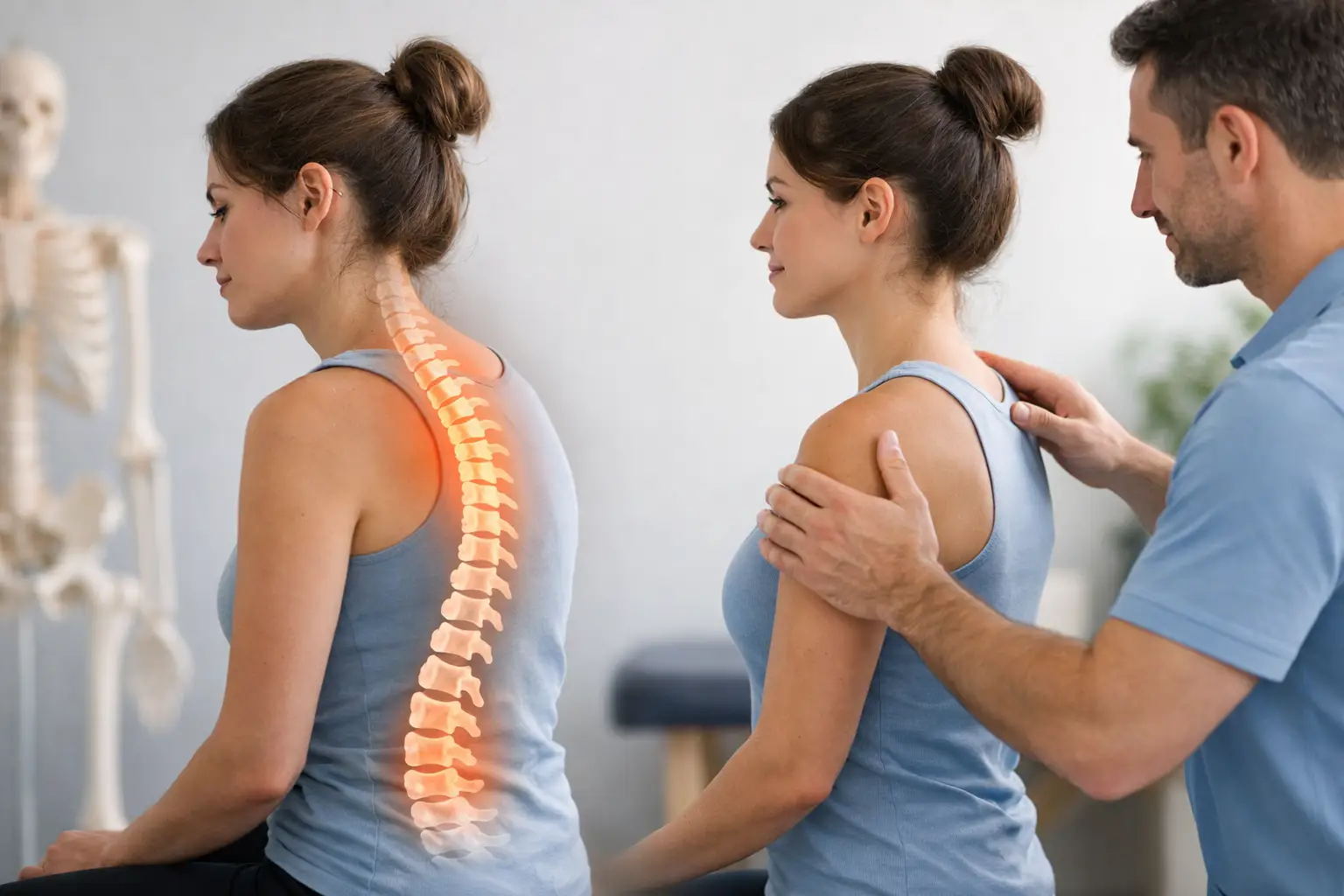
The ache between your shoulder blades after a day at the computer is not always just a “bad posture” problem. It may reflect tight joints, weak or underused muscles, an old injury, poor workstation setup, or a movement habit your body has adopted to avoid discomfort. Chiropractic care for posture correction looks beyond the reminder to “sit up straight” and focuses on the physical restrictions and movement patterns that make better posture difficult to maintain.
For many people in Cedar Park, posture-related discomfort shows up as neck pain, headaches, upper-back tension, low-back soreness, hip tightness, or stiffness after driving. The goal of care is not to force the body into one rigid position. It is to improve mobility, reduce strain, and build the strength and control needed to move and sit more comfortably throughout the day.
What posture correction actually means
Posture is not a single pose to hold all day. It is the way your body organizes itself while sitting, standing, walking, lifting, exercising, and resting. A person can look perfectly upright yet have pain because they remain in that position too long. Another person may have rounded shoulders or a forward head position without pain at all.
That distinction matters. Postural changes do not automatically mean something is seriously wrong, and no treatment should promise to make every spine look perfectly straight. Some body shapes and spinal curves are normal variations. However, when posture is paired with recurring pain, limited range of motion, fatigue, headaches, or trouble performing daily tasks, a thorough musculoskeletal evaluation can identify areas that may benefit from treatment.
At Bell District Spine and Rehab, posture-focused care begins by looking at the whole movement picture. That can include spinal and joint mobility, muscle tension, core and hip control, shoulder mechanics, previous injuries, work demands, and the positions that reliably bring on symptoms. This helps create a plan based on how your body functions rather than a one-size-fits-all set of posture exercises.
How chiropractic care for posture correction can help
Chiropractic treatment can help address joint restrictions and muscular tension that contribute to compensatory posture. When the neck, mid-back, low back, hips, or shoulders are not moving well, the body often finds another way to get through the day. That workaround may mean leaning to one side, lifting the shoulders, jutting the chin forward, or avoiding a full stride while walking.
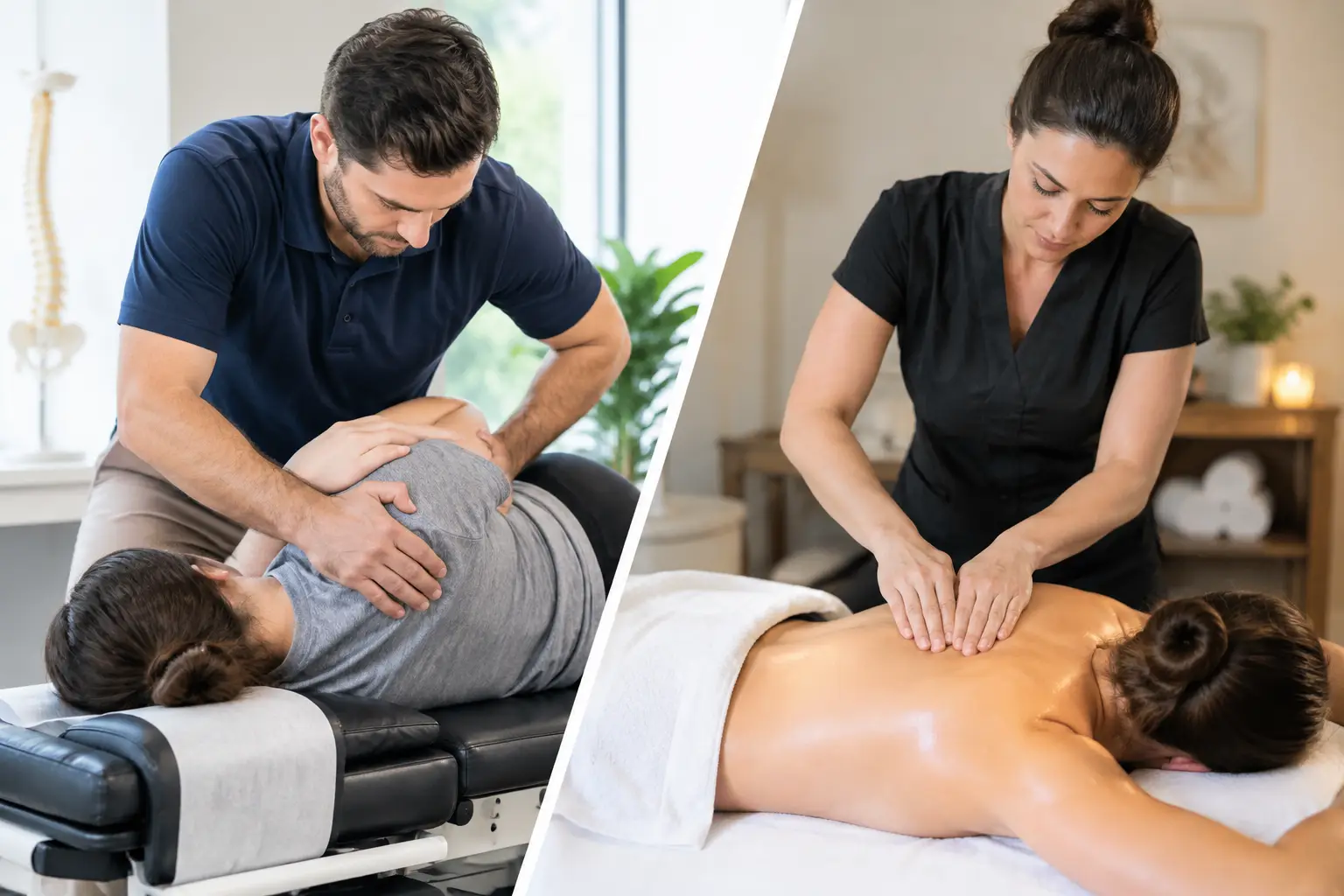
Gentle chiropractic adjustments and manual techniques may improve joint motion and reduce the discomfort that makes certain positions feel guarded or stiff. Better mobility does not automatically create lasting posture change, but it can make corrective movement and rehabilitation more effective.
For example, someone who spends hours looking down at a laptop may develop a stiff upper back, tight chest muscles, and neck muscles that work overtime. An adjustment may help restore movement in the thoracic spine, while soft tissue treatment can address areas of tension. Rehab then reinforces the result by improving upper-back endurance, shoulder-blade control, and deep neck muscle coordination.
This combined approach is often more useful than passive care alone. Hands-on treatment can help you move better now. Structured rehabilitation helps your body maintain that improvement when you return to work, workouts, family responsibilities, and daily life.
Treatment may include more than an adjustment
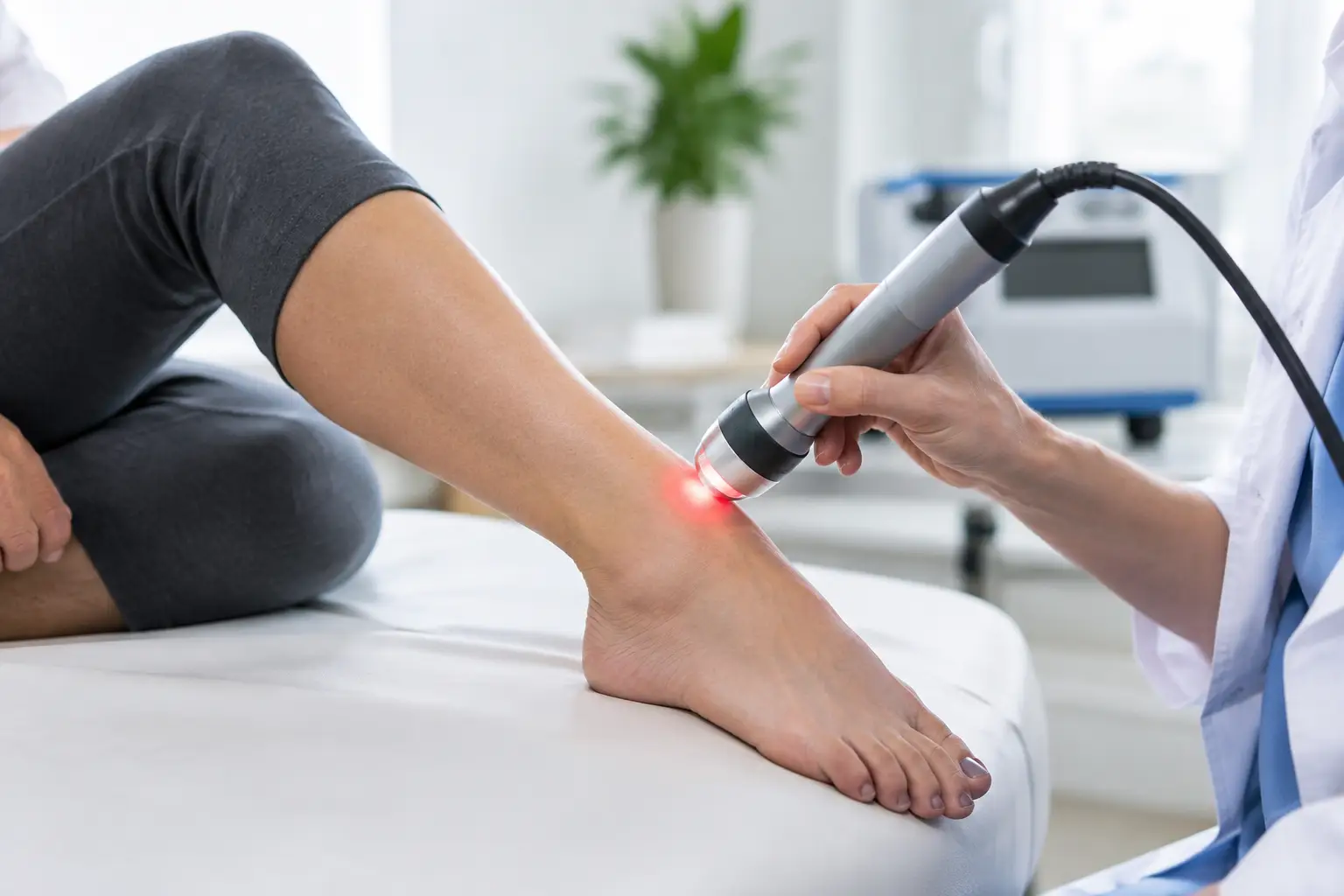
The right treatment plan depends on your symptoms, examination findings, health history, and goals. Care may include chiropractic adjustments, soft tissue techniques, therapeutic exercise, movement retraining, and ergonomic guidance. When clinically appropriate, advanced options such as laser therapy, shockwave therapy, functional dry needling, or spinal decompression may be used to support pain relief and tissue recovery.
Not everyone needs every service. A recreational athlete with one-sided hip tightness may need a different plan than a remote worker with persistent neck tension and headaches. Personalized care is especially valuable when posture complaints overlap with disc irritation, sciatica, arthritis, sports injuries, or a past auto accident.
Why rehab is essential for lasting results
If a painful area is treated but the movement pattern that irritated it never changes, symptoms often return. That is why rehabilitation is central to effective posture care.
Rehab programming may focus on the muscles that help stabilize the spine, control the shoulder blades, support the hips, and coordinate movement during everyday activities. It may also include mobility work for areas that have become stiff from prolonged sitting, repetitive work, or protective guarding after an injury.
The purpose is not to prescribe an exhausting gym routine. A well-designed program gives you manageable exercises that fit your condition and schedule. For some patients, that may mean learning how to hinge at the hips when lifting. For others, it may mean improving thoracic extension, building glute strength, or taking short movement breaks before stiffness builds.
Consistency matters more than perfection. A few targeted exercises performed correctly and regularly can be more valuable than a long routine that is difficult to sustain.
Daily habits that support better posture
Treatment works best when your daily environment supports the progress you are making. You do not need an expensive office redesign to reduce strain, but a few practical changes can make a meaningful difference.
Keep screens closer to eye level when possible, and position your keyboard and mouse so your shoulders can remain relaxed rather than reaching forward. If you work from a laptop, an external keyboard and a simple laptop stand can reduce the need to bend your neck for hours at a time.
Change position often. Even an ideal chair cannot erase the effects of sitting still all day. Brief standing, walking, or mobility breaks every 30 to 60 minutes can help reduce accumulated stiffness. During longer drives, adjust the seat so you can reach the pedals without sliding forward and consider a short walk or gentle stretch at rest stops.
Your sleep setup may also matter. A pillow that pushes the head too far forward or allows it to drop too far back can aggravate neck symptoms. Side sleepers often need enough support to keep the head and neck more level with the rest of the spine, while back sleepers may benefit from a lower-profile option. The best choice is the one that supports comfortable, symptom-free sleep, not a universal pillow style.
When posture-related pain needs an evaluation
An assessment is worthwhile when discomfort keeps returning, affects sleep, limits work or exercise, or causes you to avoid movements you used to do easily. Headaches linked to neck tension, numbness or tingling, pain traveling into an arm or leg, worsening weakness, balance changes, or pain after a significant injury deserve prompt professional attention.
A chiropractor can determine whether conservative care is appropriate and whether your symptoms call for additional evaluation or referral. Safe care starts with identifying what is driving the problem, not assuming every ache comes from posture alone.
What to expect from a personalized plan
Your first visit should involve more than a quick adjustment. A complete evaluation considers your symptoms, medical history, daily activities, range of motion, posture, strength, and movement patterns. From there, your provider can explain what may be contributing to your discomfort and recommend a clear treatment plan.
Some patients feel improvement quickly once pain and stiffness begin to settle. Others need more time, especially if symptoms have been present for months or years, involve degenerative changes, or are connected to a prior injury. Progress is best measured by practical changes: fewer painful days, easier movement, greater tolerance for work or exercise, and more confidence in your body.
Better posture is not about holding yourself rigidly in place. It is about having the mobility, strength, and comfort to change positions freely and meet the demands of your day with less pain. A thoughtful evaluation can help turn that goal into a realistic plan for lasting movement and function.