Spinal stenosis can make a short walk, a trip through the grocery store, or standing at the kitchen counter feel far longer than it should. The best exercises for spinal stenosis are not about pushing through pain. They are about finding positions and movements that reduce pressure-related symptoms, build useful strength, and help you return to daily activities with greater confidence.
For many people with lumbar spinal stenosis, symptoms improve when the lower back is gently flexed, or rounded forward. That is why leaning on a shopping cart or sitting down may bring relief. Still, every case is different. The right exercise plan depends on where the narrowing occurs, your symptoms, your balance, and whether you also have disc problems, arthritis, or nerve irritation.
Why Exercise Can Help Spinal Stenosis
Spinal stenosis refers to a narrowing of spaces around the spinal cord or nerves. In the low back, it may contribute to leg pain, numbness, tingling, heaviness, or weakness that increases with standing and walking. This pattern is often called neurogenic claudication.
Exercise cannot reverse every structural change in the spine. It can, however, improve how your body manages the condition. Gentle mobility work may place the low back in a more comfortable position. Strengthening the hips and trunk can improve support during walking, bending, and transitions. Low-impact conditioning also helps maintain the endurance needed for everyday life without repeatedly aggravating symptoms.
The goal is functional progress. That may mean walking farther before symptoms begin, getting out of a chair more easily, or enjoying a family outing without planning every stop around your pain.
Best Exercises for Spinal Stenosis
Start slowly, use controlled movement, and stay within a tolerable range. Mild muscular effort is expected. Sharp pain, increasing leg symptoms, or numbness that lingers after exercise are signs to stop and reassess.
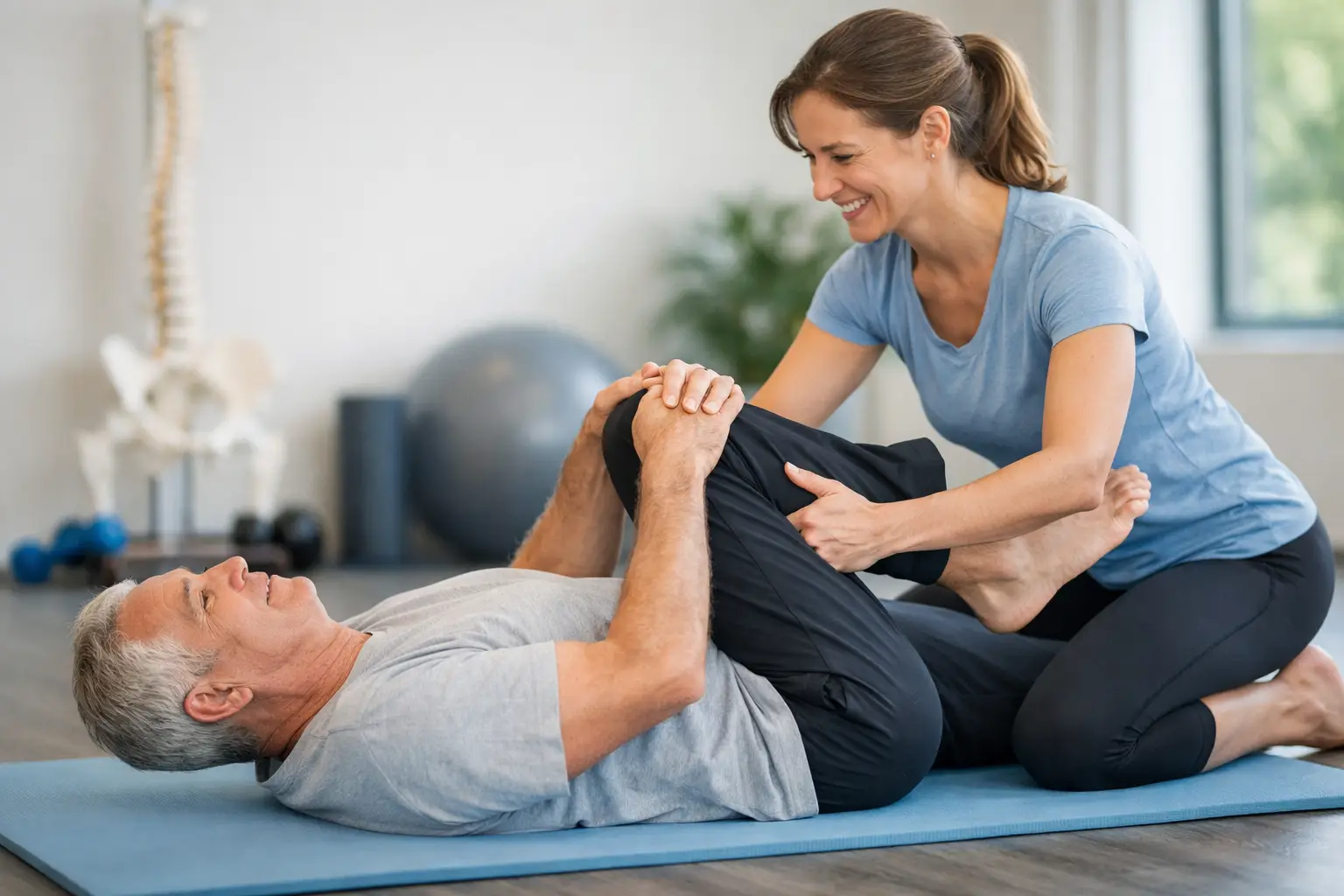
Single Knee-to-Chest Stretch
Lie on your back with both knees bent and feet on the floor. Gently bring one knee toward your chest, holding behind the thigh or over the shin. Keep the opposite foot down and avoid pulling aggressively. Hold for 15 to 30 seconds, then switch sides.
This movement gently encourages lumbar flexion and can ease stiffness for people whose symptoms are worse with standing upright. Complete two or three holds per side. If bringing the knee up causes hip pinching or increased pain, reduce the range or skip the exercise.
Double Knee-to-Chest Stretch
If the single-leg version feels comfortable, bring both knees toward your chest while lying on your back. Hold behind your thighs and allow your low back to relax into a gentle rounded position. Hold for 15 to 30 seconds and repeat two or three times.
This is often a comfortable position for lumbar stenosis, but it is not necessary for everyone. People with significant hip arthritis, recent abdominal surgery, or difficulty getting down to and up from the floor may do better with seated options.
Seated Forward Flexion
Sit near the front edge of a sturdy chair with your feet flat and apart. Slowly lean forward from your hips, resting your forearms on your thighs if that feels good. Let your neck and shoulders relax, then return to an upright position with control.
Perform 8 to 10 repetitions. This is a practical exercise because it mirrors a position many people naturally use to calm symptoms. It can also be used as a brief reset after standing or walking, rather than waiting until pain becomes intense.
Posterior Pelvic Tilts
Lie on your back with knees bent. Gently tighten your lower abdominal muscles and flatten your low back toward the floor. You do not need to force the movement. Hold for three to five seconds, then relax.
Aim for 8 to 12 repetitions. Pelvic tilts help you practice controlled low-back positioning while engaging the muscles that support your trunk. The movement should feel small and steady, not like a hard abdominal workout.
Supported Bridge
Begin on your back with knees bent and feet hip-width apart. Tighten your glutes and gently lift your hips only as high as you can without arching your low back or reproducing leg symptoms. Pause briefly, then lower with control.
Try 6 to 10 repetitions. Bridges strengthen the glutes, which play a major role in standing, stair climbing, and walking mechanics. If a full bridge is uncomfortable, begin with glute squeezes while lying down or practice a smaller lift.
Clamshells
Lie on your side with knees bent and your hips stacked. Keep your feet together as you slowly lift the top knee, then lower it without rolling your pelvis backward. A light resistance band can be added later, but body weight is enough to start.
Complete 8 to 12 repetitions on each side. Clamshells strengthen the side hip muscles that help control pelvic motion when you walk. Better hip control can reduce unnecessary strain on the low back and knees.
Sit-to-Stands
Use a sturdy chair placed against a wall if needed. Sit tall with your feet under your knees. Lean slightly forward, press through your feet, and stand up without using your hands if you can do so safely. Slowly sit back down.
Start with 5 to 8 repetitions. This exercise builds strength for one of the movements people use most often, getting up from a chair, toilet, or car. Raise the chair height or use your hands for assistance if pain, weakness, or balance limits you.
Recumbent Bike or Incline Walking
For cardiovascular conditioning, a recumbent bike is often a good option because its seated, slightly flexed position may be more comfortable than upright walking. Begin with 5 to 10 minutes at an easy pace and increase gradually as tolerated.
Some people also tolerate walking on a slight incline better than walking downhill or on flat ground, because an incline naturally encourages a small forward lean. This is not universal. If walking increases leg weakness or pain quickly, a bike, pool program, or professionally guided plan may be a better starting point.
A Simple Starting Routine
A short routine done consistently usually works better than an occasional long workout. On most days, consider a few minutes of gentle mobility, followed by one or two strengthening exercises and low-impact conditioning. For example, you might perform pelvic tilts, seated forward flexion, bridges, and five minutes on a recumbent bike.
Allow your symptoms to guide progression. If you feel better during exercise and return to your usual baseline afterward, that is generally a positive sign. If symptoms flare and remain worse into the next day, reduce the duration, repetitions, or range of motion. More is not always better when irritated nerves are involved.
Exercises and Positions to Approach Carefully
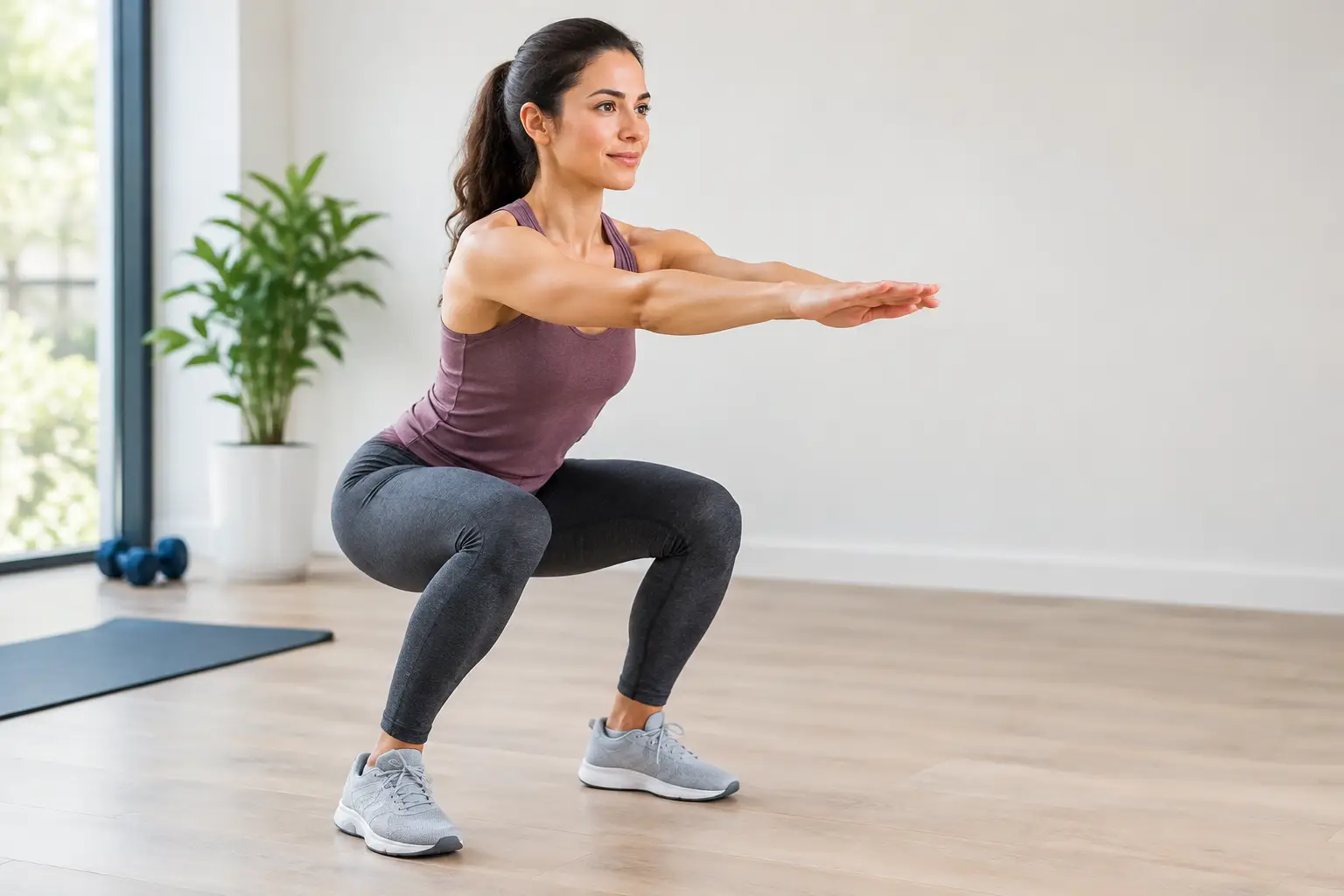
Many people with lumbar stenosis find prolonged back bending uncomfortable. Repeated extension exercises, aggressive overhead lifting, deep backbends, and high-impact activity can increase symptoms for some individuals. That does not mean these movements are permanently off-limits for every person. It means they should be introduced carefully and only when they fit your diagnosis, tolerance, and goals.
Avoid forcing stretches, holding your breath during strengthening, or exercising through progressive numbness or weakness. A program that helps one person may be a poor fit for another, especially if spinal stenosis occurs alongside spondylolisthesis, hip disease, peripheral neuropathy, or a recent injury.
When to Get Personalized Care
New or worsening leg weakness, loss of bowel or bladder control, numbness in the groin area, severe unrelenting pain, or major balance changes require prompt medical evaluation. These symptoms should not be managed with home exercise alone.
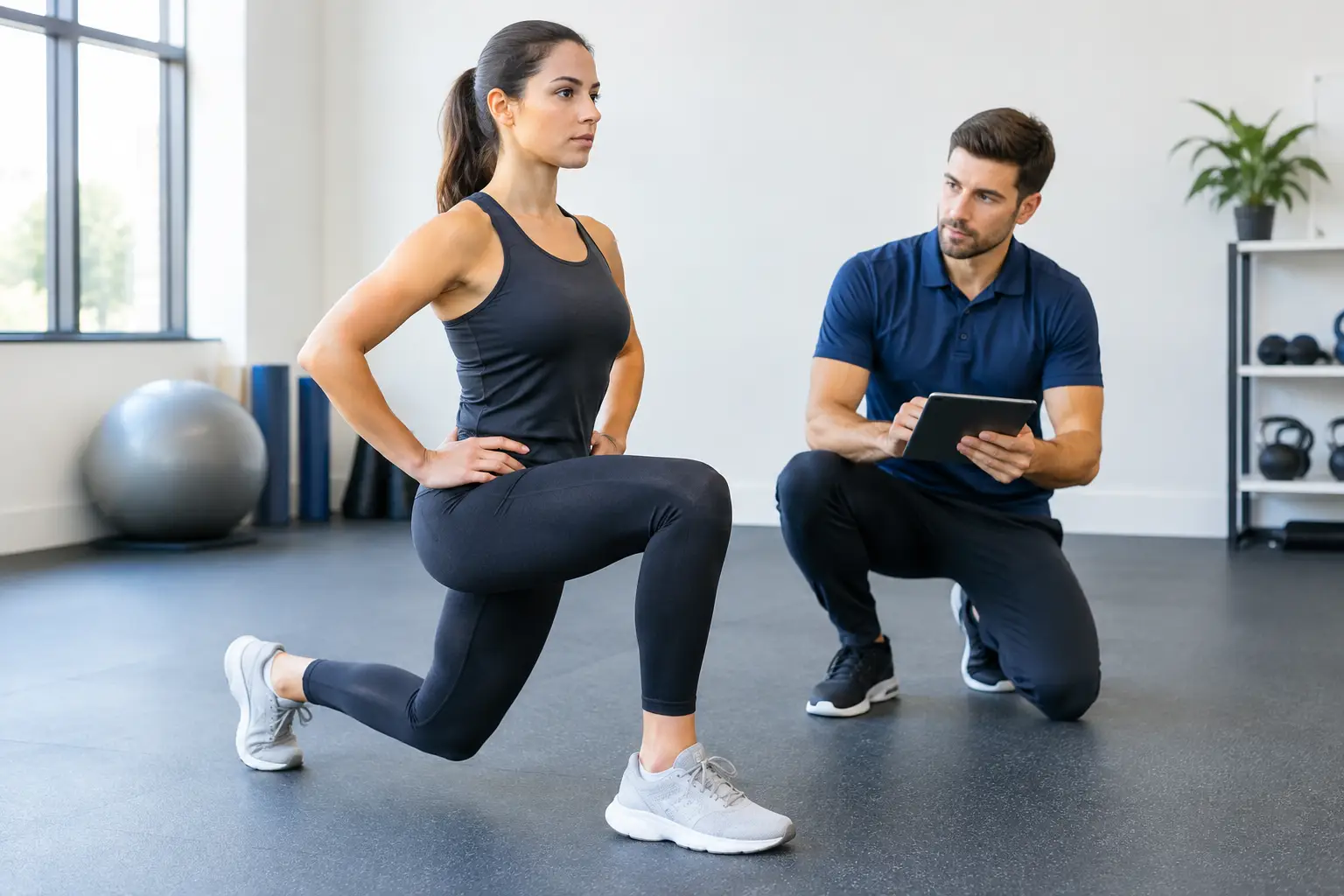
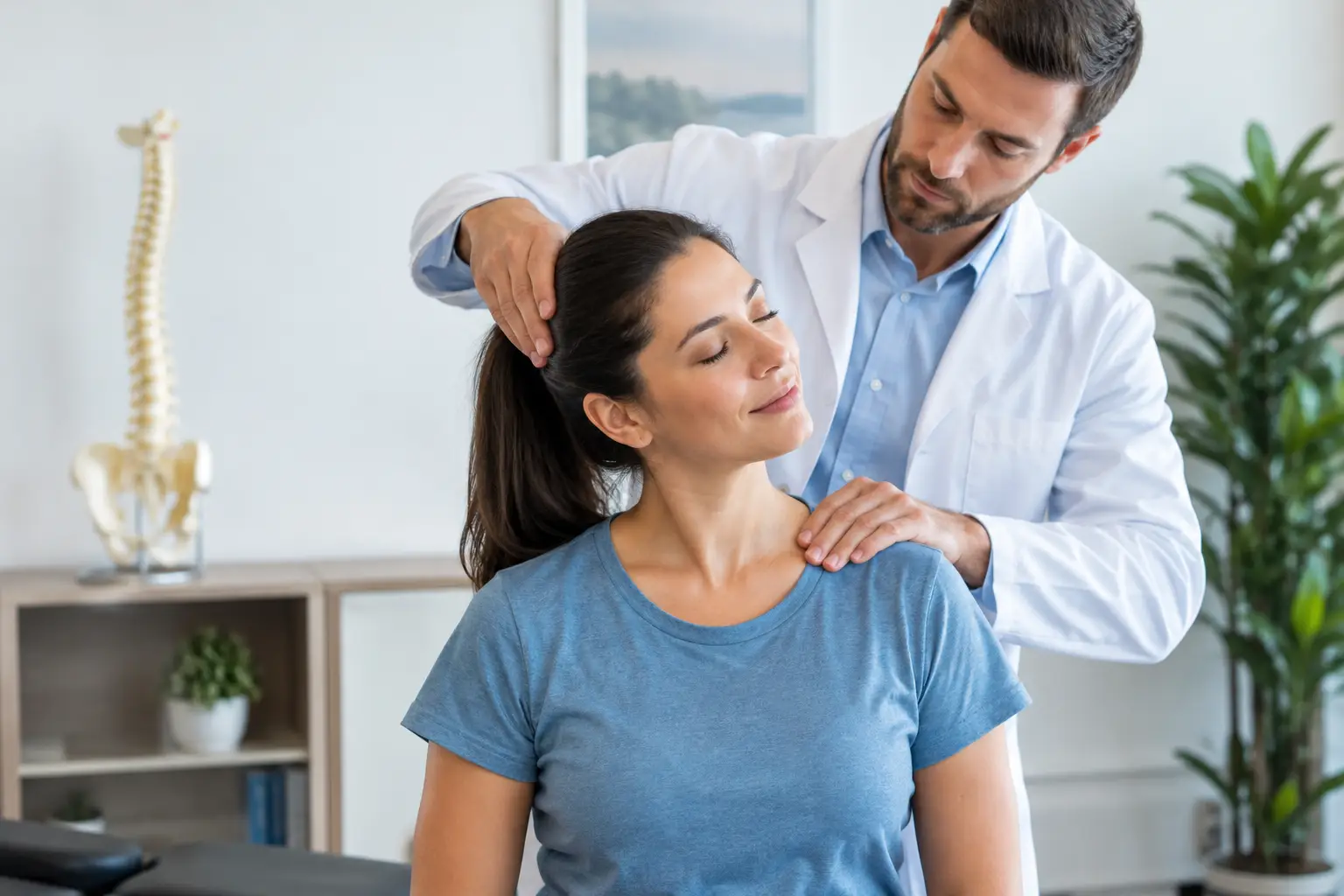
Even without urgent warning signs, a professional assessment is valuable when pain limits walking, sleep, work, or family activities. At Bell District Spine and Rehab, individualized rehabilitation can combine movement analysis, hands-on care, and progressive exercise to address the way your spine, hips, and daily habits are contributing to symptoms.
The most effective plan is the one you can perform safely and consistently. Start where your body is today, respect the signals it gives you, and build toward the activities that make life feel more like your own again.