A sharp pain getting out of the car, numbness down the leg after a long workday, or a knee that no longer trusts the stairs can make everyday life feel smaller. Noninvasive therapies offer a practical path forward for many musculoskeletal conditions, helping reduce pain, improve movement, and support healing without making surgery or long-term medication the automatic first step.
At Bell District Spine and Rehab, conservative care is not a generic checklist. It is a personalized plan built around how your body moves, what is driving your symptoms, and what you need to get back to doing – whether that is working comfortably, training, caring for family, or simply sleeping through the night.
What Are Noninvasive Therapies?
Noninvasive therapies are treatments that work with the body from the outside or through targeted, non-surgical techniques. They do not require an incision, hospital stay, or general anesthesia. Depending on the condition, they may include chiropractic adjustments, spinal decompression, rehabilitation exercises, soft tissue treatment, laser therapy, shockwave therapy, or functional dry needling.
The goal is not merely to quiet a painful area for a few hours. Effective conservative care looks at the mechanics behind the problem. A sore low back may be influenced by disc irritation, restricted hip motion, weak trunk control, poor lifting mechanics, or prolonged sitting. Shoulder pain may be connected to limited upper-back movement or an imbalance in how the shoulder blade moves.
That is why the right treatment is rarely a single service repeated indefinitely. It is a progression: reduce irritation, restore motion, rebuild strength and control, then help you return to the activities that matter to you.
When Conservative Care May Be a Good First Step
Many people seek noninvasive care after a sudden injury, but it can also be appropriate for pain that has built up gradually. Back and neck pain, sciatica, disc-related symptoms, headaches, sports injuries, knee pain, stiffness, and repetitive strain issues may respond well to a structured conservative approach.
For someone with acute pain, the first priority may be calming symptoms enough to move more comfortably. For someone who has dealt with recurring pain for years, the focus may shift toward identifying patterns, improving mobility, and building tolerance for work, exercise, or household tasks.
Noninvasive treatment is not always the complete answer. Severe trauma, significant or progressive weakness, loss of bowel or bladder control, suspected fracture, infection, or certain medical conditions require prompt medical evaluation. A responsible provider screens for these concerns and refers when a different level of care is needed. Conservative care works best when it is chosen for the right diagnosis and monitored according to your response.
How Noninvasive Therapies Address Pain and Mobility
Chiropractic Care and Manual Adjustments
Chiropractic adjustments and hands-on manual therapy can help improve joint motion and reduce mechanical restriction in the spine and extremities. When a joint is not moving well, surrounding muscles may tighten or compensate, sometimes contributing to pain and stiffness.
Adjustments are not intended as a stand-alone fix for every condition. They are often most useful when paired with movement retraining and rehabilitation. The aim is to help you move better, then teach your body how to maintain that improvement in real life.
Spinal and Knee Decompression
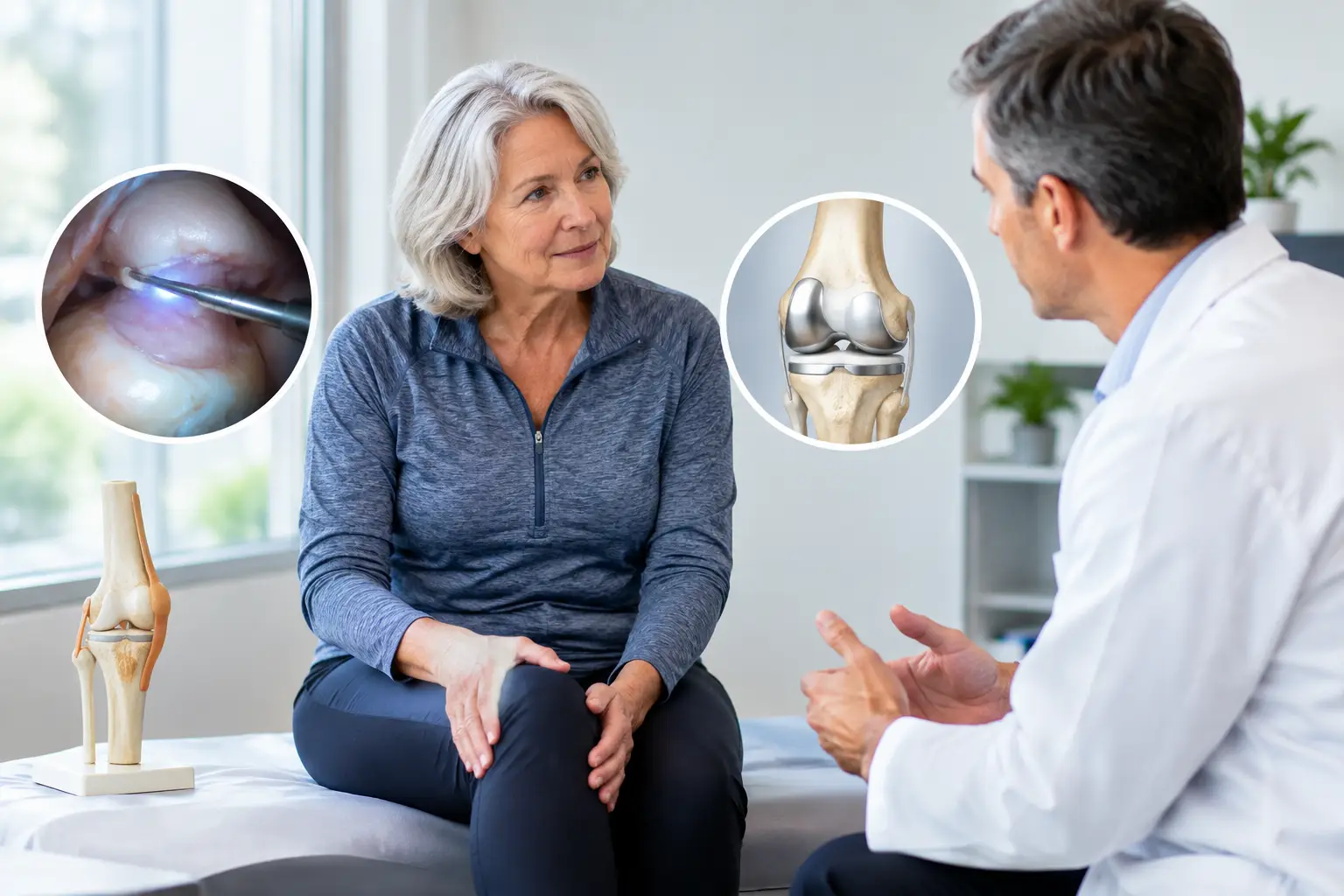
Decompression therapy uses controlled traction to gently reduce pressure through targeted structures. Spinal decompression may be considered for some patients with disc-related low-back or neck symptoms, radiating pain, or sciatica. Knee decompression can be an option for certain people dealing with joint discomfort, stiffness, or degenerative changes.
Results depend on the source of pain, the severity of the condition, and your overall health. A careful evaluation matters because decompression is not appropriate for every person or every diagnosis. When it is appropriate, it can be a valuable part of a broader recovery plan.
Soft Tissue Techniques and Functional Dry Needling
Muscles, tendons, fascia, and other soft tissues can remain sensitive long after an injury. Soft tissue techniques may help address areas of tension, restricted tissue movement, and muscle guarding that limit comfortable motion.
Functional dry needling uses a thin needle to target specific muscle trigger points or areas of dysfunction. It is not the same as medication injection or surgery. For some patients, it can help reduce muscular tightness and improve movement when used alongside corrective exercise and other hands-on care.
Shockwave and Laser Therapy
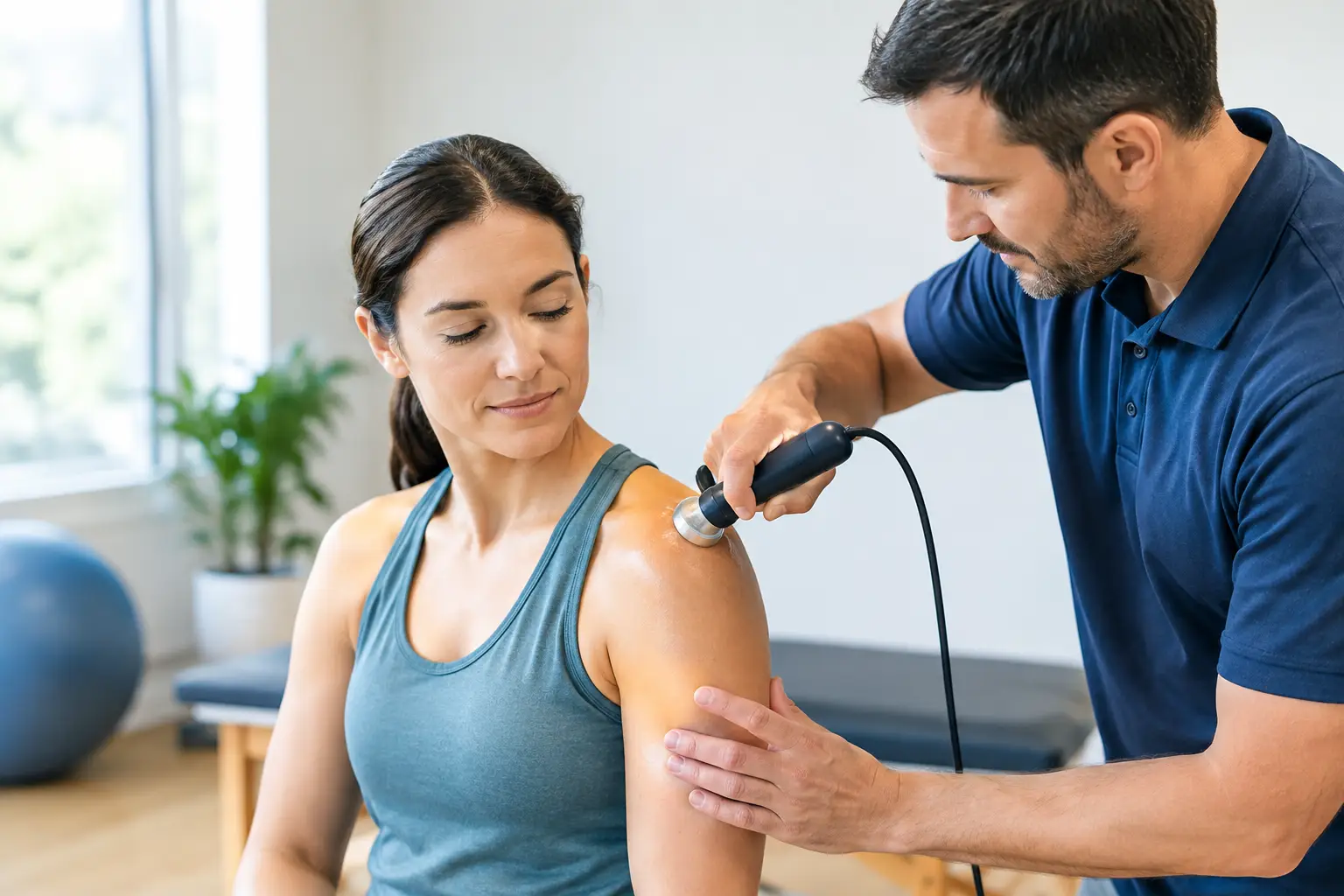
Shockwave therapy delivers acoustic waves to targeted tissue and may be used for certain chronic tendon and soft tissue conditions. It is commonly considered when persistent symptoms have not improved with rest alone, such as some cases of plantar heel pain, tendon pain, or sports-related overuse injuries.
Laser therapy uses specific wavelengths of light with the goal of supporting the body’s healing response and reducing pain or inflammation. Neither option should be viewed as a miracle treatment. Their value comes from using them thoughtfully, for the right condition, within a plan that also addresses movement, load, and function.
Rehab That Connects Treatment to Daily Life
Rehabilitation is where pain relief begins to become durable progress. A tailored rehab program may include mobility work, stabilization exercises, strength training, balance work, and guidance on posture or lifting mechanics. The exercises should match your current ability, not a generic handout.
For example, a runner with knee pain may need a different plan than an office worker with knee pain. One may need help with training load and hip control; the other may need better tolerance for stairs, squatting, and sitting-to-standing. The painful body part matters, but so does the demand placed on it every day.
Why an Evaluation Should Come Before a Treatment Plan
A personalized assessment gives noninvasive care its direction. Before recommending treatment, a provider should ask how symptoms began, what makes them better or worse, where pain travels, and how the problem affects sleep, work, exercise, and daily routines. Movement analysis, orthopedic testing, and a physical examination help identify which tissues or movement patterns may be involved.
This process also helps avoid overtreatment. More treatment is not automatically better treatment. Some patients need a short period of focused care after a flare-up. Others benefit from a longer rehabilitation plan because chronic weakness, poor movement control, or repeated strain has contributed to recurring symptoms.
The best plan should have clear goals. That might mean turning your head safely while driving, sitting through a meeting without leg pain, returning to the gym, or walking around the neighborhood with more confidence. Progress should be measured by more than a pain score alone.
What to Expect From Your Recovery
Recovery rarely follows a perfectly straight line. Symptoms can fluctuate as irritated tissues settle and as your body adapts to new activity. A good treatment plan accounts for this by adjusting the intensity of care, exercises, and daily activity recommendations over time.
You also have an active role. Attending visits, performing recommended home exercises, communicating changes in symptoms, and gradually returning to movement all influence the outcome. The goal is not dependence on ongoing treatment. It is greater confidence in your body and a clearer plan for managing future flare-ups.
If pain is limiting your life, you do not need to choose between doing nothing and pursuing an invasive procedure. A thoughtful evaluation can clarify what is driving your symptoms and whether a personalized, noninvasive approach is a reasonable next step. Better movement often starts with understanding the problem well enough to treat it with purpose.