A painful back, irritated knee, or lingering shoulder injury can change far more than comfort. It can alter how you sleep, work, exercise, get in and out of the car, or keep up with your family. Understanding how rehab programs restore function helps explain why effective care goes beyond temporarily reducing symptoms. The goal is to help your body move with more confidence, control, and resilience in the activities that matter to you.
At Bell District Spine and Rehab, rehabilitation is not treated as a generic set of exercises handed out after an appointment. It is a personalized process that considers the source of pain, the way your body currently moves, and the specific demands of your day. For some patients, that may mean returning to a sport. For others, it may mean walking without fear of a flare-up, sitting through a workday, or lifting a grandchild comfortably.
Pain relief is the starting point, not the finish line
Pain can cause the body to compensate. When your low back hurts, you may avoid bending and rely too heavily on your hips or knees. When a knee is painful, you may shift your weight to the other leg. These changes can be protective in the short term, but they can also create stiffness, weakness, and new movement problems when they continue for too long.
A rehabilitation program begins by identifying what may be driving the problem. That can include reduced joint mobility, irritated soft tissue, poor lifting mechanics, muscle weakness, an old injury, disc-related symptoms, or repetitive strain from work and daily activities. A thorough evaluation helps determine which areas need support and which movements need to be gradually restored.
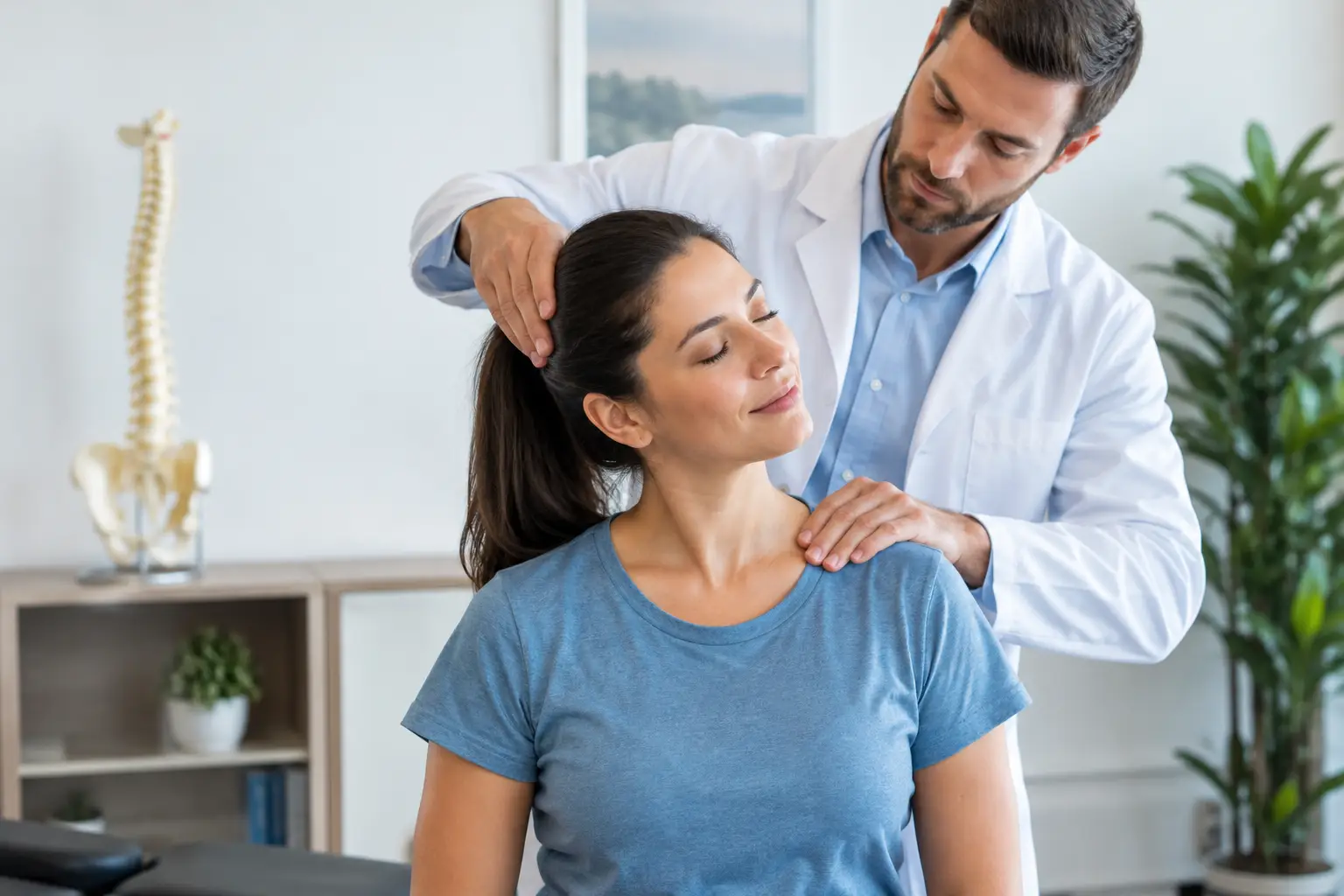
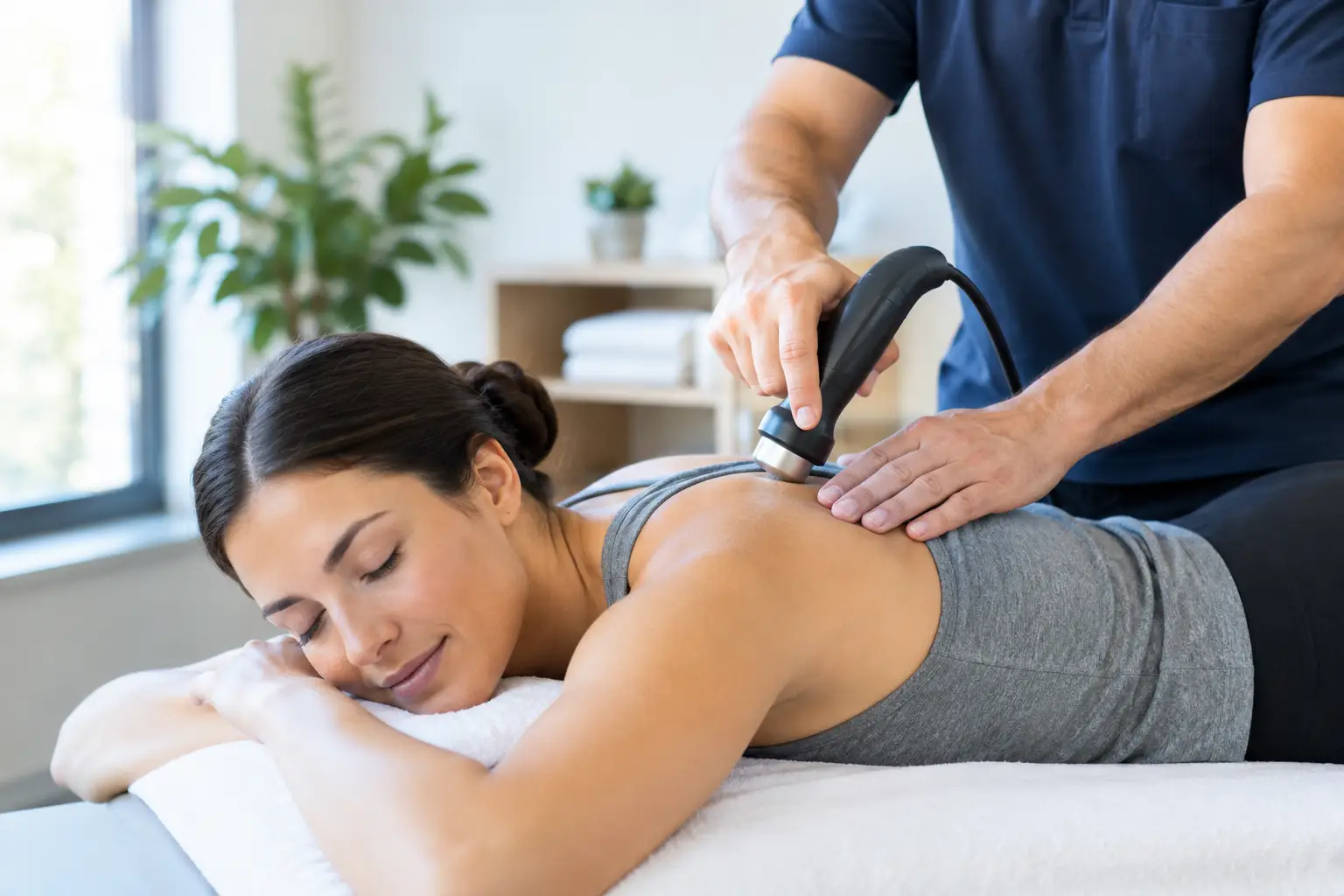
Hands-on chiropractic care, manual techniques, spinal decompression, soft tissue work, laser therapy, shockwave therapy, or functional dry needling may be appropriate parts of care depending on the condition. These services can help reduce irritation, improve mobility, and make movement more tolerable. But passive treatment alone is rarely enough to create lasting functional change. Once pain is better managed, the body needs a plan for moving well again.
How rehab programs restore function step by step
Function is the ability to do what your life requires without unnecessary limitation. A strong rehab program rebuilds it gradually, using the right level of challenge at the right time.
First, the program establishes your baseline
No two cases of back pain, sciatica, knee discomfort, or sports injury are exactly alike. A movement analysis can reveal whether you have limited range of motion, poor balance, reduced core control, asymmetrical strength, or pain during a particular task. Your provider may assess how you squat, walk, reach, bend, rotate, or rise from a chair.
This baseline matters because it turns vague goals into measurable ones. Instead of simply saying, “My back feels bad,” you may identify that standing for 20 minutes triggers symptoms or that twisting to load groceries is difficult. Those details guide treatment and give you practical markers for progress.
Next, mobility is restored where it is needed
Stiffness is not always the main problem, but limited movement can keep the body from using its joints efficiently. A patient with hip tightness, for example, may repeatedly overload the low back when bending. A shoulder that does not move well may force the neck to do extra work.
Rehabilitation may include controlled mobility work, joint-focused care, and movement drills that help you regain range without forcing painful motion. The emphasis is on quality, not simply stretching farther. Moving too aggressively can aggravate an irritated tissue or joint, especially after an acute injury. The right progression respects where you are today while working toward where you need to be.
Then, strength and stability are rebuilt
Mobility without control can leave a joint vulnerable. Strength without proper movement can reinforce the same compensation that contributed to pain. This is why rehabilitation combines both.
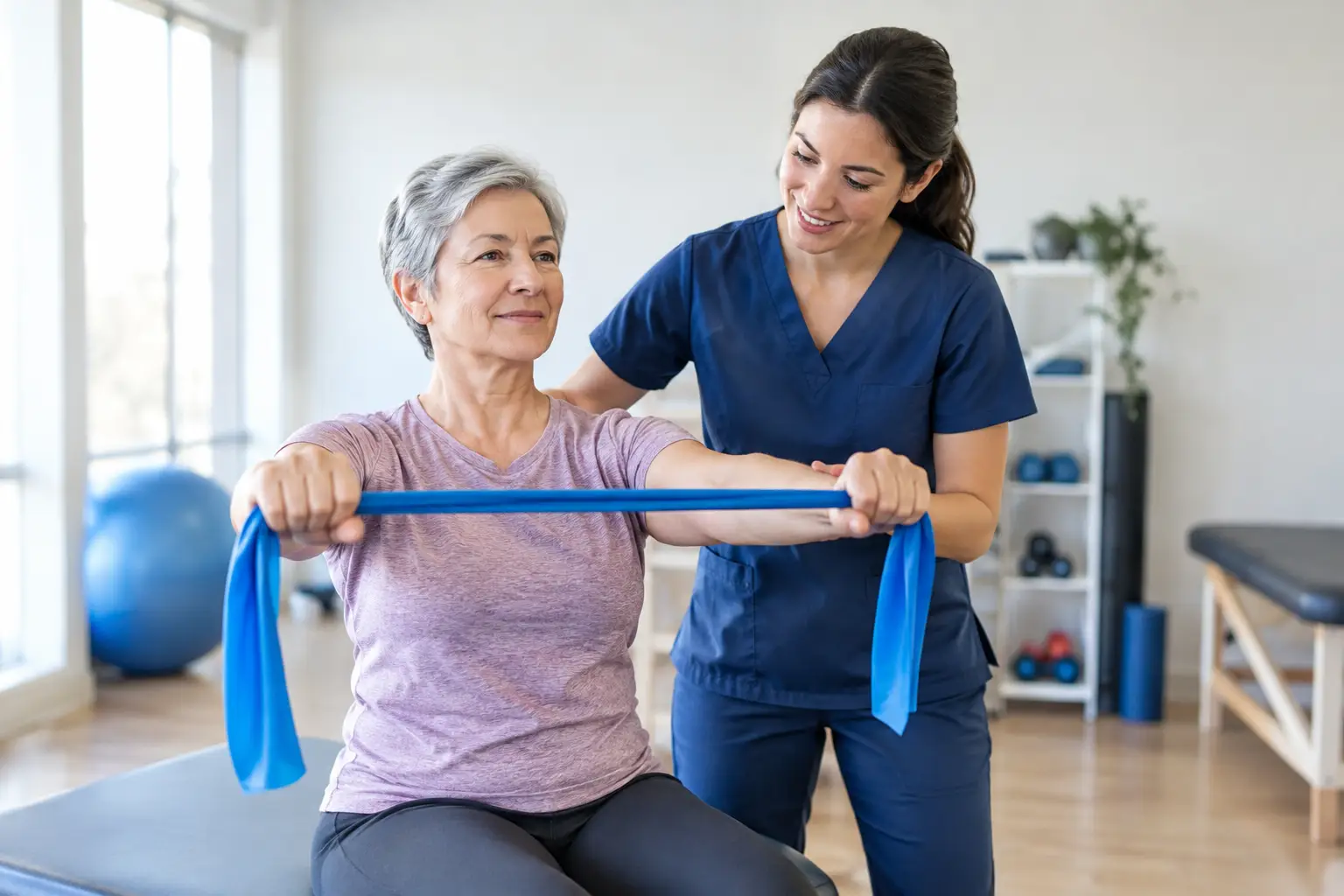
Exercises may target the muscles that support the spine, hips, knees, shoulders, and ankles. Early exercises are often simple and carefully controlled. As symptoms improve, the program can progress toward more demanding movements such as squatting, stepping, carrying, pushing, pulling, or rotational work.
The purpose is not to make every patient train like an athlete. It is to build enough strength and stability for the tasks they actually perform. A desk worker may need better postural endurance and shoulder control. An active adult may need stronger hips and knees for hiking or pickleball. An older adult may need balance, leg strength, and confidence with stairs.
Finally, the work is connected to real life
The best rehab programs do not stop at a treatment table or exercise mat. They prepare you for the movements that previously caused trouble. That may include lifting a box with better mechanics, returning to a running progression, practicing safe bending, or improving tolerance for long drives and standing at work.
This phase is particularly valuable because pain often improves before capacity fully returns. If someone returns immediately to heavy lifting, weekend sports, or long hours of physical work without rebuilding tolerance, symptoms can return. A gradual return to activity gives the body time to adapt while helping patients feel more confident in their movement.
Why a personalized plan produces better results
A one-size-fits-all exercise sheet may be convenient, but it does not account for your injury history, current symptoms, work demands, fitness level, or goals. A plan for a runner with knee pain should not look exactly like a plan for a parent with neck tension from computer work or an older adult managing degenerative changes.
Personalized rehabilitation also allows the program to change as you improve. Early care may focus on calming pain and restoring comfortable motion. Later visits can shift toward strength, endurance, balance, and task-specific movement. If an exercise causes symptoms, it can be modified. If progress stalls, your provider can reassess the contributing factors instead of asking you to simply push through pain.
There are trade-offs. Rest can be useful after a fresh injury, but too much rest may lead to more stiffness and deconditioning. Exercise is often essential, but doing too much too soon can create a setback. The right plan finds a productive middle ground: enough activity to build capacity, with appropriate adjustments to protect healing tissues.
Rehab supports long-term independence
The value of rehabilitation is often clearest in ordinary moments. It is being able to turn your head while driving, carry laundry without guarding your back, walk through Cedar Park trails, finish a shift with less discomfort, or play on the floor with your children and get back up comfortably.
For chronic conditions, rehab may not erase every structural change or guarantee that symptoms never return. Arthritis, prior injuries, repetitive work demands, and age-related changes can all influence recovery. Still, better strength, mobility, and movement awareness can reduce the impact those factors have on daily life. Patients often gain tools they can continue using long after a formal treatment plan ends.
Consistency matters more than perfection. A focused home program completed regularly can be more effective than occasional intense workouts. Your provider can help you choose exercises that fit your schedule and show you how to recognize the difference between normal training discomfort and symptoms that warrant modification.
When to consider a rehab evaluation
A rehabilitation evaluation can be helpful when pain keeps returning, movement feels restricted, you are recovering from an injury, or you have stopped doing activities you once enjoyed. It is also useful when pain has improved but you still feel weak, unstable, guarded, or uncertain about returning to exercise or work.
Seek prompt medical evaluation for severe or worsening symptoms, significant weakness, loss of bowel or bladder control, numbness in the groin area, unexplained fever, or pain after major trauma. These symptoms may require a different level of care.
For many musculoskeletal concerns, conservative rehabilitation offers a practical path forward. It combines pain relief strategies with the active work of rebuilding movement, strength, and confidence. The next meaningful step is not always doing more. It is finding the right movement plan for your body, your goals, and the life you want to get back to.