
A lower pain score is encouraging, but it is not the whole story. Meaningful rehab outcomes show up when getting out of a chair is easier, a workday no longer creates a flare-up, a walk feels stable, or an athlete can return to training with confidence. For people in Cedar Park and nearby communities, the goal of rehabilitation should be more than temporary relief. It should be better movement, greater resilience, and a clearer path back to the activities that matter.
Rehab Outcomes Are More Than Pain Relief
Pain is often the reason a patient seeks care, and reducing it is a valid first goal. Back pain, sciatica, knee discomfort, headaches, and sports injuries can limit sleep, work, exercise, and family time. Yet pain can change from day to day. A person may feel better after treatment but still have poor movement control, restricted mobility, or limited strength that leaves the original problem likely to return.
That is why lasting rehabilitation looks at both symptoms and function. A strong outcome might mean being able to lift a child without guarding, sit through a meeting without numbness down the leg, climb stairs with less knee pain, or turn the head comfortably while driving. These are practical measures of progress because they reflect what the body needs to do in real life.
For some patients, the desired result is returning to a sport or physically demanding job. For others, it is simply walking farther, sleeping more comfortably, or feeling secure enough to move again after an injury. The best plan is built around the individual goal, not a generic definition of recovery.
What Influences Better Rehab Outcomes?
Recovery is rarely determined by one treatment or one appointment. It is shaped by the nature of the condition, how long symptoms have been present, the demands placed on the body, and how consistently the patient can follow through with care. Acute pain after a recent strain may improve relatively quickly. Chronic pain, disc-related symptoms, degenerative joint changes, or a history of repeated injury often require a more gradual process.
A thoughtful evaluation creates the foundation. This may include a review of symptoms, range of motion, posture, strength, walking mechanics, joint mobility, and the movements that reproduce pain. The purpose is not just to identify where it hurts. It is to understand why the area may be under stress and what needs to change for movement to improve.
Personalization matters because two people with the same diagnosis may need different care. One patient with low back pain may need help restoring hip mobility and core control. Another may need to reduce nerve irritation, improve lifting mechanics, and build tolerance for sitting. A runner with knee pain may benefit from a detailed movement analysis, while someone with longstanding stiffness may need a combination of hands-on care and gradual mobility work.
Care Should Progress as the Body Improves
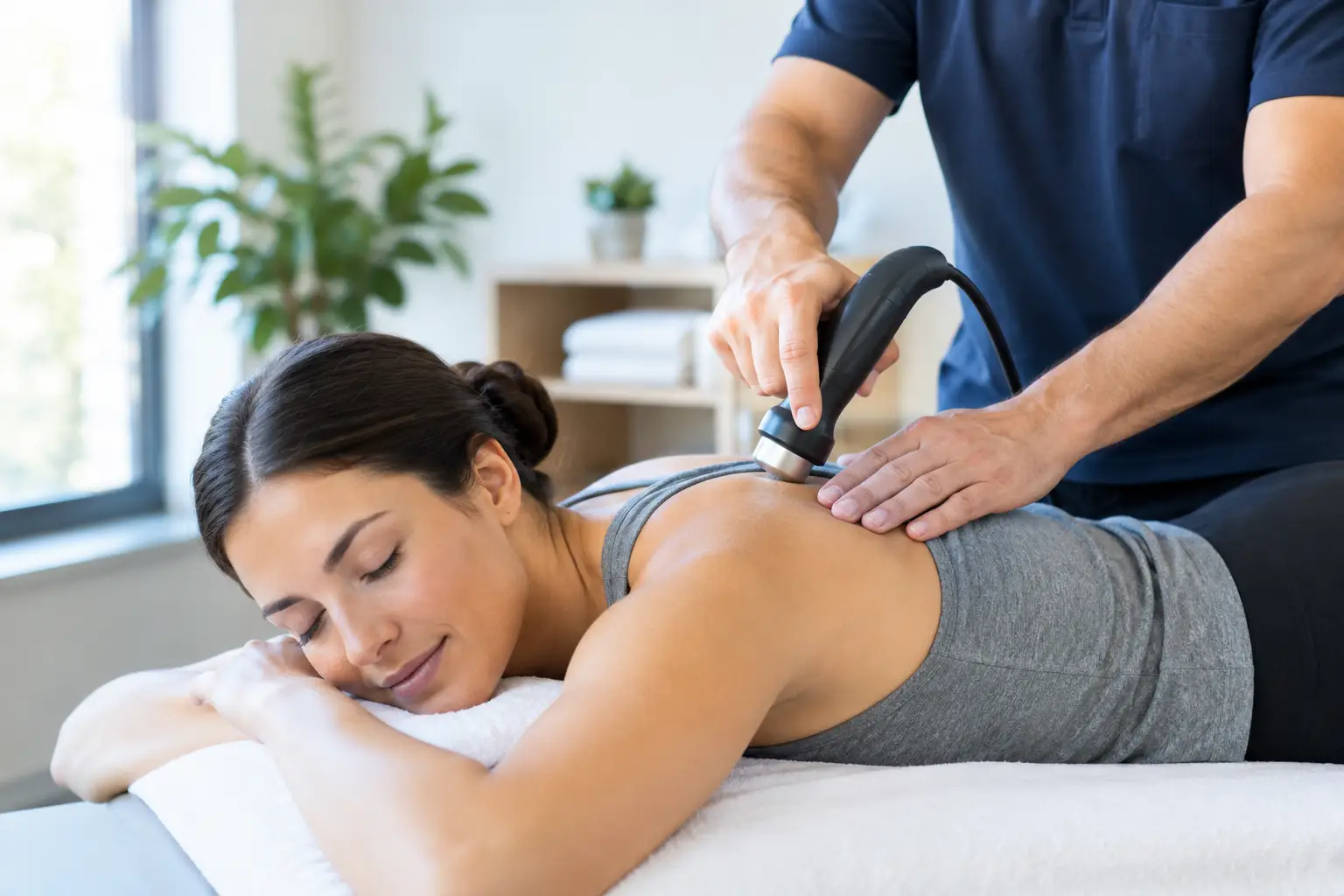
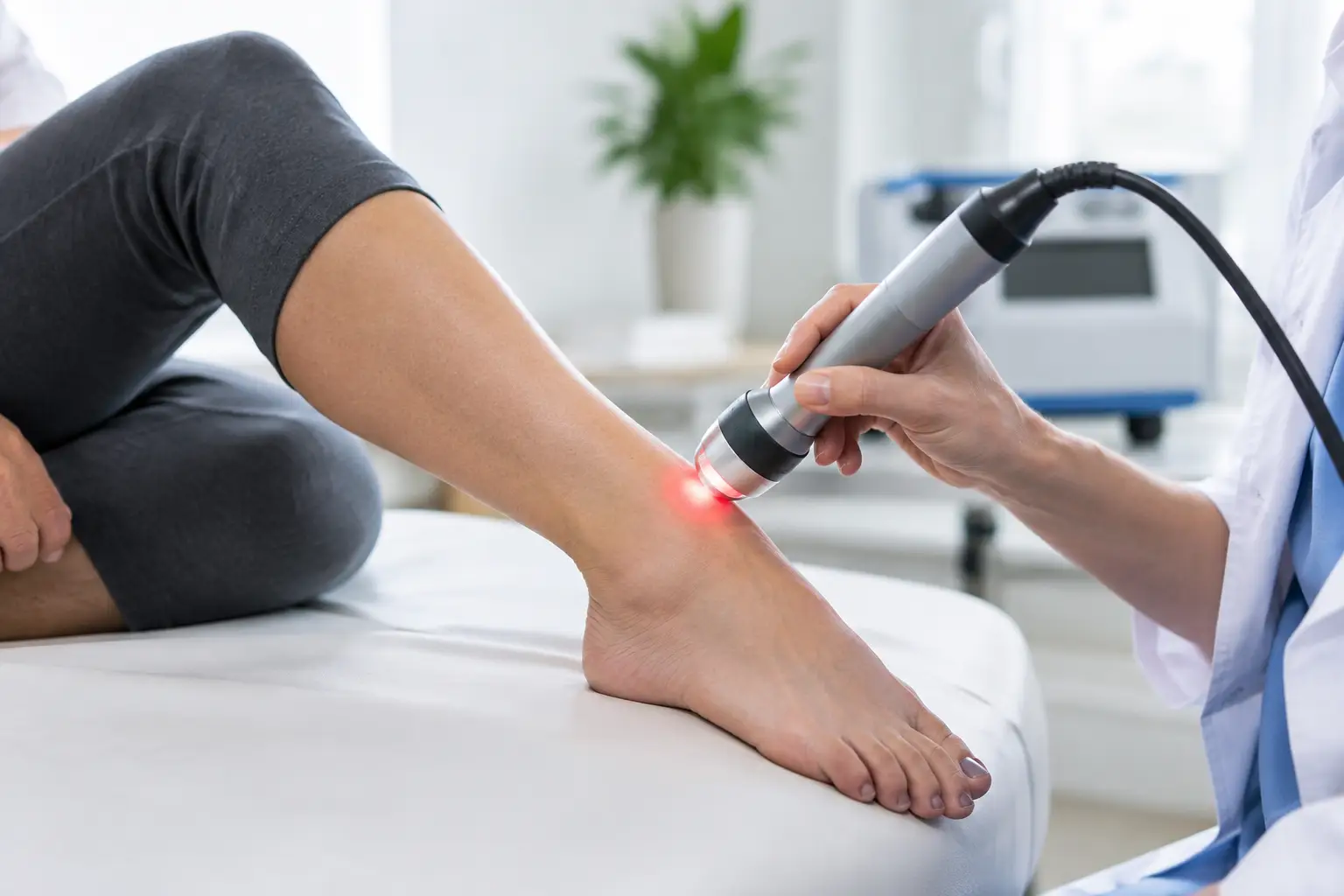
Early rehabilitation often focuses on calming symptoms and making basic movement more tolerable. Depending on the condition, conservative care may include chiropractic adjustments, soft tissue techniques, spinal decompression, laser therapy, shockwave therapy, or functional dry needling. These services can help address joint restriction, muscle tension, circulation, and pain sensitivity when used as part of an appropriate plan.
Relief alone, however, is not the finish line. As symptoms become more manageable, rehabilitation should shift toward restoring motion, strength, coordination, and confidence. This may involve targeted exercises, balance training, core stability work, progressive loading, and coaching on how to move safely during daily activities.
That progression is one reason a combined chiropractic and rehab approach can be valuable. Hands-on treatment may help a patient move with less restriction, while active rehabilitation teaches the body how to maintain that improvement. The right balance depends on the person and the condition. Someone in significant pain may need a gentler starting point, while an athlete preparing to return to competition may need more demanding functional testing and training.
Functional Goals Keep Treatment Relevant
Treatment is more focused when progress is tied to a specific activity. “I want less pain” is a reasonable starting point, but it becomes more actionable when paired with a functional goal: standing for a full shift, gardening for an hour, returning to pickleball, or carrying groceries without a flare-up.
These goals help guide decisions throughout care. If a patient can move better in the clinic but still struggles to sit through a commute, the plan may need more attention on posture tolerance, hip mobility, or movement breaks. If a shoulder feels good during basic exercises but hurts during overhead work, rehabilitation should build capacity for that real-world demand instead of stopping too early.
How Progress Is Measured
Better outcomes should be visible in more than a verbal check-in. Patient feedback is essential, but objective measures can show whether the body is gaining capacity. Depending on the condition, a provider may track range of motion, strength, balance, walking tolerance, movement quality, symptom frequency, or the ability to complete a previously difficult task.
Progress is not always perfectly linear. It is common to have a better week followed by temporary soreness after doing more activity. The key question is whether the overall trend is moving in the right direction. Is recovery time getting shorter? Are symptoms less intense or less frequent? Is the patient able to do more without paying for it later?
A temporary increase in soreness does not automatically mean damage or failure. At the same time, persistent worsening symptoms, new numbness or weakness, significant swelling, or pain that does not respond as expected should be reassessed promptly. Good care adapts rather than pushing through warning signs.
The Patient’s Role in Lasting Results
A personalized treatment plan works best when it fits into real life. Home exercises should be clear, purposeful, and manageable, not an overwhelming list that is difficult to maintain. Consistency with a few well-chosen movements can be more effective than occasional bursts of activity.
Daily habits also influence recovery. Sleep, work posture, stress, activity pacing, and the way a person bends, lifts, or trains can all affect symptoms. That does not mean patients are to blame for their pain. It means rehabilitation can give them practical ways to reduce unnecessary strain and build confidence in their body again.
Communication is equally valuable. Let the provider know what has improved, what still feels difficult, and what activities are coming up. A treatment plan should change as life changes. Preparing for a vacation, a busy work season, a race, or caregiving responsibilities may require adjustments to keep progress moving forward.
When Conservative Rehabilitation May Need a Different Plan
Non-invasive care is often an appropriate first step for musculoskeletal pain and movement limitations, but not every condition responds in the same way or on the same timeline. Some injuries need imaging, co-management, medication, specialist evaluation, or surgical consultation. Conservative rehabilitation and medical care are not competing paths when a higher level of evaluation is necessary.
The most responsible approach is to recognize when symptoms do not match a routine recovery pattern. Severe trauma, unexplained weight loss, fever, loss of bowel or bladder control, progressive weakness, or other serious symptoms require prompt medical attention. For less urgent cases, a lack of measurable improvement may signal that the diagnosis, load level, treatment strategy, or referral plan should be reconsidered.
At Bell District Spine and Rehab, the focus is on helping patients pursue drug-free, surgery-free options when appropriate while keeping care grounded in function and individual needs. The goal is not to promise the same result for everyone. It is to create a clear, evidence-informed plan that gives each patient the best opportunity to move with less pain and greater control.
A successful rehabilitation plan should leave you more capable than when you started. Whether that means returning to the gym, working without constant discomfort, or simply moving through the day with more ease, lasting progress begins with a plan that treats your goals as seriously as your symptoms.