
A pain reliever can make it easier to get through a demanding workday, drive home after a long commute, or sleep through a flare-up. But when pain keeps returning, the choice between rehab therapy versus painkillers becomes bigger than getting through the next few hours. It becomes a question of what will help you move, work, exercise, and live more comfortably over time.
For many back, neck, joint, and sports injuries, medication and rehabilitation are not mutually exclusive. They serve different purposes. The right plan depends on your symptoms, medical history, diagnosis, and how pain is affecting daily life. Still, understanding the difference can help you make a more informed choice about conservative care.
Rehab Therapy Versus Painkillers: The Core Difference
Painkillers are designed primarily to reduce the sensation of pain. Depending on the medication, they may also reduce inflammation, relax muscles, or change how the nervous system processes pain signals. Over-the-counter options such as acetaminophen and anti-inflammatory medications are common for short-term discomfort. Prescription medications may be considered when pain is more severe or persistent.
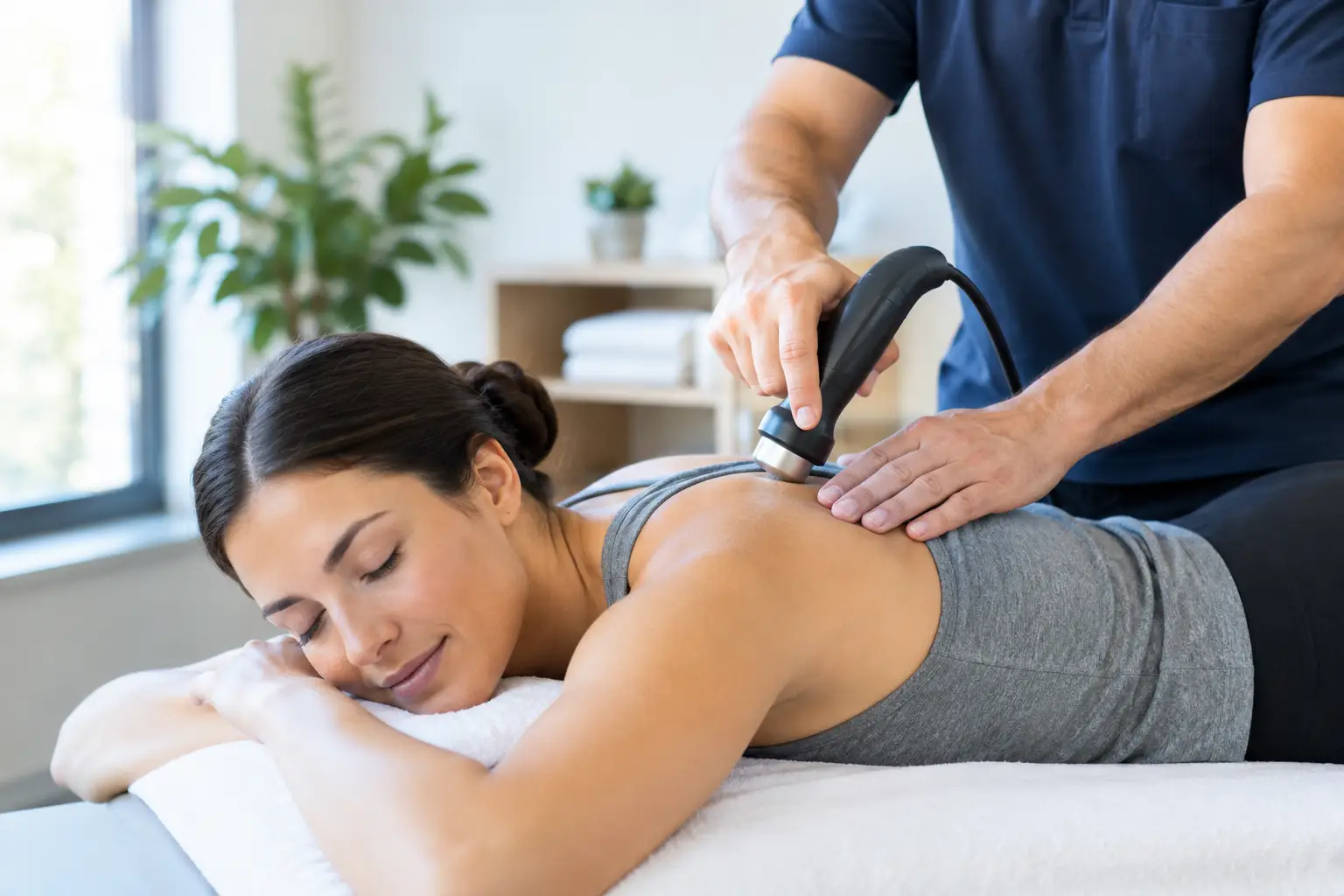
Rehab therapy takes a different path. Its purpose is to identify and address contributors to pain, such as restricted joint movement, poor lifting mechanics, muscle weakness, reduced flexibility, nerve irritation, or movement patterns that repeatedly overload an area. A rehabilitation plan may include guided exercises, manual therapy, movement analysis, soft tissue techniques, and condition-specific treatments that support healing and restore function.
Pain medication can be helpful when pain is intense enough to limit sleep or basic movement. Rehab is often most valuable when the goal is to improve the capacity of the body over time, not simply quiet symptoms for the day.
When Painkillers May Have a Role
It is reasonable to want relief when pain is sharp, disruptive, or making normal responsibilities difficult. Medication can be one part of a medically appropriate short-term plan after an acute injury, during a severe flare-up, or while a patient begins other forms of care. For some people, lowering pain enough to walk, sleep, or participate in therapy can be a meaningful first step.
That said, pain medication has trade-offs. Anti-inflammatory medications can be hard on the stomach, kidneys, or cardiovascular system for certain individuals, particularly with frequent or long-term use. Acetaminophen has dosage limits because excessive use can harm the liver. Muscle relaxers may cause drowsiness and affect driving or work performance. Opioid medications carry additional risks, including dependence, tolerance, constipation, sedation, and overdose, and should be managed carefully by a prescribing clinician.
The concern is not that every medication is inappropriate. The concern is relying on symptom relief as the entire plan when the underlying movement or tissue problem remains unchanged. If the same trigger is still present, pain may return as soon as the medication wears off.
What Rehabilitation Can Change
Effective rehabilitation is active, personalized care. It begins with understanding the problem beyond the location of pain. Low back pain, for example, may be influenced by a disc injury, irritated joints, weak hip muscles, limited hip mobility, repeated bending at work, prolonged sitting, or a combination of factors. Sciatica may involve nerve irritation that needs a different approach than a simple muscle strain.
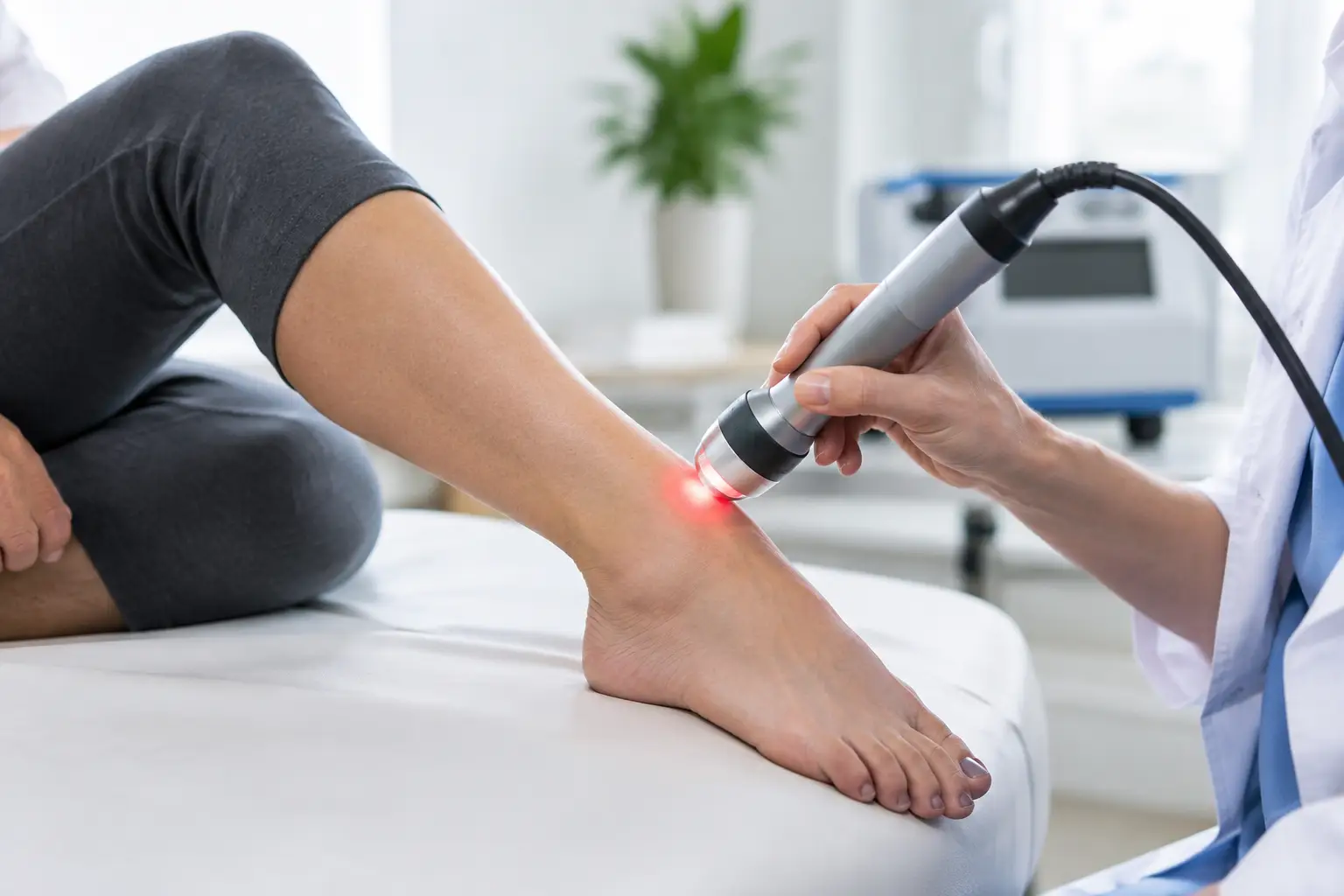
A clinician can evaluate mobility, strength, posture, balance, gait, and how you perform everyday tasks. From there, treatment can focus on the deficits most likely to be keeping you stuck. The plan may include hands-on chiropractic adjustments or mobilization, targeted strengthening, flexibility work, spinal decompression, dry needling, laser therapy, shockwave therapy, or soft tissue treatment when clinically appropriate.
Rehabilitation is not just a set of generic stretches printed on a handout. The goal is progressive improvement. Early care may focus on calming an aggravated area and restoring comfortable movement. As symptoms improve, the program should progress toward strength, stability, lifting tolerance, athletic performance, or the specific activities you need to return to.
Why Movement Matters for Lasting Relief
Pain often changes the way people move. You may avoid bending, shift weight away from one leg, brace your back, or stop exercising completely. Some temporary protection can be sensible after an injury. But prolonged guarding and inactivity can lead to stiffness, weakness, lower endurance, and greater sensitivity to normal movement.
A well-designed rehab program helps rebuild confidence along with physical capacity. That might mean learning how to hinge safely when lifting a child, improving core and hip control before returning to golf, or gradually rebuilding knee strength after pain made stairs difficult. These changes are practical because they connect treatment to the activities that matter outside the clinic.
There is no guarantee that every case of chronic pain will resolve quickly. Degenerative changes, prior injuries, demanding jobs, and other health conditions can influence recovery. Even so, improving mobility, strength, and movement tolerance can reduce the frequency or intensity of symptoms and give you more control over future flare-ups.
Is Rehab Always Better Than Medication?
Not necessarily. Severe pain, a significant injury, post-surgical recovery, inflammatory conditions, or medical problems outside the musculoskeletal system may require medication, imaging, specialist involvement, or urgent medical care. Rehabilitation should not replace appropriate medical evaluation.
The strongest approach is often coordinated care. Medication may be used conservatively to manage a short-term pain spike while rehabilitation addresses the functional issues that can be changed. Your primary care provider, pain specialist, chiropractor, or physical rehabilitation provider can help determine what is safe based on your health history and current medications.
It is also important not to self-treat persistent pain indefinitely. Pain that lasts more than a few weeks, repeatedly returns, limits work or sleep, or causes you to avoid normal activity deserves an evaluation. A clear diagnosis and individualized plan are more useful than cycling through medications without understanding why the problem continues.
What a Personalized Conservative Care Plan May Include
At Bell District Spine and Rehab, care is built around the condition, the patient’s goals, and a thorough assessment rather than a one-size-fits-all protocol. For a recent strain, care may emphasize gentle mobility, soft tissue treatment, and a gradual return to activity. For chronic low back pain or recurring sciatica, the plan may place greater focus on spinal mechanics, decompression when appropriate, hip and core strength, and movement retraining.
Advanced therapies can also have a place when they fit the diagnosis. Shockwave therapy may be considered for certain chronic tendon conditions. Laser therapy may be used to support tissue recovery and pain management. Manual care and functional dry needling may help address muscular restrictions that make movement difficult. These services work best as parts of a complete rehabilitation strategy, not as isolated fixes.
The measure of success is not only a lower pain score at the end of an appointment. It is being able to sit through a meeting, pick up groceries, train for a race, play with your children, or wake up with less stiffness and more confidence in your body.
When to Seek Prompt Medical Attention
Most mechanical back and joint pain can be assessed through conservative care, but certain symptoms need prompt medical evaluation. Seek urgent care for new loss of bowel or bladder control, numbness in the groin area, significant or worsening leg weakness, fever with severe back pain, pain after major trauma, unexplained weight loss, or chest pain and shortness of breath. These symptoms may point to conditions that require immediate treatment.
For pain that is not urgent but is interfering with your routine, the next useful step is an evaluation that looks beyond the symptom. Relief matters, especially when you are hurting. A plan that helps you restore movement and build resilience can make that relief more likely to last.