Hip pain can be frustrating, especially when it seems to interfere with walking, sitting, sleeping, or exercising. What many people do not realize is that pain felt in the hip is not always caused by the hip joint itself. In many cases, the real source may be the lower back, nearby nerves, or related structures that refer pain into the hip area.
If you are trying to understand hip pain from back Cedar Park TX concerns, it helps to know how these symptoms often overlap. A problem in the lumbar spine can create discomfort in the side of the hip, the buttock, the groin, or even down the leg. Because of this, people sometimes treat the wrong area first and delay getting the right type of evaluation.
This article explains how lower back causing hip pain Cedar Park residents may experience can feel, what patterns may suggest a spinal source, how hip pain vs sciatica differ, and why a chiropractic evaluation for hip pain can help identify where symptoms are truly coming from. This is general educational information, not a personal diagnosis. If your pain is severe, persistent, worsening, or accompanied by concerning symptoms, consult a qualified clinician.
Why hip pain and back pain are often confused
The hip and lower back work closely together. The lumbar spine, pelvis, sacroiliac joints, muscles, tendons, and nerves all help support posture and movement. Because these structures are connected, irritation in one area can cause pain somewhere else.
For example, a lower back issue may irritate a nerve root or change the way you move. That can create pain in the buttock or outer hip, tightness around the pelvis, or symptoms that travel into the thigh. On the other hand, a true hip joint problem may cause discomfort in the groin, front of the thigh, or while rotating the leg. In daily life, those differences can be subtle.
This overlap is one reason a careful history and physical exam matter. People often say, “My hip hurts,” when the main issue may actually be coming from the spine, surrounding nerves, or soft tissues.
Common signs your hip pain may be coming from your back
Although only an in-person assessment can determine the most likely source, several symptom patterns can suggest that the back may be involved.
1. Pain starts in the low back or buttock and spreads
One of the clearest clues is pain that begins in the lower back, upper buttock, or back of the pelvis before moving into the hip region. If the discomfort seems to radiate rather than stay isolated to the hip joint, the lumbar spine may be contributing.
2. Pain travels down the leg
If hip pain is accompanied by symptoms that extend into the thigh, calf, or foot, nerve irritation from the lower back becomes more likely. This may happen with sciatica or other lumbar nerve involvement. Symptoms may include aching, burning, tingling, numbness, or electric-like pain.
3. Sitting, bending, or standing too long makes it worse
Back-related pain often changes with spinal position. Some people notice worse pain after prolonged sitting, getting up from a chair, bending forward, twisting, or standing in one place too long. If movement of the spine affects the hip pain more than movement of the hip itself, that is an important clue.
4. Coughing or sneezing increases symptoms
When coughing, sneezing, or straining noticeably increases pain into the hip or leg, this can sometimes point to nerve irritation or disc-related back issues. It is not definitive on its own, but it is useful information during an evaluation.
5. You have numbness, tingling, or weakness
True hip joint problems can be painful, but neurologic symptoms such as tingling, altered sensation, or weakness often suggest that the lower back or nerves may be part of the problem.
6. Your hip motion is fairly normal, but the area still hurts
If moving the hip joint itself does not reproduce much pain, yet walking, standing, or spinal movements do, the source may be outside the hip. A clinician may check whether the pain can be reproduced more by examining the back than the hip.
When hip pain is more likely to be a true hip problem
Not all hip discomfort comes from the spine. Sometimes the hip joint or surrounding soft tissues are the primary source. A few patterns may make a local hip issue more likely:
- Pain deep in the groin or front of the hip
- Discomfort when putting on shoes or socks
- Pain during leg rotation or crossing the legs
- A catching, pinching, or locking sensation in the joint
- Pain when lying on the affected side, which may occur with irritation of tissues around the outer hip
Even then, overlap is common. Some people have both lower back and hip dysfunction at the same time, especially if movement limitations in one area have placed extra stress on the other.
Hip pain vs sciatica: what is the difference?
Many people searching for hip pain vs sciatica are trying to understand whether their symptoms come from a joint, a muscle, or a nerve. Sciatica is not a diagnosis by itself but a term commonly used to describe irritation of the sciatic nerve or the nerve roots that contribute to it. It often causes pain that radiates from the low back or buttock down the leg.
Hip pain, by contrast, can come from the hip joint, surrounding tendons or bursae, the sacroiliac region, or referred pain from the spine. The location, quality, and triggers of symptoms can help separate these possibilities.
| Feature | Hip-related pain | Sciatica or back-related nerve pain |
|---|---|---|
| Common location | Groin, front of hip, outer hip, or buttock | Low back, buttock, back or side of leg, sometimes into foot |
| Pain quality | Aching, pinching, stiffness, soreness | Burning, shooting, electric, tingling, numbness |
| Movement triggers | Hip rotation, walking, stairs, lying on one side | Sitting, bending, prolonged standing, coughing, spinal movement |
| Neurologic symptoms | Less common | More common, including tingling or weakness |
| Radiation pattern | Usually more localized, though it can spread to thigh | Often travels below the hip and down the leg |
This comparison is only a general guide. A person can have signs from more than one category at the same time.
How lower back issues can create hip pain
Several back-related problems may refer pain into the hip area. The exact cause varies from person to person, but common possibilities include:
Lumbar disc irritation
Discs in the lower spine can become irritated, bulge, or degenerate with time. When this affects nearby nerves, pain may spread into the buttock, hip, or leg.
Facet joint irritation
The small joints in the back of the spine can become inflamed or stiff. This may create localized low back pain along with referred pain into the buttock or hip region.
Muscle tension and movement dysfunction
Tight or overworked muscles in the low back, pelvis, and gluteal area can change body mechanics and create pain patterns that feel like hip pain. Poor posture, repetitive strain, and prolonged sitting can all contribute.
Sacroiliac joint dysfunction
The sacroiliac joints connect the spine and pelvis. Irritation here can mimic both hip pain and low back pain and may cause tenderness in the buttock, pelvis, or outer hip area.
Lumbar spinal stenosis or nerve compression
Narrowing around the nerves in the lower back can cause radiating symptoms, especially with walking or standing. Some people notice relief when bending slightly forward or sitting down.
Practical examples of back-related hip pain
Real-life symptom patterns often make the distinction clearer.
Example 1: Pain after long desk hours
A person spends most of the day sitting and develops aching in one hip with occasional tightness in the low back. Getting up from a chair feels stiff, and pain eases after gentle walking. This pattern may suggest the lumbar spine, pelvis, or surrounding muscles are involved.
Example 2: Pain that shoots from the buttock to the leg
Another person reports pain in the “hip,” but on closer description it starts in the buttock and sometimes runs down the thigh with tingling. That pattern is more consistent with nerve-related pain than an isolated hip problem.
Example 3: Groin pain with rotation
Someone else has pain mostly in the front of the hip and groin, especially when pivoting, getting in and out of a car, or putting on shoes. That pattern can suggest the hip joint itself deserves close attention.
These examples show why location alone is not enough. The pattern of movement, radiation, and associated symptoms matters.
What a chiropractic evaluation for hip pain may involve
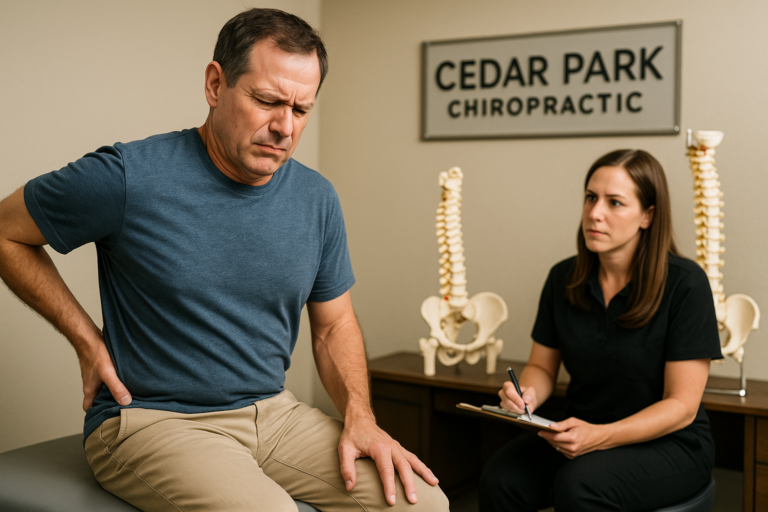
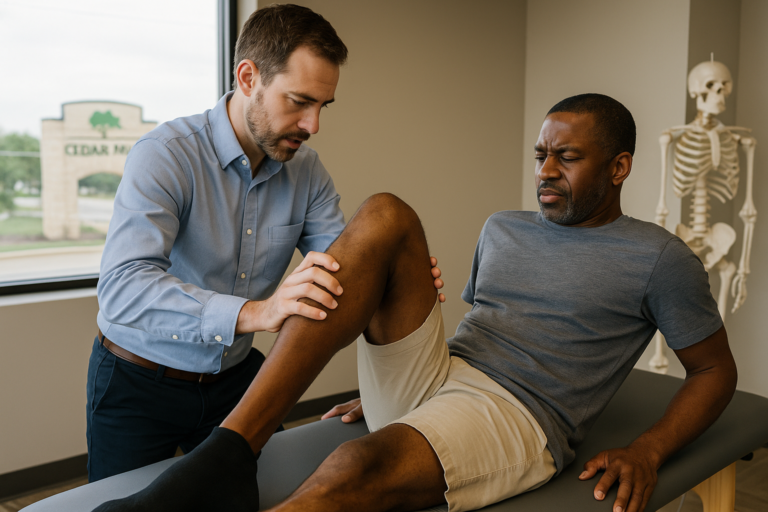
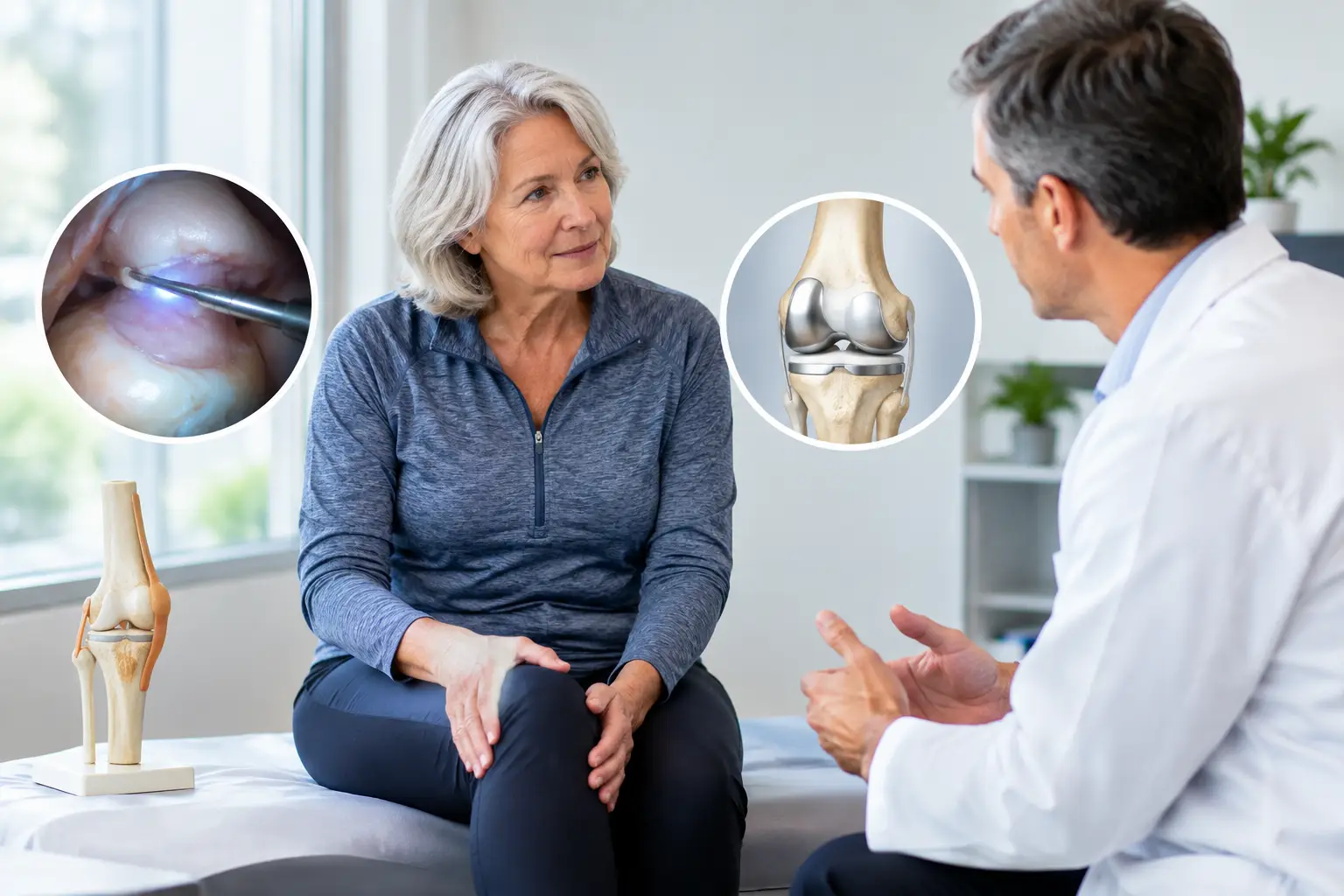
A chiropractic evaluation for hip pain is typically focused on identifying whether the symptoms are most consistent with the spine, hip joint, sacroiliac region, muscles, or nerves. The goal is not simply to ask where it hurts, but to determine what structures are most likely producing that pain.
An evaluation may include:
- A review of when the pain started and what activities make it better or worse
- Questions about numbness, tingling, weakness, stiffness, and pain patterns
- Observation of posture, walking, and movement mechanics
- Gentle testing of lumbar motion, hip motion, and pelvic function
- Orthopedic and neurologic testing to look for signs of nerve involvement or joint-related pain
- Referral recommendations if imaging or another type of medical evaluation appears necessary
For people in Cedar Park, TX, this kind of assessment can be valuable because it helps avoid guessing. If the problem is truly back-related, focusing only on the hip may not resolve the issue. If the pain is local to the hip, a spinal-only approach may miss the main source.
Why early evaluation can be helpful
Many musculoskeletal complaints respond better when addressed before compensation patterns become more established. When pain continues for weeks or months, people often change the way they walk, sit, lift, or sleep. That may lead to added strain in the low back, knees, or opposite hip.
An earlier evaluation may help:
- Clarify whether symptoms are likely coming from the back, hip, or both
- Identify movement habits that may be aggravating the area
- Guide appropriate next steps for conservative care
- Spot warning signs that need prompt medical attention
Even if the pain seems manageable, recurring episodes are worth paying attention to. Repeated flare-ups may indicate an underlying mechanical issue that has not been fully addressed.
Important warning signs: when to seek urgent medical care
Hip or back pain is often mechanical, but certain symptoms should not be ignored. Seek urgent medical attention right away if you have:
- Sudden severe weakness in the leg
- Loss of bowel or bladder control
- Numbness in the groin or saddle area
- Severe pain after a fall, accident, or other trauma
- Fever, unexplained weight loss, or other signs of systemic illness with back or hip pain
- Inability to bear weight
- A hot, swollen, or visibly deformed joint
These signs may indicate a condition that requires prompt medical assessment beyond routine conservative care.
Self-observations that can help before an appointment
While self-diagnosis is not reliable, noticing your symptom pattern can help you describe the problem clearly during an appointment. Consider tracking:
- Where the pain starts and where it travels
- Whether you feel aching, burning, tingling, stiffness, or sharp pain
- What happens with sitting, standing, walking, bending, or stairs
- Whether coughing or sneezing changes the pain
- Whether symptoms are worse in the groin, outer hip, buttock, or below the knee
- Any numbness, weakness, or sleep disruption
This information can make the evaluation more efficient and help distinguish a local hip issue from lower back causing hip pain Cedar Park patients may be dealing with.
Important considerations for active adults and older adults
Activity level and age can influence the most likely causes of symptoms, though they do not determine them.
For active adults
Running, gym training, recreational sports, and repetitive bending or lifting can stress both the lower back and hips. Limited hip mobility may increase strain on the lumbar spine, while back stiffness may alter how the hip absorbs force. In these cases, symptoms can be mixed and movement analysis becomes especially useful.
For older adults
Age-related changes in the spine and hips are common. Degenerative changes do not always cause pain, but they can affect how the joints move and tolerate activity. Walking tolerance, balance changes, leg symptoms, and morning stiffness can all provide clues about whether the back, hip, or both are involved.
How posture and daily habits can contribute
Not every case is caused by one single injury. Sometimes the issue builds gradually because of daily mechanics. Long commutes, desk work, frequent lifting, carrying children, poor sleep positions, and limited exercise variety can all contribute to overload in the low back and pelvis.
Common patterns include:
- Prolonged sitting leading to stiff hips and increased lumbar strain
- Standing with weight shifted to one side, increasing pelvic imbalance
- Weak gluteal muscles leading to compensation in the low back
- Reduced core control affecting spinal stability
- Limited hip mobility causing twisting stress through the back
These factors do not confirm a diagnosis, but they often help explain why pain develops or keeps returning.
What to remember if you are unsure of the source
If you are not sure whether your pain is coming from the hip or the back, that uncertainty is normal. The symptoms overlap more than most people expect. In general, pain that radiates, changes with spinal movement, or includes tingling or numbness raises more suspicion for a back-related source. Pain deep in the groin, pain with hip rotation, or difficulty with tasks like putting on shoes may point more toward the hip itself.
Still, the most important step is an accurate assessment rather than guessing. A well-performed exam can help determine whether the primary issue is spinal, hip-related, nerve-related, or a combination.
Conclusion
Hip pain is not always a hip problem. For many people, the discomfort they feel in the hip area may actually be referred from the lower back, sacroiliac region, or nearby nerves. Understanding the pattern of your symptoms can offer useful clues. Pain that starts in the low back or buttock, travels down the leg, changes with sitting or bending, or includes tingling or numbness is more suggestive of a spinal source. By contrast, pain centered in the groin or brought on by hip rotation may point more toward the hip joint itself.
Because these conditions can overlap, an in-person assessment is often the most reliable way to sort out hip pain vs sciatica and determine whether lower back causing hip pain Cedar Park symptoms may be the real issue. For readers in Cedar Park, TX, learning the difference is a practical first step toward getting the right care at the right time. If symptoms are persistent, worsening, or accompanied by any warning signs, seek evaluation from a qualified healthcare professional for individualized guidance.