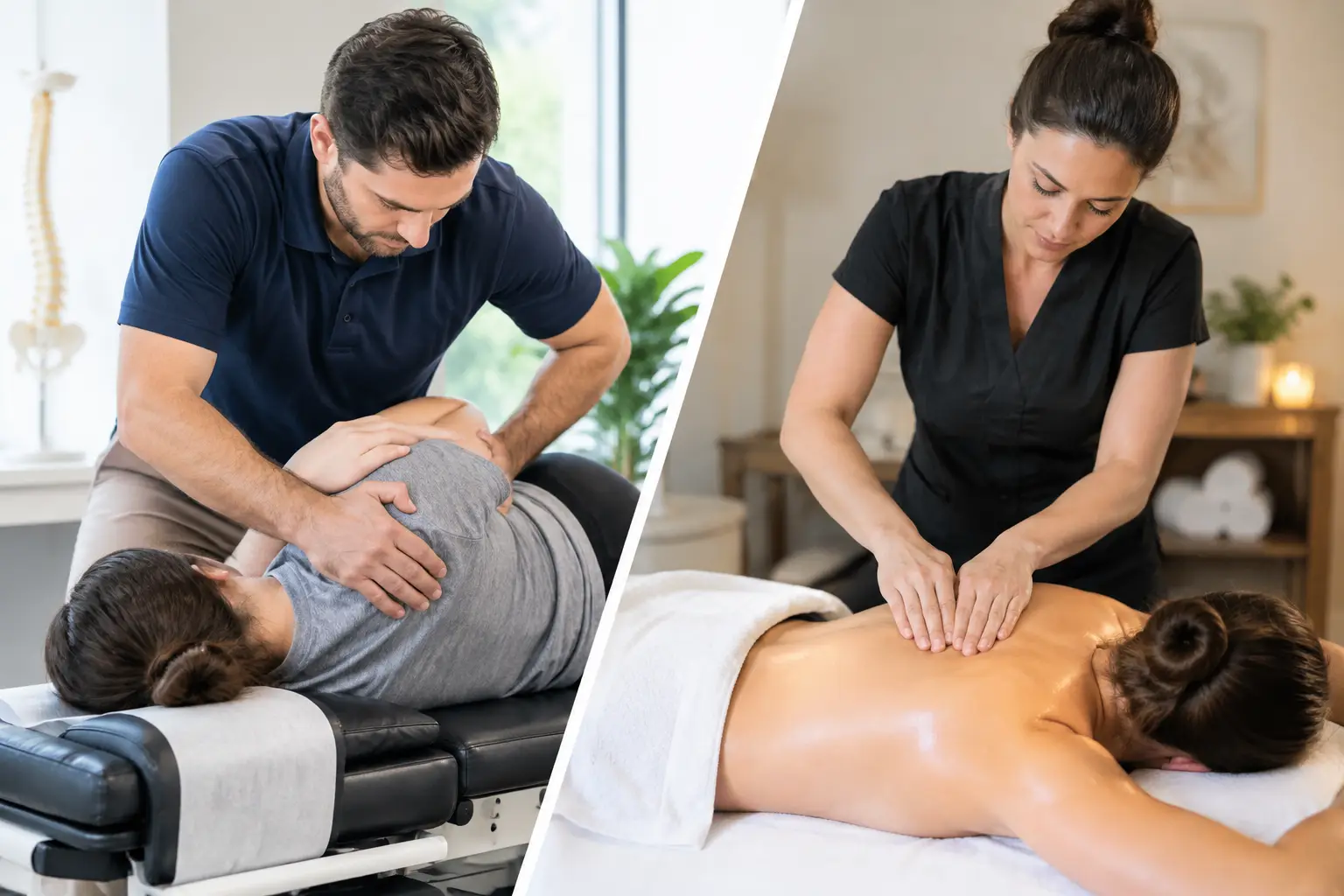

Find Lasting Knee Pain Relief with Cedar Park Chiropractors: Effective Non-Surgical Treatments and Personalized Care
Did you know nearly one in four adults over 45 experiences frequent knee pain? That’s a clear sign of a growing need for effective relief right here in Cedar Park. At Bell District Spine and Rehab, we partner with you to provide non-surgical, drug-free solutions, all tailored to your unique needs. Under the expert care of Dr. John Tuggle, you’ll receive personalized treatment that combines precise spinal alignment, cutting-edge therapies like knee decompression, shockwave, and laser treatments, along with targeted rehabilitation. This guide will walk you through the common causes and symptoms of knee discomfort, explain how chiropractic adjustments and decompression can restore your mobility, explore alternative non-surgical options, outline what your patient journey looks like at Bell District Spine and Rehab, share real success stories, and show you exactly why local residents trust a Cedar Park chiropractor for their knee pain relief.
What Causes Knee Pain in Cedar Park and What Are the Signs?
Knee pain is that nagging discomfort around your knee joint, often stemming from overuse, injury, or the natural wear and tear of degeneration. Mechanical stress and inflammation frequently speed up cartilage wear or damage soft tissues, leading to stiffness and swelling that can really get in the way of your daily life. A weekend athlete might feel discomfort after a meniscus tear, while an older adult could experience aching from osteoarthritis after years of joint use. Understanding these triggers is the first step toward seeking timely chiropractic intervention.
What Knee Conditions Do Cedar Park Chiropractors Address?
Our chiropractors in Cedar Park expertly handle a variety of knee conditions that often originate from structural and soft-tissue imbalances. We treat meniscus tears, which occur when the cartilage cushioning the joint gets ripped from twisting motions. Osteoarthritis involves the gradual breakdown of cartilage, leading to painful bone-on-bone friction. Ligament injuries, like ACL or MCL sprains, can destabilize the joint, and patellar tracking issues cause the kneecap to shift improperly during movement.
| Condition | Key Characteristic | How It Affects You |
|---|---|---|
| Osteoarthritis | Degenerative cartilage loss | Leads to chronic stiffness and persistent pain |
| Meniscus Tear | A rip in the fibrous cartilage | Can cause a locking or catching sensation |
| Ligament Injury | Torn connective tissue | Results in instability and noticeable swelling |
| Patellar Tracking | Misalignment of the kneecap | May cause grinding or uneven wear |
These conditions often intertwine, creating complex issues that greatly benefit from the thorough evaluation and precise adjustments that Cedar Park chiropractors provide.
What Are the Common Symptoms of Knee Pain?
You’ll typically notice knee pain as aching or sharp discomfort when you move, along with swelling and a feeling of warmth or tenderness around the joint. You might find your range of motion is reduced when trying to bend or straighten your knee. Locking or clicking sounds can occur during activities where you bear weight, and weakness in the supporting muscles often leads to that unsettling feeling that your knee might just “give way.” Recognizing these signs early is key to getting faster intervention.
- Pain when bending or putting weight on your knee
- Visible swelling or inflammation around the knee area
- Stiffness that makes daily tasks, like climbing stairs, difficult
- Noticeable popping, clicking, or grinding sounds
- A feeling of instability or that your knee is buckling
These symptoms help our chiropractors pinpoint the best adjustments, decompression levels, and complementary therapies to restore your joint’s natural function.
When Is It Time to Seek Professional Knee Pain Treatment?
If your discomfort lingers for more than a week, if you notice increasing swelling, instability when walking, or a loss of function that self-care can’t fix, it’s time for a professional evaluation. Acute injuries that involve significant bruising or make it impossible to bear weight also need prompt attention. If over-the-counter pain relievers and rest aren’t bringing relief, our Cedar Park chiropractors can assess your alignment, joint mechanics, and soft-tissue health to create a comprehensive plan. Early intervention can often prevent the condition from worsening into chronic degeneration and significantly reduce the chances of needing surgery.
How Can Chiropractic Care Help Alleviate Knee Pain?

Our approach to knee pain through chiropractic care centers on restoring proper alignment in your spine and lower body. This reduces the mechanical stress on your knee joint and enhances neuromuscular control. By realigning your pelvis and sacroiliac joints, we help redistribute weight effectively throughout your kinetic chain, preventing compensatory patterns that can worsen knee strain. We focus on addressing the root causes, not just masking the symptoms, to promote long-term joint health and resilience.
What Are the Advantages of Chiropractic Adjustments for Knee Pain?
Chiropractic adjustments involve precise, controlled movements designed to restore proper joint alignment and reduce abnormal motion in your knee and surrounding structures. When alignment is restored, weight is distributed more evenly across the cartilage surfaces, which means less friction and less pain when you move. Improved mobility allows your muscles and ligaments to function at their best, enhancing stability. Many patients report immediate relief from discomfort and a renewed ability to perform daily activities without relying on pain medication.
How Does Chiropractic Care Enhance Knee Mobility and Reduce Inflammation?
Adjustments to your spine and lower extremity joints can improve neurological function, leading to better muscle activation around your knee. Enhanced circulation helps deliver vital oxygen and nutrients to damaged tissues while efficiently removing inflammatory byproducts. We also utilize soft-tissue techniques and instrument-assisted mobilization to break up adhesions and reduce localized swelling. Over time, this comprehensive approach effectively diminishes inflammatory markers and restores a full, pain-free range of motion.
Can Chiropractic Care Effectively Manage Knee Arthritis?
Absolutely. Chiropractic care can effectively manage knee osteoarthritis by combining joint adjustments, decompression therapy, and targeted rehabilitative exercises to help slow cartilage breakdown. Gentle traction helps relieve compressive forces, encouraging nutrient exchange within the joint capsule. Our strengthening protocols focus on key muscle groups that can contribute to uneven pressure on arthritic surfaces. This integrated regimen can delay or even eliminate the need for surgery by reducing pain, improving function, and significantly enhancing your overall quality of life.
What Is Knee Decompression Therapy and How Does It Work?

Knee decompression therapy is a non-surgical procedure that uses controlled traction to gently stretch the knee joint. This process helps relieve pressure within the joint, promoting better circulation of synovial fluid. This fluid is crucial for nourishing cartilage and supporting natural healing processes. By creating tiny spaces within the joint, decompression effectively alleviates pain, reduces inflammation, and restores mobility for a range of conditions, including osteoarthritis, meniscus tears, ligament injuries, and patellar misalignment.
Knee Joint Decompression: Effects on Space, ROM, and Flexibility
ABSTRACT: ResumoINTRODUÇÃO:A descompressão da articulação do joelho é um dos métodos promissores para o tratamento da osteoartrite. No entanto, a força de descompressão mais apropriada não é conclusiva.OBJETIVOS: O objetivo deste estudo foi comparar o efeito de diferentes magnitudes de força de distração espaço articular do joelho, amplitude de movimento ativa (ADM), flexibilidade dos isquiotibiais e desconforto autorreferido em indivíduos assintomáticos.MÉTODOS: Vinte e cinco participantes assintomáticos foram recrutados. O joelho dominante foi distraído por 30 minutos em uma posição de flexão de 30° usando três magnitudes de força (10%, 20% e 30% do peso corporal (PC)).As forças de tração foram randomizadas com uma semana de intervalo entre as distrações do joelho. Espaço articular, ADM e flexibilidade dos isquiotibiais foram avaliados antes, imediatamente após e 30 minutos após a distração. O desconforto autorreferido foi avaliado imediatamente após a distração apenas.RESULTADOS: O espaço art
Which Knee Conditions See the Best Results with Knee Decompression Therapy?
Knee decompression therapy offers targeted relief for both degenerative and traumatic knee conditions. Osteoarthritis, characterized by cartilage degeneration, benefits from improved fluid movement and reduced weight-bearing stress. Meniscus tears can be helped as increased joint space minimizes pinching of torn fibers. Ligament sprains heal more effectively when inflammation is managed through intermittent traction, and patellar tracking issues improve as surrounding tissues adapt to corrected joint mechanics. This therapy is beneficial for a wide spectrum of non-surgical knee issues.
What Are the Main Benefits of Knee Decompression Therapy?
Knee decompression therapy provides lasting pain relief without the need for surgery, medications, or extensive recovery time. It enhances joint lubrication, helps deliver essential nutrients to cartilage, and reduces nerve-related inflammation. Patients often experience improved stability, a greater range of motion, and a quicker return to activities like walking, running, or climbing stairs. This therapy also works wonderfully alongside chiropractic adjustments and rehabilitation programs to speed up recovery and prevent future problems.
How Does Knee Decompression Therapy Stack Up Against Other Non-Surgical Treatments?
Before we compare, let’s get a clear picture of how each treatment works and its main advantage.
| Treatment | How It Works | Key Benefit |
|---|---|---|
| Knee Decompression Therapy | Uses controlled joint traction | Provides sustained pressure relief and nourishes cartilage |
| Shockwave Therapy | Applies high-energy acoustic waves | Stimulates tissue regeneration and eases chronic pain |
| Laser Therapy | Utilizes photobiomodulation | Reduces inflammation and aids cellular repair |
While shockwave and laser therapies focus on healing tissues through energy stimulation, knee decompression uniquely addresses mechanical unloading and fluid exchange within the joint. Often, combining these approaches yields the most comprehensive results by integrating structural correction with biological healing.
What Non-Surgical Knee Pain Relief Options Are Available in Cedar Park?
Beyond chiropractic adjustments and decompression, Cedar Park clinics offer several advanced, non-invasive therapies designed to support healing and promote long-term joint health. Shockwave and laser therapies accelerate tissue repair using controlled energy delivery. Custom rehabilitation programs are essential for rebuilding strength and improving proprioception. We also emphasize lifestyle adjustments—like managing weight, engaging in low-impact exercise, and making ergonomic modifications—to sustain your results by addressing systemic factors that impact knee health.
How Do Shockwave and Laser Therapies Aid Knee Pain Relief?
Shockwave therapy delivers focused acoustic pulses that create micro-trauma in damaged tissue. This triggers a controlled inflammatory response that speeds up collagen formation and vascular regeneration. Laser therapy uses specific light wavelengths to influence cellular activity, reduce pro-inflammatory cytokines, and boost mitochondrial function. When used together, these energy-based treatments complement chiropractic care by enhancing your body’s natural healing capabilities and reducing your dependence on medication.
What Part Do Personalized Rehabilitation Programs Play in Recovery?
Our rehabilitation programs are carefully designed to strengthen your quadriceps, hamstrings, and the stabilizing muscles around your knee joint. Through progressive resistance exercises, we improve muscle endurance and correct movement patterns that can lead to joint stress. Balance and proprioception drills retrain your neuromuscular control to help prevent re-injury. By combining in-office guidance with home exercises, personalized rehab ensures you regain confidence in your knee’s function and maintain long-term improvements.
Which Lifestyle Changes Can Help Maintain Knee Health?
Achieving lasting knee wellness involves making adjustments to your daily habits to reduce joint strain and support overall musculoskeletal balance. Maintaining a healthy weight significantly decreases pressure on your cartilage surfaces. Low-impact activities like swimming or cycling help you stay fit without putting excessive stress on your knees. An anti-inflammatory diet rich in omega-3 fatty acids and antioxidants supports joint health, while choosing supportive footwear and using proper movement mechanics protects against undue stress. These holistic changes reinforce the benefits of your treatment and empower you to enjoy an active life.
What Can You Expect During Your Knee Pain Treatment at Bell District Spine and Rehab?
At Bell District Spine and Rehab, your journey to feeling better starts with a complimentary phone consultation, followed by a thorough in-office examination. This comprehensive process includes a functional movement analysis, a detailed joint and spinal assessment, and a discussion of your medical history to pinpoint the exact root cause of your knee pain. By establishing a clear diagnosis, our care team can recommend a personalized, multimodal plan that aligns perfectly with your goals and lifestyle.
How Is Your Initial Consultation and Examination Conducted?
Your initial consultation begins with a brief, no-cost phone call where we’ll discuss your symptoms and determine if an in-person visit is the right next step. During your comprehensive examination, Dr. John Tuggle will carefully evaluate your spinal alignment, pelvic balance, and lower extremity mechanics. We’ll perform functional tests and measure your range of motion to identify any restrictions, and use palpation to locate areas of tension. This thorough diagnostic foundation ensures that your subsequent treatments address not only your local knee issues but also any contributing factors higher up in your kinetic chain.
How Does Dr. John Tuggle Develop Personalized Treatment Plans?
Dr. John Tuggle expertly combines the findings from your examination with your personal goals to create a treatment plan that’s uniquely yours. This plan may include targeted chiropractic adjustments, knee decompression therapy, shockwave or laser sessions, and specific rehabilitative exercises. Dr. Tuggle carefully sequences these modalities to maximize your healing—starting with pain reduction and alignment, then progressing to tissue regeneration and functional strengthening. We monitor your progress closely and refine your plan as your needs evolve.
What Does the Ongoing Knee Pain Management Process Involve?
Ongoing management at Bell District Spine and Rehab focuses on consistent progress through scheduled follow-up visits. Adjustments help correct any emerging misalignments, decompression sessions maintain optimal joint space, and therapy modalities continue to support tissue repair. We use rehabilitation milestones to guide exercise progression, and periodic re-evaluations ensure your treatment remains aligned with your activity levels. This dynamic, collaborative approach empowers you to take an active role in your recovery and maintain lasting knee wellness.
What Success Stories and Testimonials Support Chiropractic Knee Pain Solutions in Cedar Park?
The patient outcomes at Bell District Spine and Rehab truly showcase our ability to transform lives through effective, non-surgical knee pain management. Our anonymized case studies highlight how targeted chiropractic and decompression therapies restore function and relieve chronic discomfort, underscoring our unwavering commitment to evidence-based, patient-centered care.
Which Patient Cases Exemplify Effective Knee Pain Relief?
The following cases offer a glimpse into the diverse situations we’ve successfully treated:
| Patient Profile | Condition Treated | Remarkable Outcome |
|---|---|---|
| Dedicated Recreational Runner | Meniscus tear | Achieved a full return to running within 8 weeks |
| Active Retired Teacher | Knee osteoarthritis | Experienced a 70% reduction in pain and significantly improved mobility |
| Enthusiastic Weekend Hiker | MCL sprain | Regained stability and resolved swelling in just 4 weeks |
How Do Patients Describe Their Experience With Bell District Spine and Rehab?
Patients consistently share their appreciation for our empathetic approach, the clear explanations they receive, and the measurable progress they achieve. Many express that Dr. Tuggle’s personalized care and the integration of advanced therapies gave them great confidence in pursuing a non-surgical path. Reports of lasting relief, enhanced daily function, and the ability to once again participate in their favorite activities solidify our reputation as a premier Cedar Park chiropractor for knee pain.
Why Choose Bell District Spine and Rehab for Knee Pain Treatment in Cedar Park?
Bell District Spine and Rehab stands apart due to our unique blend of proven techniques, innovative technology, and a genuine commitment to our patients. As a seven-year consecutive recipient of local recognition, Dr. John Tuggle and his dedicated team combine deep expertise in musculoskeletal health with a holistic philosophy that treats the whole person. Our seamless integration of chiropractic adjustments, knee decompression therapy, shockwave and laser modalities, and tailored rehabilitation provides truly comprehensive knee pain solutions.
What Makes Dr. John Tuggle a Leading Cedar Park Chiropractor for Knee Pain?
Dr. John Tuggle’s seven consecutive years of top-rated recognition are a testament to his unwavering dedication to clinical excellence and patient satisfaction. His specialized training in knee joint biomechanics and advanced therapeutic modalities ensures that every treatment plan is informed by the latest evidence and best practices. Dr. Tuggle’s hands-on expertise and clear, compassionate communication foster trust, guiding patients confidently through every stage of their recovery journey.
How Does Bell District Spine and Rehab’s Holistic Approach Benefit Patients?
By addressing spinal alignment, joint mechanics, tissue health, and crucial lifestyle factors, Bell District Spine and Rehab offers a truly holistic path to knee wellness. Our non-surgical, drug-free solutions reduce reliance on pain medications and help postpone or even avoid surgical interventions altogether. Personalized plans incorporate your preferences, activity goals, and functional demands to ensure sustainable results and prevent future flare-ups.
Where Is Bell District Spine and Rehab Located and How Can You Schedule a Consultation?
Conveniently located in Cedar Park, TX, Bell District Spine and Rehab warmly welcomes individuals seeking specialized care for knee pain. New patients begin their journey with a complimentary phone consultation to discuss their concerns and determine the best next steps. To schedule your appointment, please contact Bell District Spine and Rehab by phone or use our website’s easy online scheduling portal. Our friendly staff is ready to assist you with booking and answer any questions you may have about our treatment options.
Cedar Park residents no longer have to accept knee pain as an unavoidable part of life. With personalized chiropractic adjustments, advanced knee decompression therapy, innovative modalities, and targeted rehabilitation, Bell District Spine and Rehab empowers you to regain mobility, significantly reduce discomfort, and return to the activities you love. Trust in the expertise of Dr. John Tuggle and his dedicated team to deliver non-surgical knee pain solutions that can truly transform your joint health and overall quality of life.
Frequently Asked Questions
What lifestyle changes can help prevent knee pain?
Preventing knee pain involves adopting a proactive approach to your daily habits. Maintaining a healthy weight is crucial, as excess weight puts additional stress on your knee joints. Engaging in low-impact exercises, such as swimming or cycling, can help keep you fit without straining your knees. Additionally, incorporating an anti-inflammatory diet rich in omega-3 fatty acids and antioxidants supports joint health. Proper footwear and using correct movement mechanics during activities can also protect against undue stress, helping you maintain knee wellness over time.
How long does it typically take to see results from chiropractic care for knee pain?
The timeline for seeing results from chiropractic care can vary based on the individual and the severity of their knee condition. Many patients report experiencing relief within a few sessions, often within the first few weeks of treatment. However, for chronic issues or more complex conditions, it may take several weeks to months to achieve significant improvements. Consistent follow-up visits and adherence to the prescribed treatment plan, including rehabilitation exercises, can enhance recovery speed and effectiveness, leading to long-term benefits.
Are there any risks associated with chiropractic adjustments for knee pain?
Chiropractic adjustments are generally safe when performed by a qualified professional. However, as with any medical treatment, there are potential risks, including temporary soreness or discomfort following an adjustment. Rarely, more serious complications can occur, such as nerve injury or worsening of symptoms. It’s essential to discuss your medical history and any concerns with your chiropractor before starting treatment. A thorough assessment will help ensure that chiropractic care is appropriate for your specific knee condition and overall health.
Can knee decompression therapy be used alongside other treatments?
Yes, knee decompression therapy can be effectively combined with other treatments to enhance overall outcomes. It works well alongside chiropractic adjustments, shockwave therapy, and laser therapy, as each modality addresses different aspects of knee pain. This integrative approach can optimize healing by addressing both mechanical and biological factors. Your chiropractor will tailor a comprehensive treatment plan that incorporates multiple therapies, ensuring that you receive the most effective care for your knee condition.
What should I expect during my first visit for knee pain treatment?
During your first visit for knee pain treatment, you can expect a thorough evaluation process. This typically begins with a complimentary phone consultation to discuss your symptoms. In the office, a detailed examination will follow, including assessments of your spinal alignment, joint mechanics, and range of motion. Functional tests may be performed to identify any restrictions. This comprehensive approach helps your chiropractor pinpoint the root cause of your knee pain and develop a personalized treatment plan tailored to your needs.
How can I maintain the benefits of chiropractic care for knee pain long-term?
To maintain the benefits of chiropractic care for knee pain long-term, it’s essential to follow a holistic approach. This includes adhering to your personalized rehabilitation program, which focuses on strengthening the muscles around your knee and improving flexibility. Regular follow-up visits with your chiropractor can help monitor your progress and make necessary adjustments to your treatment plan. Additionally, incorporating lifestyle changes, such as maintaining a healthy weight, engaging in low-impact exercises, and practicing good ergonomics, will support your knee health and prevent future issues.