
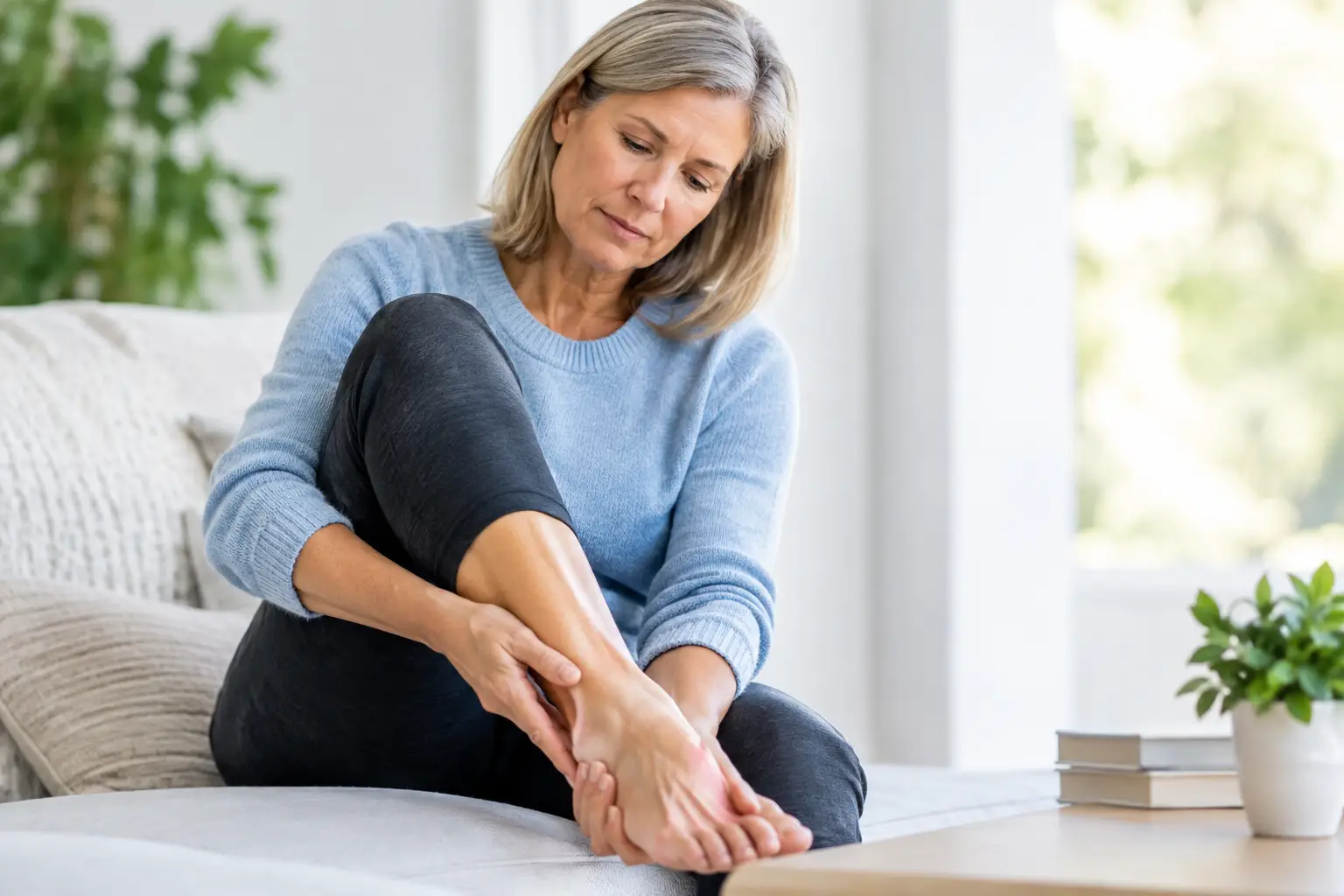
Burning feet at night, pins-and-needles sensations, numb toes, or sudden sensitivity to touch can make ordinary routines feel much harder than they should. If you are wondering how to manage neuropathy symptoms, the most useful starting point is not simply trying to push through the discomfort. It is identifying what may be irritating the nerves, protecting areas with reduced sensation, and building a care plan that supports safer movement and better daily function.
Neuropathy is a broad term for nerve damage or nerve dysfunction. Symptoms can vary widely from one person to another, and so can the underlying cause. Diabetes is common, but nerve symptoms may also be connected to spinal conditions, injuries, circulation concerns, vitamin deficiencies, certain medications, alcohol use, or other health conditions. That is why a personalized evaluation matters. A plan that helps one person may not address the reason another person is experiencing numbness or burning.
Start With a Clear Evaluation
Neuropathy symptoms deserve a thorough conversation with a qualified healthcare provider, especially when they are new, worsening, or affecting balance. A provider can help determine whether symptoms may be related to peripheral neuropathy, nerve irritation from the spine, sciatica, an entrapment issue, or another condition that needs medical attention.
Pay attention to patterns. Do symptoms affect both feet evenly, one leg more than the other, or a specific set of fingers? Are they worse after standing, sitting, walking, or lying down? Do you also have low back pain, neck pain, weakness, swelling, changes in skin color, or trouble with coordination? These details can help guide the next step in care.
Seek prompt medical attention for sudden weakness, loss of bladder or bowel control, a rapidly spreading loss of sensation, a non-healing wound, or signs of infection such as redness, warmth, drainage, or fever. These symptoms should not be managed at home.
How to Manage Neuropathy Symptoms Day to Day
The goal is not to ignore symptoms. It is to reduce avoidable irritation, protect areas with diminished feeling, and maintain as much mobility and independence as possible. Small, consistent habits often make a meaningful difference over time.
Protect Your Feet and Skin
Numbness can make it difficult to notice a blister, cut, splinter, or pressure point before it becomes painful. Check your feet daily, including the soles and between the toes. Use a mirror if bending is difficult, or ask a family member for help. Look for redness, cracked skin, swelling, blisters, calluses, or wounds.
Wear supportive, properly fitted shoes and clean socks. Avoid walking barefoot, even around the house, because stepping on something small can cause an injury you may not feel right away. Before putting shoes on, check inside them for objects or rough areas. If your feet are numb, avoid heating pads, hot water bottles, and very hot baths on the affected area. Reduced sensation can increase the risk of burns.
Moisturizing dry skin can help prevent cracking, but avoid applying lotion between the toes, where extra moisture can contribute to skin problems. A podiatrist or healthcare professional can advise you on nail and callus care if it is hard to safely manage on your own.
Keep Moving, but Choose the Right Dose
Movement supports circulation, joint mobility, strength, balance, and confidence. For many people, gentle activity can also reduce stiffness and prevent the loss of function that often follows chronic discomfort. The right activity depends on your symptoms, fitness level, balance, and underlying diagnosis.
Walking may be appropriate for some patients, while others do better with a stationary bike, pool exercise, chair-based strength work, or targeted rehabilitation exercises. Start with a manageable amount and progress gradually. A short session completed consistently is more valuable than overdoing it once and needing several days to recover.
If balance is affected, do not assume you simply need to “walk it off.” A tailored rehab program can address leg strength, foot and ankle control, posture, gait mechanics, and balance reactions. This is particularly helpful for adults who have begun avoiding stairs, uneven ground, or longer walks because they do not trust their footing.
Support Healthy Blood Sugar and Nutrition
For people with diabetes or prediabetes, blood sugar management is one of the most important parts of protecting nerve health. Work with your medical provider on an approach that fits your diagnosis and medication plan. Consistent meals, regular activity, adequate sleep, and prescribed treatment can all play a role.
Nutrition is not a quick fix for established nerve damage, but it supports overall health and recovery. A balanced diet with sufficient protein, fiber, vitamins, and minerals can help the body function well. Do not start high-dose supplements on your own, particularly vitamin B6. Excess B6 can itself contribute to nerve symptoms. If a deficiency is suspected, testing and professional guidance are the safer route.
Use Symptom Relief Strategies Carefully
Some people find relief through cool packs wrapped in a towel, gentle massage around – not aggressively on – sensitive areas, calming breathing exercises, or a predictable sleep routine. Others find that very light contact is aggravating. This is where individual response matters.
Keep a brief symptom log for one or two weeks. Note your pain level, numbness, sleep quality, activity, footwear, and anything that seems to worsen or ease symptoms. Patterns can help your healthcare team adjust your plan and can prevent you from spending time on strategies that are not helping.
Address Nerve Irritation From the Spine or Joints
Not every burning, tingling, or numb sensation originates in the feet or hands themselves. Nerves travel from the spine through the body, and irritation along that pathway can contribute to symptoms in an arm or leg. Disc injuries, spinal narrowing, joint dysfunction, and muscular tension can sometimes place stress on a nerve root or affect how the body moves.
Conservative care may include a detailed movement assessment, chiropractic care when appropriate, manual therapy, targeted rehabilitation, and other non-invasive therapies selected for the individual. The purpose is not to make a broad promise that one treatment cures every type of neuropathy. It is to identify movement restrictions, mechanical stress, weakness, and compensation patterns that may be contributing to a patient’s symptoms or limiting recovery.
For example, someone with leg tingling and low back pain may need a different approach than someone with long-standing diabetic numbness in both feet. In the first case, spinal and hip mechanics may be a major part of the plan. In the second, foot protection, balance training, blood sugar management, and fall-prevention strategies may take priority. Many patients need a combination of approaches.
Make Home and Work Safer
Neuropathy can raise fall risk, particularly when numbness affects the feet or when symptoms worsen in low light. Improve visibility in hallways and stairs, remove loose rugs and clutter, and use handrails where needed. Choose shoes with stable soles rather than loose slippers or socks on smooth floors.
At work, change positions regularly if prolonged sitting or standing intensifies symptoms. An ergonomic setup, supportive footwear, brief movement breaks, and a structured exercise plan can reduce the strain that builds over a long day. For active adults and athletes, returning to higher-impact activity should be guided by strength, balance, symptom response, and movement quality rather than willpower alone.
Know When Personalized Care Can Help
If symptoms are interfering with sleep, work, exercise, or confidence in your balance, it is reasonable to ask for help. You do not need to wait until numbness becomes severe to address it. A careful evaluation can clarify whether your symptoms may benefit from medical co-management, diagnostic testing, conservative musculoskeletal care, or a focused rehabilitation plan.
At Bell District Spine and Rehab, care is built around the way your symptoms affect real life: walking the dog, standing through a work shift, training for an event, playing with your children, or sleeping comfortably. A personalized plan may include hands-on treatment and progressive rehab designed to improve mobility, reduce mechanical stress, and help you move with greater confidence.
Neuropathy can be frustrating because improvement is not always immediate. Still, protecting your feet, staying appropriately active, managing contributing health factors, and getting the right guidance can help you take back more of your day – one safer, more comfortable step at a time.