A strained hamstring during a sprint, a tight calf after pickleball, or a sore shoulder after a weekend game can make ordinary movement feel uncertain. Knowing how to recover from a sports strain means doing more than waiting for the pain to fade. The right approach protects the injured tissue early, restores movement gradually, and helps lower the risk of getting hurt again when you return to activity.
A sports strain can range from a mild overstretching injury to a partial muscle or tendon tear. Recovery time depends on the location, severity, your health history, and whether the area is repeatedly stressed before it is ready. For active adults in Cedar Park, Austin, Leander, and Round Rock, getting an accurate plan early can make the difference between a short interruption and a problem that lingers for months.
Understand What a Sports Strain Feels Like
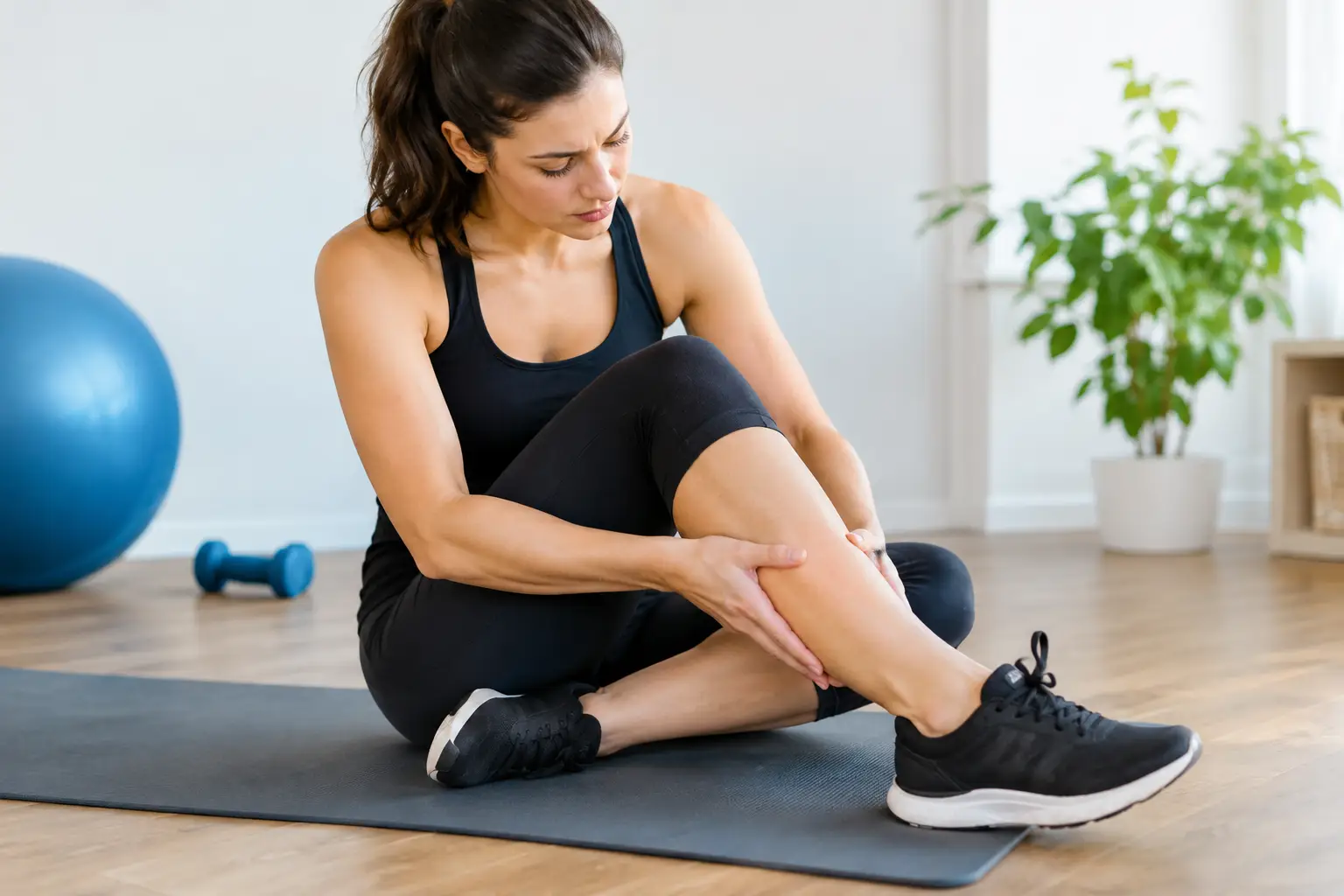
A strain affects a muscle or tendon, while a sprain involves a ligament. Both can cause pain, swelling, and limited movement, so the terms are often used interchangeably. A strain commonly happens when a muscle is overloaded, stretched beyond its capacity, or forced to contract suddenly. Hamstrings, calves, quadriceps, groin muscles, lower back muscles, and rotator cuff muscles are frequent trouble spots.
A mild strain may feel like tightness, tenderness, or a pull that lets you continue moving, although performance is reduced. A more significant strain can produce sharp pain, bruising, swelling, weakness, or a sensation that something snapped. Do not try to push through these symptoms simply because you can still walk or use the arm. Pain is useful feedback, especially in the first few days.
How to Recover From a Sports Strain Step by Step
Protect the area without becoming completely inactive
For the first 24 to 72 hours, reduce the activities that caused pain. That may mean skipping running, lifting, cutting drills, jumping, or overhead work. Protection does not always mean total bed rest. Gentle, pain-limited movement is often better than keeping the area still for days, because prolonged inactivity can increase stiffness and reduce muscle confidence.
Use a brace, compression sleeve, or supportive footwear only when it meaningfully reduces discomfort or protects the area. These tools can be helpful in the short term, but they do not repair the strain by themselves. The goal is to avoid aggravation while maintaining safe circulation and movement.
Cold packs may help manage pain shortly after an injury. Apply a wrapped cold pack for short periods rather than directly to bare skin. Heat can feel better later when acute swelling has settled and stiffness is the bigger issue. Neither ice nor heat should be treated as the main recovery plan. They are comfort measures, not substitutes for progressive rehabilitation.
Keep movement within a tolerable range
Once sharp pain begins to settle, introduce easy movement that does not increase symptoms during or after activity. A calf strain may tolerate ankle pumps and slow heel raises. A hamstring strain may start with gentle knee bending and short, controlled walks. A shoulder strain may respond to comfortable pendulum motions or guided range-of-motion work.
The key is dosage. Mild discomfort during rehab can be acceptable, but sharp pain, limping, guarding, or pain that noticeably worsens later that day are signs to scale back. Your body should feel the same or better by the next morning, not increasingly irritated.
Rebuild strength before testing speed or power
Many people make the mistake of returning to their sport as soon as daily pain improves. Daily function and athletic readiness are not the same thing. A muscle may handle walking but still lack the strength, coordination, and endurance required for a tennis serve, a deadlift, a soccer sprint, or a quick change of direction.
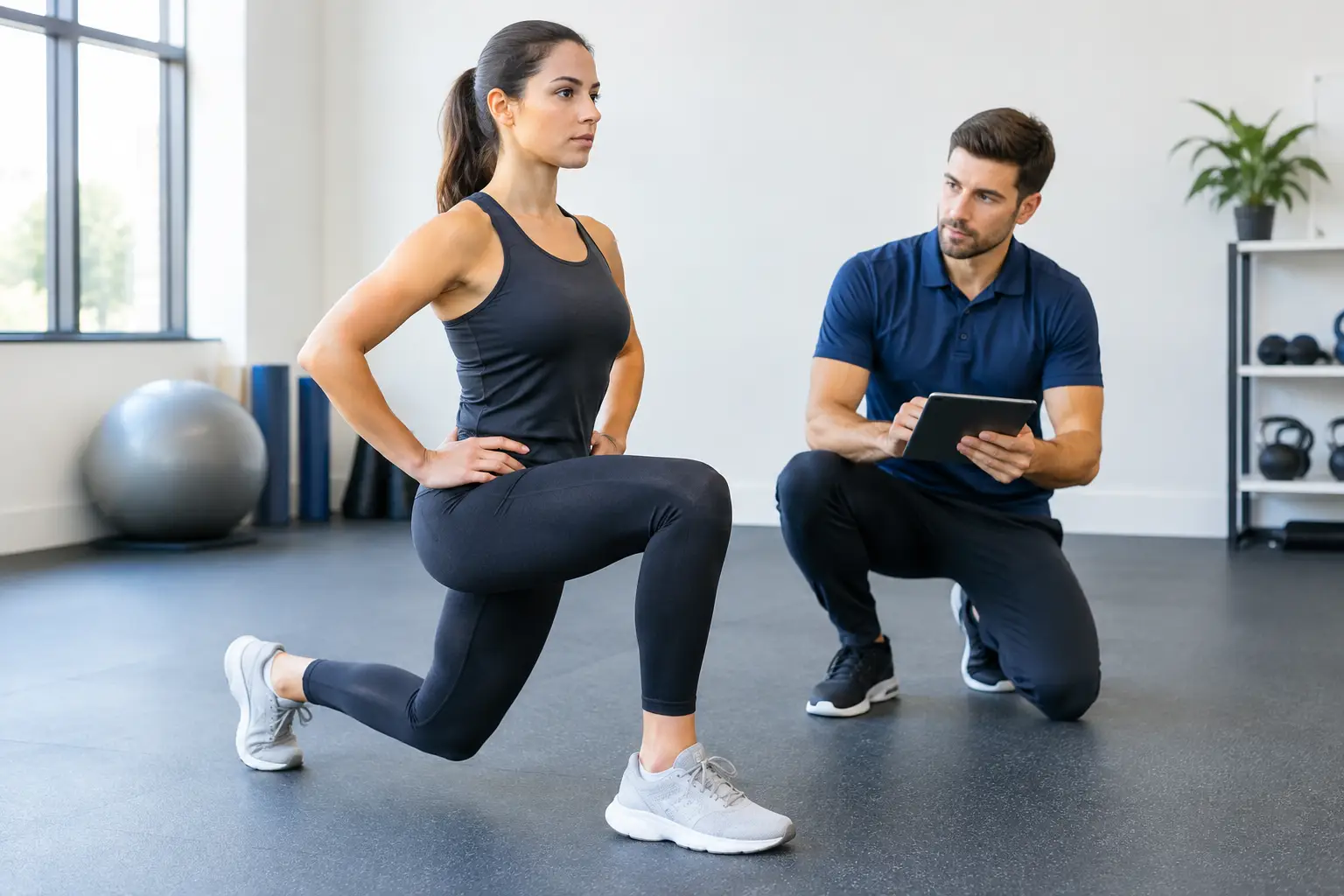
Rehabilitation should progress from low-load exercises to controlled strengthening, then to sport-specific movements. For example, someone recovering from a hamstring strain may advance from bridge variations to resisted hamstring work, then jogging, acceleration drills, and full-speed sprinting. Someone with a shoulder strain may need to restore shoulder blade control and rotator cuff strength before returning to lifting or throwing.
This progression should be individualized. The right exercise depends on the injured tissue, current strength, movement quality, training demands, and history of previous injuries. Doing an advanced exercise too early can flare symptoms. Staying with only easy exercises for too long can leave the tissue underprepared.
Address the reason the strain happened
A strain is not always bad luck. Training volume may have increased too quickly, recovery may have been limited, or a movement compensation may have placed too much load on one area. Hip stiffness can affect the hamstrings. Weak glutes or poor trunk control can contribute to recurring low back and groin issues. Limited ankle mobility can change how the calf, knee, and hip absorb force.
A movement assessment can identify these patterns and guide a more complete recovery plan. At Bell District Spine and Rehab, care may combine hands-on treatment, chiropractic adjustments when appropriate, soft tissue techniques, movement analysis, and personalized rehabilitation to address pain and restore functional movement. Advanced options such as shockwave therapy, laser therapy, functional dry needling, or decompression may be considered based on the injury and clinical findings.
Do Not Rush the Return to Sport
A safe return is based on function, not a calendar date. Mild strains can improve within days to a few weeks, while moderate injuries often require several weeks of structured rehabilitation. More severe strains can take substantially longer. Trying to match someone else’s timeline is rarely helpful.
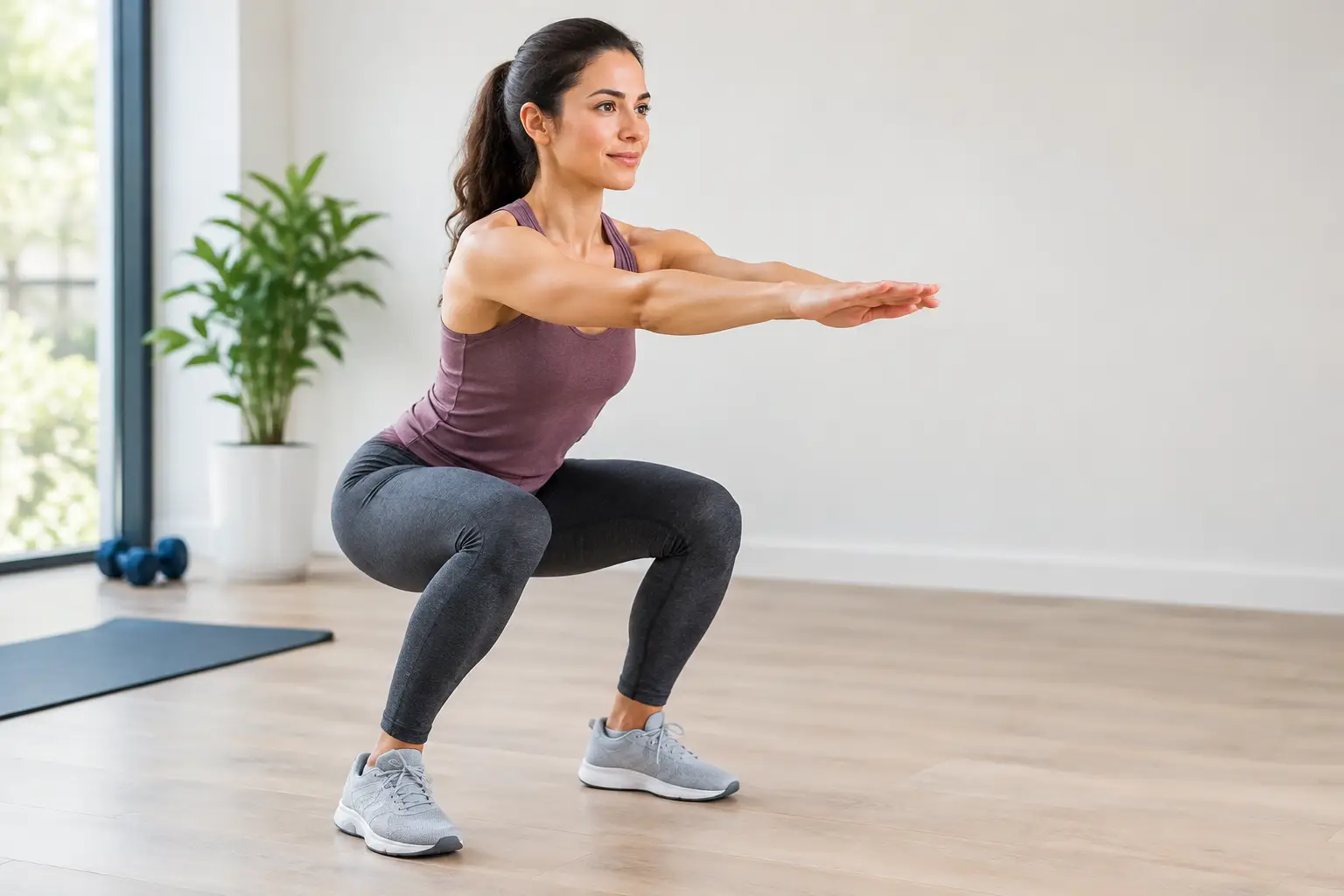
Before returning to full activity, you should be able to move through the needed range of motion without sharp pain, perform basic strength exercises with good control, and tolerate sport-specific drills without a symptom flare afterward. For a runner, that might mean brisk walking, jogging, short accelerations, and eventually repeated running at training pace. For a recreational athlete, it may mean squatting, lunging, hopping, rotating, or reaching in ways that reflect the sport.
Start at a reduced volume and intensity when you return. A practical first session is often shorter, slower, and less competitive than normal. Increase only one major variable at a time, such as duration, weight, speed, or frequency. This gives your body time to adapt and makes it easier to recognize if the load is too much.
When a Sports Strain Needs Professional Evaluation
Home care is reasonable for some mild injuries, but certain symptoms need prompt evaluation. Seek medical attention if you have:
- A pop at the time of injury, major swelling, or visible bruising
- Severe pain, inability to bear weight, or significant weakness
- Numbness, tingling, color changes, or pain that travels down an arm or leg
- A noticeable deformity or concern for a complete tear
- Symptoms that are not improving after several days or keep returning with activity
Recurring strains deserve attention even when each episode seems minor. Repeatedly treating the same tight muscle without addressing strength, mechanics, and training load can keep you caught in a cycle of temporary relief and reinjury.
Support Recovery With Everyday Habits
Your recovery plan continues outside the clinic or gym. Sleep gives the body time to repair tissue and regulate pain sensitivity. Adequate protein, regular meals, hydration, and sufficient calories support healing, particularly if you are still training around the injury. Avoid using pain medication to force a workout that your body is not ready to perform.
Pay attention to workload as you recover. A hard lower-body workout, a long day on your feet, and an evening recreational game can add up even if each activity feels manageable on its own. Building in recovery days is not losing fitness. It is part of maintaining it.
A sports strain should not take away the activities that help you feel strong and capable. Give the injury the right amount of protection, then rebuild mobility and strength with a plan that matches your goals. If pain, weakness, or repeated setbacks are slowing you down, a personalized evaluation can help you move forward with greater confidence.