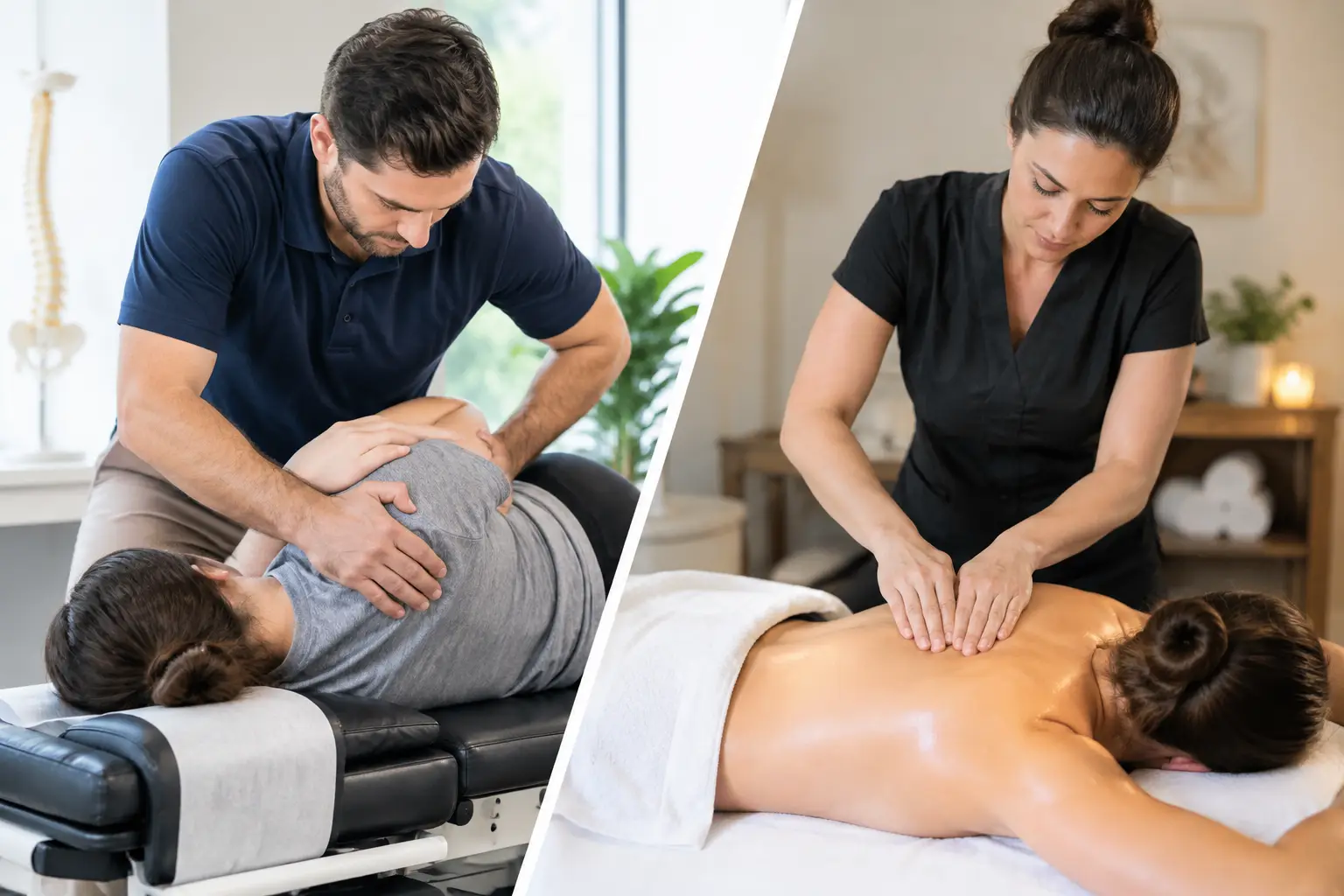
Back and neck pain are among the most common issues affecting people today—often caused by poor posture, repetitive stress, or injury. One of the most effective, non-invasive approaches used in modern spine care is manual adjustment.
However, it’s important to understand that manual adjustments are not a standalone fix, but rather a key part of a complete rehabilitation and recovery plan. At Bell District Spine and Rehab, manual adjustments are integrated into personalized treatment plans that focus on long-term recovery, improved movement, and overall spinal health.
What Are Manual Adjustments?
Manual adjustments, also known as spinal manipulation, are hands-on techniques where a trained professional applies controlled, precise force to specific joints in the spine.
These adjustments aim to:
- Restore normal joint movement
- Improve spinal alignment
- Reduce mechanical stress on the body
Sometimes, a small “popping” sound may occur during the adjustment. This is simply gas release from the joint and is completely normal.
How Manual Adjustments Work
The spine plays a central role in movement and nervous system function. When joints become restricted due to injury, posture, or daily stress, they can affect how your body moves and feels.
Manual adjustments help by:
- Restoring mobility to stiff joints
- Reducing irritation in surrounding tissues
- Improving overall movement patterns
When spinal motion improves, the body can function more efficiently, leading to better coordination and reduced discomfort.
Why Manual Adjustments Alone Are Not Enough
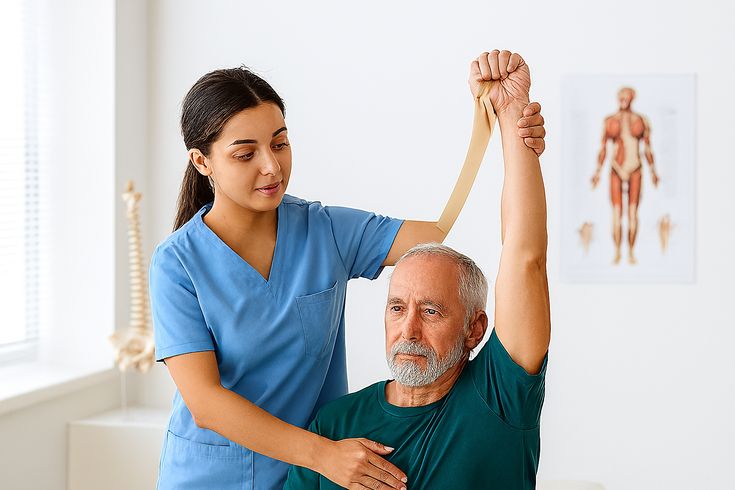
Many people believe that manual adjustments alone are enough to fix spine-related issues, but modern clinics take a more comprehensive approach. While adjustments are highly effective in restoring joint movement and reducing stiffness, they do not address all underlying factors that contribute to pain and dysfunction. Long-term improvement often depends on strengthening weak muscles, correcting poor posture habits, and supporting the surrounding tissues through proper rehabilitation.
Research and clinical experience show that combining manual adjustments with corrective exercises and structured therapy plans leads to better overall function and helps prevent the problem from returning. This integrated approach focuses not just on temporary relief, but on long-term recovery, clearly distinguishing basic care from complete spine rehabilitation.
Key Benefits of Manual Adjustments
Manual adjustments are an essential part of modern spine care, offering more than just temporary relief. When used as part of a comprehensive treatment plan, they help improve overall function, support recovery, and enhance quality of life.
1. Pain Relief
Manual adjustments are commonly used for conditions such as lower back pain, neck pain, and headaches. They help reduce joint restriction, relieve pressure, and improve overall comfort without invasive procedures.
2. Improved Mobility and Flexibility
Restricted joints can limit movement and make daily activities more difficult. Adjustments restore proper motion, allowing the body to move more freely and efficiently.
3. Better Posture and Movement
By improving spinal alignment and mechanics, manual adjustments support healthier posture. This helps reduce strain caused by poor positioning, especially from prolonged sitting or screen use.
4. Support for the Nervous System
The spine plays a key role in protecting the nervous system. When spinal movement improves, it can enhance communication between the brain and body, supporting better coordination and function.
5. Non-Invasive, Drug-Free Care
Manual adjustments provide a natural approach to treatment. They focus on restoring function and reducing discomfort without relying on medication or surgical procedures.
6. Reduced Muscle Tension and Tightness
Tight muscles around the spine can lead to discomfort and restricted movement. Adjustments help release this tension, promoting relaxation and improving muscle balance.
7. Faster Recovery from Injury
When combined with rehabilitation, manual adjustments can support quicker recovery from injuries by improving circulation, mobility, and tissue healing.
8. Prevention of Future Issues
Regular care and proper spinal alignment can help prevent recurring pain and injuries. By addressing the root cause, adjustments contribute to long-term spinal health.
9. Improved Daily Function and Performance
Better movement, reduced pain, and improved posture all contribute to enhanced performance in daily activities—whether it’s work, exercise, or simple routine tasks.
Personalized Care: The Real Key to Results
One of the most important factors in successful treatment is individualization.
Not every patient needs the same:
- Technique
- Force level
- Treatment frequency
Modern spine care focuses on:
- Detailed assessment
- Identifying the root cause
- Creating a customized treatment plan
This ensures that care is safe, effective, and tailored to each individual.
What to Expect After an Adjustment
Most people notice positive changes shortly after a manual adjustment. This can include improved movement, reduced stiffness, and an overall sense of comfort in the affected area. As joint mobility is restored, everyday activities often feel easier and more natural, allowing the body to move with less restriction.
In some cases, individuals may experience mild soreness after the adjustment, similar to what you might feel after light exercise. This is a normal response as the body adapts to improved alignment and movement. The discomfort is usually temporary and tends to resolve within a day or two, especially when proper after-care recommendations are followed.
FAQs:
1. What is a manual adjustment?
A manual adjustment is a hands-on technique used by trained professionals to improve joint movement, restore spinal alignment, and reduce discomfort in the body.
2. Are manual adjustments safe?
Yes, manual adjustments are generally safe when performed by a qualified practitioner. Some people may feel mild soreness after treatment, but it usually goes away within a day or two.
3. How many sessions will I need?
The number of sessions varies depending on your condition, severity, and overall health. A personalized treatment plan is usually created after an initial assessment.
4. Do manual adjustments hurt?
Most patients do not feel pain during an adjustment. In fact, many experience immediate relief, although slight discomfort or pressure may be felt in some cases.
5. Are manual adjustments enough to fix my problem?
Manual adjustments are effective, but they work best when combined with a complete rehabilitation plan that may include exercises, posture correction, and other therapies.
A Smarter Approach to Long-Term Spine Health
Manual adjustments are most effective when combined with a personalized rehabilitation plan. Instead of quick fixes, modern spine care focuses on improving movement, addressing root causes, and supporting long-term recovery for better overall health.
Take the next step toward lasting relief with Bell District Spine and Rehab, where personalized care helps you move better and live pain-free.