
Burning feet at night, pins-and-needles sensations, numb toes, or sharp electric pain can make even ordinary activities feel uncertain. Many people looking for a drug-free option ask, can laser treat neuropathy? Laser therapy may help reduce certain neuropathy symptoms for some patients, but it is not a cure-all and should be part of a plan built around the underlying cause of nerve irritation or damage.
At Bell District Spine and Rehab, care begins with understanding how your symptoms affect walking, sleep, balance, work, exercise, and daily comfort. That evaluation matters because neuropathy can have many causes, and the most effective treatment plan is rarely one-size-fits-all.
Can Laser Treat Neuropathy Symptoms?
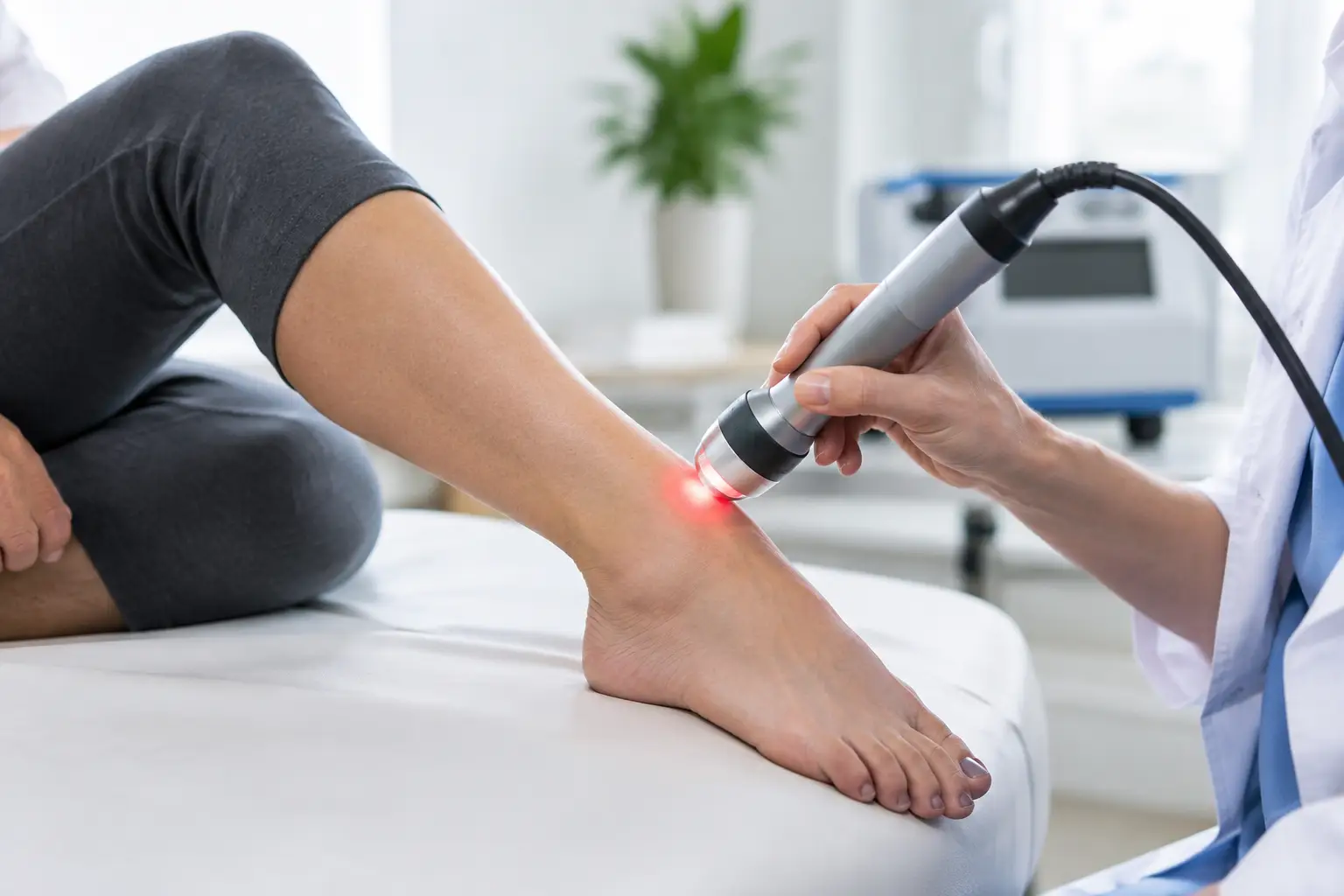
Low-level laser therapy, also called photobiomodulation, uses specific wavelengths of light to deliver energy to targeted tissue without surgery or medication. Unlike a surgical laser, therapeutic laser treatment is not designed to cut or burn tissue. Patients typically feel little to no sensation during treatment.
For neuropathy, the goal is not to claim that light can reverse every form of nerve damage. The goal is to support the body’s healing environment by helping manage pain, reduce inflammation around irritated tissues, and encourage healthy circulation in the treated area. When nerve symptoms are related to compression, soft tissue dysfunction, injury, or impaired movement patterns, laser therapy may be a useful part of conservative care.
Research on laser therapy for peripheral neuropathy is promising but still evolving. Some studies suggest it may improve pain, sensation, or function, particularly when used across a series of treatments. Results vary based on the cause and severity of neuropathy, the treatment protocol, and whether other health conditions are involved. A responsible provider will set realistic expectations rather than promise a quick or permanent fix.
What Neuropathy Is and Why the Cause Matters
Neuropathy refers to dysfunction or damage involving peripheral nerves, which carry messages between the brain, spinal cord, muscles, skin, and organs. Symptoms often begin in the feet or hands and can include numbness, tingling, burning, hypersensitivity, weakness, cramping, or reduced balance.
Diabetes is a common cause of peripheral neuropathy, but it is far from the only one. Nerve symptoms can also be connected to vitamin deficiencies, thyroid conditions, medication effects, alcohol use, autoimmune disease, infection, chemotherapy, poor circulation, repetitive stress, prior injury, or nerve compression in the spine or extremities.
This is why a proper assessment comes before any treatment recommendation. For example, numbness in the foot may reflect peripheral neuropathy, but it may also be related to sciatica, a disc injury, tarsal tunnel syndrome, or another source of nerve pressure. Those conditions can feel similar, yet they require different care strategies.
If numbness is new, rapidly worsening, one-sided, or accompanied by sudden weakness, loss of coordination, bowel or bladder changes, chest pain, facial drooping, or speech difficulty, seek urgent medical attention. These symptoms should not be managed as routine neuropathy.
How Laser Therapy May Fit Into a Neuropathy Plan
Laser therapy is generally most useful when it supports a broader plan aimed at improving nerve health, mobility, and function. Depending on your examination and diagnosis, that plan may include targeted laser sessions alongside chiropractic care, manual therapy, movement assessment, rehabilitation exercises, decompression, or soft tissue treatment.
For patients with nerve irritation linked to spinal or joint mechanics, improving movement and reducing pressure along the nerve pathway can be especially relevant. Treating only the area where symptoms appear is not always enough. Tingling in the leg, for instance, may require attention to the lower back, hip, and surrounding muscles as well as the leg itself.
Rehabilitation also plays an important role. Gentle strength, mobility, balance, and gait exercises can help patients move more confidently and reduce the secondary problems that often develop when pain leads to inactivity. For active adults, this may mean returning to walking, training, or recreational sports with fewer limitations. For older adults, the focus may be steadier balance and safer daily movement.
When neuropathy is connected to diabetes or another medical condition, conservative therapy should complement appropriate medical management, not replace it. Blood sugar control, nutritional support, medication review, and regular medical follow-up remain central to protecting nerve health.
What a Laser Therapy Visit Is Like
A therapeutic laser appointment is typically comfortable and non-invasive. After determining the areas most relevant to your symptoms, the provider applies the laser handpiece over the skin in a measured pattern. Sessions are usually brief, and there is no recovery time or restriction from normal activity unless another treatment in your plan calls for it.
Many patients receive a series of treatments because nerve-related symptoms often develop over time and rarely change after a single visit. The frequency and number of sessions depend on your symptoms, medical history, response to care, and treatment goals. Some people notice a reduction in discomfort or sensitivity early in care; others need more time before changes in daily function become clear.
The most useful measure of progress is not simply whether symptoms feel different immediately after a session. It is whether you are sleeping better, walking with more confidence, tolerating work or exercise more comfortably, and relying less on compensations that can create additional pain.
Who May Be a Good Candidate?
Laser therapy may be worth considering for adults with persistent tingling, burning, numbness, or nerve-related discomfort who want to explore conservative options. It can be particularly appealing for people who want to avoid escalating medication use or who are not ready to consider invasive procedures.
Still, not every patient is an ideal candidate, and not every case of neuropathy responds the same way. Long-standing or severe nerve damage may require a more extensive management plan and may not fully resolve. The presence of open wounds, active cancer in the treatment area, significant vascular disease, or certain medical concerns may change whether laser therapy is appropriate. A clinician should review your history and coordinate with your medical team when needed.
It is also important to be cautious of claims that any device can “cure” neuropathy. Good care is built on diagnosis, measurable goals, consistent follow-through, and honest communication about what treatment can and cannot do.
Questions to Ask Before Starting Care
Before beginning laser therapy for neuropathy, ask what diagnosis is being treated and what factors may be contributing to your symptoms. Ask how progress will be measured, how many visits may be recommended initially, and what other therapies or home strategies are part of the plan.
You should also ask whether your symptoms suggest nerve compression, systemic neuropathy, circulation issues, or a combination of factors. Clear answers help you make an informed decision and avoid spending time on a treatment that does not address the source of the problem.
For many Cedar Park-area patients, the next right step is not choosing between laser therapy and every other option. It is getting a careful evaluation that connects the symptoms in your feet or hands to the way your whole body is functioning. With a personalized plan and realistic goals, conservative care can help create a more comfortable path back to the movement and routines that matter to you.