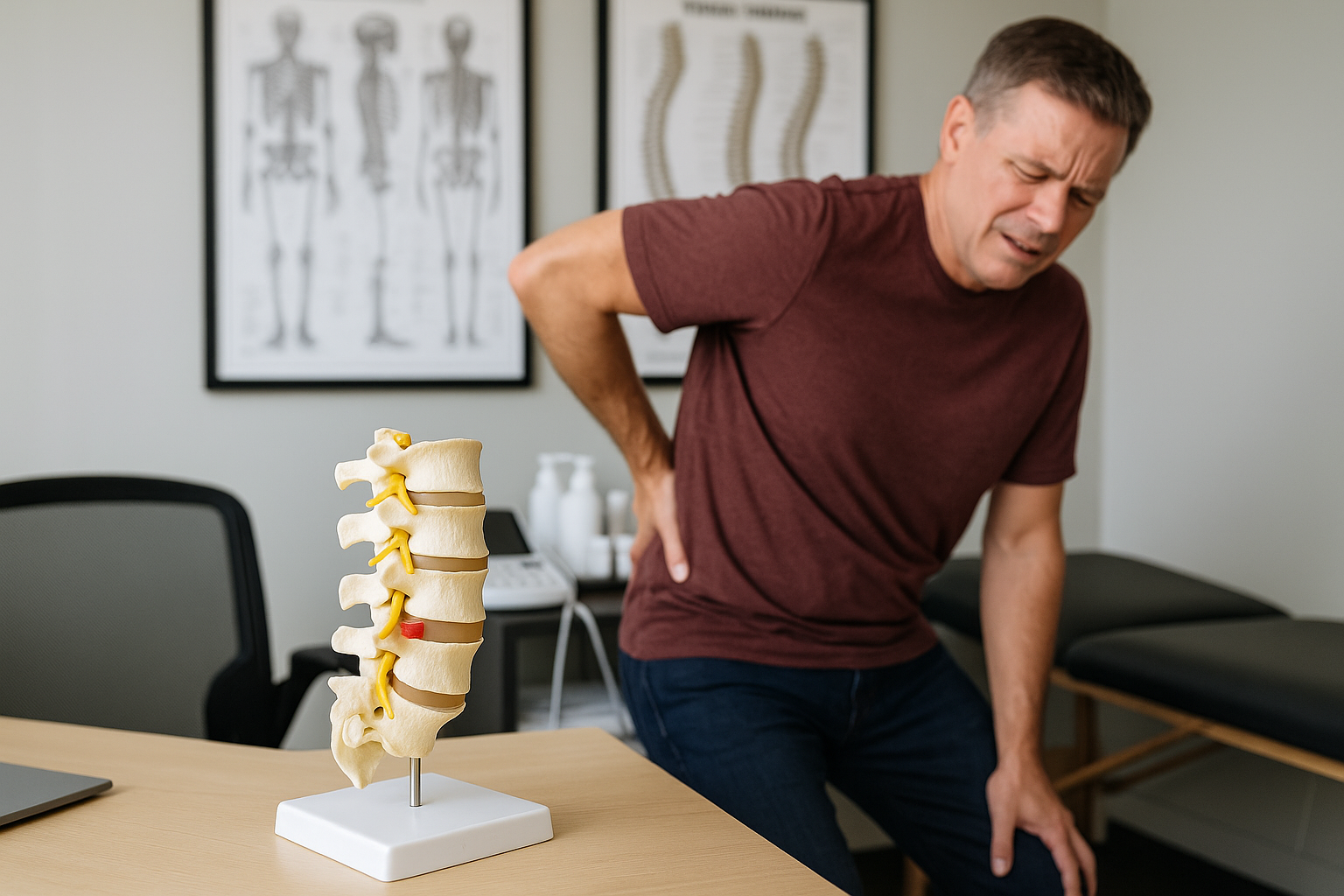
Back pain is common, but not all back pain feels the same. Some people notice a deep ache in the lower back that comes and goes. Others feel a sharp, burning pain that shoots down the leg, along with tingling, weakness, or numbness. When back pain is paired with leg symptoms, it can be a sign that a spinal disc is involved.
Understanding the difference matters. A strained muscle, irritated joint, or inflamed ligament can all cause back discomfort, but a disc injury can affect nearby nerves and create a very different pattern of symptoms. Knowing what disc-related pain tends to feel like can help you recognize when it is time to seek a proper evaluation and consider disc injury treatment in Cedar Park.
This article explains how spinal discs work, the most common disc injury symptoms Cedar Park patients often ask about, and the warning signs that suggest your back pain, leg pain, or numbness may be linked to a disc problem rather than a simple strain.
What Is a Spinal Disc?
Spinal discs are soft, cushion-like structures located between the bones of the spine, called vertebrae. Each disc acts as a shock absorber, helping the spine handle bending, twisting, lifting, and everyday movement. A healthy disc has a tough outer layer and a softer inner center.
When a disc becomes irritated, bulges outward, tears, or herniates, it can trigger inflammation and put pressure on nearby spinal nerves. That is when symptoms may move beyond local back pain and begin to affect the hip, buttock, thigh, calf, or foot.
Disc injuries can happen suddenly after lifting, twisting, or an awkward movement. They can also develop gradually over time as discs lose hydration and resilience with age and repetitive stress.
How Disc Injuries Commonly Cause Symptoms
The location and severity of symptoms often depend on whether the disc is merely inflamed or whether it is contacting a nerve root. Some people have a disc bulge with little discomfort, while others develop intense pain from a smaller injury that irritates sensitive nerve tissue.
In the lower back, a damaged disc may cause:
- Localized low back pain
- Pain that radiates into one buttock or leg
- Tingling or pins-and-needles sensations
- Numbness in part of the leg or foot
- Weakness when lifting the foot or pushing off while walking
- Pain that worsens with sitting, bending, coughing, or sneezing
This is why back pain with leg numbness is often taken more seriously than back pain alone. Numbness or radiating pain can suggest nerve involvement, which is a hallmark of many disc-related conditions.
Signs Your Back Pain May Be Coming From a Disc Injury
Your Pain Travels Down the Leg
One of the clearest clues is pain that does not stay in the back. If discomfort starts in the lower back or buttock and travels down the back or side of the leg, a disc may be irritating the sciatic nerve or one of the nerve roots that contribute to it. This pattern is often called sciatica.
People describe it in different ways: shooting, electric, burning, stabbing, or searing. Unlike sore muscles, radiating nerve pain follows a more defined path. It may travel to the thigh, calf, or even into the foot.
You Have Numbness or Tingling
Numbness is not a typical feature of simple muscle tension. If part of your leg, foot, or toes feels numb, less sensitive, or unusually tingly, that may suggest a nerve is being compressed or irritated. The exact area of numbness can sometimes give clues about which disc level is affected.
For example, some disc problems create numbness along the outer calf, while others affect the top of the foot or the sole. Even if the numbness seems mild, it should not be ignored, especially if it persists or worsens.
Sitting Makes It Worse
Many people with disc injuries notice that sitting is more painful than standing or walking. That is because sitting can increase pressure within the lumbar discs. Long car rides, desk work, or slouching on the couch may aggravate symptoms and trigger pain into the leg.
If you find yourself constantly shifting in a chair, leaning to one side, or needing to stand up frequently to relieve pressure, a disc issue may be part of the problem.
Bending Forward Triggers Pain
Disc-related pain often flares with forward bending, especially when combined with lifting or twisting. Picking up laundry, tying shoes, unloading groceries, or reaching into the trunk of a car may provoke symptoms. Coughing, sneezing, or straining can also increase pressure around an irritated disc and make the pain spike.
One Leg Feels Weak
Weakness is an important symptom. It may show up as difficulty lifting the front of the foot, trouble standing on the toes, reduced push-off when walking, or a sense that the leg might buckle. Some people first notice weakness when climbing stairs or trying to exercise.
Weakness can mean the nerve is being affected more significantly. This deserves prompt attention, especially if it is new or progressing.
How a Herniated Disc Differs From General Back Pain
Many causes of back pain improve with time, movement modification, and conservative care. A herniated disc can also improve without surgery in many cases, but it often creates a more specific symptom pattern than general mechanical back pain.
With a typical back strain, pain is often centered in the lower back and may feel sore, tight, or stiff. It may hurt more after activity, but it usually does not cause true numbness, a burning line of pain down the leg, or significant weakness.
With a herniated or irritated disc, symptoms are more likely to include:
- Back pain with leg numbness
- Pain below the knee
- Tingling in the foot or toes
- Pain that increases with sitting or bending
- Nerve-like pain that feels sharp or electric
This is one reason many people explore herniated disc chiropractic care as part of a broader conservative treatment approach. The goal is not just to quiet pain, but to identify what structures may be involved and support safer movement and recovery.
Common Causes and Risk Factors for Disc Injury
Disc injuries can affect active adults, desk workers, parents lifting children, and older individuals dealing with age-related spinal changes. While no one risk factor explains every case, several patterns are common.
Repetitive Bending and Lifting
Frequent lifting, especially with poor body mechanics, can put repeated stress on the lumbar discs. Twisting while carrying weight increases strain even more.
Prolonged Sitting
Long periods of sitting, especially with slouched posture, can load the lower back and irritate already sensitive discs.
Sudden Awkward Movements
Sometimes symptoms begin after a single event: lifting something heavy, slipping, catching yourself from a fall, or making a sudden twisting motion.
Age-Related Disc Changes
As discs age, they may become less hydrated and less resilient. This can make them more vulnerable to bulging or tearing.
Deconditioning
When the muscles that support the spine are weak or uncoordinated, everyday activities may place more force on spinal structures.
Practical Examples of What Disc Pain Can Feel Like
Disc injuries do not look the same for everyone. Here are a few common patterns that may feel familiar:
Example 1: Someone develops low back pain after moving boxes. The next morning, the pain shoots from the buttock down the back of one leg when sitting. They also feel tingling in the calf.
Example 2: A desk worker notices ongoing back pain that becomes much worse during long drives. After several weeks, numbness appears in two toes and the leg feels tight and weak after standing up.
Example 3: An active adult feels a sudden pinch when bending forward at the gym. Over the next few days, coughing and sneezing trigger sharp pain into the hip and thigh.
These patterns do not confirm a disc injury on their own, but they do show why the combination of back pain, leg symptoms, and positional aggravation often raises suspicion for a disc-related problem.
When Symptoms Need Prompt Medical Attention
Not every disc issue is an emergency, but some symptoms should be evaluated urgently. Seek immediate medical attention if you develop loss of bladder or bowel control, numbness in the groin or saddle area, severe or rapidly worsening leg weakness, difficulty walking, or pain after major trauma. Fever, unexplained weight loss, or a history of cancer also warrant prompt medical evaluation when paired with back pain.
These symptoms may point to problems that require urgent diagnosis and are not situations for self-treatment alone.
How Disc Problems Are Usually Evaluated
A proper evaluation starts with your history and symptoms. The pattern of pain matters. A provider will typically ask when symptoms began, what makes them worse, whether the pain travels below the knee, and whether you have numbness, tingling, or weakness.
A physical exam may include:
- Checking range of motion
- Testing reflexes
- Evaluating leg strength
- Assessing areas of altered sensation
- Performing movement and nerve tension tests
Imaging is not always needed right away for uncomplicated back pain, but it may be considered if symptoms are severe, persistent, progressive, or associated with neurologic changes. The decision depends on the individual case and clinical findings.
Conservative Options for Disc Injury Treatment in Cedar Park
Many disc-related cases improve with conservative care, especially when treatment focuses on reducing irritation, supporting healing, and restoring safer mechanics. The best plan depends on symptom severity, nerve involvement, overall health, and how long the problem has been present.
Activity Modification
Short-term changes in movement can help calm symptoms. That may include avoiding repeated bending, reducing prolonged sitting, and being careful with lifting. Complete bed rest is usually not ideal, but strategic activity changes can be helpful.
Targeted Exercise and Mobility Work
Appropriate exercise may improve support around the spine and reduce recurrent flare-ups. A plan often focuses on gentle mobility, core stability, hip function, and gradual return to activity. The key is choosing movements that fit the person rather than forcing painful exercises.
Postural and Ergonomic Changes
Small changes in desk setup, driving posture, sleep positioning, and lifting mechanics can reduce repeated stress on irritated discs. For some people, this makes a noticeable difference in day-to-day symptoms.
Manual Therapy and Conservative Spine Care
Depending on the individual, conservative care may include hands-on treatment and movement-based approaches designed to reduce pain and improve function. Herniated disc chiropractic care may be considered in appropriate cases as part of a broader management plan, particularly when the goals are to improve mobility, reduce mechanical stress, and guide recovery safely. However, treatment should always be based on a thorough evaluation, especially when numbness or weakness is present.
Monitoring Neurologic Symptoms
If numbness, tingling, or weakness changes over time, that information is important. Persistent or worsening neurologic symptoms may require further medical workup.
Important Considerations Before Starting Treatment
Back pain with leg numbness should not be treated as a simple soreness issue without understanding the cause. Even though many disc injuries respond well to conservative care, the right approach depends on the details.
Some important considerations include:
- How long the symptoms have been present
- Whether the pain is staying the same, improving, or worsening
- Whether numbness is occasional or constant
- Whether true weakness is present
- How much daily function is affected
- Whether there are any urgent red-flag symptoms
It is also important to remember that not all leg pain comes from a disc. Hip problems, sacroiliac irritation, peripheral nerve entrapment, vascular issues, and other spinal conditions can sometimes mimic disc injury symptoms Cedar Park residents may be concerned about. That is why a precise assessment matters.
Benefits of Identifying a Disc Injury Early
Recognizing a likely disc pattern early can help you make better decisions about activity, posture, lifting, and timing of care. It may also reduce the chance of pushing through symptoms that worsen nerve irritation.
Early identification can help with:
- Choosing more appropriate treatment options
- Avoiding movements that aggravate symptoms
- Tracking numbness or weakness more carefully
- Returning to work and activity more safely
- Reducing uncertainty about what your symptoms may mean
Even when pain is significant, many people feel more in control once they understand why symptoms are traveling into the leg and what general steps are usually recommended.
Conclusion
If your back pain stays local and feels more like soreness or stiffness, a disc injury may not be the cause. But if you have pain that shoots down the leg, numbness, tingling, or weakness, especially if sitting and bending make it worse, a spinal disc may be involved. Those symptoms often suggest nerve irritation rather than simple muscle strain.
Pay attention to the pattern. Back pain with leg numbness, pain below the knee, and changes in strength deserve a careful evaluation. While many cases improve with conservative management, proper assessment is important to rule out more serious issues and to guide the most appropriate disc injury treatment in Cedar Park.
The sooner you understand whether your symptoms fit a disc-related pattern, the sooner you can take informed steps toward protecting your spine, reducing irritation, and supporting recovery.