A stiff back that makes getting out of the car difficult. A sharp ache down the leg after a long workday. A knee that protests every staircase. Pain can make ordinary routines feel much smaller than they should. This guide to noninvasive pain management explains how conservative, personalized care can help you reduce pain, move with greater confidence, and address the factors that may be keeping symptoms in place.
Noninvasive care is not about ignoring pain or hoping it disappears on its own. It is a structured approach that uses hands-on treatment, movement-based rehabilitation, and appropriate therapy options to support the body’s recovery without surgery or dependence on pain medication. The right plan depends on your condition, health history, goals, and how your body responds along the way.
What Noninvasive Pain Management Means
Noninvasive pain management uses treatments that do not require surgery or implanted devices. For many musculoskeletal conditions, it begins with a careful examination to understand where pain is felt, how it behaves, and what may be contributing to it.
Back pain, neck pain, sciatica, headaches, disc-related symptoms, joint pain, and sports injuries can have overlapping symptoms but very different drivers. Limited joint motion, irritated soft tissue, nerve sensitivity, poor movement mechanics, deconditioning, repetitive strain, or an acute injury may each play a role. Treating only the painful area can provide short-term relief, but a more complete plan looks at how the area functions during real-life activities.
Conservative care often combines several approaches rather than relying on a single treatment. The goal is practical: reduce symptoms enough to help you move, then build the strength, control, and mobility needed to return to work, exercise, family activities, and daily routines.
A Guide to Noninvasive Pain Management That Starts With Answers
Effective treatment starts with a thorough evaluation, not a generic adjustment or exercise sheet. Your provider should ask when symptoms began, what makes them better or worse, whether pain travels, how it affects sleep, and what activities you have stopped doing. A movement assessment can reveal limitations that are not obvious when you are sitting still on an exam table.
For example, low back pain may worsen because of repeated bending at work, weak hip control, restricted spinal movement, or an irritated disc. Knee pain may be connected to training volume, old injuries, hip and ankle mechanics, or reduced strength around the joint. Identifying these patterns helps guide treatment choices and gives you a clearer understanding of what recovery may require.
A good care plan also sets expectations. Some acute injuries improve quickly, while chronic pain or degenerative changes may require a more gradual progression. Relief matters, but long-term results usually depend on improving function as well as lowering pain.
Treatment Options That May Be Part of Your Plan
Chiropractic Care and Manual Therapy
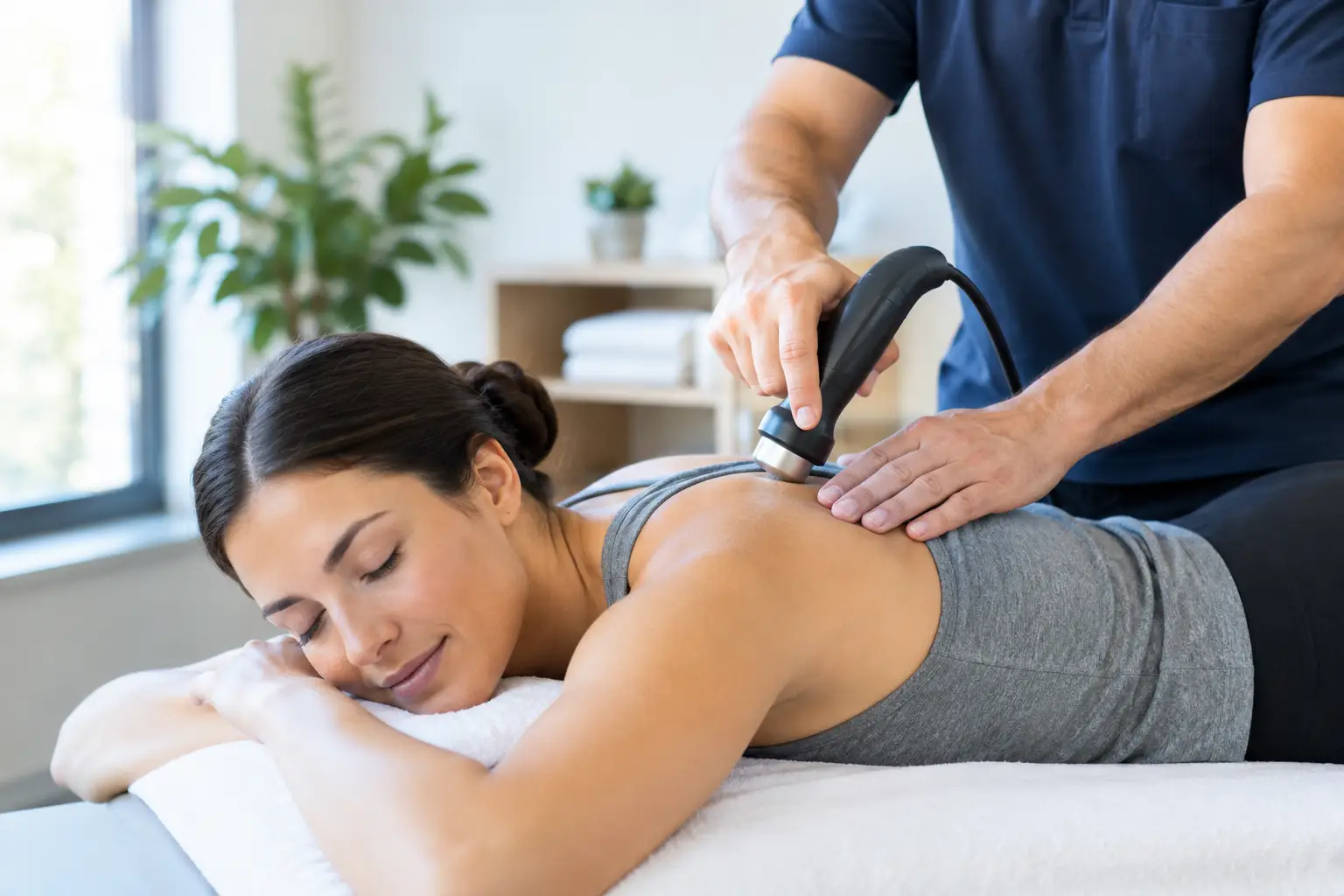
Chiropractic adjustments and other manual techniques can help restore motion to restricted joints, reduce muscle tension, and improve comfort with movement. For some patients, this creates the window of relief needed to begin rehabilitation more effectively.
Manual care is not meant to be a one-size-fits-all solution. The technique, frequency, and force used should reflect your condition and comfort level. A patient with acute pain may need a gentler approach than an athlete returning from a recurring injury. Your provider should explain what is being done and why.
Spinal and Knee Decompression
Decompression therapy may be considered for certain disc-related back or neck conditions, radiating pain, or joint concerns. Spinal decompression uses controlled traction to reduce pressure and encourage movement in the affected area. Knee decompression may be used as part of a conservative plan for some individuals with knee discomfort or degenerative joint changes.
These therapies are not appropriate for every diagnosis. A thorough assessment helps determine whether decompression fits your symptoms, medical history, and treatment goals.
Soft Tissue Care, Dry Needling, and Advanced Therapies
Tight or irritated muscles and connective tissue can contribute to restricted movement and persistent discomfort. Soft tissue techniques may help address these areas directly, especially when paired with corrective movement.
Functional dry needling can be used by qualified providers to target muscular trigger points and improve muscle function. Some patients experience meaningful relief, while others may prefer different options. Mild soreness afterward is possible, and this treatment should always be chosen based on your individual needs and preferences.
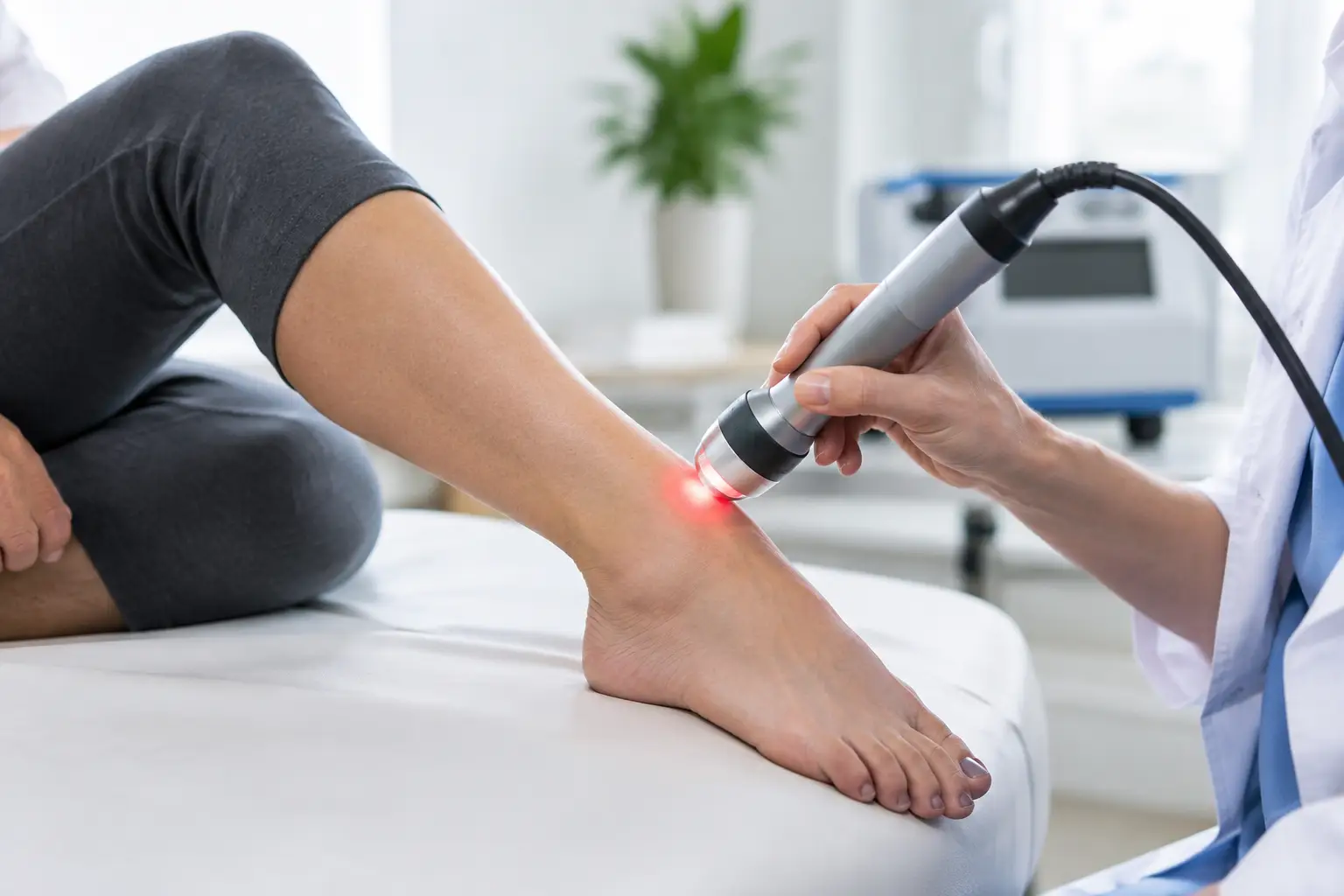
Shockwave therapy and laser therapy may also be included for certain soft tissue conditions, chronic tendon complaints, or stubborn areas of pain. These treatments can support the healing process, but they work best as part of a broader rehabilitation plan rather than as a stand-alone fix.
Rehabilitation That Builds Lasting Capacity
Rehabilitation is where pain relief becomes more durable. A personalized program may include mobility work, core stabilization, balance training, joint-specific strengthening, posture coaching, and progressive return-to-activity exercises.
The right exercise is not always the hardest one. Early in recovery, the goal may be restoring comfortable motion or helping the nervous system tolerate a movement again. Later, you may work on lifting mechanics, running tolerance, rotational strength, or the physical demands of your job. Progression matters because doing too much too soon can flare symptoms, while doing too little can leave the original limitation unchanged.
What You Can Do Between Visits
Your daily choices can support professional treatment without turning recovery into a full-time job. Consistency with the exercises prescribed for you is usually more valuable than trying every stretch or social media routine you find online. Small, repeatable steps often create the most dependable progress.
Pay attention to the activities that repeatedly aggravate symptoms. That does not always mean avoiding them completely. It may mean adjusting your workstation, changing how you lift, taking brief movement breaks during long drives, reducing training volume temporarily, or using better pacing at home and work.
Sleep, hydration, stress, and overall activity levels can influence how pain feels and how well the body recovers. These factors do not mean pain is “all in your head.” They are simply part of the larger picture of healing, especially when symptoms have lasted for months.
When Pain Needs Medical Attention First
Noninvasive care is often a sensible first step for musculoskeletal pain, but some symptoms require urgent medical evaluation. Seek immediate care for new loss of bowel or bladder control, numbness in the groin area, rapidly worsening weakness, severe pain after significant trauma, unexplained fever with back pain, or chest pain and shortness of breath.
You should also discuss persistent or changing symptoms with a qualified healthcare professional, particularly if you have a history of cancer, osteoporosis, inflammatory disease, infection, or unexplained weight loss. Appropriate referrals and collaboration are part of responsible conservative care.
Choosing a Provider for Conservative Care
Look for a clinic that evaluates the whole problem, explains recommendations clearly, and measures progress by more than a pain score. You should know what the treatment plan is designed to improve, whether that is walking comfortably, sitting through work, playing with your children, returning to golf, or getting back to training.
At Bell District Spine and Rehab, care plans are built around the individual and may combine chiropractic care with rehabilitation and advanced noninvasive therapies when appropriate. The focus is not simply helping you feel better for a day. It is helping you move better with a plan that supports your long-term function.
Pain may have changed the way you work, sleep, exercise, or show up for the people you care about. A thoughtful evaluation can give you a clearer path forward – one that respects your goals, your comfort, and your body’s ability to recover.