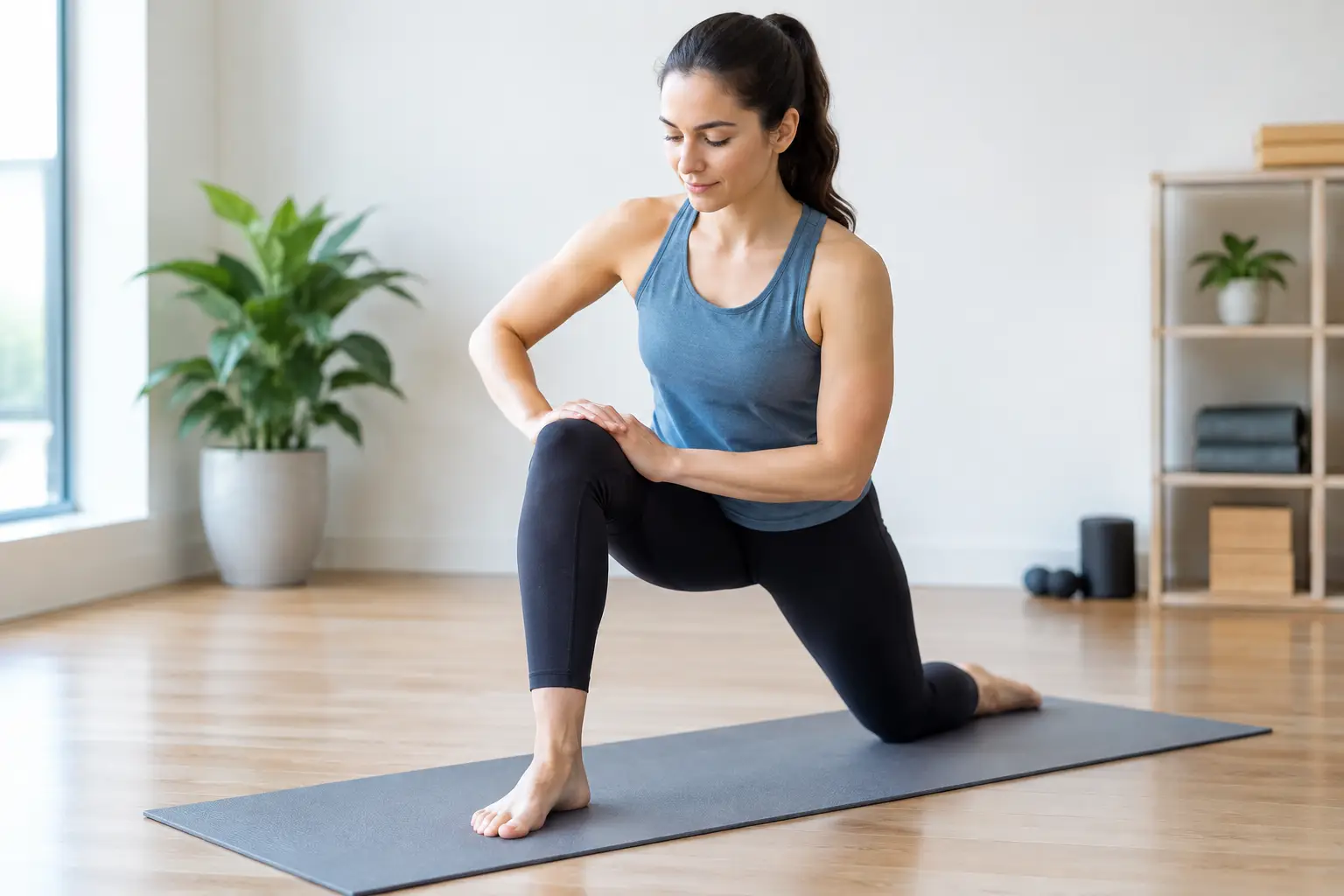

A headache can make a workday, workout, family dinner, or full night of sleep feel out of reach. Effective natural headache pain relief is not about pushing through discomfort or trying every remedy at random. It starts with recognizing what may be driving the pain, reducing aggravating factors, and getting the right kind of support when headaches keep returning.
Many people reach for medication first. While medication may have a place in short-term symptom management, frequent reliance can create its own concerns, including rebound headaches in some people. A conservative, personalized approach can help address common physical contributors to recurring headaches, especially when neck tension, poor posture, movement limitations, or an old injury are part of the picture.
Start by Understanding Your Headache Pattern
Headaches are not all the same, and the pattern matters. Tension-type headaches often feel like pressure or a tight band around the forehead, temples, or back of the head. They may be linked to prolonged computer work, stress, jaw clenching, shallow breathing, or muscle tension through the neck and shoulders.
Cervicogenic headaches begin in the neck but are felt in the head. Stiff joints, irritated tissues, reduced neck mobility, and postural strain can all contribute. Pain may start near the base of the skull and travel toward one side of the head, behind the eye, or into the temple. These headaches are commonly aggravated by specific neck movements or holding one position for too long.
Migraine is a more complex neurological condition and can involve throbbing pain, nausea, light sensitivity, sound sensitivity, visual changes, or fatigue. Lifestyle habits and musculoskeletal care may reduce certain triggers or support overall function for some people, but migraines require thoughtful medical evaluation and an individualized plan.
Keeping a simple headache record for two to three weeks can reveal useful patterns. Note when the pain starts, where it is located, its intensity, what you ate and drank, your sleep, stress level, screen time, exercise, and what made it better or worse. This information gives your care provider a clearer starting point than the pain score alone.
Natural Headache Pain Relief at Home
Small changes can have a meaningful effect when headaches are connected to daily strain. The key is consistency. A single stretch or early bedtime may help in the moment, but long-term improvement usually comes from reducing the repeated stressors that keep the problem active.
Hydration is a practical first step. Dehydration can trigger or worsen headaches, particularly in Texas heat, after exercise, or during busy workdays when water gets replaced by coffee. Drink water regularly throughout the day, and pay attention to whether alcohol, skipped meals, excess caffeine, or sudden caffeine withdrawal affects your symptoms.
Sleep is equally important. Both too little sleep and an inconsistent sleep schedule can lower your headache threshold. Aim for a regular bedtime and wake time when possible. If you wake with neck stiffness or headaches, your sleeping position and pillow support may need attention. The goal is not an expensive pillow. It is neutral support that does not leave your neck sharply bent, twisted, or unsupported.
For tension and neck-related headaches, gentle movement can be more useful than staying completely still. Try short walking breaks, slow shoulder rolls, and comfortable neck range-of-motion exercises throughout the day. Avoid forceful stretching or repeatedly cracking your neck on your own. If a movement causes sharp pain, dizziness, numbness, or worsening symptoms, stop and seek professional guidance.
Heat can relax tight muscles around the upper back and neck, while a cool pack may feel better during a migraine-type headache. There is no universal rule here. Use the option that decreases your discomfort, protecting your skin with a cloth barrier and limiting applications to short intervals.
Stress reduction is also physical care. A few minutes of slow breathing can help settle the muscle guarding that often builds in the jaw, neck, and shoulders. Try breathing in gently through the nose, then making the exhale slightly longer than the inhale. Pairing this with a brief screen break can interrupt the forward-head posture many professionals fall into without noticing.
When the Neck May Be Part of the Problem
Modern work habits place a steady load on the cervical spine. Looking down at a phone, leaning toward a laptop, driving long distances, and sitting through meetings can all create fatigue in the muscles that support the head. The head is relatively heavy, and even a modest forward position can increase strain on the neck and upper back.
That does not mean posture must be perfect. Bodies are designed to move, not to hold one rigid position all day. The more useful goal is position variety. Raise your screen closer to eye level, support your forearms when typing, stand or walk between tasks, and change positions before discomfort becomes intense.
Jaw tension can also matter. People who clench their teeth during stressful periods or while concentrating may develop pain around the temples, ears, face, and upper neck. Notice whether your teeth are touching when you are not eating. A relaxed resting jaw position can reduce unnecessary muscle activity. Persistent jaw pain, clicking, or difficulty opening the mouth should be evaluated by an appropriate healthcare professional.
How Conservative Care Can Help Recurring Headaches
When headaches persist despite reasonable self-care, a detailed evaluation can identify movement restrictions, muscle imbalance, postural habits, and other musculoskeletal factors that may be contributing. This is especially valuable for people whose headaches occur with neck pain, reduced range of motion, shoulder tightness, or symptoms after an accident, sports injury, or long period of desk work.
At Bell District Spine and Rehab, care begins with understanding the individual pattern rather than applying a one-size-fits-all treatment. Depending on the findings, a conservative plan may include chiropractic adjustments, soft tissue techniques, movement analysis, targeted rehabilitation, and guided exercises to improve mobility and muscular support.
Manual treatment can help address restricted joint motion and soft tissue tension when clinically appropriate. Rehabilitation is what helps carry those gains into daily life. A personalized program may focus on deep neck stabilizers, upper-back strength, shoulder control, breathing mechanics, and better tolerance for work, driving, exercise, or household activity.
The right approach depends on the person and the headache type. Someone with a recent whiplash injury may need a slower, more protective progression than an office worker with years of gradual tension headaches. An athlete whose headaches appear after impact needs careful screening rather than a quick return to training. Conservative care should be specific, monitored, and adjusted based on how your body responds.
Know When a Headache Needs Urgent Medical Attention
Natural strategies are appropriate for many common headaches, but they are not a substitute for emergency care when warning signs are present. Seek immediate medical attention for a sudden, severe headache that reaches maximum intensity quickly, often described as the worst headache of your life.
Urgent evaluation is also needed for a headache after a significant head injury, or one accompanied by fainting, confusion, seizure, fever with a stiff neck, new weakness, numbness, trouble speaking, vision loss, severe dizziness, or difficulty walking. Pregnant or postpartum patients, adults over age 50 with a new headache pattern, and people with cancer, immune suppression, or uncontrolled high blood pressure should also seek timely medical guidance for new or changing symptoms.
Even without emergency warning signs, schedule an evaluation if headaches are becoming more frequent, changing in character, interfering with work or sleep, or requiring repeated medication. The goal is not to tolerate more pain. It is to identify what is changing and choose care that fits the cause.
A recurring headache is a signal worth listening to. With better daily habits, thoughtful movement, and individualized conservative care when needed, many people can move toward fewer interruptions and more comfortable days.