A stiff ankle can show up far beyond the ankle itself. It may make stairs uncomfortable, shorten your stride, limit a squat, or cause your knee, hip, or low back to work harder than they should. The right ankle mobility exercises can help restore the movement needed for daily activity, exercise, and a more stable gait – without forcing painful ranges of motion.
The ankle is not just a hinge. It needs to bend upward toward the shin, point downward, and make small adjustments side to side as you walk on uneven ground or shift your weight. When one part of that motion is limited, your body often finds a workaround. That compensation may be subtle at first, but over time it can contribute to recurring discomfort or reduced performance.
Why Ankle Mobility Matters
The most commonly limited ankle motion is dorsiflexion, or the ability to bring the knee forward over the foot while keeping the heel down. This motion is necessary for walking, descending stairs, getting up from a chair, lunging, and squatting. If the ankle cannot move well, the foot may turn out, the heel may lift early, or the knee may drift inward to make up the difference.
Stiffness can develop after an ankle sprain, fracture, surgery, long periods of sitting, repetitive training, or wearing restrictive footwear. Calf tightness may be part of the problem, but it is not always the entire explanation. Joint irritation, swelling, scar tissue, poor foot mechanics, and weakness in the muscles that control the ankle can all affect mobility.
That is why stretching alone does not work for everyone. The most effective approach usually combines gentle joint movement, soft tissue flexibility, strength, and control. Progress should feel like productive work, not sharp pain.
A Quick Check Before You Start
Try a simple knee-to-wall check to get a baseline. Stand facing a wall with one foot in front. Keeping that heel flat and your arch supported, slowly drive the knee toward the wall over the second toe. Move the foot slightly farther back until you reach the greatest distance where the knee can still touch the wall without the heel lifting or the foot collapsing inward.
Compare both sides. A noticeable difference, pinching at the front of the ankle, instability, or pain may signal that you need more than a home routine. The goal is not to chase a perfect number. It is to improve comfortable, controlled movement that carries over to the activities you value.
Ankle Mobility Exercises to Build Better Movement
Perform these movements slowly. For most people, a short routine three to five days per week is more useful than an aggressive session once a week. Stop and seek guidance if symptoms worsen during or after exercise.
Knee-to-Wall Rock
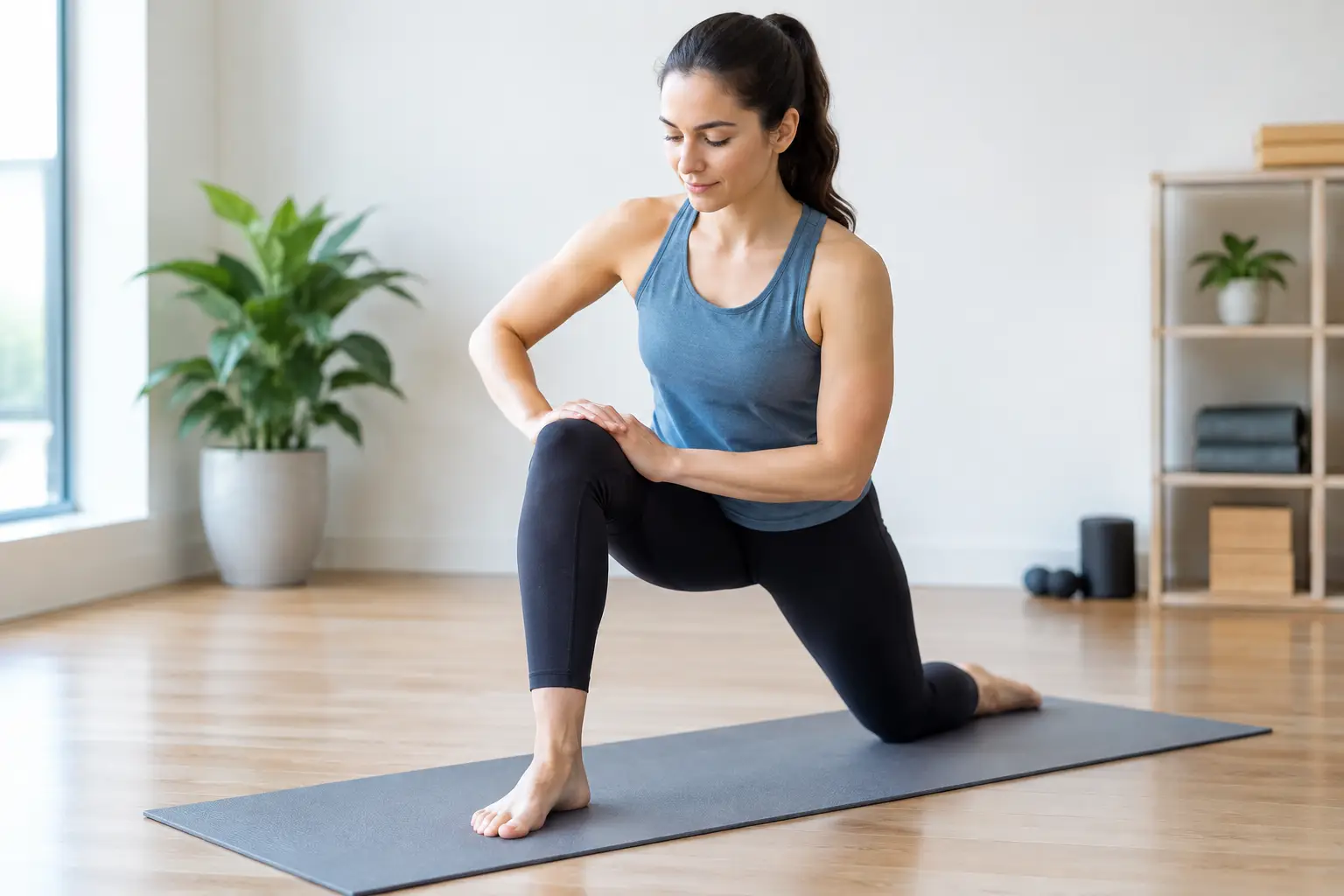
This is one of the most practical ankle mobility exercises because it trains the exact motion used in walking and squatting. Stand facing a wall in a split stance, with the working foot a few inches from the wall. Keep the heel down, allow the knee to travel forward over the second or third toe, and gently touch the wall with the knee. Return to the starting position.
Complete 8 to 12 controlled repetitions. If the heel lifts, move closer to the wall. If you feel a sharp pinch at the front of the ankle, do not push farther into it. A small, pain-free range is the right starting point.
Soleus Calf Stretch
The soleus is a deeper calf muscle that influences ankle dorsiflexion when the knee is bent. It is especially relevant for people who feel ankle stiffness during stairs, squats, or running.
Use a wall for support and place the involved leg behind you. Bend both knees while keeping the back heel grounded. Shift your body forward until you feel a moderate stretch low in the calf, closer to the Achilles tendon. Hold for 20 to 30 seconds, then repeat two or three times.
Avoid bouncing or forcing the heel into the floor. Stretching should create tension, not burning, numbness, or joint pain.
Straight-Knee Calf Stretch
The gastrocnemius is the more visible calf muscle and crosses both the knee and ankle. When it is tight, it can limit ankle motion with the knee straight, such as during the push-off phase of walking or running.
From the same wall-supported position, straighten the back knee and keep the heel down. Lean forward until you feel the stretch higher in the calf. Hold for 20 to 30 seconds and repeat two or three times. Alternate this with the bent-knee soleus stretch rather than assuming one will address every source of tightness.
Controlled Ankle Circles
Ankle circles are simple, but they can be helpful after sitting, traveling, or recovering from a period of reduced activity. Sit with your foot off the ground and move the ankle slowly through circles in both directions. Keep the movement controlled rather than letting the knee or hip do the work.
Perform 10 circles each direction, then point and flex the foot 10 times. This exercise is not a substitute for weight-bearing work, but it can be a comfortable way to introduce movement when the ankle feels stiff or guarded.
Heel Raises With a Slow Lowering Phase
Mobility improves best when your body has the strength to use the range you gain. Stand near a counter or wall, rise onto the balls of both feet, and lower slowly for a count of three. Keep your weight balanced through the big toe, little toe, and heel rather than rolling to the outside of the foot.
Start with 8 to 12 repetitions for two sets. If that feels comfortable, progress to single-leg heel raises. The slow lowering phase can help build calf and Achilles tendon capacity, which supports steadier ankle mechanics during walking and athletic activity.
Supported Squat Hold
A supported squat gives the ankle a functional mobility challenge while teaching the hips, knees, and feet to work together. Hold a sturdy countertop, doorframe, or secure support. Lower into a comfortable squat with your heels grounded, knees tracking in line with your toes, and chest upright.
Hold for 15 to 30 seconds, breathing normally. If your heels rise, place a small support under them temporarily and continue working on the knee-to-wall drill separately. Forcing a deep squat before the ankle is ready can irritate the joint and reinforce poor movement patterns.
How to Use These Exercises Without Overdoing It
Mild muscular stretching or fatigue is expected. Sharp pain, catching, a sense that the ankle is giving way, or increased swelling is not. A useful rule is to judge your response over the next 24 hours. If stiffness improves or stays the same, the amount was likely appropriate. If pain lingers or function declines, reduce the range, repetitions, or frequency.
People returning from a sprain often need more than mobility work. An ankle can regain motion yet remain unstable because the balance and strength systems have not fully recovered. Adding gradual single-leg balance work, foot strengthening, and movement retraining is often necessary before returning to uneven trails, court sports, or running.
Footwear matters as well. Highly supportive shoes can be helpful during a painful phase, but relying on them to hide a movement limitation does not address why the ankle is stiff. On the other hand, switching suddenly to minimal shoes while the calf and ankle are not prepared can aggravate symptoms. The best choice depends on your activity, symptoms, foot structure, and current capacity.
When Ankle Stiffness Needs Professional Care
Home exercise is reasonable for mild stiffness that improves with movement and is not tied to a significant injury. It is wise to seek an evaluation if you have persistent swelling, bruising, numbness, pain at rest, repeated sprains, difficulty bearing weight, or pain that has not improved after a few weeks of consistent care.
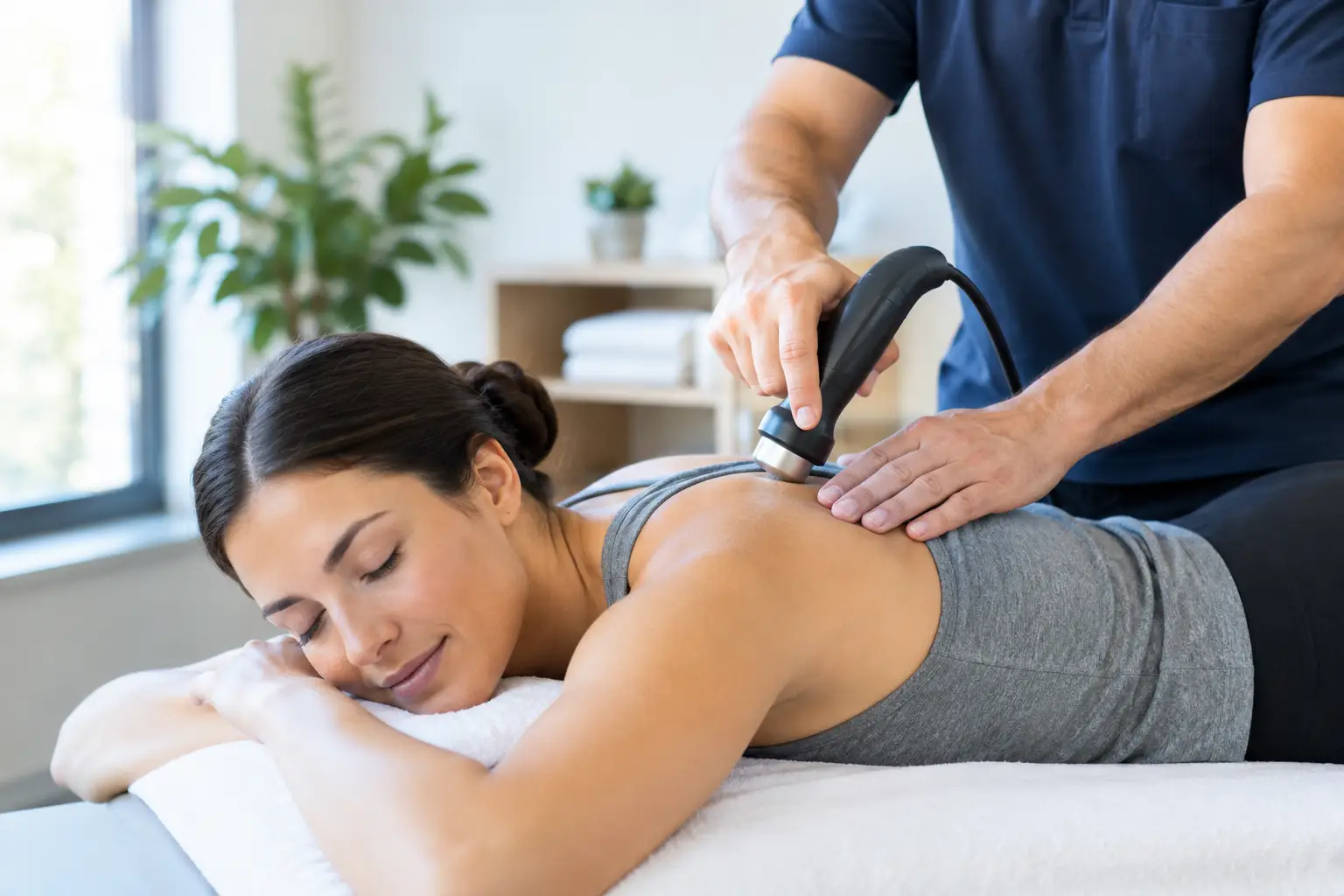
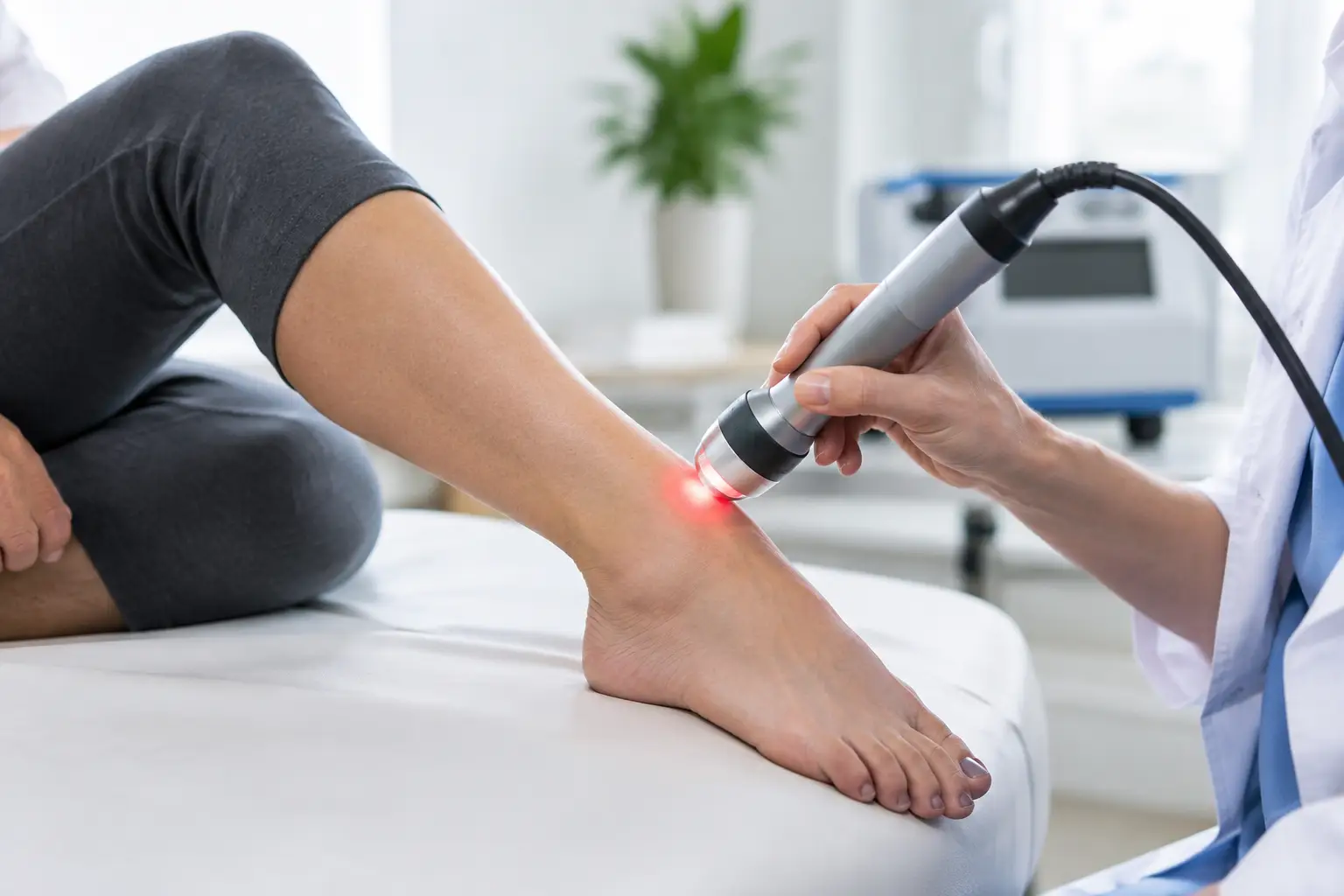
A movement-focused assessment can identify whether limited ankle motion is coming from the joint, calf, Achilles tendon, foot mechanics, or compensation higher up the leg. At Bell District Spine and Rehab, individualized rehabilitation may combine hands-on care, soft tissue treatment, movement analysis, and progressive exercise to address the source of restricted motion rather than simply working around it.
Better ankle mobility is not about pushing farther every day. It is about restoring comfortable movement, building control in that range, and giving your body the confidence to walk, train, work, and move through daily life with less limitation.