

Waking up with back pain or stiffness can make the rest of the day feel harder before it even begins. For many people in Cedar Park, TX, that first uncomfortable stretch out of bed is more than a minor annoyance. Morning back stiffness can be a sign of muscle tightness, limited joint mobility, poor sleep posture, or an underlying spinal condition that needs attention.
While occasional stiffness after a long day, a tough workout, or an unfamiliar mattress is common, persistent symptoms should not be ignored. If your back feels locked up every morning, takes a long time to loosen, or is starting to affect work, exercise, sleep, or daily movement, it is important to understand what may be causing it and what you can do about it.
This guide explains common causes of back stiffness in morning hours, when symptoms may suggest a deeper issue, and practical strategies that can help improve comfort and mobility.
Why Morning Back Stiffness Happens
The body is relatively inactive during sleep. That long stretch of stillness can allow muscles to tighten, joints to become less mobile, and inflammation to feel more noticeable when you first get up. The spine, surrounding muscles, and connective tissues all depend on regular movement to stay flexible and supported.
During the night, several factors can contribute to stiffness:
- Reduced movement for hours at a time, which can make joints and muscles feel tight
- Sleep position that places stress on the lower back, mid-back, or neck
- Mattress or pillow support issues that fail to keep the spine in a neutral position
- Inflammation from an existing condition becoming more obvious after rest
- Muscle fatigue from work, exercise, or repetitive strain the day before
For some people, stiffness fades after a few minutes of light movement. For others, it may linger for an hour or more and return every day. That pattern often provides clues about the underlying problem.
Common Causes of Back Stiffness in Morning Hours
1. Muscle Tightness and Overuse
One of the most common causes of morning back stiffness is muscle tension. If you spent the previous day sitting for long periods, lifting improperly, doing yard work, exercising intensely, or managing high stress, the muscles that support your spine may tighten up overnight.
The lower back is especially vulnerable because it carries a large share of your body weight and helps stabilize movement throughout the day. Tight hip flexors, hamstrings, and glute muscles can also pull on the pelvis and contribute to stiffness in the lumbar spine.
In many cases, this type of stiffness feels achy, sore, or tight rather than sharp. It may improve gradually after walking, stretching, or taking a warm shower.
2. Poor Sleep Position
Your sleep posture can have a direct effect on how your back feels in the morning. Sleeping on your stomach often places the lower back in a more compressed position. Side sleeping without enough support between the knees can allow the spine and pelvis to twist. Even back sleeping can create strain if the mattress does not support the natural curve of the spine.
When the spine stays in an awkward position for several hours, surrounding muscles and joints may feel stiff as soon as you stand up. If your symptoms are most noticeable first thing in the morning but improve reliably as the day goes on, your sleep setup may be part of the problem.
3. Mattress and Pillow Problems
An old, sagging, or unsupportive mattress can contribute to waking up with back pain. If the mattress allows the hips or shoulders to sink too deeply, the spine may lose its neutral alignment. If it is too firm for your body type, pressure points can build up and lead to tension.
Pillows matter too. If the neck and upper back are poorly supported, that misalignment can affect the entire spine. Some people notice that their morning discomfort becomes worse after sleeping away from home or after switching mattresses, which can be a useful clue.
4. Joint Irritation or Degenerative Changes
As people get older, the discs, joints, and soft tissues of the spine naturally change. Wear and tear can lead to reduced flexibility, joint irritation, and stiffness after periods of inactivity. Conditions such as osteoarthritis in the spine may feel especially noticeable in the morning or after sitting still for too long.

This does not mean every case of morning stiffness is serious, but recurring discomfort can be a sign that the joints in the spine are not moving well and may benefit from evaluation and guided care.
5. Disc-Related Issues
The spinal discs act as cushions between the vertebrae. When a disc is irritated or under stress, it can contribute to stiffness, pain, and reduced mobility. Some people with disc issues notice symptoms when transitioning from lying down to standing, bending forward, or twisting.
Disc-related discomfort can range from mild stiffness to more obvious pain that travels into the hip or leg. If morning stiffness is paired with numbness, tingling, weakness, or shooting pain, it may point to nerve involvement and should be assessed promptly.
6. Inflammatory Conditions
Sometimes, back stiffness in the morning is related to inflammation rather than simple muscle tension. Inflammatory spinal conditions often cause stiffness that lasts longer after waking and may improve somewhat with movement rather than rest. Although less common, this pattern can be important to recognize, especially if symptoms are persistent and not explained by activity or sleep position.
If morning stiffness is severe, prolonged, or accompanied by other systemic symptoms, medical evaluation is important.
7. Sedentary Habits and Limited Mobility
Modern routines often involve long periods of sitting at desks, in cars, or on the couch. Over time, limited movement can reduce flexibility in the hips, thoracic spine, and lower back. Muscles become deconditioned, posture may change, and the body becomes less resilient to normal daily strain.
In this situation, morning stiffness is often part of a larger pattern that includes discomfort after sitting, difficulty standing up straight, or a general feeling of being tight and restricted throughout the day.
When Morning Stiffness May Mean Something More
Not every case of waking up with back pain signals a serious problem, but certain patterns deserve closer attention. You should be especially cautious if your stiffness:
- Persists for several weeks without improving
- Is becoming more intense or more frequent
- Lasts a long time after you wake up
- Radiates into the buttock, hip, or leg
- Comes with numbness, tingling, or weakness
- Interferes with sleep, work, or normal daily activity
- Follows a fall, accident, or lifting injury
These signs do not automatically mean the condition is severe, but they do suggest that a professional assessment may help identify the source and prevent the problem from becoming more disruptive.
How to Find Relief from Morning Back Stiffness
Relief often starts with reducing strain on the spine and restoring healthy movement. The right approach depends on the cause, but several practical strategies can help many people feel better.
Improve Your Sleep Setup
If your mattress is sagging, uneven, or no longer supportive, it may be time to consider a replacement. The goal is not simply softness or firmness, but support that helps maintain a neutral spinal position.
Simple positioning changes may also help:
- Back sleepers: placing a pillow under the knees can reduce stress on the lower back
- Side sleepers: placing a pillow between the knees can help keep the hips and spine aligned
- Stomach sleepers: changing position when possible may reduce lumbar strain
Using a pillow that supports the neck without pushing the head too far forward or sideways can also improve overall spinal alignment.
Ease Into Movement in the Morning
Going from stillness to rapid movement can make stiffness feel worse. Instead of jumping out of bed, try a gentler transition. Roll to your side, use your arms to push yourself up, and stand slowly. Once up, take a short walk around the house or perform light stretching.
Helpful morning movements may include:
- Gentle knee-to-chest stretches
- Pelvic tilts
- Cat-cow movements
- Standing hamstring stretches
- Easy trunk rotations within a comfortable range
The goal is not aggressive stretching. It is gradual motion that helps the muscles and joints loosen up safely.
Use Heat for Muscle Tightness
If your symptoms feel muscular and achy, a warm shower or heating pad may help increase circulation and reduce that stiff, guarded feeling. Heat is often most useful when the back feels tight rather than acutely inflamed.
Be cautious not to apply excessive heat for too long, and avoid sleeping on a heating pad.
Build Better Daytime Movement Habits
Morning stiffness often reflects what happens the rest of the day. If you sit for hours at a time, your back may be paying the price overnight. Try to break up sedentary periods with regular standing, walking, and posture resets.
Small changes can make a real difference:
- Stand up every 30 to 60 minutes
- Take brief walking breaks
- Adjust your workstation to encourage better posture
- Incorporate gentle spinal and hip mobility exercises
- Strengthen core and glute muscles to support the back
For many people, stiffness improves when mobility and muscular support improve together.
Pay Attention to Lifting and Exercise Form
Improper lifting mechanics and overtraining are common contributors to back discomfort. If you regularly lift children, groceries, boxes, weights, or equipment, use your legs and hips rather than rounding your back. During exercise, focus on controlled technique and avoid pushing through pain.
If soreness appears after specific workouts or activities, modifying technique or recovery habits may reduce next-day stiffness.
The Role of Back Mobility Treatment in Cedar Park
When self-care is not enough, professional evaluation can help clarify whether the problem is related to joint restriction, soft tissue tension, posture, disc irritation, muscular imbalance, or another issue. For people dealing with recurring morning back stiffness Cedar Park TX residents often want to know whether the problem is something they can simply stretch out or whether it points to a treatable movement dysfunction.
A thorough mobility-focused approach typically looks at more than the area that hurts. The lower back may feel stiff, but the root issue could involve the hips, thoracic spine, pelvis, core stability, or movement habits throughout the day. In many cases, treatment plans are designed to improve how the body moves as a whole rather than only addressing symptoms temporarily.
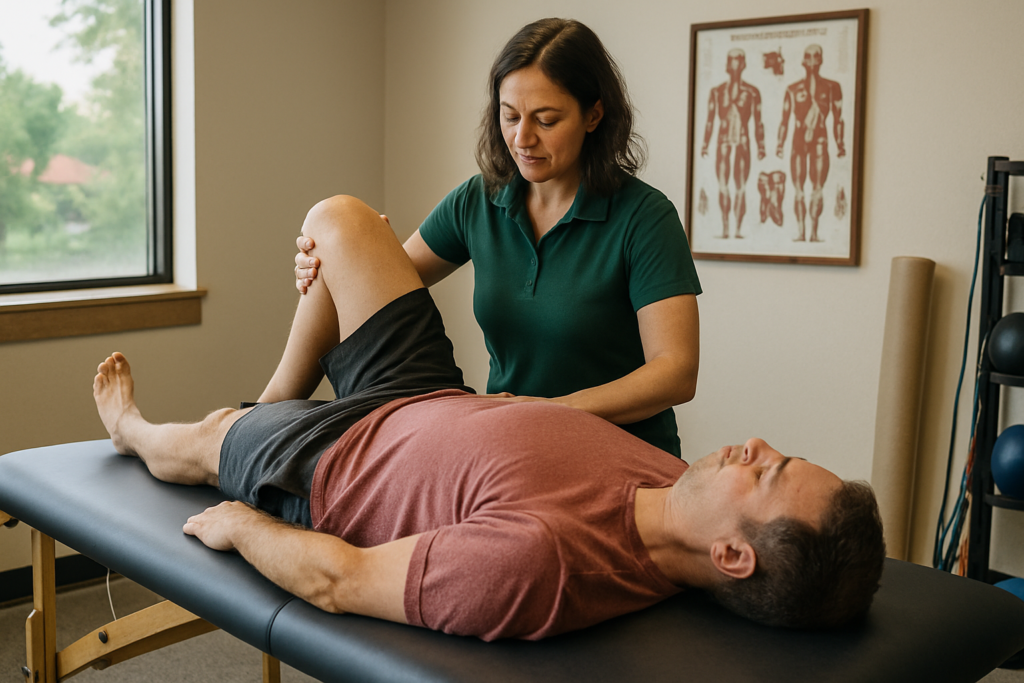
Back mobility treatment Cedar Park patients seek may include a combination of guided movement strategies, soft tissue work, posture education, and exercises intended to improve spinal mechanics and reduce recurring stiffness. The exact approach depends on the person, their health history, activity level, and symptom pattern.
Practical Examples of How Different Causes Can Feel
Morning stiffness is not the same for everyone. The way it shows up can offer useful hints.
Example 1: The Desk Worker
A person who sits most of the day may notice a dull, tight lower back each morning, along with stiff hips and poor posture. The discomfort usually improves after moving around for 10 to 15 minutes. This pattern often points to a combination of sedentary habits, reduced hip mobility, and muscular deconditioning.
Example 2: The Active Adult
Someone who exercises hard, lifts weights, or does physical labor may wake with soreness and stiffness after heavy activity. If the pain feels muscular and fades with recovery, hydration, and gentle movement, overuse may be the main factor. If symptoms become sharper or start radiating, a more specific injury could be involved.
Example 3: The Poor Sleeper
A person who feels significantly worse after sleeping in a different bed, on the couch, or in one position all night may be dealing with support and alignment issues. Their back may loosen quickly once they get up, but the same problem keeps returning because the sleep setup has not changed.
Example 4: The Person with Persistent Stiffness
If someone wakes up stiff every day, takes a long time to loosen up, and notices discomfort after sitting or standing for too long, there may be an ongoing mechanical or inflammatory issue. In that case, a more detailed assessment is often the best next step.
Benefits of Addressing Morning Back Stiffness Early
Many people adapt to stiffness and assume it is just part of getting older or part of a busy life. But persistent symptoms can gradually limit mobility, affect exercise tolerance, reduce sleep quality, and lead to compensation patterns that strain other parts of the body.
Addressing the issue early may help you:
- Move more comfortably at the start of the day
- Prevent mild stiffness from becoming chronic pain
- Improve flexibility and spinal mobility
- Support better posture and body mechanics
- Stay more active at work, home, and during exercise
- Reduce dependence on temporary symptom management alone
Even small improvements in morning comfort can make a meaningful difference in energy, productivity, and overall quality of life.
Important Considerations Before Ignoring the Problem
It is easy to dismiss morning back discomfort, especially if it improves once you get moving. But recurring stiffness is still your body’s way of signaling that something may need attention. Waiting too long can allow movement restrictions, muscle imbalances, or irritation to become more established.
It is also important to avoid assuming that complete rest is the best answer. While short-term rest may help after a strain, too little movement often makes stiffness worse over time. In many cases, the body responds best to the right type of motion, support, and progressive strengthening.
If you are unsure what is causing your symptoms, guessing can prolong the issue. The safest and most effective path is to identify the pattern, note what makes it better or worse, and seek professional guidance if the problem continues.
Conclusion
Morning back stiffness can stem from something as simple as poor sleep posture or muscle tightness, but it can also reflect deeper mobility problems, joint irritation, or spinal dysfunction. If you are waking up with back pain on a regular basis, paying attention to the pattern matters.
Improving your sleep setup, moving gently when you wake up, reducing long periods of sitting, and building better flexibility and strength can all help. But when symptoms keep returning, last too long, or start affecting how you live and move, a more complete evaluation may be the key to lasting relief.
For people dealing with morning back stiffness Cedar Park TX residents know can disrupt work, exercise, and daily life, early attention often leads to better mobility, less discomfort, and a more comfortable start to each day.