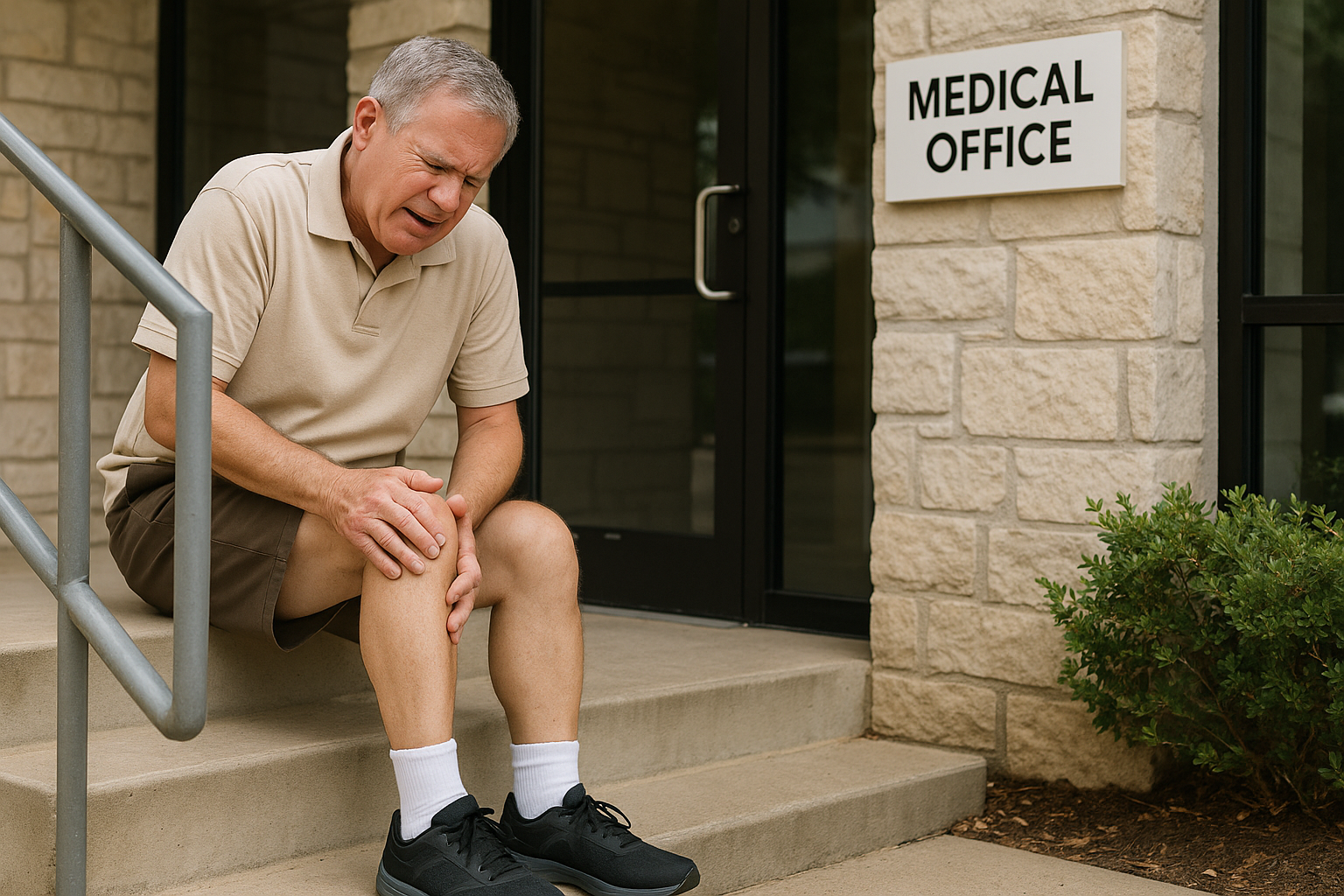

Arthritis symptoms do not always follow a predictable pattern. Many people in Cedar Park, TX notice that some days their joints feel manageable, while on other days stiffness, swelling, and pain seem to appear without much warning. This up-and-down pattern can be frustrating, especially when it interferes with work, exercise, sleep, and everyday routines.
Understanding why flare-ups happen is often the first step toward finding better symptom control. Arthritis is not just one condition, and joint pain can change based on inflammation, activity level, weather shifts, stress, sleep quality, previous injuries, and how the body is moving overall. For people searching for arthritis flare up relief in Cedar Park TX, it helps to know that day-to-day changes are common and that management usually involves a combination of self-care, medical guidance, and non-drug support strategies.
This article explains why arthritis pain can vary so much, what can trigger a flare, what non-drug arthritis pain relief options may help, and when it is important to seek prompt medical attention. This information is for general education only and is not a diagnosis or a substitute for individualized medical care.
Why arthritis pain changes from day to day
Arthritis affects the joints, but the reasons behind pain can be different depending on the type of arthritis and the condition of surrounding muscles, tendons, ligaments, and nerves. Some pain is linked to inflammation inside the joint. Other pain comes from stiffness, reduced mobility, compensation patterns, or irritation in nearby tissues.
That is why one day may feel relatively normal and the next may feel much harder. Common reasons symptoms shift include:
- Inflammation levels change: Inflammatory activity can rise and fall, which may increase warmth, swelling, and pain.
- Activity load varies: Doing more walking, lifting, kneeling, gardening, or repetitive tasks can aggravate sensitive joints.
- Too little movement can also worsen symptoms: Long periods of sitting may increase joint stiffness and make the first few steps painful.
- Sleep quality matters: Poor sleep can increase pain sensitivity and reduce the body’s ability to recover.
- Stress affects pain perception: Emotional stress can heighten muscle tension and make symptoms feel more intense.
- Weather changes may play a role: Some people report more discomfort when barometric pressure, temperature, or humidity changes.
- Old injuries can contribute: Joints that have been injured in the past may be more prone to flare-ups.
When people look for joint pain treatment in Cedar Park, they are often not just trying to “stop pain.” They are trying to understand what is driving the pattern so they can reduce the frequency and intensity of flare-ups over time.
Common types of arthritis linked to flare-ups
The term arthritis covers many conditions, but a few types are especially known for fluctuating symptoms.
Osteoarthritis
Osteoarthritis is often described as wear-and-tear arthritis, but that phrase does not capture the full picture. It involves changes in joint cartilage, surrounding bone, and soft tissues. Symptoms often include aching, stiffness, reduced range of motion, and pain that may be worse after certain activities or after getting up from rest.
Flare-ups may happen when a joint is overloaded, movement patterns change, or surrounding muscles are not supporting the joint well.
Rheumatoid arthritis and other inflammatory arthritis conditions
These conditions involve the immune system and can cause inflammation in the joint lining. Symptoms may include swelling, warmth, prolonged morning stiffness, and fatigue. Flares can come and go and may be influenced by overall disease activity, stress, illness, or medication changes.
Post-traumatic arthritis
This can develop after a previous joint injury, such as a fracture, ligament injury, or cartilage damage. Symptoms may feel stable for a period of time and then worsen with overuse or biomechanical strain.
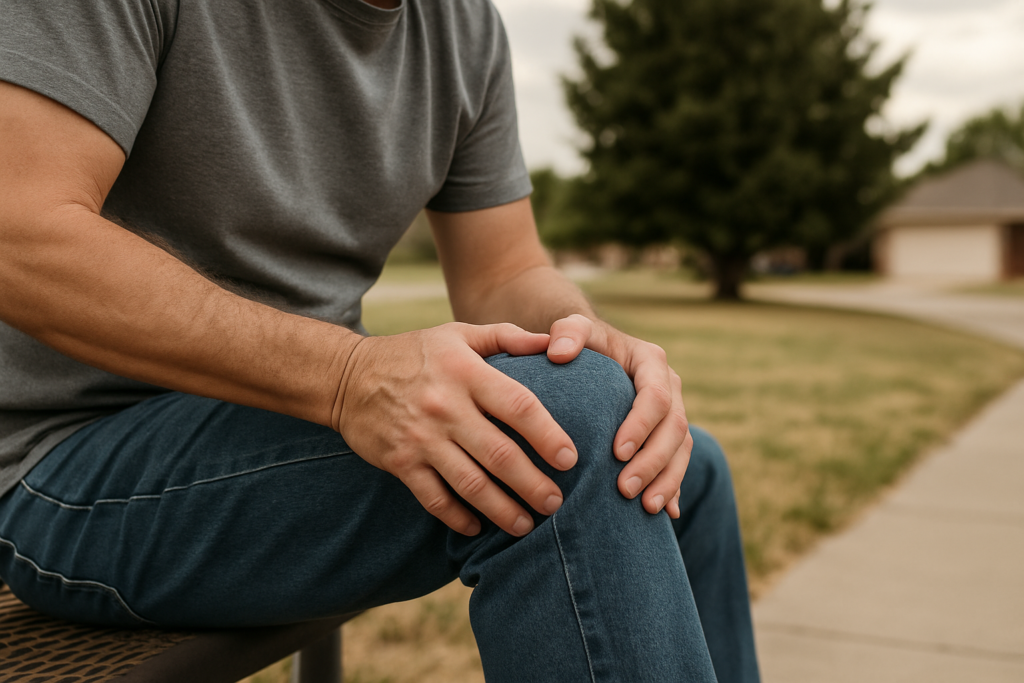
Gout and crystal-related arthritis
These flare-ups can be sudden and severe, often with redness, swelling, and intense pain. Because these attacks can mimic other urgent joint issues, medical evaluation is important.
How to recognize an arthritis flare-up
A flare-up does not look exactly the same for everyone, but common signs include:
- Increased joint pain
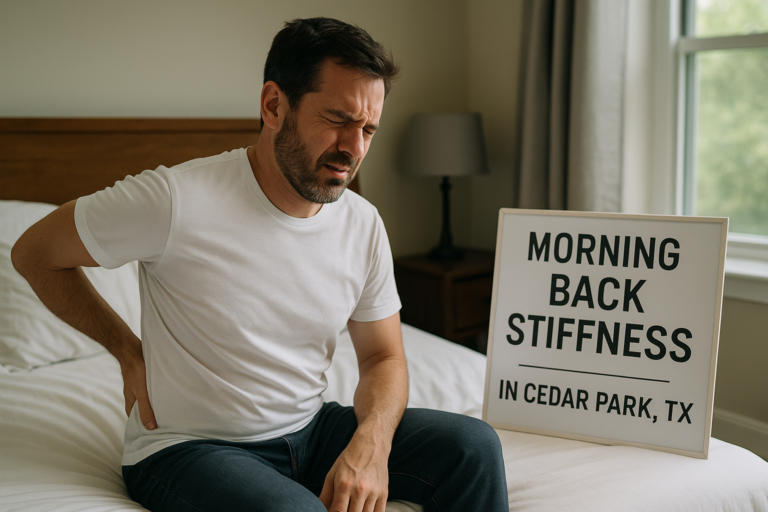
- More stiffness than usual, especially in the morning or after sitting
- Swelling or a sense of fullness around the joint
- Warmth or tenderness
- Reduced flexibility or difficulty bending and straightening the joint
- Pain with walking, climbing stairs, gripping, or reaching
- Fatigue or a general sense that the body feels more inflamed
Some flares build gradually over several days. Others seem to come on overnight. Tracking symptoms in a notebook or phone can help identify patterns related to sleep, exercise, stress, work duties, or weather changes.
Common triggers that may make symptoms worse
If joint pain seems unpredictable, it can help to look for repeat triggers. While not every trigger affects every person, several patterns are common.
Overuse or a sudden increase in activity
Weekend projects, home workouts, yard work, long walks, or travel days can overload a joint that is already sensitive. Pain may not peak until later that day or the next morning.
Prolonged inactivity
Joints often stiffen when they are not moved regularly. Desk work, long car rides, or resting too long during a flare can lead to more discomfort once movement resumes.
Poor sleep
Sleep and pain influence each other. Pain can disturb sleep, and poor sleep can increase next-day pain sensitivity, irritability, and fatigue.
Stress
Stress may not directly damage a joint, but it can increase muscle guarding, reduce pain tolerance, and affect routines that normally support symptom control, such as exercise, hydration, and sleep.
Weather changes
Not everyone notices this, but many people report more stiffness or aching when conditions shift. Even if weather is not the root cause, it can still be a useful pattern to track.
Mechanical strain
Weakness, reduced balance, limited mobility, or altered posture can place more stress on certain joints. For example, limited hip mobility can increase load on the knee, and reduced spinal motion may change how the shoulders or lower body move.
Practical ways to manage a flare-up at home
Many people benefit from combining short-term flare management with longer-term strategies aimed at improving joint function. During a flare, the goal is usually to calm symptoms without becoming completely inactive.
Pace activity
Rather than pushing through pain or avoiding movement entirely, try reducing the intensity, duration, or repetition of aggravating tasks. Short movement breaks often feel better than one long session of activity.
Use gentle movement
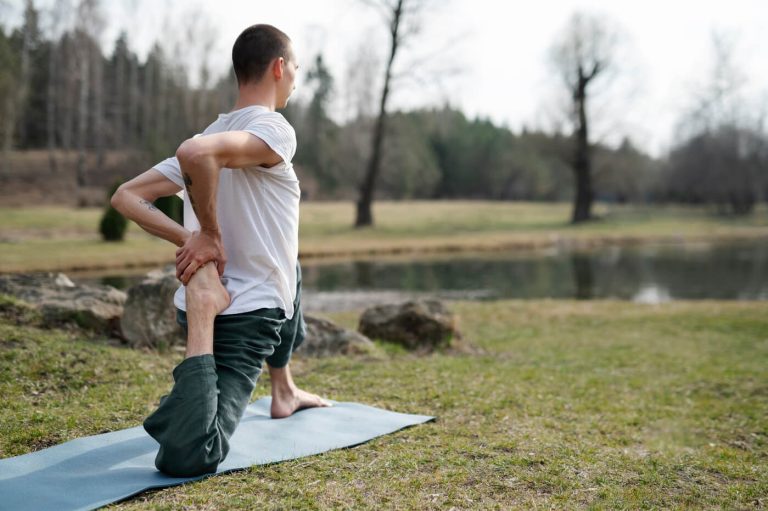
Light range-of-motion exercises, slow walking, or guided mobility work may help reduce stiffness. The right amount is individual. Sharp pain is a sign to stop and reassess.
Apply heat or cold
Heat may help with stiffness and muscle tension. Cold may help if the joint feels especially sore or swollen. Some people alternate both depending on the stage of the flare.
Support sleep and recovery
Simple steps such as a regular bedtime, supportive pillows, and limiting late-night screen time can help recovery. Better sleep often improves pain tolerance the next day.
Watch for recurring patterns
It may help to ask:
- Did symptoms start after more activity than usual?
- Was there extra sitting or travel?
- Have I been sleeping poorly?
- Am I noticing swelling, warmth, or a significant loss of function?
Pattern recognition can guide better choices and help a clinician understand what is happening.
Non-drug arthritis pain relief options that may help
Many people want to explore non-drug arthritis pain relief as part of a broader care plan. While medication can be appropriate for some individuals, non-drug approaches often play an important role in improving daily function and reducing stiffness.
| Approach | What it may help with | Important consideration |
|---|---|---|
| Gentle exercise and mobility work | Stiffness, reduced range of motion, deconditioning | Programs should match the joint involved and current tolerance |
| Strengthening and stability training | Joint support, movement efficiency, activity tolerance | Progress gradually to avoid aggravating symptoms |
| Heat or cold therapy | Short-term pain and stiffness relief | Use with care to avoid skin irritation |
| Weight management when appropriate | Load reduction for weight-bearing joints | Best approached as part of overall health, not a quick fix |
| Manual therapy and movement-focused care | Stiffness, mobility restrictions, muscular tension | Should be individualized and used alongside active care |
| Activity pacing and ergonomic changes | Flare prevention during work and daily routines | Often requires identifying specific triggers first |
These options do not cure arthritis, but they may make day-to-day life more manageable and help some people stay more active with less discomfort.
Where chiropractic care may fit for arthritis stiffness
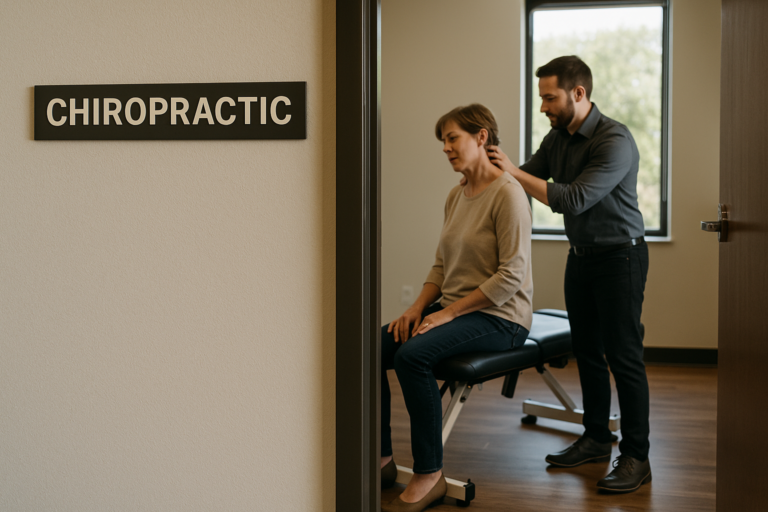
When people search for chiropractic care for arthritis stiffness, they are often looking for ways to move more comfortably and reduce secondary muscle tension around painful joints. Chiropractic care does not reverse arthritis, but for some individuals it may be part of a conservative, non-drug plan focused on mobility, function, and symptom management.
Depending on the person’s condition, a chiropractor may evaluate posture, movement patterns, joint mobility, spinal mechanics, and how different areas of the body are compensating for one another. For example, knee pain may be influenced by hip and ankle mechanics, and neck or shoulder stiffness may be affected by thoracic spine mobility.
Conservative care may include hands-on techniques, soft tissue work, mobility recommendations, and exercises intended to improve support around the affected area. The goal is often to help the patient move better, not simply to address the painful spot in isolation.
That said, not every arthritic joint is appropriate for the same type of treatment. The safest plan depends on the specific diagnosis, severity of degeneration, presence of inflammation, bone quality, overall health, and whether there are neurological symptoms. A qualified clinician can determine whether chiropractic or other manual therapies are appropriate.
What a broader joint pain treatment plan may include
Joint pain treatment in Cedar Park is often most effective when it looks beyond short-term symptom relief. Many people do best with a plan that addresses both the irritated joint and the factors that keep aggravating it.
A broader treatment strategy may include:
- Medical evaluation: to identify the type of arthritis or rule out another condition
- Exercise therapy: to improve strength, balance, endurance, and joint support
- Mobility training: to reduce stiffness and improve movement quality
- Activity modification: to reduce repetitive aggravation at work, home, or during exercise
- Supportive footwear or bracing when appropriate: especially for lower-extremity symptoms
- Weight-bearing and conditioning strategies: to maintain function without excessive overload
- Coordination with primary care or specialists: particularly if inflammatory arthritis is suspected

This kind of individualized plan can be especially helpful for people who feel stuck in a cycle of feeling better for a few days, then flaring again after normal life activities.
When changing pain may mean something more serious
Not every increase in joint pain is a routine arthritis flare. Some symptoms require prompt medical attention because they may point to infection, fracture, circulation problems, nerve involvement, or another urgent condition.
Seek urgent medical care right away if you have:
- A hot, red, severely swollen joint, especially with fever
- Sudden inability to bear weight after an injury
- Major deformity or suspected fracture
- New numbness, weakness, or loss of coordination
- Loss of bladder or bowel control with back pain
- Chest pain, shortness of breath, or other systemic symptoms
- Rapidly worsening pain that is not improving with rest
If a joint is persistently swollen, repeatedly locking, giving way, or losing range of motion, it is also wise to schedule a clinical evaluation rather than assuming it is just a routine flare.
Why getting the right diagnosis matters
People sometimes use the word arthritis to describe any joint pain, but pain can come from many causes, including tendinitis, bursitis, referred pain from the spine, autoimmune disease, crystal arthritis, old injuries, or overuse syndromes. Because treatment approaches differ, the right diagnosis matters.
For example, a person with osteoarthritis may benefit from graded strengthening and movement support, while someone with inflammatory arthritis may need medical management to address active inflammation. A person with severe swelling, heat, and redness may need a very different workup than someone with mostly stiffness after sitting.
That is one reason general education is helpful, but personal treatment decisions should be made with a qualified healthcare professional who can evaluate symptoms, medical history, and physical findings.
Living with arthritis in a more manageable way
Arthritis often requires ongoing adjustment rather than a single fix. Many people make progress when they stop thinking in terms of all-or-nothing activity and start using a steadier approach. On better days, it helps to avoid overdoing it. On harder days, it helps to keep some gentle movement in the routine when possible.
Practical habits that often support long-term symptom control include regular low-impact activity, gradual strength work, movement breaks during the day, attention to sleep, and early response to smaller warning signs before they become major flares. For some, hands-on conservative care may also help reduce stiffness and improve movement confidence.
If you have been searching for arthritis flare up relief in Cedar Park TX, it may help to focus on both symptom relief and pattern recognition. Understanding your triggers, getting the correct diagnosis, and using a balanced plan can make daily life more predictable and more comfortable.
Conclusion
Arthritis flare-ups can feel unpredictable, but they are often influenced by recognizable factors such as inflammation, overuse, inactivity, stress, sleep, and movement mechanics. Day-to-day changes in pain do not necessarily mean damage is worsening, but they do signal that the joint and surrounding tissues may need better support.
Non-drug arthritis pain relief strategies such as pacing, mobility work, strengthening, heat or cold, and movement-focused conservative care may help many people improve comfort and function. Chiropractic care for arthritis stiffness may also have a place within a broader plan when it is appropriate for the individual and coordinated with sound clinical judgment.
Because joint pain has many possible causes, persistent or unusual symptoms should be evaluated by a qualified clinician. With the right guidance and a practical, individualized plan, many people can reduce flare intensity, move with more confidence, and better manage arthritis over time.