
What Are the Most Effective Treatments for Sciatica?
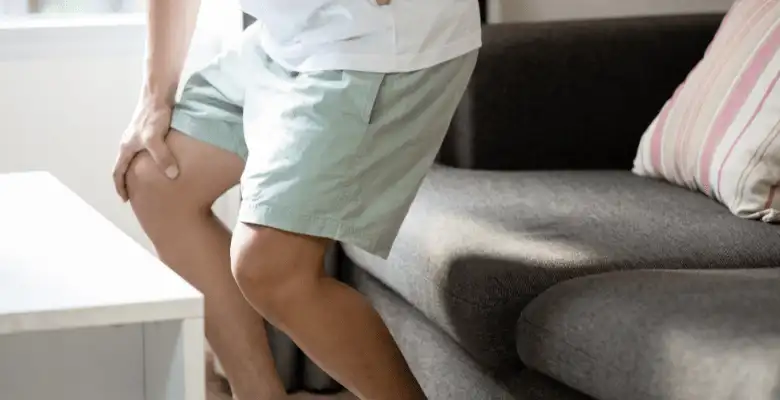
Sciatica affects millions of people worldwide, causing sharp, shooting pain that radiates from the lower back down through the legs. This debilitating condition can make simple activities like walking, sitting, or sleeping incredibly difficult.
The good news? You don’t have to live with this pain forever. Modern treatment approaches offer multiple pathways to relief, from conservative therapies to advanced interventions. Understanding your options helps you make informed decisions about your recovery journey.
Let’s explore the most effective treatments that can help you reclaim your mobility and get back to doing what you love.
Understanding Sciatica: The Root of the Problem
Sciatica occurs when the sciatic nerve—the longest nerve in your body—becomes compressed or irritated. This nerve runs from your lower back through your hips and buttocks, then down each leg.
The pain typically affects one side of your body and can range from mild discomfort to excruciating, electric-shock-like sensations. Common causes include:
- Herniated discs pressing against nerve roots
- Spinal stenosis narrowing the spinal canal
- Piriformis syndrome when the piriformis muscle compresses the nerve
- Bone spurs creating pressure on nerve pathways
- Degenerative disc disease affecting spinal structure
Understanding the underlying cause helps healthcare providers develop targeted treatment plans that address your specific condition.
Conservative Treatments: Your First Line of Defense
Most sciatica cases respond well to non-invasive treatments. These approaches focus on reducing inflammation, improving mobility, and strengthening supporting muscles.
Physical Therapy and Exercise
Physical therapy remains one of the most effective treatments for sciatica. A skilled physical therapist will assess your condition and create a customized program targeting your specific needs.
Key exercises include:
- Nerve gliding exercises to improve nerve mobility
- Core strengthening to support spinal stability
- Hamstring stretches to reduce tension on the sciatic nerve
- Hip flexor stretches to improve lower back flexibility
Studies show that patients who complete physical therapy programs experience significant pain reduction and improved function compared to those who rely solely on medication.
Heat and Cold Therapy
Temperature therapy offers simple yet effective pain relief. Cold therapy reduces inflammation during acute flare-ups, while heat therapy relaxes muscles and improves blood flow during chronic phases.
Apply ice packs for 15-20 minutes several times daily during the first 48-72 hours. After initial inflammation subsides, alternate between heat and cold for optimal results.
Manual Therapy Techniques
Hands-on treatments can provide immediate relief while promoting long-term healing:
- Massage therapy reduces muscle tension and improves circulation
- Manual traction gently decompresses spinal structures
- Soft tissue mobilization breaks up adhesions and scar tissue
- Joint mobilization restores proper movement patterns
These techniques work synergistically with other treatments to accelerate recovery.
Advanced Non-Surgical Interventions
When conservative treatments need additional support, advanced therapies can provide breakthrough results without surgical risks.
Chiropractic Care
Chiropractic treatment addresses spinal misalignments that contribute to nerve compression. Skilled chiropractors use precise adjustments to restore proper spinal mechanics and reduce pressure on affected nerves.
Research demonstrates that chiropractic care can be as effective as traditional medical treatments for sciatica, often with fewer side effects.
Spinal Decompression Therapy
This innovative treatment uses controlled traction to create space between vertebrae, reducing pressure on compressed nerves and discs. Patients typically experience gradual improvement over several treatment sessions.
Non-surgical spinal decompression has shown success rates of 71-89% in clinical studies, making it an excellent option for patients seeking alternatives to surgery.
Laser Therapy
Low-level laser therapy penetrates deep into tissues, stimulating cellular repair and reducing inflammation. This painless treatment promotes natural healing while providing pain relief.
.
Multiple sessions typically yield the best results, with many patients experiencing significant improvement within 2-4 weeks.
Shockwave Therapy
Extracorporeal shockwave therapy uses acoustic waves to stimulate healing and improve blood flow to affected areas. This treatment can break up scar tissue and promote nerve regeneration.
Studies show promising results for chronic sciatica cases that haven't responded to other conservative treatments.
Injection Therapies: Targeted Relief
For patients experiencing severe pain that limits daily activities, injection therapies can provide substantial relief while other treatments take effect.
Epidural Steroid Injections
These injections deliver anti-inflammatory medication directly to the affected nerve root area. While not a permanent solution, they can provide weeks to months of relief, allowing patients to engage more effectively in physical therapy.
Success rates vary, but many patients experience significant pain reduction within 2-7 days after injection.
Trigger Point Injections
For sciatica caused by muscle-related issues, trigger point injections target specific muscle knots that may be contributing to nerve irritation.
Nerve Block Injections
These targeted injections can help identify pain sources and provide temporary relief for diagnostic and therapeutic purposes.
Surgical Options: When Conservative Care Isn't Enough
Surgery becomes necessary when conservative treatments fail to provide adequate relief after 6-8 weeks, or when patients experience progressive neurological symptoms.
Microdiscectomy
This minimally invasive procedure removes the portion of a herniated disc pressing against the nerve. Success rates exceed 90% for appropriate candidates, with most patients experiencing immediate relief.
Laminectomy
For spinal stenosis cases, removing part of the vertebral bone (lamina) creates more space for compressed nerves. This procedure can provide excellent long-term results for carefully selected patients.
Spinal Fusion
Reserved for cases involving spinal instability, fusion procedures permanently connect affected vertebrae. While effective, this surgery requires longer recovery times and more extensive rehabilitation.
Lifestyle Modifications for Long-Term Success
Successful sciatica treatment extends beyond clinical interventions. Daily habits significantly impact recovery and prevention of future episodes.
Manual Therapy Techniques
Poor posture places additional stress on spinal structures. Key improvements include:
- Workstation setup with proper monitor height and chair support
- Sleeping position modifications using supportive pillows
- Lifting techniques that protect the lower back
- Walking and standing habits that maintain spinal alignment
Weight Management
Excess weight increases pressure on spinal structures and can worsen sciatica symptoms. Even modest weight loss can provide significant symptom improvement.
Activity Modification
Learning to modify activities during flare-ups prevents symptom worsening while maintaining function. This includes:
- Pacing activities to avoid overexertion
- Using proper body mechanics during daily tasks
- Taking frequent breaks from prolonged sitting or standing
- Gradually increasing activity levels as symptoms improve
How We Can Help at Bell District Spine and Rehab
At Bell District Spine and Rehab, we understand how sciatica can derail your life. Dr. John Tuggle and our experienced team have helped thousands of patients overcome sciatica using comprehensive, non-surgical approaches.
We combine multiple treatment modalities to address your specific needs:
- Advanced spinal decompression therapy to relieve nerve pressure
- Precision chiropractic adjustments to restore proper spinal alignment
- Targeted laser therapy to reduce inflammation and promote healing
- Comprehensive rehabilitation programs to strengthen supporting structures
- Shockwave therapy for stubborn cases requiring advanced intervention
Our Cedar Park clinic has been recognized as one of the best chiropractic facilities for seven consecutive years. We accept most insurance plans, including Medicare, making quality care accessible and affordable.
Dr. Tuggle’s 24+ years of experience and our state-of-the-art treatment options have helped patients avoid surgery while achieving lasting relief. We create personalized treatment plans that address the root causes of your sciatica, not just the symptoms.
Located conveniently at 930 South Bell Blvd, Suite 103 in Cedar Park, we serve patients from Leander, Jonestown, Austin, Lago Vista, and Round Rock. Our caring team is committed to helping you achieve natural healing and long-term wellness.
Your Path to Recovery Starts Today
Sciatica doesn’t have to control your life. With proper treatment and commitment to recovery, most patients experience significant improvement within weeks to months.
The key is starting treatment early and working with healthcare providers who understand the complexities of nerve-related pain. Whether you choose conservative treatments, advanced therapies, or need surgical intervention, the right approach exists for your specific situation.
Don’t let sciatica keep you from living fully. Take the first step toward recovery by consulting with qualified healthcare professionals who can assess your condition and develop a comprehensive treatment plan tailored to your needs.
Ready to reclaim your mobility and get back to doing what you love? Contact Bell District Spine and Rehab at (512) 257-2225 to schedule your complimentary phone consultation today.
May I invite you to join us for a
Complimentary Consultation?

I’m Dr. John Tuggle, my team and I are dedicated to helping you get out of pain and get you back to feeling great again.
Call us and tell us about your health issues and set up a consultation to discuss the treatment that will best get you back to optimum health.”
Dr. John Tuggle, D.C.
Have Questions?
Ask The Doctor