A stubborn tendon injury can make ordinary movements feel like a negotiation. The first steps out of bed, reaching overhead, climbing stairs, or returning to a run may all trigger the same familiar pain. Understanding how shockwave therapy speeds recovery can help patients decide whether this non-invasive option fits into a personalized plan for getting back to comfortable, confident movement.
Shockwave therapy is not a shortcut that forces injured tissue to heal overnight. It is a focused treatment that uses acoustic pressure waves to stimulate the body’s natural repair response in areas where healing has slowed or pain has become persistent. When paired with appropriate rehabilitation, movement correction, and hands-on care, it can help many patients move forward without relying solely on medication or pursuing surgery too soon.
What Shockwave Therapy Does in the Body
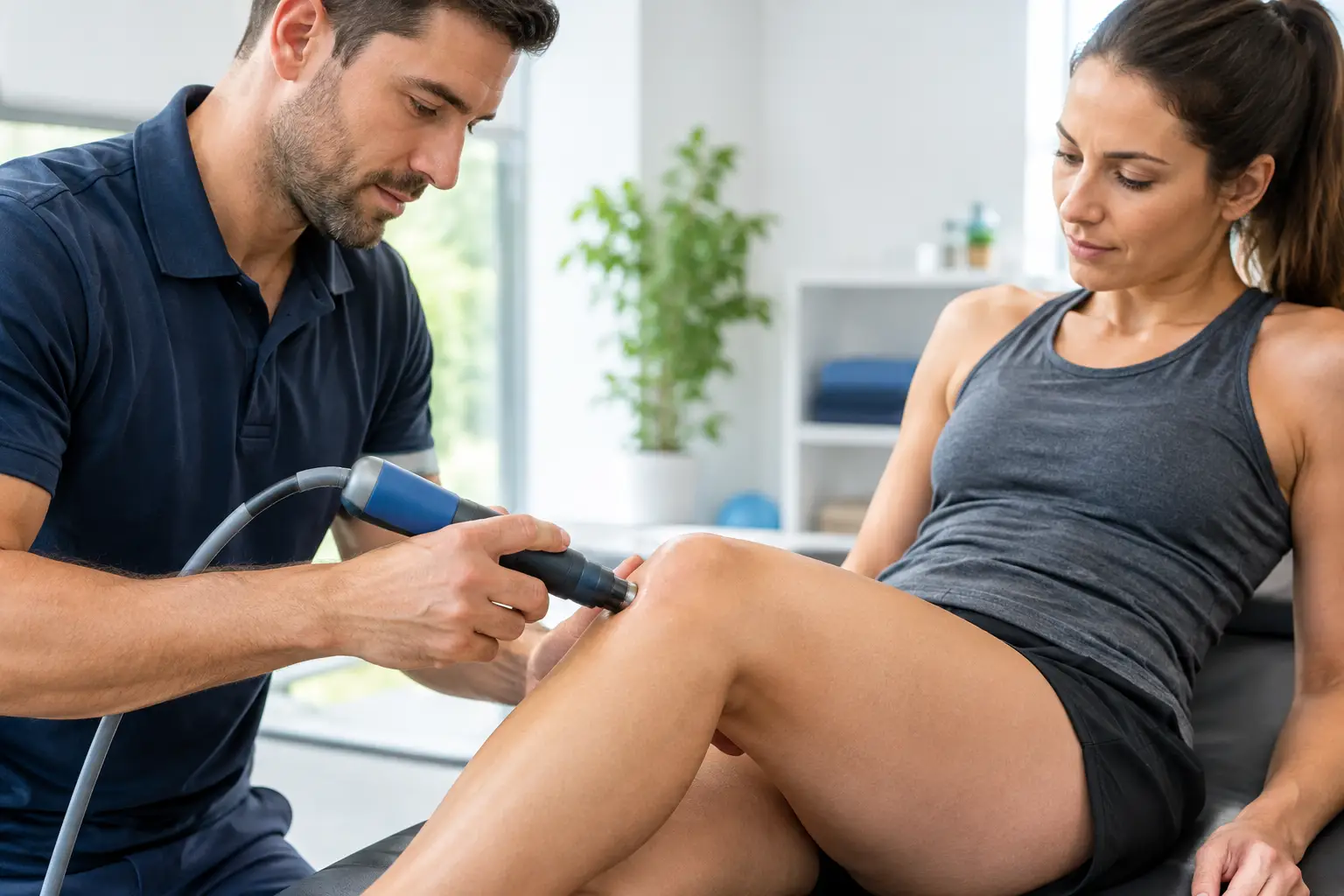
Despite the name, shockwave therapy does not use electrical shocks. A handheld device delivers controlled acoustic waves through the skin to a targeted area of injured or painful soft tissue. At Bell District Spine and Rehab, treatment is selected based on the patient’s diagnosis, symptoms, activity demands, and overall recovery goals.
The mechanical energy from the waves creates a purposeful stimulus in the tissue. That stimulus can encourage biological activity involved in healing, including improved local blood flow and cellular signaling. Chronic tendon pain is often not simply an issue of inflammation. In many cases, the tissue has undergone degenerative changes and is no longer adapting or repairing efficiently. Shockwave therapy may help restart the healing response in that stalled environment.
The sensation varies. Patients commonly feel tapping or pressure during treatment, with more sensitivity over the most tender area. Intensity can be adjusted to keep treatment tolerable. Most sessions are brief, and patients can generally return to normal daily activities afterward, though temporary soreness is possible.
How Shockwave Therapy Speeds Recovery
Recovery depends on more than pain relief. A treatment should help the body tolerate movement, rebuild capacity, and return to the activities that matter to the patient. Shockwave therapy can support those goals in several connected ways.
It stimulates a healing response in slow-to-heal tissue
Tendons and connective tissues can have limited blood supply, particularly in areas repeatedly stressed by work, sports, posture, or age-related wear. Conditions such as plantar fasciitis, Achilles tendinopathy, tennis elbow, golfer’s elbow, and some shoulder tendon problems can linger because the tissue is not progressing through a healthy repair cycle.
Acoustic waves create controlled mechanical stimulation that signals the body to increase activity in the treated area. Research and clinical use suggest this may support neovascularization, or the formation of small new blood vessels, along with tissue remodeling processes. Better local circulation can improve delivery of oxygen and nutrients needed for repair.
This does not mean every painful tendon will respond the same way. The age of the injury, severity of tissue changes, overall health, training load, and whether the patient follows a rehab program all influence results. Still, for the right condition, shockwave therapy can provide a useful biological push when rest alone has not solved the problem.
It can reduce pain enough to restore productive movement
Pain often creates a frustrating cycle: movement hurts, so a person avoids movement; reduced movement leads to stiffness, weakness, and lower tissue tolerance; then pain returns even during basic tasks. Shockwave therapy may reduce pain sensitivity in the treated region over time, allowing patients to participate more effectively in rehabilitation.
That distinction matters. The goal is not to hide symptoms and immediately return to the same aggravating activity. The goal is to make progressive loading possible. A runner with Achilles pain may need a gradual calf-strengthening plan. Someone with plantar heel pain may need changes in footwear, walking tolerance, ankle mobility, and foot strength. Pain reduction becomes more valuable when it opens the door to those corrective steps.
It supports tissue remodeling rather than temporary relief alone
Some treatments can make an area feel better for a short period without improving how the tissue handles force. Shockwave therapy is often used because it aims to influence the underlying tissue environment, particularly with chronic tendinopathy and certain soft tissue conditions.
As symptoms improve, guided exercise helps the recovering tissue adapt to real-life demands. This may include controlled strength work, mobility drills, balance training, or sport-specific progression. The combination is key. Shockwave therapy can create an opportunity for change, while rehabilitation helps turn that opportunity into lasting function.
Conditions That May Respond Well
Shockwave therapy is commonly considered for chronic musculoskeletal pain that has not improved adequately with basic conservative care. It may be appropriate for plantar fasciitis, Achilles tendinopathy, patellar tendon pain, tennis elbow, golfer’s elbow, calcific shoulder tendinopathy, and some hip or hamstring tendon conditions.
It may also be used for certain muscle-related pain patterns or trigger points when a provider determines it fits the clinical picture. A thorough examination is essential because heel pain, for example, is not always plantar fasciitis, and elbow pain is not always tendon-related. Accurate diagnosis helps prevent wasted treatment time and directs care toward the actual source of the problem.
For acute injuries, shockwave therapy is not automatically the first choice. A fresh injury may need protection, careful assessment, and a different early-stage approach. Likewise, severe tears, fractures, active infection, certain circulation issues, or pain caused by a non-musculoskeletal condition require appropriate medical evaluation rather than a one-size-fits-all therapy.
What a Typical Treatment Plan Looks Like
Shockwave therapy is usually delivered as a series of appointments rather than a single session. The number of treatments depends on the condition, chronicity, response to care, and treatment goals. Many patients receive treatments spaced about a week apart while following a customized rehab plan between visits.
Before beginning, the provider identifies the painful structure, evaluates nearby joints and movement patterns, and considers factors that may be keeping the problem active. For instance, recurring knee tendon pain may involve hip weakness or poor landing mechanics. Persistent shoulder pain may be affected by neck mobility, posture, or repetitive work demands. Treating the tender spot without addressing these contributors can limit progress.
During the session, gel is applied to help transmit the acoustic waves, and the applicator is moved over the treatment area. A provider may combine shockwave therapy with manual therapy, chiropractic care, laser therapy, dry needling, or corrective exercise when clinically appropriate. The exact combination should be based on the person in front of them, not a standard package.
Some patients notice a change after the first few sessions, while others improve more gradually over several weeks. Tissue adaptation takes time. It is common to have short-term soreness or sensitivity after treatment, especially if the area has been painful for months. Your provider can advise you on activity modification and whether to use ice, heat, or specific exercises after each visit.
Getting Better Results From Shockwave Therapy
The best results usually come from respecting the recovery process between appointments. Avoiding every activity indefinitely can weaken tissue, but repeatedly pushing through sharp pain can keep the injury irritated. The right level of activity is individual and should be guided by symptoms, examination findings, and functional goals.
Sleep, nutrition, hydration, and stress management also affect recovery. So do practical details: supportive shoes for heel pain, ergonomic adjustments for elbow or shoulder issues, and a realistic return-to-sport progression for athletes. These factors may sound simple, but they often determine whether treatment gains hold once normal routines resume.
Patients should share relevant health information before starting treatment. Shockwave therapy may not be appropriate over certain areas or for people with particular medical conditions, bleeding concerns, implanted devices near the treatment site, pregnancy, or use of medications that affect healing. A qualified provider can review safety considerations and recommend the most suitable conservative care path.
A Recovery Plan Built Around Your Life
Persistent pain does not always mean you need to accept reduced activity or jump straight to invasive care. For many tendon and soft tissue problems, shockwave therapy can be a valuable part of a broader plan designed to reduce pain, improve mobility, and rebuild confidence in movement.
The most meaningful measure of progress is not just a lower pain score. It is walking through Cedar Park without planning every step, finishing a workday with less discomfort, returning to the gym safely, or keeping up with your family again. A careful evaluation can determine whether shockwave therapy, targeted rehabilitation, or another conservative treatment is the right next step for your recovery.