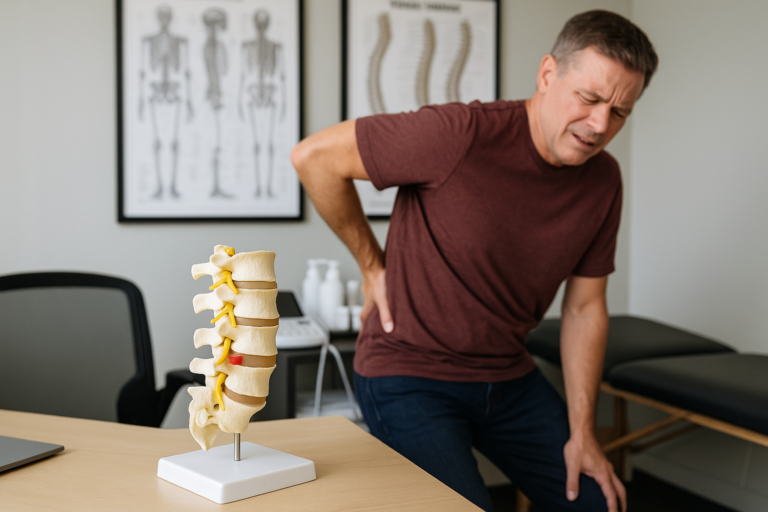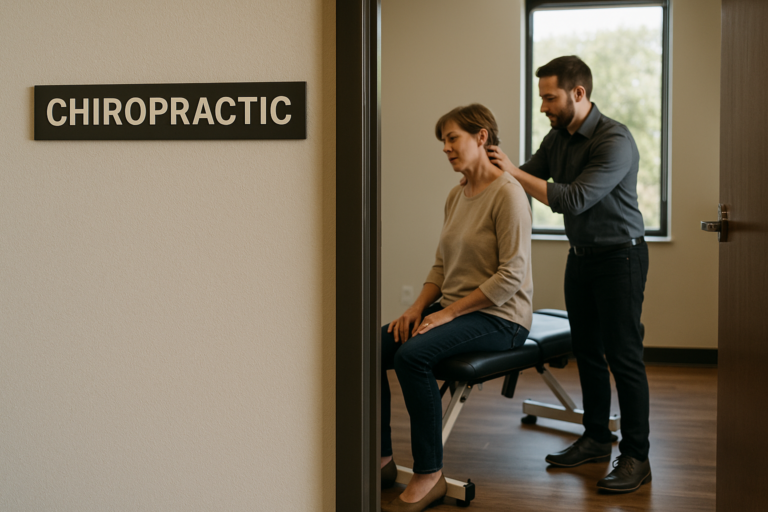

Dizziness can be unsettling, especially when it seems to appear out of nowhere. Many people assume dizziness must be caused by an inner ear problem, dehydration, or low blood sugar. While those are all possible causes, some episodes of dizziness may actually be linked to the neck. In Cedar Park, TX, people who spend long hours at desks, use mobile devices frequently, drive often, or deal with chronic muscle tension may not realize that their neck discomfort could be connected to how steady they feel.
When dizziness is related to the cervical spine, it is often called cervicogenic dizziness. This type of dizziness is not always easy to identify because its symptoms can overlap with other conditions. However, there are patterns that can help you recognize when your neck may be playing a role. Understanding those patterns can help you know when to seek a proper evaluation and what kinds of care may be considered.
This article explains how cervicogenic dizziness in Cedar Park TX may feel, what causes it, what symptoms tend to appear, and why a careful assessment matters.
What Is Cervicogenic Dizziness?
Cervicogenic dizziness refers to dizziness that is thought to come from dysfunction in the neck. The cervical spine contains joints, muscles, ligaments, discs, and nerves that help support your head and provide position sense. Your body constantly uses information from the neck, inner ear, and eyes to understand where you are in space and how to maintain balance.
When the neck is inflamed, stiff, injured, or not moving well, those signals may become disrupted. In some people, that mismatch can contribute to sensations such as lightheadedness, unsteadiness, imbalance, or a vague sense that the head is not quite stable. Rather than the dramatic spinning sensation often associated with classic vertigo, neck-related dizziness is commonly described as feeling off-balance, foggy, or disoriented, especially during or after neck movement.
This is one reason dizziness from neck pain can be overlooked. If someone expects dizziness to always feel like a room-spinning event, they may not connect milder but persistent balance symptoms to a neck issue.
How the Neck Can Affect Balance
The neck plays a bigger role in balance than many people realize. Specialized receptors in the muscles and joints of the cervical spine provide feedback to the brain about head position and movement. These signals work together with the visual system and vestibular system in the inner ear.
If the neck becomes irritated or mechanically restricted, the sensory information coming from it may no longer match what the eyes and inner ear are reporting. That sensory mismatch can create dizziness, especially when the head turns, when posture changes, or after periods of muscle tension.
Several common neck-related issues may contribute:
- Muscle tightness and spasm in the upper neck and shoulders
- Joint restriction in the cervical spine
- Poor posture, especially forward head posture
- Whiplash or previous neck injury
- Cervical disc degeneration or age-related stiffness
- Inflammation around the neck joints or soft tissues
Not every person with neck pain becomes dizzy, and not every dizzy person has a neck problem. Still, when dizziness and neck symptoms appear together, the cervical spine deserves consideration.
Common Signs Your Dizziness Might Be Coming From Your Neck
There is no single symptom that proves dizziness is coming from the neck, but certain patterns are often seen with cervicogenic dizziness. Recognizing these neck-related vertigo symptoms may help you have a more informed discussion with a healthcare provider.
1. Dizziness occurs alongside neck pain or stiffness

One of the clearest clues is that the dizziness tends to happen at the same time as neck discomfort. You may notice stiffness at the base of the skull, soreness across the shoulders, or pain that worsens after sleeping awkwardly, working at a computer, or turning your head repeatedly.
2. Symptoms are triggered by neck movement
If your dizziness increases when you turn your head, look up, look down, or hold your neck in one position for too long, the neck may be involved. Some people notice symptoms while backing up a car, checking blind spots, or reaching overhead.
3. You feel unsteady rather than truly spinning
Many people with cervicogenic dizziness describe feeling off-balance, floating, heavy-headed, or disconnected rather than experiencing intense rotational vertigo. The sensation may be mild to moderate but persistent enough to interfere with concentration and daily activities.
4. Headaches are also present
Tension headaches and cervicogenic headaches commonly occur with neck dysfunction. If your dizziness is paired with headaches that begin in the neck or base of the skull, that combination may point toward a cervical component.
5. Poor posture seems to make it worse
Long hours at a desk, frequent phone use, or prolonged driving can place strain on the neck. If dizziness tends to build as the day goes on or after sustained forward head posture, the neck may be contributing.
6. Symptoms began after a neck injury
Some cases begin after whiplash, a sports injury, a fall, or another incident involving the cervical spine. Even if the initial injury seemed minor, lingering neck dysfunction can sometimes be associated with ongoing dizziness.
Symptoms That May Accompany Cervicogenic Dizziness
The experience varies from person to person, but several symptoms commonly accompany cervicogenic dizziness Cedar Park TX searches and evaluations:
- Neck pain, tightness, or reduced range of motion
- Feeling off-balance when walking
- Lightheadedness or a sense of disequilibrium
- Headaches, especially from the neck or base of the skull
- Shoulder and upper back tension
- Symptoms that worsen with stress or prolonged sitting
- Difficulty focusing when the neck is aggravated
- Mild nausea in some cases
These symptoms can overlap with vestibular disorders, migraines, medication side effects, circulation concerns, and other medical issues. That is why dizziness should never be self-diagnosed based on the neck alone.
How Cervicogenic Dizziness Differs From Other Types of Dizziness
One of the most important steps is distinguishing neck-related dizziness from other possible causes. While only a qualified provider can make that determination, a few practical differences may help.
Inner ear vertigo
Inner ear conditions more often produce a true spinning sensation, strong motion sensitivity, nausea, and symptoms triggered by changes in head position relative to gravity, such as rolling over in bed. Neck pain may not be a prominent feature.
Lightheadedness from systemic causes
Dizziness related to dehydration, blood pressure changes, blood sugar changes, or medication effects may feel more like faintness or weakness. It may not consistently relate to neck motion or stiffness.
Neurological causes
Some forms of dizziness can be associated with neurological symptoms such as numbness, weakness, double vision, speech difficulty, or coordination problems. These symptoms require prompt medical attention.
Migraine-related dizziness
Vestibular migraine can cause dizziness with or without headache and may involve light sensitivity, sound sensitivity, or visual disturbances. Some people with migraines also have neck tension, which can make the picture more complex.
Because dizziness has many potential causes, a thorough evaluation is essential before assuming the neck is the sole source.
Everyday Situations That Can Contribute to Dizziness From Neck Pain
Modern routines can place a surprising amount of stress on the cervical spine. In Cedar Park, TX, many adults alternate between desk work, commuting, household responsibilities, and screen time, all of which can influence posture and muscle tension.
Common situations that may contribute include:
- Working at a laptop without proper screen height
- Looking down at a phone for extended periods
- Sleeping with inadequate neck support
- Driving for long periods with forward head posture
- Carrying tension in the jaw, neck, and shoulders during stress
- Returning too quickly to activity after a neck strain
In these cases, the dizziness may not appear immediately. It may build gradually over hours or days, especially if neck stiffness is also increasing.
Why Proper Evaluation Matters
Cervicogenic dizziness is often considered a diagnosis of exclusion, meaning other significant causes of dizziness should be ruled out first. That does not make it less real; it simply means dizziness is complex and should be approached carefully.
A proper evaluation may involve:
- A detailed health history
- Questions about when the dizziness happens and what triggers it
- Assessment of neck pain, posture, and range of motion
- Balance and coordination screening
- Consideration of inner ear, neurological, and cardiovascular red flags
- Referral to another medical provider when symptoms suggest a non-musculoskeletal cause
This process helps identify whether the neck is likely contributing and whether conservative care may be appropriate.
When to Seek Prompt Medical Attention
Although some cases of dizziness are related to the neck, certain symptoms should not be ignored. Seek prompt medical attention if dizziness is sudden, severe, or accompanied by concerning signs such as:
- Chest pain
- Shortness of breath
- Fainting
- Sudden severe headache
- Double vision
- Slurred speech
- Weakness or numbness
- Trouble walking that is new or rapidly worsening
- Confusion
- Recent significant head or neck trauma
These symptoms may point to causes that require immediate medical evaluation rather than conservative musculoskeletal care.
Approaches Commonly Considered for Cervicogenic Dizziness
When a clinician determines that the neck is a likely contributing factor, care often focuses on improving cervical function and reducing the mechanical and sensory issues that may be feeding the dizziness. Depending on the person and provider, conservative management may include several strategies.
Postural correction
Improving workstation setup, screen height, and sitting mechanics can reduce strain on the cervical spine. Small postural changes may help decrease recurring neck irritation.
Manual therapy
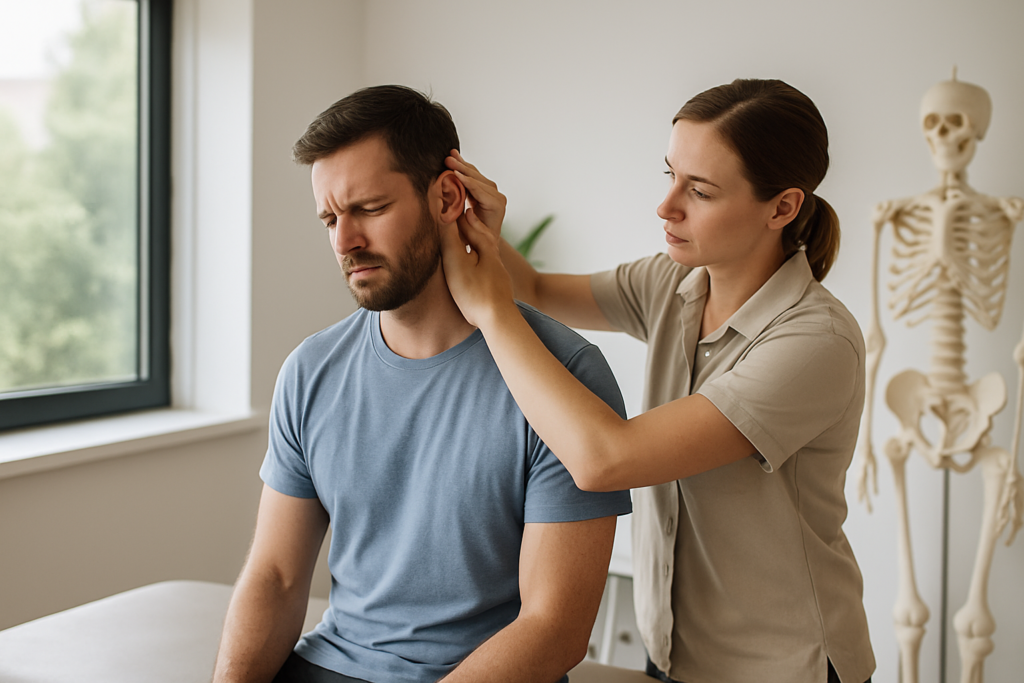
Hands-on care may be used to address joint restriction, muscle tension, and soft tissue tightness in the neck and upper back. The goal is to improve mobility and reduce irritation that may be contributing to abnormal sensory input.
Targeted exercises
Exercises may focus on deep neck flexor strength, upper back support, balance, and controlled head movement. Movement retraining is often an important part of recovery.
Activity modification
Reducing repetitive aggravating motions, taking breaks from prolonged sitting, and easing back into activity gradually can help prevent flare-ups.
Chiropractic and rehabilitative care
For some patients, chiropractic care for cervicogenic dizziness may be considered as part of a broader conservative plan that also includes mobility work, muscular support, postural guidance, and rehabilitation. The right approach depends on the individual, the nature of the symptoms, and whether the provider determines that care is appropriate after evaluation.
Because dizziness can have more than one cause, treatment should be personalized rather than based on a one-size-fits-all assumption.
What Recovery Can Look Like
Recovery depends on the underlying source of the neck dysfunction, how long symptoms have been present, and how consistently contributing habits are addressed. Some people improve as neck stiffness and muscular tension decrease. Others need a longer course of care and exercise to restore better neck function and confidence with movement.
Progress is often tied to practical habits, including:
- Maintaining better desk ergonomics
- Taking regular movement breaks
- Following prescribed home exercises
- Avoiding prolonged positions that aggravate the neck
- Managing stress-related muscle tension
- Getting re-evaluated if symptoms change or do not improve
It is also important to monitor whether dizziness is becoming less frequent, less intense, and less associated with normal head movement over time.
Practical Self-Observation Tips Before an Evaluation
If you are trying to make sense of recurring dizziness, paying attention to patterns can be helpful. Keep a brief log and note:
- Whether neck pain or stiffness is present when dizziness happens
- What head or neck movements trigger symptoms
- Whether computer work or driving makes it worse
- If headaches occur at the same time
- How long each episode lasts
- Whether symptoms improve with rest, posture changes, or gentle movement
This information may help a provider better understand whether the symptoms fit a neck-related pattern or suggest another cause.
Why Cedar Park Residents Should Not Ignore Persistent Neck-Related Dizziness
Persistent dizziness can affect concentration, work performance, exercise tolerance, driving confidence, and overall quality of life. Even when symptoms seem mild, they can lead to avoidance of movement and increased tension, which may create a cycle of worsening discomfort and instability.
For people in Cedar Park, TX, recognizing a possible connection between the cervical spine and dizziness can be an important step toward getting the right evaluation. If symptoms repeatedly appear with neck stiffness, postural strain, headaches, or reduced neck mobility, the neck may deserve closer attention.
Still, the key is not to assume. Dizziness is a symptom with many potential explanations, and identifying the real source matters.
Conclusion
Dizziness is not always an inner ear problem. In some cases, it may be related to dysfunction in the cervical spine, especially when it occurs with neck pain, stiffness, headaches, posture strain, or movement-related aggravation. These patterns are often associated with dizziness from neck pain and may fit the picture of cervicogenic dizziness.
Understanding the signs of neck-related vertigo symptoms can help you know when the neck might be involved, but a careful evaluation is still essential to rule out other causes. For those researching cervicogenic dizziness Cedar Park TX, the most helpful next step is to seek a professional assessment that looks at the full picture of your balance, neck function, and overall health. With the right guidance, many people are better able to identify the source of their symptoms and move toward a more stable, comfortable daily routine.