
A disc flareup can make an ordinary morning feel impossible. Getting out of bed, sitting through a meeting, lifting a child, or turning to check traffic may suddenly trigger sharp back pain, leg pain, numbness, or stiffness. Knowing how to manage disc flareups can help you calm the immediate symptoms without abandoning the progress you have made toward better movement and long-term recovery.
A flareup does not always mean you have caused new damage. Discs and the surrounding nerves can become highly sensitive after too much bending, twisting, sitting, lifting, or even an unexpected movement. The right response is usually not total bed rest or trying to push through severe pain. It is a measured plan that protects the irritated area, keeps your body moving safely, and gets the right clinical support when symptoms are not settling down.
Start by Recognizing When a Flareup Needs Urgent Care
Many disc-related symptoms can be managed conservatively, but some signs require prompt medical evaluation. Seek urgent care if you have new loss of bowel or bladder control, numbness in the groin or inner thighs, rapidly worsening leg weakness, trouble walking, fever with severe back pain, or significant pain after a major fall or accident.
Pain traveling into the buttock, thigh, calf, or foot can occur with disc irritation or sciatica, especially when a nerve root is inflamed or compressed. It deserves an assessment if it is severe, persistent, or accompanied by weakness or progressive numbness. A precise evaluation helps distinguish a temporary flareup from a problem that needs a different level of care.
How to Manage Disc Flareups in the First 48 Hours
The first goal is to reduce aggravation, not to become completely inactive. Long periods in bed can increase stiffness, decondition supporting muscles, and make it harder to return to normal movement. Instead, use brief periods of comfortable rest between gentle, frequent movement.
Avoid the motions that reliably reproduce sharp or radiating pain. For some people, that is repeated bending and sitting. For others, it may be standing upright for too long, twisting, or extending backward. The pattern matters. Pay attention to whether symptoms move farther down the leg, become more intense, or start to centralize closer to the back. Pain that retreats from the foot or calf toward the back is often a more favorable sign, though each case should be evaluated individually.
Try short, easy walks on level ground if walking does not worsen your symptoms. A few minutes every hour is often more tolerable than one long walk. When changing positions, move deliberately: roll to your side before getting out of bed, use your arms to push up, and keep your torso from twisting under load.
Cold or heat may provide temporary relief, depending on what feels better to you. Cold can be useful when the area feels acutely irritated after activity, while heat may help ease guarding and muscle tightness. Use either for short intervals with a protective layer between the source and your skin. These tools can make you more comfortable, but they do not replace the movement and rehabilitation work that supports lasting improvement.
Modify Daily Tasks Instead of Stopping Your Life
Disc flareups often worsen because a person returns to normal tasks using the same movement pattern that triggered the problem. Small adjustments can reduce strain while symptoms calm down.
When sitting, choose a supportive chair and avoid collapsing into a rounded posture for long stretches. Change positions regularly rather than searching for one “perfect” posture. If driving or working at a desk increases symptoms, take brief standing or walking breaks and adjust the seat so you are not reaching or twisting repeatedly.
For household chores, keep objects close to your body and avoid combining bending, lifting, and twisting. Use a hip hinge or squat when appropriate, and split heavier loads into smaller trips. If you need to pick up a child or move laundry, turn your whole body with your feet instead of rotating through your low back.
Sleep can be challenging during a flareup. Side sleeping with a pillow between the knees may reduce strain for some people, while others are more comfortable on their back with a pillow under the knees. The best position is the one that allows you to rest without increasing radiating symptoms.
Use Exercises Carefully, Not Aggressively
The internet is full of disc exercises, but the right movement is not the same for every person. A stretch that helps one type of back pain can aggravate another. For example, forceful hamstring stretching or repeated toe-touching may increase nerve irritation for someone whose symptoms are sensitive to flexion.
During an active flareup, focus on gentle movements that do not send pain farther down the leg or leave you significantly worse afterward. A clinician may recommend specific directional movements, nerve mobility work, breathing strategies, or controlled core activation based on your exam findings. The purpose is not to “pop a disc back in.” It is to improve tolerance to movement, reduce protective muscle guarding, and restore the strength and coordination that support your spine.
As symptoms settle, rehabilitation should progress beyond temporary pain relief. A complete plan may include hip mobility, core endurance, glute strength, lifting mechanics, balance, and a gradual return to work, sports, or family activities. This is where many people prevent the next flareup rather than simply waiting for the current one to pass.
Understand Why Flareups Keep Returning
A disc flareup may follow one obvious event, such as lifting a heavy box. More often, it is the result of accumulated stress. Weeks of long commutes, poor sleep, reduced exercise, awkward work positions, increased training volume, or repeated bending can lower your body’s capacity before one minor movement becomes the final trigger.
That does not mean you need to avoid activity forever. In fact, fear-driven avoidance can make the back less resilient over time. The more productive approach is to identify your current tolerance and build it gradually. If a 30-minute car ride causes symptoms, for example, the answer may be strategic breaks, seat adjustments, and progressive conditioning – not giving up driving altogether.
Age-related disc changes are also common, and imaging findings do not always explain the intensity of pain. An MRI can be useful in certain situations, particularly when symptoms are severe or neurological deficits are present, but treatment should be guided by your symptoms, function, and physical examination rather than an image alone.
Get a Personalized Plan for Persistent Symptoms
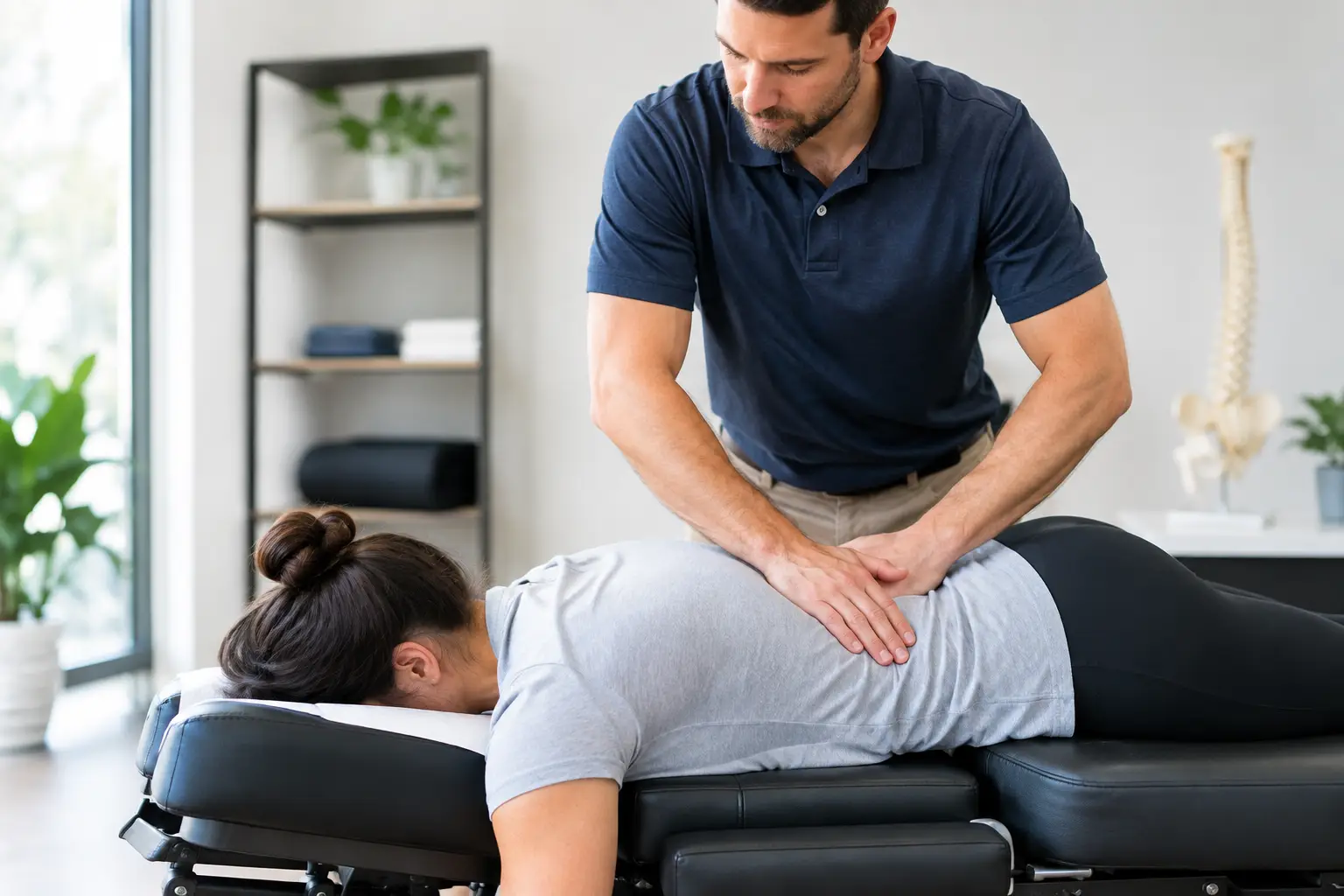
If your flareup is not improving, keeps returning, or is limiting work and daily life, a conservative musculoskeletal evaluation can clarify what is driving the symptoms. At Bell District Spine and Rehab, care may combine chiropractic adjustments when appropriate, spinal decompression, soft tissue techniques, movement analysis, and structured rehabilitation. The goal is to reduce pain while improving the mobility, strength, and movement habits that make daily activity feel safer again.
Not every disc condition needs the same treatment. Someone with acute leg pain may need a different approach than an active adult with recurring low back stiffness or an older adult managing degenerative changes. A personalized plan also accounts for your job demands, exercise goals, prior injuries, and response to care.
Medication or injection-based care may be appropriate in some cases and should be discussed with your medical provider. Conservative care is not about ignoring severe symptoms. It is about using the least invasive effective approach when it is clinically appropriate, while recognizing when referral or co-management is needed.
A Flareup Is a Signal, Not a Verdict
Disc pain can be discouraging, especially when you had begun to feel better. But a flareup is not proof that your back is fragile or that you are back at square one. Treat the irritated period with respect, avoid the movements that clearly aggravate it, keep moving within tolerance, and get help if symptoms are severe or not improving.
With the right progression, most people can return to the work, exercise, and family routines that matter to them with more confidence and better tools for handling the next challenging day.