
A sore tendon can make ordinary movement feel surprisingly difficult. The first few steps in the morning may hurt at the back of the heel, lifting a coffee mug may trigger elbow pain, or a familiar run may become impossible. Knowing how to heal tendon pain starts with one critical shift: tendons usually do not respond well to complete rest or to repeatedly pushing through sharp pain. They need the right amount of movement, progressed at the right pace.
Tendon pain can affect the Achilles, patellar tendon below the kneecap, rotator cuff, elbow, hip, wrist, or other areas where muscle attaches to bone. Although the location differs, the recovery principle is similar. Reduce the irritation, restore the tendon’s capacity to handle load, and correct the movement or training factors that caused the problem to persist.
Why tendon pain often lingers
Tendons are built to transfer force. They help you walk uphill, climb stairs, grip a tool, lift a child, swing a racket, and rise from a chair. When their workload increases faster than their capacity to adapt, they can become painful and sensitive.
That workload change is not always obvious. It may be a sudden jump in running mileage, a new job that requires repeated lifting, a weekend of yard work, returning to exercise after time off, or an altered gait from back, hip, knee, or ankle stiffness. Age, poor recovery, certain medications, metabolic conditions, and previous injuries can also affect tendon health.
Many people get stuck in a frustrating cycle. They rest until the pain settles, return immediately to their previous activity level, and flare it up again. Others keep training through escalating pain because they do not want to lose progress. Neither extreme gives the tendon a consistent opportunity to rebuild tolerance.
How to heal tendon pain with smart loading
The goal is not to make the tendon do nothing. The goal is to give it a manageable challenge. This is often called load management, and it is the foundation of effective tendon rehabilitation.
Start by identifying the activities that reliably aggravate symptoms. For an Achilles tendon, that may be hills, sprinting, jumping, or long walks. For tennis elbow, it may be gripping, lifting a pan, typing with a tense wrist, or repetitive tool use. You may need to reduce the frequency, intensity, duration, or range of that activity temporarily. You do not necessarily need to stop all movement.
A useful guideline is to monitor both pain during activity and your response the following day. Mild discomfort that stays stable and returns to baseline by the next morning can be acceptable during a progressive rehab program. Sharp pain, limping, swelling, loss of strength, or pain that is clearly worse the next day usually means the load was too high.
Early exercises often use slow, controlled holds or movements that target the affected muscle-tendon unit. As symptoms improve, rehabilitation generally progresses to heavier resistance, then more functional tasks such as step-downs, carries, jogging, hopping, or sport-specific drills. The exact sequence depends on the tendon involved and the demands you need to return to.
This is why generic internet exercises can fall short. A runner with Achilles pain, a warehouse employee with elbow pain, and an older adult with knee tendon pain may all need different starting points, even if their diagnosis sounds similar.
Pain relief is helpful, but capacity is the real goal
Ice, heat, braces, supportive shoes, and activity modification can help make tendon pain more tolerable. These tools can be useful, especially during an early flare-up, but they do not replace strengthening and movement retraining.
Anti-inflammatory medication may be appropriate for some people, but it is not the only path to relief and may not address the mechanical factors behind recurring symptoms. A conservative treatment plan should focus on what the tendon can gradually do again: walk, lift, reach, climb, work, exercise, or play without fear of the next flare-up.
Address the movement problem behind the pain
The painful tendon is not always the only area that needs attention. Limited ankle motion can increase strain on the Achilles. Weak hip control or poor landing mechanics can contribute to knee tendon irritation. Shoulder blade weakness, neck stiffness, or repetitive workstation posture may add stress to the elbow and shoulder.
A thorough movement assessment looks beyond the spot that hurts. It can identify compensations, strength deficits, joint restrictions, and training errors that keep placing excessive demand on the tendon. This does not mean every tendon problem comes from a spinal issue or a single misalignment. It means the body works as a connected system, and durable recovery often requires looking at how you move as a whole.
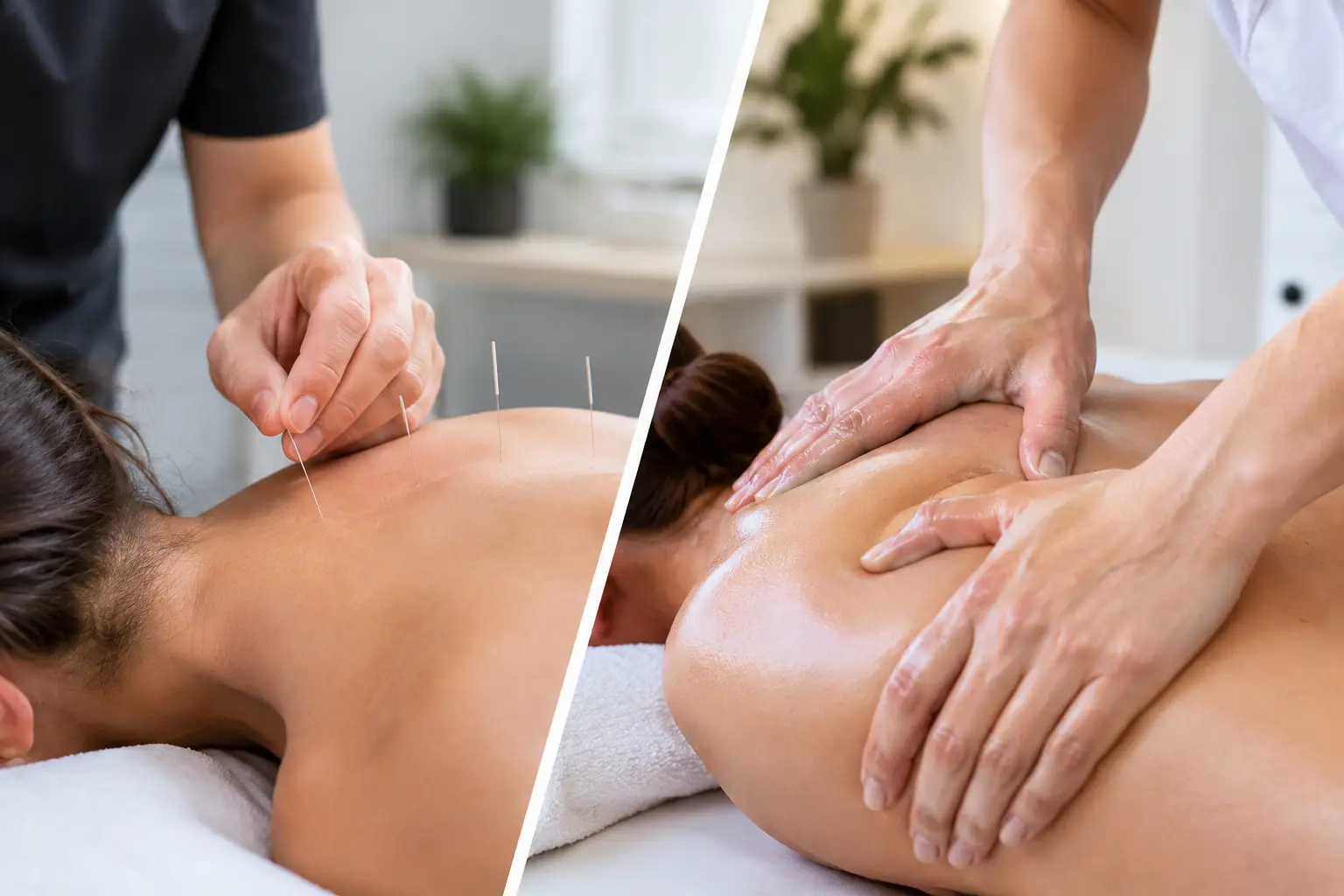
At Bell District Spine and Rehab, conservative tendon care may combine hands-on treatment, soft tissue techniques, chiropractic care when joint restrictions are contributing to poor movement, and a structured rehab plan. Advanced options such as shockwave therapy, laser therapy, functional dry needling, or targeted decompression may be considered when clinically appropriate. These treatments are most valuable when they support an active rehabilitation strategy rather than serve as a stand-alone fix.
Give tendon recovery enough time
Tendon recovery rarely follows a straight line. Symptoms may improve for a week, then become mildly irritated after a longer day on your feet or an overly ambitious workout. That does not automatically mean you have reinjured the area. It may mean the tendon was asked to do more than it was ready for.
For many cases, meaningful improvement takes weeks, and return to higher-impact activity can take several months. The timeline depends on the severity and duration of symptoms, the tendon involved, your health history, and how consistently you can follow a progressive plan. A tendon that has been painful for six months usually requires more patience than one irritated after a single unusual activity.
Consistency matters more than dramatic treatment sessions. Short, well-planned strength work performed regularly is usually more productive than a hard workout followed by a week of rest. Sleep, adequate protein, general fitness, and realistic activity progression also support the recovery process.
Common mistakes that delay healing
The most common mistake is waiting for zero pain before beginning any rehabilitation. Complete rest can reduce symptoms briefly, but it may also leave the tendon less prepared for daily demands when you resume activity.
Another mistake is stretching aggressively into tendon pain. Tightness can be part of the picture, but tendons are not always improved by forceful stretching, especially when they are highly irritated. The right mobility work depends on the location and stage of the condition.
It is also easy to focus only on passive care. Massage, adjustments, and therapeutic technologies may provide relief and improve movement, but long-term change requires an active plan. Your tendon needs gradual exposure to the forces it must handle in real life.
Finally, do not judge progress only by how it feels at rest. A better marker is function. Can you walk farther, climb stairs more comfortably, carry more, return to your workout with less next-day soreness, or complete your workday with fewer symptoms? Those changes show capacity is improving.
When tendon pain needs prompt evaluation
Not every painful tendon is a routine overuse problem. Seek prompt medical evaluation if you felt a pop, have sudden bruising or significant swelling, cannot bear weight or use the limb normally, notice a visible change in muscle shape, or have numbness, fever, redness, or warmth around the area.
Persistent pain also deserves professional attention. If symptoms have not improved after a few weeks of sensible activity changes, keep recurring, or interfere with work, sleep, exercise, or daily responsibilities, an individualized exam can clarify what is driving the problem. Conditions such as tendon tears, joint injuries, nerve irritation, stress fractures, inflammatory disorders, and referred pain can sometimes resemble tendon pain.
The right plan should meet you where you are now, whether that means getting through a full shift without limping, returning to pickleball, lifting your grandchild, or training for your next race. Tendons can adapt remarkably well when they are given patient, progressive guidance – and every comfortable step, lift, and movement is a practical sign that recovery is moving forward.