
From Chronic Pain to Relief: Your Guide to Migraine Treatment
A migraine is a thief. It steals your time, your productivity, and your ability to enjoy simple moments with family and friends. If you suffer from them, you know that a migraine is far more than just a “bad headache.” It is a complex neurological condition that can leave you incapacitated for hours, or even days.
For millions of people, navigating life with chronic migraines means constantly scanning for triggers, carrying emergency medication, and often canceling plans at the last minute. The unpredictability creates a cycle of anxiety that only adds to the physical burden. However, living with migraines doesn’t mean you have to accept suffering as your baseline.
Understanding the mechanics of a migraine is the first step toward reclaiming control. By recognizing the warning signs, identifying what sets them off, and exploring a full spectrum of treatments—from conventional medicine to holistic approaches like chiropractic care—you can significantly reduce their frequency and intensity. This guide explores practical strategies for relief, including specialized migraine treatment options at Bell District Spine and Rehab.
Decoding Migraine Symptoms
One of the most frustrating aspects of migraines is how differently they present in different people. While a tension headache usually feels like a tight band around the forehead, a migraine is a distinct neurological event. Recognizing the specific phases and symptoms can help you take action before the pain becomes unmanageable.
The Warning Phase (Prodrome and Aura)
For many, the first sign of trouble isn’t pain at all. It might be a sudden shift in mood, uncontrollable yawning, or a stiff neck. This is the prodrome phase. About one-third of sufferers also experience an “aura”—visual disturbances like flashing lights, zigzag lines, or temporary vision loss. These warning signs are your cue to start your treatment protocol immediately.
The Attack Phase
Once the headache hits, it is often characterized by a throbbing or pulsing sensation, usually on one side of the head. This phase can last anywhere from 4 to 72 hours if left untreated. Accompanied by nausea and extreme sensitivity to light and sound, the attack phase often forces sufferers to retreat to a dark, quiet room until the storm passes.
The Postdrome Phase
Often called the “migraine hangover,” this final phase leaves you feeling drained and confused. Even after the pain subsides, your body needs time to recover from the neurological trauma, leaving you fatigued and mentally foggy for another day or so.
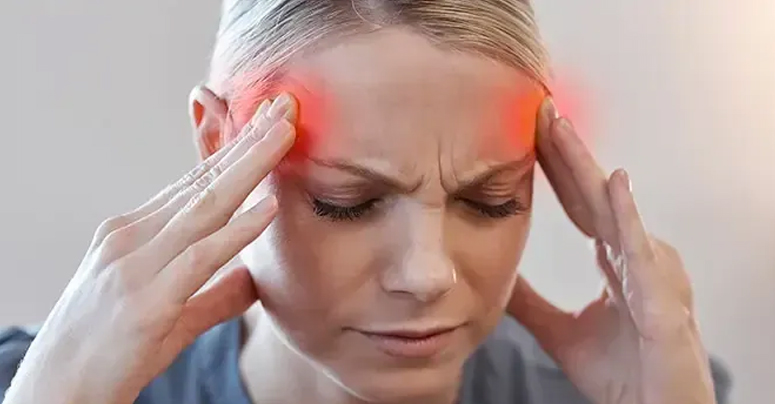
Identifying Migraine Triggers
The causes of migraines are not fully understood, but genetics and environmental factors play a significant role. Identifying your personal triggers is one of the most effective ways to prevent attacks. While everyone is different, several common culprits tend to set off the chain reaction.
hormonal Changes
Fluctuations in estrogen seem to trigger headaches in many women. Women with a history of migraines often report headaches immediately before or during their periods, when they have a major drop in estrogen.
Dietary Factors
Certain foods and drinks are notorious triggers. Aged cheeses, salty foods, and processed foods may trigger migraines. skipping meals or fasting can also trigger attacks. Alcohol, particularly wine, and highly caffeinated beverages may also trigger migraines.
Stress and Sensory Overload
Stress at work or home can cause migraines. But curiously, the “let-down” after a stressful period can also trigger one. Sensory stimuli are also major factors; bright lights and sun glare can induce migraines, as can loud sounds. Strong smells—including perfume, paint thinner, secondhand smoke, and others—can trigger migraines in some people.
Weather Changes
A change in weather or barometric pressure can prompt migraines. Sudden shifts, such as an approaching storm front, often exacerbate symptoms. If you notice throbbing pain coinciding with these changes, it may indicate sensitivity to pressure fluctuations. Monitoring weather patterns can help predict and possibly manage these weather-related triggers effectively.
Exploring Conventional Migraine Treatments
When lifestyle adjustments aren’t enough, medical intervention is often the next step. Conventional medicine offers two main approaches: relieving pain during an attack and preventing attacks from happening.
- Pain-relieving medications: Also known as acute or abortive treatment, these drugs are taken during migraine attacks and are designed to stop symptoms. They include over-the-counter pain relievers like ibuprofen or aspirin, as well as prescription drugs like triptans, which block pain pathways in the brain.
- Preventive medications: You might take these regularly, often daily, to reduce the severity or frequency of migraines. Options include blood pressure-lowering medications, antidepressants, and anti-seizure drugs. Botox injections are also used for chronic migraines to help block pain transmission.
However, many sufferers find that medication either doesn’t provide complete relief or comes with unwanted side effects like drowsiness, fatigue, or nausea. This has led many to seek out complementary and integrative therapies.
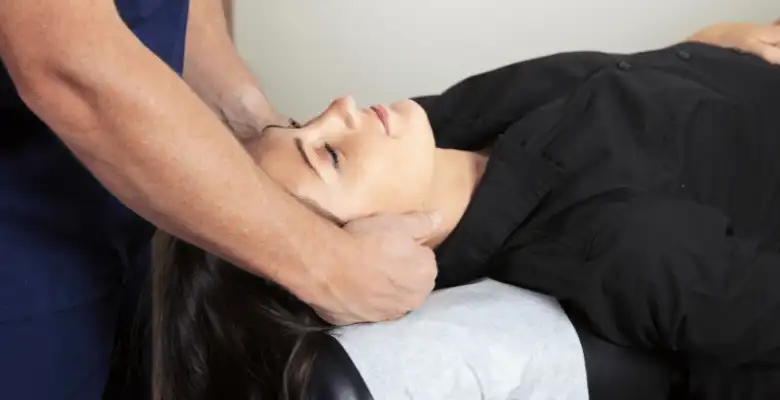
Chiropractic Care: A Gentle Approach to Migraine Relief
While medication can be effective, many sufferers are wary of the side effects or simply want to address the root cause rather than masking symptoms. This is where chiropractic care serves as a powerful, non-invasive alternative or complement to traditional medicine.
The connection between the spine and the nervous system is central to understanding how chiropractic care helps migraines. Misalignments in the spine, particularly in the upper cervical spine (the neck), can create tension and irritate the nerves that travel to the head. This physical stress can be a significant contributor to tension headaches and migraines.
Spinal Manipulation
Chiropractors use spinal manipulation or adjustments to improve spinal function and alleviate the stress on your system. By gently realigning the vertebrae in the neck and spine, chiropractors can reduce the nerve irritation that precipitates a migraine. Research suggests that chiropractic adjustments can help decrease the frequency and intensity of migraines.
Soft Tissue Therapy
Chiropractors often incorporate soft tissue therapies such as massage and trigger point therapy. By working on the muscles of the neck, upper back, and shoulders, they can release tension knots that often refer pain to the head. This helps improve blood flow and reduce the physical stress that triggers headache episodes.
Lifestyle and Ergonomic Advice
A holistic chiropractic approach goes beyond the adjustment. Chiropractors can assess your posture, workstation ergonomics, and sleeping habits to identify physical stressors. They can prescribe specific exercises to strengthen the neck muscles and improve posture, reducing the likelihood of tension-induced migraines.
Bell District Spine and Rehab: Your Partner in Migraine Relief
If you are looking for a holistic approach to managing your pain, Bell District Spine and Rehab offers specialized care tailored to migraine sufferers.
The team at Bell District Spine and Rehab understands that no two migraine sufferers are alike. Their approach begins with a thorough evaluation to understand your medical history, your specific symptoms, and your lifestyle triggers. They don’t just treat the pain; they look for the structural and functional issues that may be causing it.
Specialized Chiropractic Care
At Bell District Spine and Rehab, the focus is on evidence-based chiropractic techniques. Their practitioners are skilled in gentle spinal adjustments designed to restore proper alignment to the cervical spine, reducing the nerve interference that is so often the culprit in chronic headaches.
Rehabilitation and Therapy
Beyond adjustments, the clinic integrates rehabilitation exercises. Strengthening the supporting muscles of the spine is crucial for long-term relief. By combining chiropractic care with targeted rehab, they help patients build resilience against future attacks.
Dry Needling and Soft Tissue Work
For stubborn tension and trigger points, Bell District Spine and Rehab utilizes techniques like dry needling. This therapy involves inserting thin needles into trigger points or tight muscles to stimulate a healing response and reduce muscle pain, offering relief for those whose migraines are exacerbated by muscular tension.

Finding Migraine Treatment Near Me
When you are in the throes of chronic pain, the logistics of finding care can feel overwhelming. However, finding the right local provider is essential for consistent, effective treatment. Here are tips for conducting your search for “migraine treatment near me.”
Check Credentials and Specializations
Not all medical providers or chiropractors specialize in headaches. When reviewing local clinics, look for providers who specifically list migraine and headache management as a core service. Check for certifications or advanced training in neurology or pain management.
Read Patient Reviews
Patient testimonials offer a glimpse into the real-world experience of the clinic. Look for reviews that specifically mention migraines. Did the provider listen? Was the treatment effective? Was the environment conducive to healing? High ratings on Google or health-specific review sites are usually a good indicator of quality care.
Evaluate the Holistic Approach
Migraines are multifaceted. The best clinics will offer more than just a single modality. Look for clinics that combine chiropractic care with physical therapy, nutritional advice, and lifestyle counseling. A multidisciplinary approach often yields the best results.
Accessibility and Convenience
Consistent care is key to prevention. Choose a clinic that is geographically convenient to your home or work. Check their hours of operation—do they offer early morning or evening appointments that fit your schedule?
Consultation Availability
Many reputable clinics, including Bell District Spine and Rehab, may offer initial consultations. This is a low-risk way to meet the doctor, discuss your history, and see if their approach resonates with you before committing to a treatment plan.
Embracing a Migraine-Free Life
Living with chronic migraines can feel isolating, but you do not have to accept pain as your baseline. From identifying your unique triggers to exploring the benefits of chiropractic adjustments, you have options. The path to relief is rarely a straight line, but with the right team in your corner, fewer headache days are possible.
If you are ready to explore a drug-free, non-invasive approach to managing your condition, reach out to the professionals at Bell District Spine and Rehab. Take control of your health today and start looking forward to clear, pain-free days ahead.
Bell District Spine and Rehab
https://maps.app.goo.gl/2wpTDPRtQbQuzcEZ8
930 S Bell Blvd STE 103, Cedar Park, TX 78613
(512) 960-1650
https://belldistrictspineandrehab.com/