That first sharp step out of bed can make a normal morning feel like a challenge. If you are wondering how to relieve plantar fasciitis, the answer usually involves more than simply resting until the pain fades. Plantar fasciitis responds best to a consistent plan that reduces strain on the heel, restores foot and ankle mobility, and addresses the movement habits that may be keeping the tissue irritated.
Plantar fasciitis is one of the most common causes of heel pain. The plantar fascia is a thick band of connective tissue along the bottom of your foot. It supports the arch and helps transfer force as you walk, run, climb stairs, or stand for long periods. When that tissue is overloaded, it can become painful and sensitive, particularly where it attaches near the heel.
Recognize the Pattern of Plantar Fasciitis
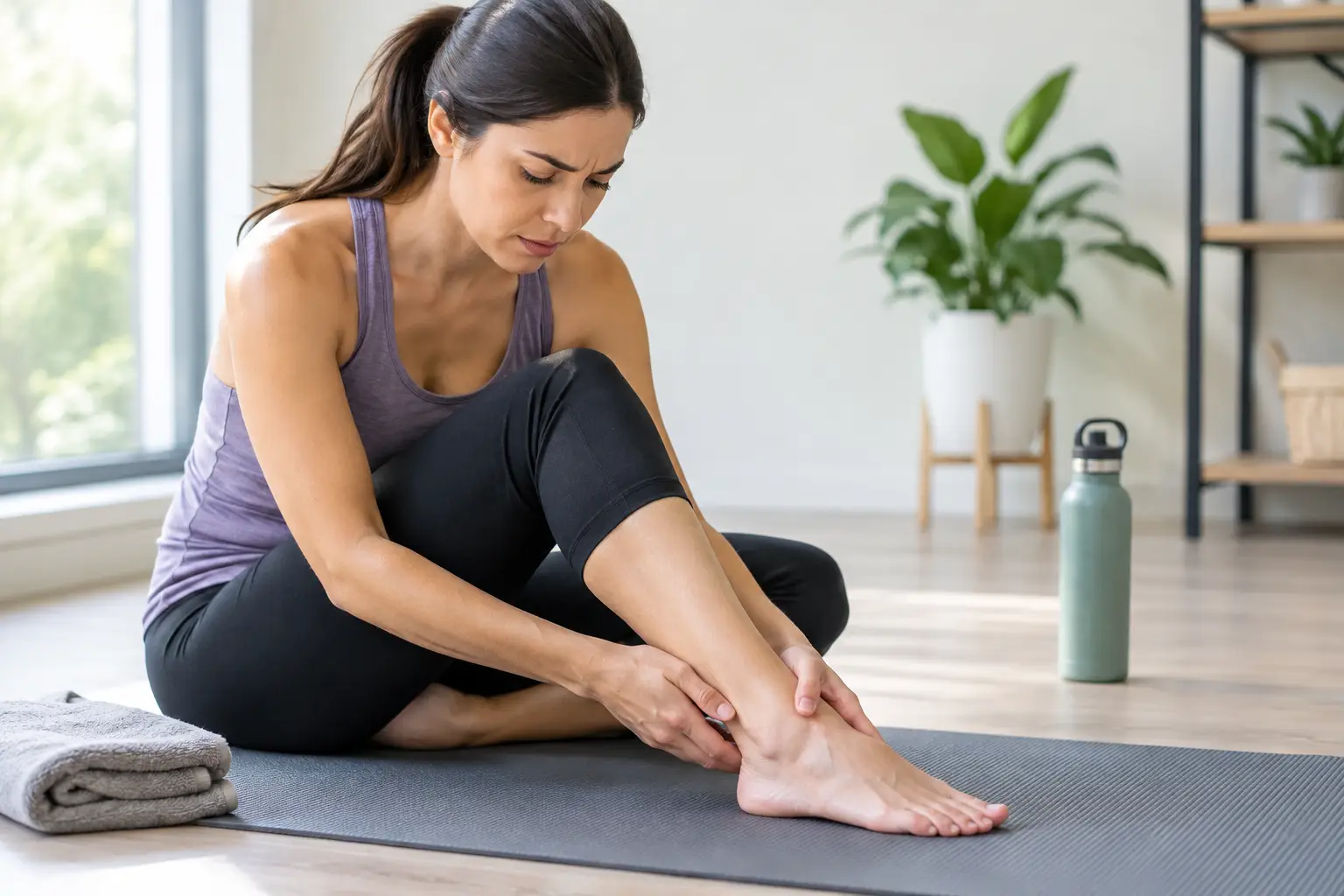
Plantar fasciitis often causes stabbing or aching pain at the bottom of the heel. The discomfort is commonly worst with the first few steps after sleeping, sitting, or driving. It may ease as you move around, then return after a long day on your feet.
Pain can develop after a jump in activity, such as starting a walking program, training for a race, working longer shifts, or spending a weekend on your feet. It can also build gradually. Tight calves, limited ankle motion, high-impact exercise, worn-out shoes, weak foot muscles, and changes in body weight can all increase the load on the plantar fascia.
Not every heel pain problem is plantar fasciitis. Nerve irritation, stress injuries, arthritis, Achilles tendon conditions, and other issues can create similar symptoms. A proper evaluation matters when pain is persistent, severe, or affecting how you walk.
Start by Reducing the Daily Irritation
Complete inactivity is rarely necessary, but repeatedly pushing through sharp heel pain can prolong recovery. For a few weeks, reduce the activities that clearly trigger symptoms, especially running, jumping, hill workouts, or long walks on hard surfaces. Choose lower-impact options such as cycling, swimming, or strength training that does not aggravate your foot.
Avoid walking barefoot on tile, hardwood, or concrete while your heel is irritated. Supportive shoes or recovery sandals are often more comfortable around the house. If your work requires standing, short movement breaks and a cushioned, supportive shoe can make a meaningful difference by the end of the day.
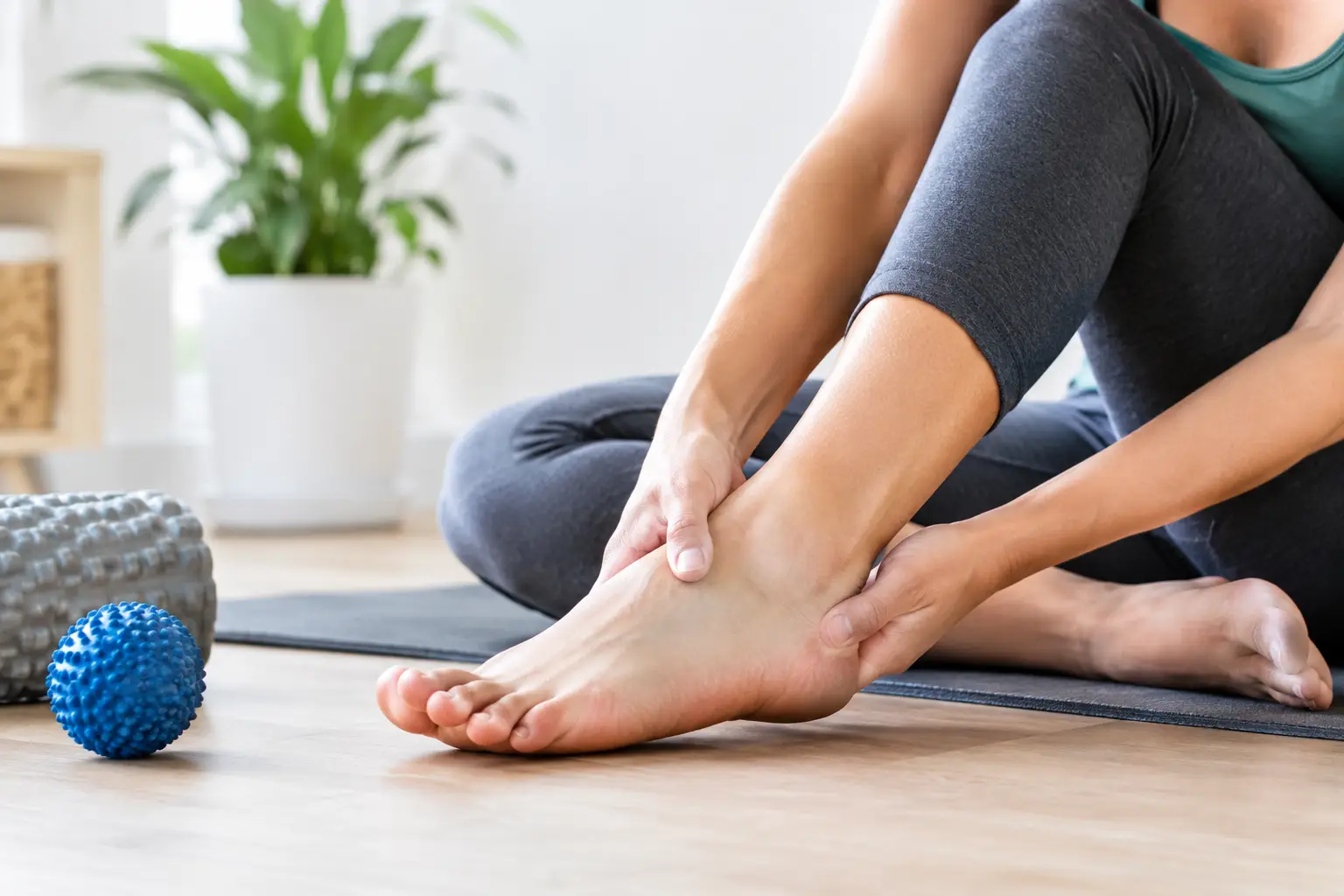
Cold therapy can help settle soreness after activity. Try rolling the sole of your foot gently over a cold water bottle for several minutes, or use a covered ice pack on the painful heel area. Cold may reduce discomfort, but it does not correct the underlying loading problem. Think of it as symptom management, not the entire treatment plan.
Improve Footwear and Support
Footwear is one of the most practical ways to relieve plantar fasciitis. A helpful shoe generally has a stable heel counter, cushioning that does not feel flattened, and support through the midfoot. Very flexible, worn-down shoes may allow the foot to work harder with every step.
There is no single best shoe for every foot. Some people do well with a modest heel-to-toe drop and cushioning, while others need more room through the toe box or additional arch support. The right choice should feel comfortable during walking, not just while standing in the store.
Over-the-counter heel cups or arch supports may reduce strain by improving comfort and distributing pressure. They are not a cure, and an insert that creates more pain is not the right fit. A clinician can help determine whether an off-the-shelf option is reasonable or whether your foot mechanics call for a more individualized approach.
Use Gentle Stretching and Targeted Strengthening
Stretching can help, especially when calf tightness or limited ankle mobility is contributing to heel strain. It should feel like a mild pull, not a sharp increase in pain. Consistency matters more than forcing a deep stretch.
Try a plantar fascia stretch before your first steps
Before getting out of bed, sit with the affected foot crossed over the opposite knee. Pull your toes gently back toward your shin until you feel tension through the arch. Massage the band of tissue along the bottom of the foot with your thumb for 30 to 60 seconds. This can make the first steps of the day more tolerable.
Stretch the calf with the knee straight and bent
A straight-knee wall stretch targets the larger calf muscle, while a bent-knee version reaches deeper muscles that also influence ankle motion. Hold each stretch for 20 to 30 seconds, repeating it a few times on each side. Do not bounce or push into intense pain.
Build strength where it counts
The foot, calf, hips, and core all help control the forces that reach the plantar fascia. Simple exercises such as controlled calf raises, towel scrunches, short-foot arch holds, and balance work can be useful when introduced at the right time. If a movement produces lingering heel pain, reduce the range, repetitions, or resistance rather than abandoning rehabilitation altogether.
A common mistake is stretching without strengthening. Flexibility may offer temporary relief, but your foot also needs the capacity to handle walking, work, exercise, and the activities that matter to you.
Look Beyond the Foot
Heel pain is local, but the cause is not always limited to the heel. Limited ankle motion can force the foot to compensate. Weakness or poor control at the hip can change how the leg tracks during walking and running. Previous ankle sprains, knee pain, low back problems, and changes in gait may all influence how load moves through the foot.
This is why a movement assessment can be valuable for recurring plantar fasciitis. Instead of only treating the sore spot, a clinician can evaluate walking mechanics, ankle mobility, calf flexibility, foot control, and contributing imbalances. The goal is to help you return to activity with better mechanics and more confidence, not just get through the next painful morning.
When Professional Care Can Help
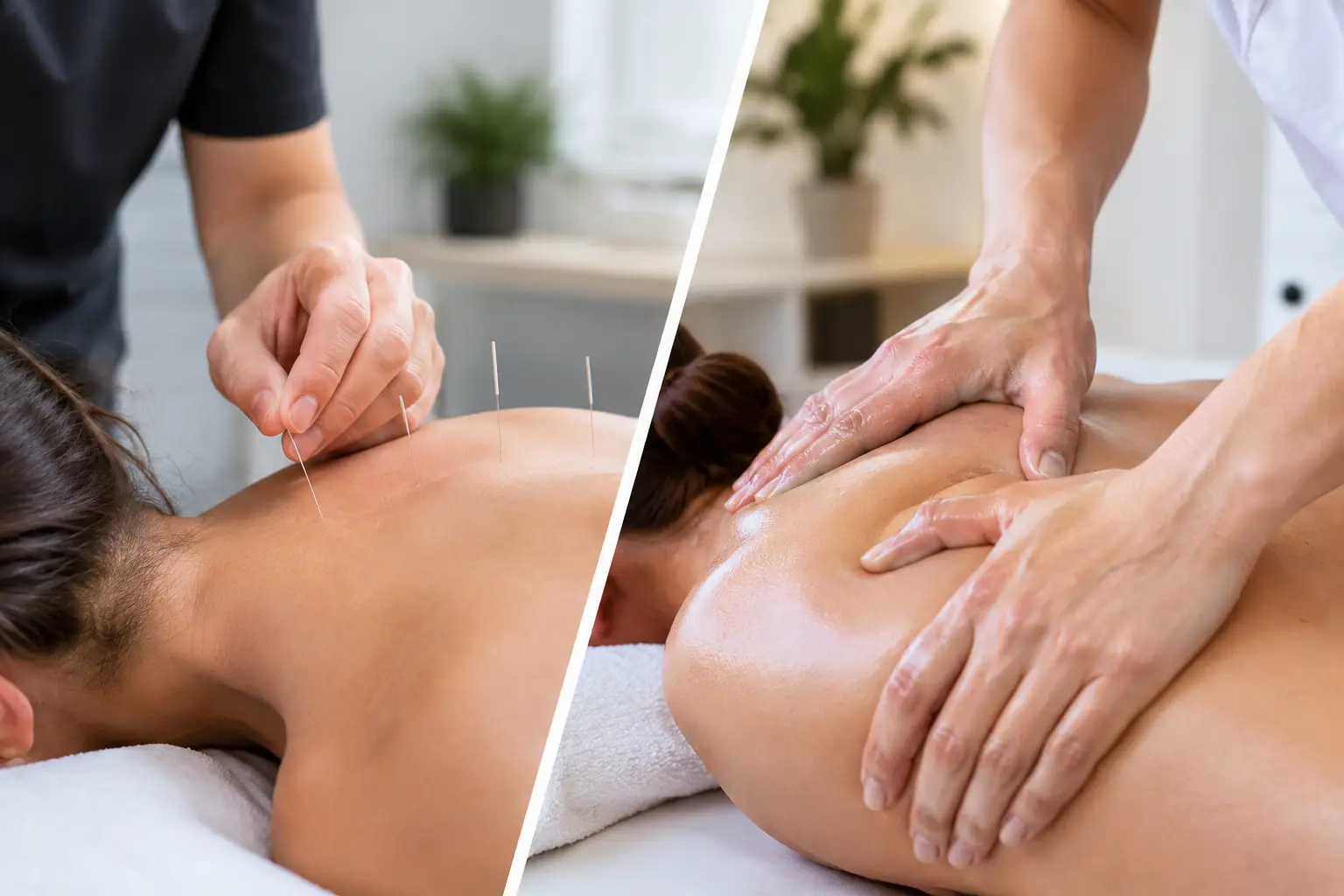
If home strategies are not improving symptoms after a few weeks, or the pain keeps returning as soon as you become active, it is time for a more structured plan. Conservative care may include hands-on soft tissue techniques, mobility work, progressive rehabilitation, and therapies designed to reduce pain while supporting tissue recovery.
At Bell District Spine and Rehab, plantar fasciitis care can be tailored to the person rather than based on a one-size-fits-all protocol. Depending on your exam findings, care may include movement analysis, chiropractic and manual treatment to improve lower-body mechanics, soft tissue work, targeted rehabilitation, laser therapy, or shockwave therapy. These non-invasive options are intended to support healing and restore functional movement without relying on heavy medication or surgery.
Shockwave therapy is not appropriate for every patient, but it can be considered for stubborn cases that have not responded to basic measures. Rehabilitation still matters. Advanced treatment works best when paired with a realistic plan for footwear, activity progression, mobility, and strength.
Know When Heel Pain Needs Prompt Evaluation
Seek prompt medical evaluation if you cannot bear weight, have major swelling or bruising, notice redness and warmth with fever, experience numbness or burning, or feel a sudden pop in the foot or calf. People with diabetes, poor circulation, inflammatory arthritis, or a history of stress fractures should not ignore new foot pain.
Persistent heel pain also deserves attention when it changes your gait. Limping to avoid pain can shift stress into the knee, hip, or low back and create a larger problem over time.
Return to Activity Gradually
As symptoms improve, do not go from minimal activity back to your previous routine overnight. Increase walking distance, running volume, standing time, or sport-specific drills gradually. A mild ache that settles quickly may be manageable; sharp pain, pain that worsens during activity, or next-morning pain that is noticeably worse are signs that the load was too much.
Recovery timelines vary. Some people feel meaningful improvement in several weeks, while longer-standing cases may require a few months of consistent care. The most reliable progress comes from addressing both the irritated tissue and the reasons it was overloaded in the first place.
Your heel should not dictate every step of your day. With the right combination of support, progressive movement, and personalized conservative care, plantar fasciitis can become a problem you actively move beyond rather than simply learn to tolerate.