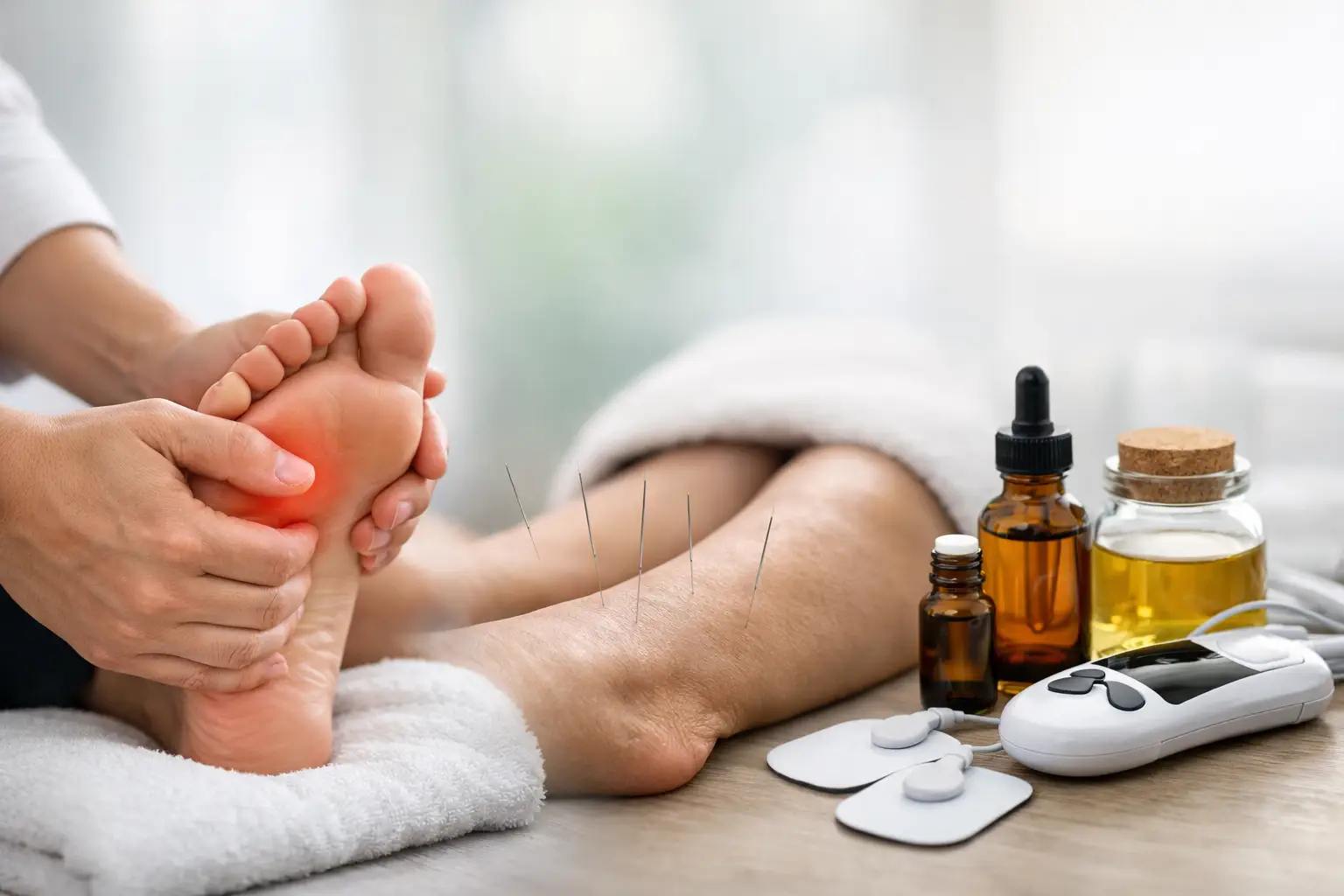
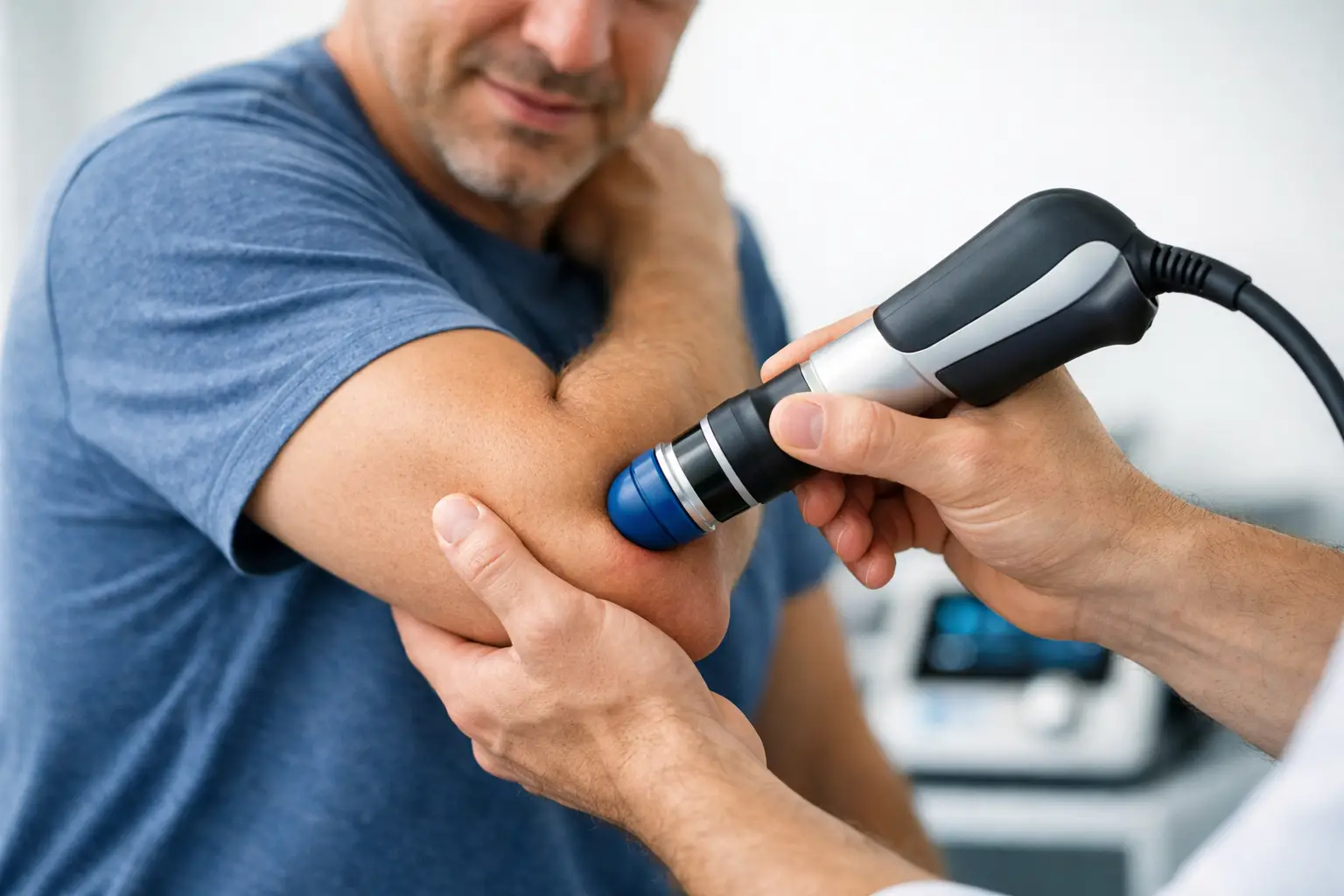
A treatment device that delivers sound waves to a painful area can sound intimidating, especially when you are already dealing with heel pain, a stubborn tendon injury, or limited movement. So, does shockwave therapy hurt? Most patients describe it as a brief period of pressure, tapping, or intense pulsing rather than sharp pain. The sensation can be uncomfortable in a tender area, but treatment is adjusted to your tolerance and is typically over within minutes.
Shockwave therapy is designed to support the body’s healing response in damaged or chronically irritated soft tissue. For many people in Cedar Park, Austin, Leander, and Round Rock who want an option beyond medication or surgery, understanding what the appointment feels like makes the decision much easier.
Does Shockwave Therapy Hurt During Treatment?
It can cause temporary discomfort, particularly at the beginning of a session or when the applicator reaches the most irritated part of the tissue. That response is not unusual. Conditions such as plantar fasciitis, Achilles tendinopathy, tennis elbow, shoulder tendinopathy, and certain chronic muscle injuries often involve tissue that is already sensitive.
The feeling is commonly compared to rapid taps, firm pressure, or a deep vibration. Some areas are naturally more sensitive than others. The bottom of the foot, around the elbow, and near certain bony areas may feel stronger than treatment over a larger muscle group.
The key distinction is that shockwave therapy should be tolerable. A provider can begin at a lower intensity and gradually adjust the setting based on your feedback. You should speak up if the sensation becomes too intense. Effective care does not require you to endure severe pain.
Why the Sensation Varies From Person to Person
There is no single answer that applies to every injury. Your comfort level may depend on how inflamed the area is, how long you have had symptoms, the location being treated, and your individual pain sensitivity. A fresh, highly irritated injury may react differently than a chronic issue that has lingered for months.
The type and location of tissue matter as well. Tendons and their attachment points can be particularly tender. If you have been compensating for pain by walking differently, avoiding certain movements, or overusing nearby muscles, those surrounding structures may also be sensitive.
An experienced clinician does more than turn on a machine. They assess your condition, identify the appropriate treatment area, monitor your response, and integrate the therapy into a broader care plan. At Bell District Spine and Rehab, shockwave therapy may be paired with chiropractic care, soft tissue treatment, movement correction, or rehabilitation exercises when those approaches fit the underlying problem.
What Happens After a Shockwave Therapy Session?
Many patients return to their usual routine immediately after treatment. The treated area may feel mildly sore, warm, tingly, or tender for a day or two. This can resemble the feeling after a focused workout or deep tissue treatment. Some people notice no soreness at all.
A short-term increase in symptoms can occasionally occur, especially when treatment targets long-standing tendon pain. That does not automatically mean the therapy has caused harm. The body is responding to stimulation in an area that has been irritated or underperforming. Still, any worsening pain that is severe, persistent, or concerning should be discussed with your provider promptly.
Your clinician may recommend temporary adjustments to high-impact exercise depending on the condition being treated. For example, a runner with Achilles pain may need to modify mileage while the tendon is being rehabilitated. That is not a setback. It gives the tissue an opportunity to respond while you continue building strength and movement capacity in a more controlled way.
How Providers Help Make Treatment More Comfortable
Comfort starts with a proper evaluation. Shockwave therapy is not the right first step for every type of pain, and the best treatment plan depends on the diagnosis, your health history, and your functional goals. If your pain is coming from a joint restriction, nerve irritation, a disc issue, poor movement mechanics, or a more serious injury, the plan may need to include other forms of care.
During treatment, communication matters. The provider can adjust the intensity, frequency, treatment location, and duration to keep the session productive without pushing beyond a reasonable tolerance. Starting conservatively is often appropriate for a very tender area or for someone who is understandably nervous about treatment.
You can also help by arriving ready to describe your symptoms clearly. Share what movements aggravate the issue, whether the pain is sharp or dull, how long it has been present, and what treatments you have already tried. This information helps guide a plan that is specific to your body rather than a one-size-fits-all protocol.
Is Some Discomfort Necessary for Results?
No. More discomfort does not always mean better results. The goal is to deliver an appropriate dose of treatment to encourage recovery while respecting the condition of the tissue and your ability to tolerate treatment.
Shockwave therapy is often used for persistent musculoskeletal pain because it may help stimulate circulation and cellular activity in targeted tissues. However, results also depend on what happens between appointments. If a tendon problem is being driven by poor loading patterns, weak supporting muscles, limited ankle mobility, or repetitive strain at work, those factors need attention too.
That is why active rehabilitation is so valuable. Targeted exercises can improve strength, flexibility, control, and confidence with movement. For many patients, the best outcome comes from combining symptom-focused therapy with a clear plan to correct the movement or workload that contributed to the problem.
When to Ask More Questions Before Treatment
A thorough consultation is especially important if you are pregnant, have a bleeding disorder, use certain blood-thinning medications, have reduced sensation in the treatment area, have a known tumor or infection near the area, or have a history of significant vascular or nerve problems. There may be situations where shockwave therapy should be postponed, modified, or avoided.
You should also seek a prompt assessment for sudden severe pain, a suspected fracture, marked swelling, fever, unexplained weakness, loss of bowel or bladder control, or new numbness that is spreading. Those symptoms may require a different level of medical evaluation rather than routine conservative therapy.
For most appropriate candidates, shockwave therapy is a non-invasive option with no needles, anesthesia, or surgical recovery period. Sessions are generally brief, and the treatment can be tailored as your symptoms and tolerance change over time.
Pain should not force you to choose between simply living with the problem and rushing into invasive care. A personalized evaluation can clarify whether shockwave therapy fits your condition, what it should feel like, and how it can support a practical path back to walking, working, training, and moving with greater confidence.